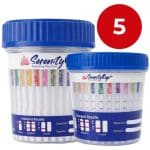
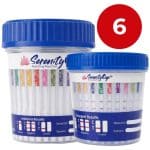
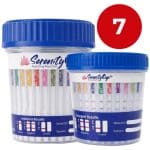
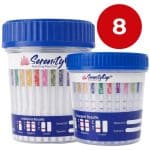
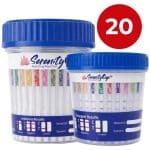
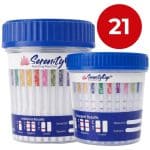
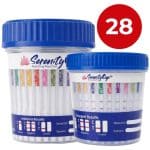
8 Panel Multi Dip Card
FREE SHIPPING ON ORDERS OVER 100 PIECES!*
12 Panel Now offers high-quality drug testing solutions designed to meet the demands
of professional environments. The 8 Panel Urine Dip Card is built specifically for forensic
applications, providing accurate and consistent results where precision matters most.
8 Panel Multi Dip Card
Reliable, lab-quality results with easy-to-use test kits.
350+ High-Demand SKUs
From everyday staples to specialty products:
- Multi-Dip Tests
- Drug Test Cups
- Oral Drug Test Swabs
- 60+ Drug Test Strips
- Cartridges COVID-19 Tests
- Gloves & PPE

220,000 Sq. Ft. Mega Warehouse

Same-Day Blind Drop Shipping

Lowest Wholesale Pricing. Highest Commissions. Period.

Private Label Available

Real-Time Partner Portal
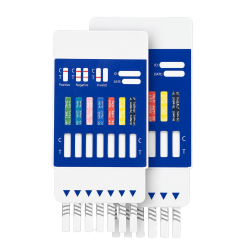
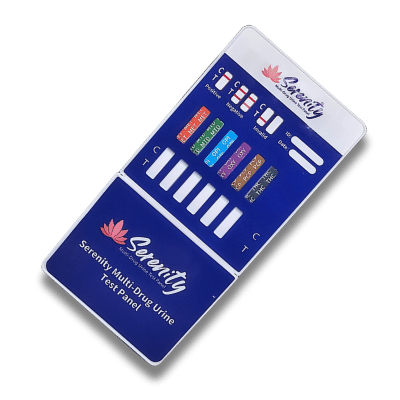
Dip Card 8 Panel Detects ETG & FEN, Serenity Multi level Dip card, As Low as $0.89
AMP, BZO, COC, EtG, FEN, MET, OPI/MOR, THCCLIA WAIVED, FDA ApprovedAs low As$0.89 $0.89 - $1.39
7 Panel Drug Test Cup,120ml, Detecting, AMP, BZO, COC, THC, MET, OPI & OXY As low as $1.15
AMP, BZO, COC, MET, OPI/MOR, OXY, THCCLIA WAIVEDAs low As$1.15 $1.15 - $1.99
Dip card 10 Panel CLIA, detecting OPI & BUP, CLIA Waived & FDA Approved, Serenity Multi-Level Dip Card. As low as $0.99
AMP, BUP, BZO, COC, MDMA, MET, MTD, OPI/MOR, OXY, THCCLIA WAIVED, FDA ApprovedAs low As$ 0.99 $0.99 - $1.59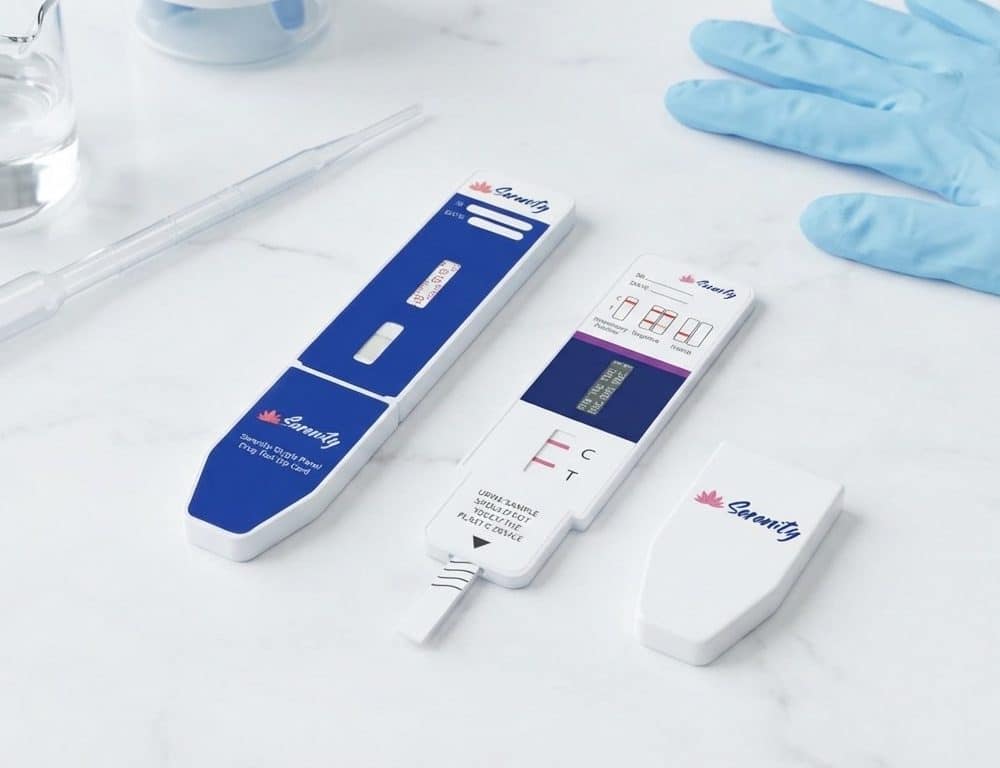
Dip Card ETG/500 Detecting Alcohol. Serenity Single Dip card. As low as $0.33
EtGForensic UseAs low As$0.33 $0.33 - $0.79
Dip Card FEN/20ng Detecting Fentanyl. Serenity Rapid Urine Drug Screening Test, As Low as $0.33 Per Test card
FENForensic UseAs low As$0.33 $0.33 - $0.79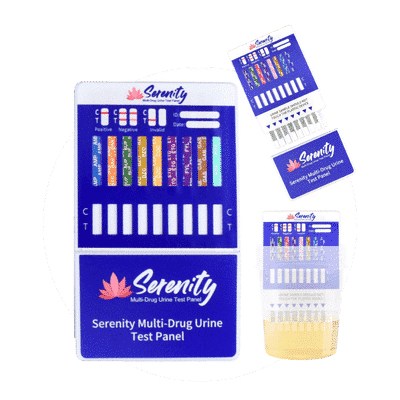
Dip card 6 Panel Detects OPI & OXY, Serenity Multi-Level Dip Card
BZO, COC, MET, OPI/MOR, OXY, THCCLIA WAIVEDAs low As$0.69 $0.69 - $1.058 Panel Drug Test Dip Cards
Eight-substance urine drug test dip cards featuring two analytes that no previous panel tier in this lineup includes: Ethyl Glucuronide (ETG) for alcohol metabolite detection up to 80 hours after drinking, and Fentanyl (FEN) for dedicated synthetic opioid screening that the standard OPI strip cannot provide. Full panel: AMP, BZO, COC, ETG, FEN, MET, OPI, and THC. Forensic Use Only. From $1.09 per test. Same-day wholesale shipping before 3:00 PM EST.
| Substance | Abbreviation | Cutoff (Urine) | Detection Window |
|---|---|---|---|
| Amphetamines | AMP | 1000 ng/mL | 2 to 4 days |
| Benzodiazepines | BZO | 300 ng/mL | 3 days to several weeks |
| Cocaine | COC | 300 ng/mL | 2 to 4 days |
| Ethyl Glucuronide (Alcohol) | ETG | 300 ng/mL | Up to 80 hours after drinking |
| Fentanyl | FEN | 20 ng/mL | 24 to 72 hours — dedicated strip required |
| Methamphetamine | MET | 1000 ng/mL | 2 to 4 days |
| Opiates / Morphine | OPI | 300 ng/mL | Up to 3 days |
| Marijuana / THC | THC | 50 ng/mL | 3 to 30+ days |
Shop the 8 Panel Multi Dip Card with ETG and FEN (SKU SM-DOA-184ETF-FUO) — from $1.09
What Is an 8 Panel Drug Test Dip Card and What Does It Screen For?
An 8 panel drug test dip card screens for eight substances simultaneously — Amphetamines, Benzodiazepines, Cocaine, Ethyl Glucuronide, Fentanyl, Methamphetamine, Opiates, and Marijuana — with the two new additions being ETG for 80-hour alcohol metabolite detection and FEN for dedicated synthetic opioid screening.
At 12 Panel Now, the 8 Panel Multi Dip Card with ETG and FEN (SKU: SM-DOA-184ETF-FUO) represents a fundamentally different upgrade from the 7-panel tier than the addition of oxycodone was. The 7-panel adds OXY — a substance in the same opioid and prescription drug category as OPI.
The 8-panel instead adds two substances from entirely different detection categories: ETG screens for a metabolite of alcohol that persists long after ethanol itself has cleared, and FEN screens for the synthetic opioid responsible for the majority of US overdose deaths, which the OPI strip cannot detect. As the manufacturer of the Serenity brand drug testing product line, 12 Panel Now produces all 8-panel multi dip cards with Forensic Use Only classification under the same quality standards applied across the full product range.
According to the SAMHSA Drug-Free Workplace Program, both EtG and fentanyl are separately categorized analytes that require their own immunoassay systems, distinct from any existing panel substance, confirming that neither can be inferred or detected by any other strip on any standard multi-panel format.
What Is ETG on a Drug Test and Why Does It Detect Alcohol for 80 Hours?
ETG stands for Ethyl Glucuronide, a direct metabolite produced when the liver processes alcohol. It is detectable in urine for up to 80 hours after consumption — more than three times longer than ethanol itself.
When a person drinks alcohol, the body metabolizes ethanol primarily into acetaldehyde and then acetic acid, both of which clear from urine within 12 to 24 hours. During this same metabolic process, a small portion of the ethanol is converted into ethyl glucuronide, which is excreted through the kidneys into urine. ETG is not the same as alcohol.
It is the body’s fingerprint of alcohol processing, and it persists in urine long after the person is no longer impaired, sober by any behavioral measure, or even aware they are still carrying evidence of recent drinking. The ETG strip at 300 ng/mL on the 8-panel dip card detects this metabolite for up to 80 hours following significant alcohol consumption.
NIH research on EtG as a biomarker of alcohol consumption documents its significantly extended detection window compared to ethanol and confirms that ETG is the most reliable urine-based biomarker for detecting alcohol intake across a multi-day period. This window is what makes ETG the analyte of choice for programs enforcing complete alcohol abstinence rather than simply screening for current impairment.
What Is the Difference Between an ETG Test and a Standard Alcohol Drug Test?
A standard ALC or alcohol strip detects ethanol directly in urine for 12 to 24 hours after drinking. An ETG test detects a metabolite of alcohol for up to 80 hours — making it the appropriate tool for programs that need to verify alcohol abstinence over days, not hours.
This distinction determines which test is operationally correct for a given program. An alcohol breathalyzer measures current blood alcohol concentration — impairment right now. A standard ALC urine strip detects ethanol in the specimen, which typically reflects drinking within the past 12 to 24 hours. An ETG urine test detects ethyl glucuronide and confirms whether any significant alcohol consumption occurred within the past 70 to 80 hours, regardless of whether ethanol has fully cleared.
A person who drank heavily on Friday evening and submits to a Monday morning test will test negative on an ethanol strip and a breathalyzer because the alcohol itself has long cleared. That same person will likely still test positive on an ETG strip at Monday morning because ethyl glucuronide metabolites persist. For probation programs that include alcohol abstinence as a condition of supervised release, the ETG test makes weekend drinking visible at Monday check-in in a way that no other rapid urine test can.
For alcohol treatment programs where any drinking is clinically significant regardless of how long ago it occurred, the ETG’s extended window closes the compliance gap that a standard ALC strip leaves open. For sober living homes where alcohol abstinence is a house condition, the ETG test creates an accountability window that a 24-hour ethanol test never could.
How Long Does ETG Stay in Urine After Drinking?
The ETG detection window in urine is directly related to how much alcohol was consumed, how quickly, and across how many hours. Light social drinking of one to two standard drinks typically produces ETG detectable for approximately 24 to 36 hours in most adults with normal kidney function. Moderate drinking of three to five drinks extends the ETG detection window to approximately 48 to 65 hours.
Heavy drinking of six or more drinks — or sustained drinking across an evening — can produce ETG detectable for up to 80 hours or longer in some individuals. The 300 ng/mL cutoff on the 8-panel dip card’s ETG strip is calibrated to reduce false positives from incidental alcohol exposure such as fermented foods, mouthwash, or hand sanitizers while remaining sensitive enough to detect drinking that would be clinically or legally significant in a monitored population.
NIH EtG biomarker research documents that cut-off selection at 300 ng/mL provides appropriate sensitivity and specificity for clinical compliance monitoring, consistent with the threshold used on the 8-panel multi dip card. Any presumptive positive result on the ETG strip must be confirmed by GC-MS or LC-MS/MS laboratory testing before any consequential action is taken, since the ETG strip cannot distinguish between levels of drinking and laboratory confirmation provides quantitative ETG concentration data that supports clinical interpretation.
Why Is Fentanyl Detection the Second Defining Analyte of the 8-Panel Tier?
Fentanyl is the leading cause of drug overdose death in the United States and is not detected by any standard OPI or opiate immunoassay strip at any panel count — making the FEN strip on the 8-panel dip card the first tier in the dip card lineup where fentanyl has a dedicated analyte.
According to Quest Diagnostics’ 2025 Drug Testing Index, fentanyl was detected in 1.13% of random workforce drug tests in 2024, with 60% of fentanyl-positive specimens also testing positive for at least one other substance, confirming that fentanyl users are overwhelmingly polysubstance users. At 20 ng/mL, the FEN strip on the 8-panel dip card uses a sensitive threshold that reflects fentanyl’s extreme potency — even small concentrations carry clinical and mortality significance.
The HHS Federal Register notice of January 2025 mandating fentanyl addition to the authorized federal testing panel, effective July 7, 2025, makes the FEN strip’s inclusion in the 8-panel dip card a direct response to the highest level of federal drug testing policy direction. Programs that were running a 6 or 7 panel dip card before 2025 and have not updated their protocol to include a dedicated FEN analyte are now operating below the federal policy baseline for comprehensive drug testing.
Why Does the 8 Panel Dip Card Add FEN Instead of OXY Like the 7-Panel?
The 7-panel dip card adds Oxycodone (OXY) as the seventh analyte, addressing the prescription compliance gap where oxycodone is invisible to the OPI strip. The 8-panel multi dip card takes a different direction entirely: rather than adding another opioid-class substance, it introduces ETG and FEN — one from the alcohol metabolite category and one from the synthetic opioid category.
This configuration reflects a different buyer population and a different set of compliance priorities. The 8-panel is not an opioid compliance monitoring tool in the same way the 7-panel is. It is a complete abstinence monitoring tool — ETG for alcohol abstinence history, FEN for the synthetic opioid most likely to appear in a monitored population’s illicit drug use patterns, alongside the standard stimulant-sedative-cannabis baseline.
Programs that need both OXY and FEN alongside ETG should evaluate the 10 through 12 panel dip card formats that include OXY, FEN, and often BUP, MTD, and MDMA as additional dedicated strips within a comprehensive configuration.
Who Uses the 8 Panel Drug Test Dip Card and in Which Programs?
The 8-panel multi dip card is used by programs that need to simultaneously enforce alcohol abstinence over a multi-day window and screen for fentanyl alongside the standard drug testing baseline — primarily alcohol treatment programs, DUI/DWI monitoring, probation with alcohol conditions, sober living homes, and clinical settings where fentanyl and alcohol co-use are documented population risks.
Rehabilitation and treatment centers specializing in alcohol use disorder or co-occurring alcohol and opioid use disorder use the 8-panel because the ETG strip provides the extended detection window needed to confirm abstinence between appointments when standard ethanol tests only provide a 24-hour picture.
Probation departments and drug courts managing participants with alcohol-related offenses — DUI convictions, alcohol-fueled domestic incidents, repeat alcohol-related violations — use the 8-panel because the ETG strip catches weekend drinking at Monday check-in. Sober living homes with strict alcohol and drug prohibitions use the 8-panel because it simultaneously enforces both alcohol abstinence and complete drug screening including fentanyl in one dip.
Drug court programs managing participants with polysubstance histories that include alcohol and opioid use disorder benefit from having ETG and FEN as standard components of their rapid point-of-care screening without the cost of a 12 or 14-panel format.
Is ETG Testing Appropriate for DUI Monitoring Programs?
Yes. ETG testing is widely used in DUI and DWI monitoring programs precisely because of its 80-hour detection window, which aligns with the monitoring frequency most DUI supervision programs use. A DUI participant required to report weekly or every few days who drinks between appointments cannot avoid detection through the timing of consumption if the monitoring program uses ETG rather than a standard alcohol test.
The NIJ’s research on alcohol testing in DUI monitoring programs identifies ETG as the most operationally effective urinary biomarker for alcohol abstinence compliance monitoring in supervised populations because the detection window closes the gap between monitoring appointments that ethanol testing leaves open.
For programs that use Secure Continuous Remote Alcohol Monitor (SCRAM) devices or frequent breathalyzer check-ins as their primary alcohol monitoring tool, the 8-panel dip card with ETG provides a cost-effective supplement to biometric monitoring for participants at lower supervision intensity levels where daily electronic monitoring is not in place.
The combination of ETG for alcohol abstinence history and FEN for fentanyl detection in a single $1.09 dip card makes the 8-panel a practical and comprehensive monitoring tool for the population segment most likely to be using alcohol alongside opioids.
What Does the 8 Panel Dip Card NOT Detect?
The 8 panel dip card does not detect oxycodone, methadone, buprenorphine, MDMA, barbiturates, PCP, K2/synthetic cannabinoids, kratom, tramadol, xylazine, or any substance beyond its eight dedicated strips.
Unlike the 7-panel configuration that includes OXY, this 8-panel substitutes OXY for ETG and FEN. Programs that need oxycodone compliance monitoring alongside alcohol abstinence tracking and fentanyl detection should not use the 8-panel as their format — they need a higher-panel configuration that includes OXY alongside FEN and ETG.
The 8-panel also does not include buprenorphine, which means programs monitoring Suboxone or Subutex compliance cannot use this format without a supplemental single-panel BUP dip card. Methadone is similarly absent, making this format unsuitable as the primary monitoring tool for methadone treatment program patients without a supplemental MTD strip.
Programs whose population requires OXY, BUP, MTD, and MDMA alongside FEN and ETG should evaluate the 10 through 14 panel dip card formats that include all of those analytes in a single card.
Can the ETG Strip Produce a False Positive From Non-Drinking Sources?
At the 300 ng/mL cutoff on the 8-panel dip card, the ETG strip is designed to minimize false positives from incidental non-beverage alcohol exposure. However, ETG can be produced in the body from certain fermented foods including some breads, vinegar products, and ripe fruits, as well as from the accidental ingestion of mouthwash, cough syrups, or over-the-counter medications containing ethanol.
The clinical literature on ETG false positives documents that the 300 ng/mL threshold substantially reduces — though does not entirely eliminate — the risk of a false positive from these sources. NIH EtG research notes that very high ETG concentrations above 1000 ng/mL are much more consistent with intentional alcohol drinking than with incidental exposure.
Because of this nuance, any presumptive positive ETG result from the 8-panel dip card must be confirmed by laboratory GC-MS or LC-MS/MS testing before any compliance, clinical, or legal action is taken, and the quantitative laboratory result provides the ETG concentration data needed to distinguish between heavy drinking and plausible incidental exposure.
Programs that plan to use ETG results in legal or compliance proceedings should have a clear confirmation protocol in place before deploying the 8-panel format. The SAMHSA Drug-Free Workplace FAQ addresses the immunoassay confirmation requirement explicitly and applies to all analytes including ETG.
How Does the 8 Panel Dip Card Compare to the 8 Panel Drug Test Cup?
Both formats screen for the same eight substances with equivalent immunoassay accuracy. The dip card at $1.09 is the lower-cost format for high-volume field testing, while the cup format provides integrated collection and tamper-evident specimen integrity for programs with chain-of-custody requirements.
The 8-panel drug test cup available at 12 Panel Now integrates specimen collection and testing in a sealed self-contained cup with a built-in temperature strip for validity confirmation, a leak-proof lid, and the ETG and FEN strips alongside the standard baseline — all readable through test windows without opening the container.
The 8-panel dip card requires a separate collection container and a 10 to 15 second dip, but provides equivalent test results at a lower per-test cost with photocopy-compatible result windows for documentation. For high-volume probation offices testing 50 to 200 participants per week where cost efficiency is critical, the dip card format reduces per-test cost while maintaining the ETG and FEN coverage the program needs.
For clinical facilities where specimen validity, temperature confirmation, and specimen integrity documentation are regulatory requirements, the cup format is the appropriate choice at the 8-panel substance level. Browse the full 8-panel drug test lineup at 12 Panel Now to compare dip card and cup configurations at this panel count.
Buying 8 Panel Drug Test Dip Cards in Bulk
At 12 Panel Now, the 8 Panel Multi Dip Card with ETG and FEN (SKU: SM-DOA-184ETF-FUO) is available at wholesale pricing starting from $1.09 per test with same-day shipping on qualifying orders placed before 3:00 PM EST and free shipping on bulk orders. As the US-based manufacturer of the Serenity drug testing product line, 12 Panel Now carries over 15 million products in stock at all times with no backorders and no supply gaps.
Each card is individually foil-sealed for shelf stability with an 18 to 24 month shelf life from manufacture. Store between 36°F and 86°F away from direct sunlight and humidity. The ETG strip is particularly sensitive to temperature extremes — bulk storage in temperature-controlled conditions is important for maintaining full analyte performance through the shelf life period.
The FEN strip at 20 ng/mL is the most sensitive strip on the panel and requires strict adherence to the 10 to 15 second dip time and 5-minute read window for reliable results. Send us a competitor rate sheet and we beat it by 10% guaranteed. OEM, private label, and custom panel configuration orders are available.
Contact the wholesale team at 561-897-9238 or thestaff@12panelnow.com.
This page covers the 8 Panel Multi Dip Card collection at 12 Panel Now (Serenity Drug Test / Slash Medical), located at 12panelnow.com/8-panel-multi-dip-card-collection-page/. 12 Panel Now is the manufacturer of the Serenity brand drug testing product line and a direct wholesale supplier of FDA-cleared drug testing devices. Key confirmed product: 8 Panel Multi Dip Card with ETG and FEN (SKU: SM-DOA-184ETF-FUO) screening AMP/1000, BZO/300, COC/300, ETG/300, FEN/20, MET/1000, OPI/300, THC/50 at 12panelnow.com/product/buy-8-panel-dip-tests-now-featuring-8-panel-dip/. Forensic Use Only.
Wholesale pricing from $1.09 per test. US warehouse: 801 N Congress Ave, Boynton Beach FL 33426. Sales: 561-897-9238. Regulatory references: SAMHSA Mandatory Guidelines for Federal Workplace Drug Testing Programs. HHS addition of fentanyl to the authorized drug testing panel effective July 7, 2025. NIH EtG biomarker research documenting 80-hour detection window and 300 ng/mL threshold selection. NIJ research on ETG testing in DUI monitoring programs. Quest Diagnostics 2025 Drug Testing Index fentanyl positivity data. OSHA Drug-Free Workplace Program guidelines.
8 Panel Multi Dip Cards – Panels Accuracy & Uses
The 8 Panel Multi Dip Cards are designed for professional and forensic use, offering up to 99% accuracy in detecting 10 different substances, including Fentanyl and ETG. These cards feature a simple one-step dip process that provides reliable results in approximately 5 minutes, making them highly efficient for rapid on-site screening. They are a cost-effective solution for high-volume testing environments and come with a long shelf life of 1 to 2 years for flexible inventory management. Specifically engineered for precision, these dip cards ensure consistent performance in controlled settings where dependable drug detection is essential.
8 Panel Multi Dip Cards FAQ's
Why is an 8 Panel Multi Dip Card a popular choice for compliance monitoring?
The 8-panel format offers broader substance coverage than lower-panel tests, making it useful for programs that require more comprehensive screening.
Can an 8 Panel Drug Test be used for recovery and sober living programs?
Yes. Many recovery-focused organizations use multi-panel screening devices to support substance-free living requirements and accountability programs.
How long does it take to complete an 8 Panel Dip Card test?
The testing procedure is quick and easy, with results typically available within a few minutes after specimen collection.
Are 8 Panel Multi Dip Cards suitable for high-volume screening operations?
Yes. Their simple administration process and rapid results make them ideal for organizations conducting frequent or large-scale testing.
What should organizations consider before selecting an 8 Panel Drug Test?
They should evaluate the substances they need to monitor, program requirements, testing frequency, and overall compliance objectives.
Can an 8 Panel Dip Card help reduce laboratory testing costs?
Yes. Rapid screening can identify specimens that may require confirmation testing, helping organizations manage testing resources more efficiently.
Are 8 Panel Multi Dip Cards commonly used in court-ordered testing programs?
Yes. Many probation, monitoring, and compliance programs use multi-panel screening devices as part of routine testing protocols.
What are the benefits of purchasing 8 Panel Drug Tests in bulk?
Bulk purchasing can lower per-test costs, simplify inventory planning, and ensure uninterrupted testing operations.
How often should test supplies be checked for expiration dates?
Organizations should regularly review inventory and rotate stock to ensure all testing devices remain within their recommended shelf-life period.
What makes a dip card format convenient compared to other testing methods?
Dip cards are lightweight, easy to transport, simple to administer, and require minimal storage space, making them practical for many professional settings.