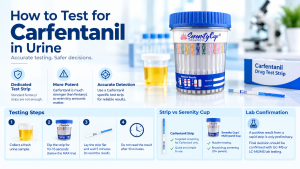

Standard fentanyl strips are not a safe stand-in for a carfentanil test. Carfentanil is a different fentanyl analog, and a strip built ...
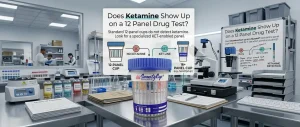
No, a standard 12 panel drug test does not detect ketamine. The usual 12 panel urine cup covers AMP, BAR, BUP, BZO, COC, MDMA, MET, MTD...
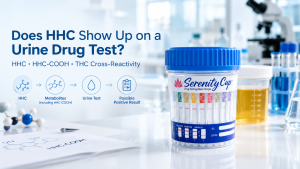
If you use HHC (hexahydrocannabinol), you may wonder whether it can show up on a urine drug test—especially if you have an emplo...
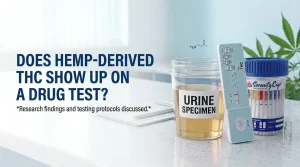
Yes, hemp-derived THC can show up on a drug test. A drug test generally does not determine whether THC came from hemp or marijuana. Ins...
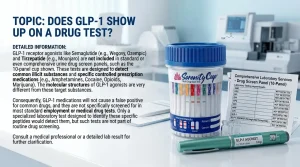
If you take a GLP-1 medication and have an upcoming drug test, you may wonder: Does GLP-1 show up on a drug test?
In most standard dru...
If you take citalopram (Celexa) and have an upcoming drug test, it is reasonable to wonder whether the medication will appear on the re...

If you are wondering “does BPC-157 show up on a drug test?”, the answer depends largely on what type of drug test is being use...
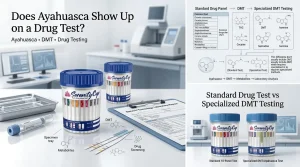
If you have searched “does ayahuasca show up on a drug test?”, the short answer is: usually not on a standard workplace drug test, but ...