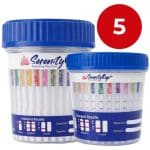
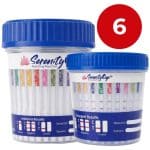
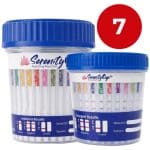
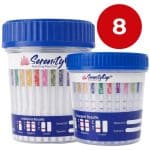
9 Panel Oral Swab
FREE SHIPPING ON ORDERS OVER 100 PIECES!*
Get accurate drug test results in minutes with this 9 Panel Oral Swab Drug Test from
12 Panel Now. This test kit features ten panels for easy detection of illicit drugs.
Designed for use at home and in a professional setting, these oral kits are easy
to use and perfect for determining which substances are in someone’s system.
9 Panel Oral Swab for Fast & Accurate Result
Reliable, lab-quality results with easy-to-use test kits.
350+ High-Demand SKUs
From everyday staples to specialty products:
- Multi-Dip Tests
- Drug Test Cups
- Oral Drug Test Swabs
- 60+ Drug Test Strips
- Cartridges COVID-19 Tests
- Gloves & PPE

220,000 Sq. Ft. Mega Warehouse

Same-Day Blind Drop Shipping

Lowest Wholesale Pricing. Highest Commissions. Period.

Private Label Available

Real-Time Partner Portal

9 Panel Oral Drug Test Swab with Fentanyl CUBE Style, out of stock
AMP, BAR, BUP, BZO, COC, FEN, MET, OPI/MOR, OXYForensic UseAs low As$1.59 $1.59 - $2.19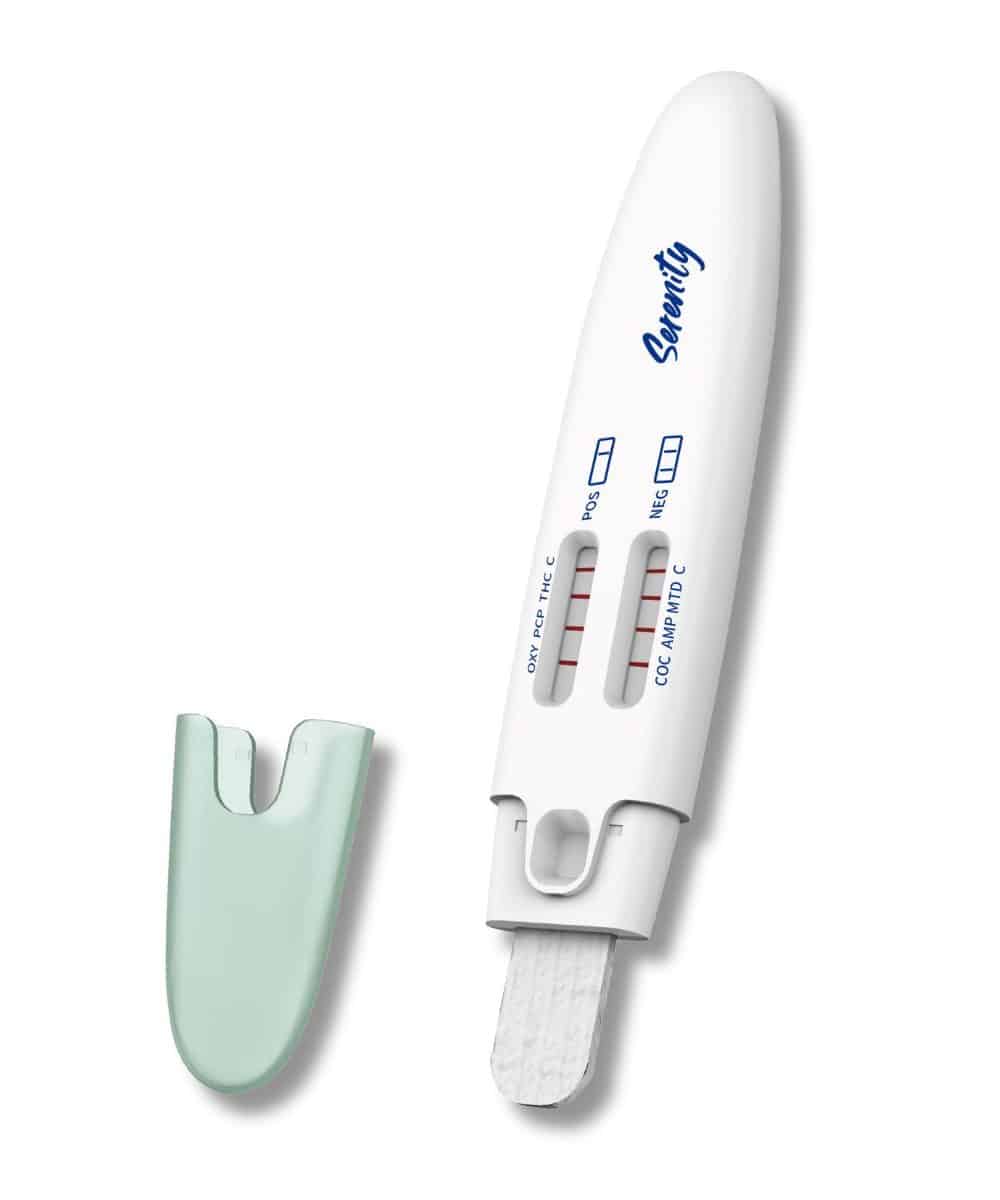
Saliva 9 Panel Drug Test Detecting ALC, As low as $1.19
ALC, AMP, BAR, BZO, COC, MET, MTD, OPI/MOR, OXYForensic UseAs low As$1.19 $1.19 - $1.99
Saliva 8 Panel Drug Test Detecting AMP, OPI, MET, BZO, COC, OXY, BUP & BAR, As Low as $1.15
AMP, BAR, BUP, BZO, COC, MET, OPI/MOR, OXYForensic UseAs low As$1.15 $1.15 - $1.79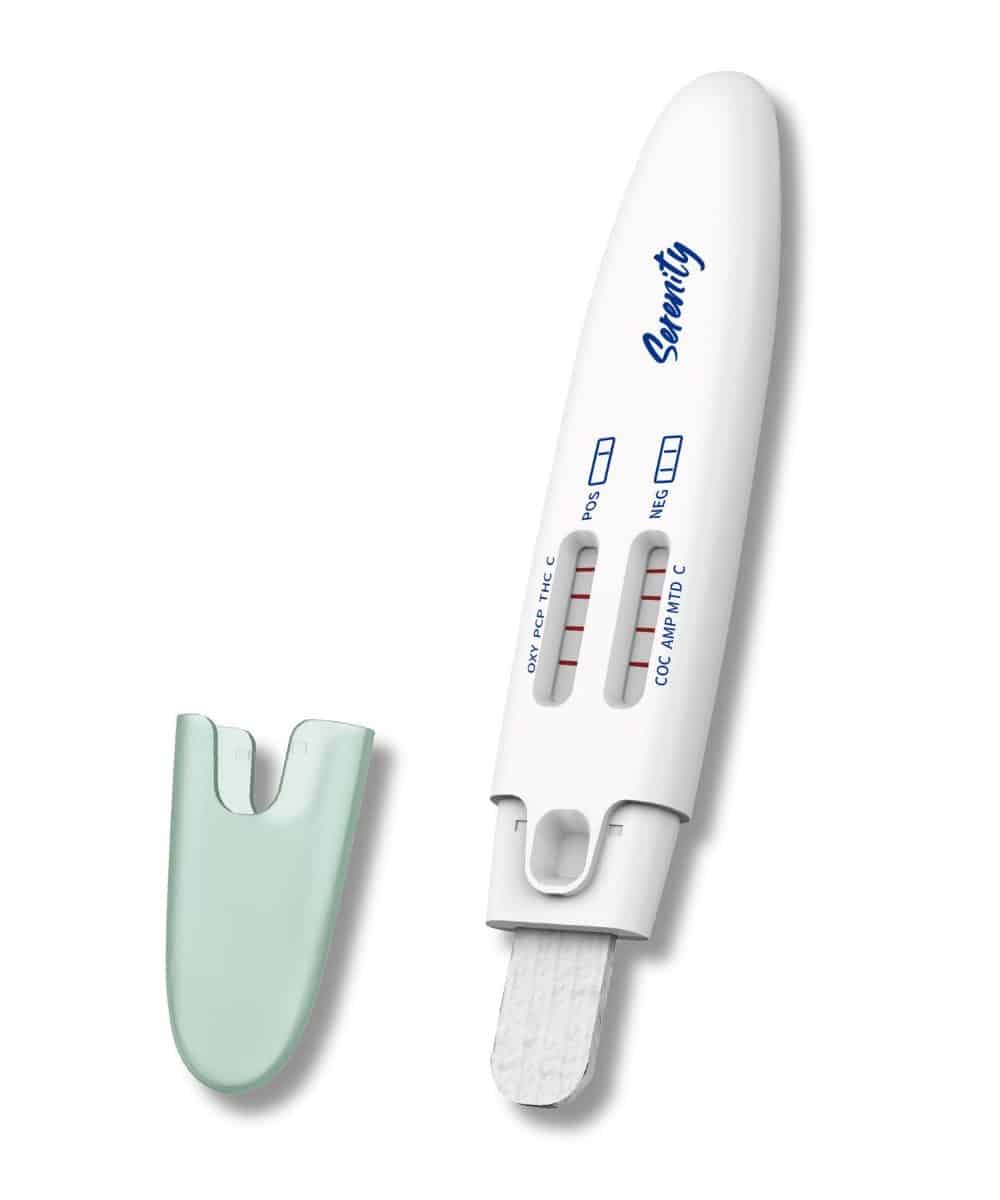
Saliva 10 Panel Drug Test Detecting K2 and ALC, As low as $1.29
ALC, AMP, BUP, BZO, COC, FEN, K2, MET, OPI/MOR, OXYForensic UseAs low As$1.29 $1.29 - $2.09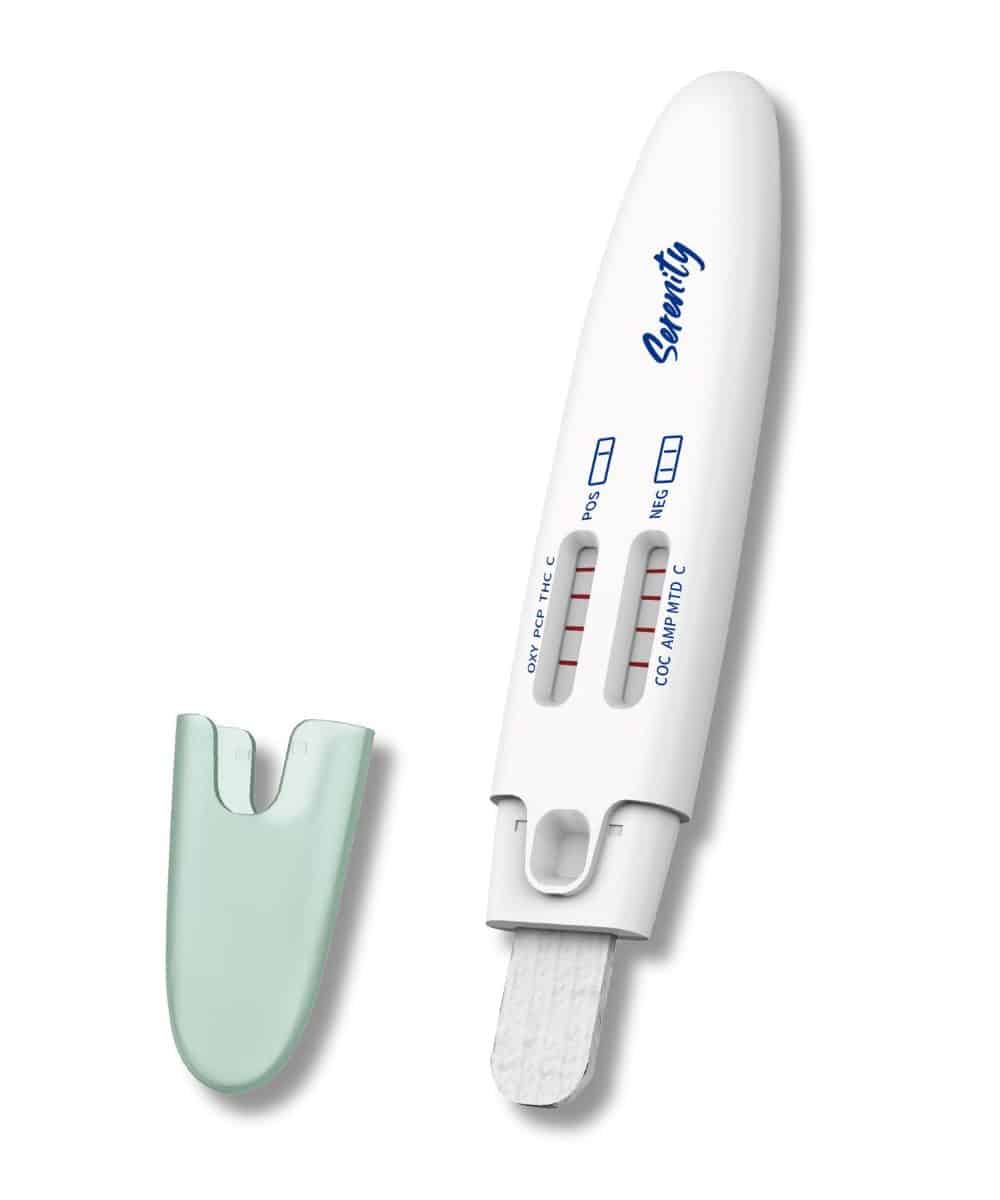
Saliva 11 Panel Drug Test Detecting NFYL & THC, As low as $1.29
AMP, BAR, BUP, BZO, COC, MET, MTD, NFEN, OPI/MOR, OXY, PCP, THCForensic UseAs low As$1.29 $1.29 - $2.09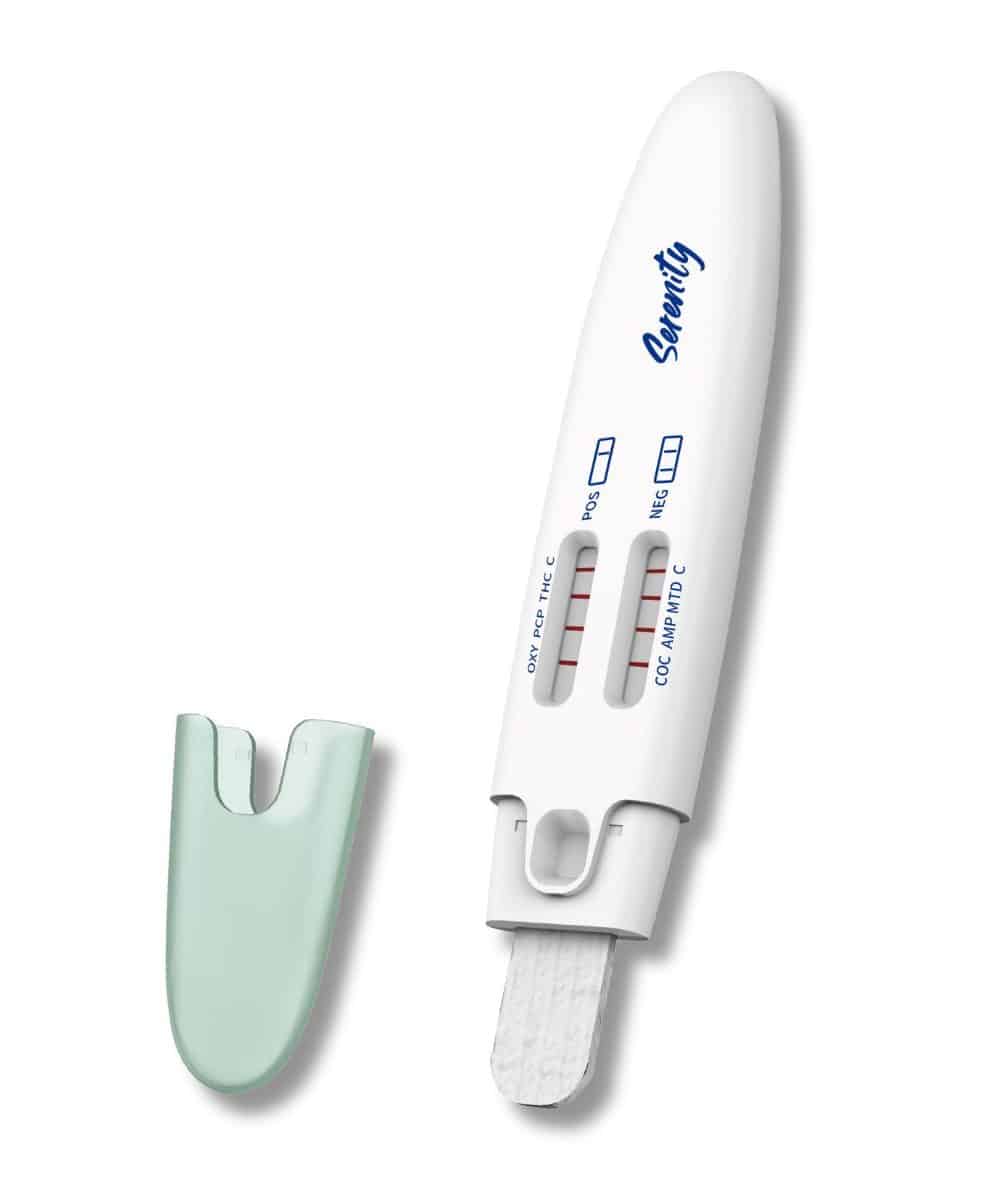
Saliva 12 Panel Drug Test Detecting K2, Alcohol & Fentanyl – Only $1.49
ALC, AMP, BAR, BUP, BZO, COC, FEN, K2, MET, MTD, OPI/MOR, OXYForensic UseAs low As$1.49 $1.49 - $2.39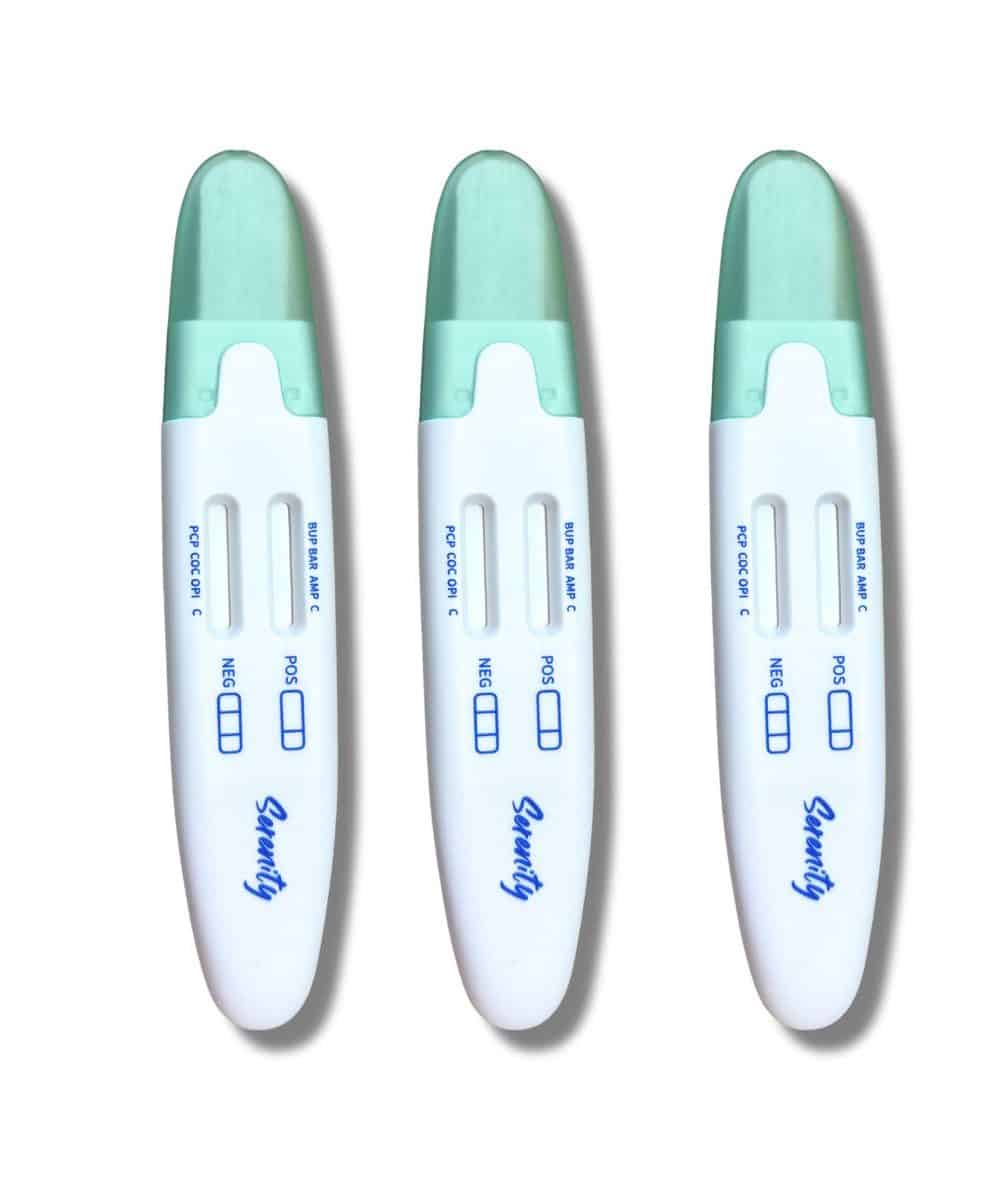
Saliva 13 Panel Drug Test Detecting Alcohol, Fentanyl, No THC – Just $1.59
ALC, AMP, BAR, BUP, BZO, COC, FEN, MDMA, MET, MTD, OPI/MOR, OXY, PCPForensic UseAs low As$1.59 $1.59 - $2.49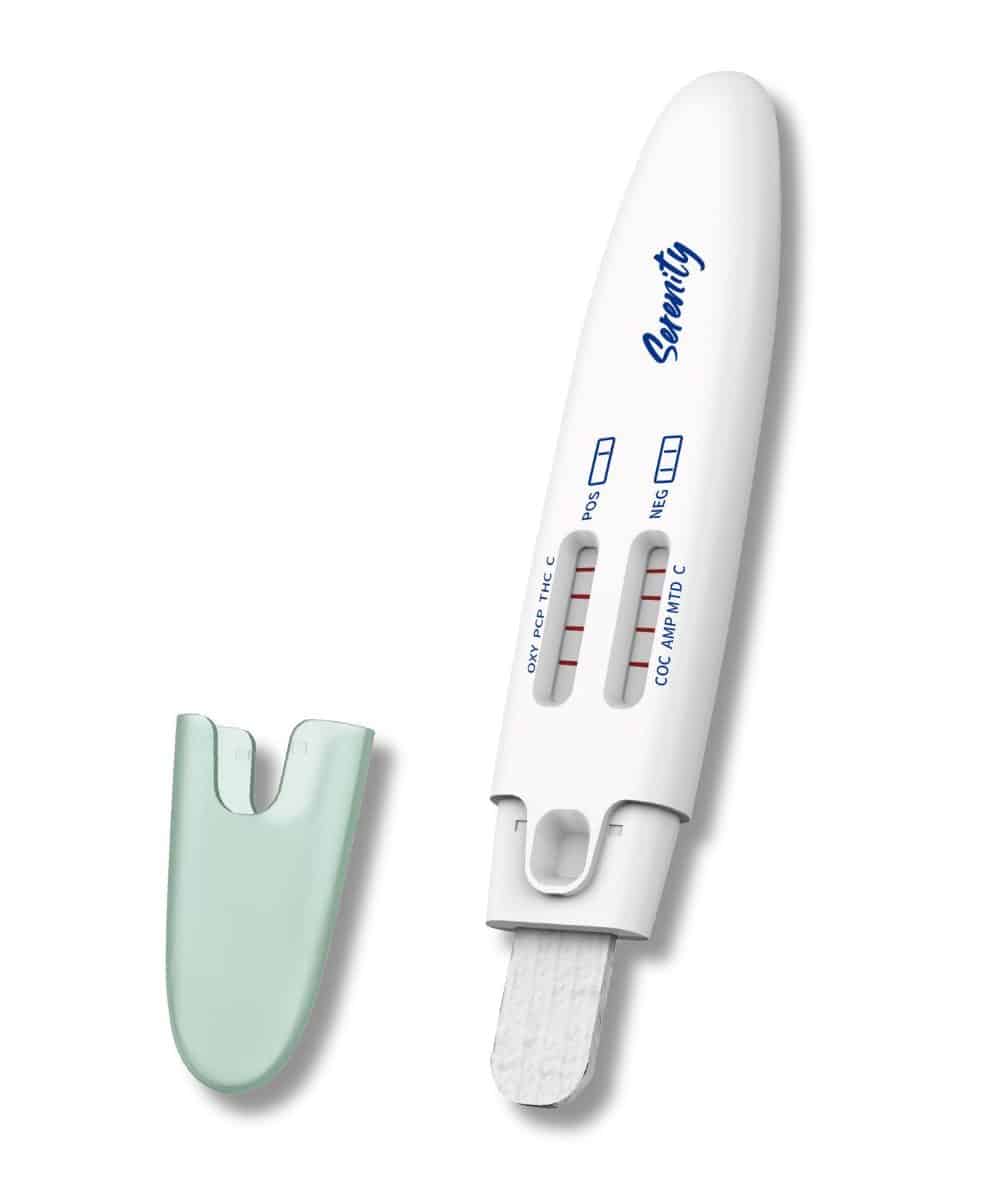
Saliva 5 Panel Drug Test Detects OPI, MET & THC, As low as $1.09
AMP, COC, MET, OPI/MOR, THCForensic UseAs low As1.09 $1.09 - $1.79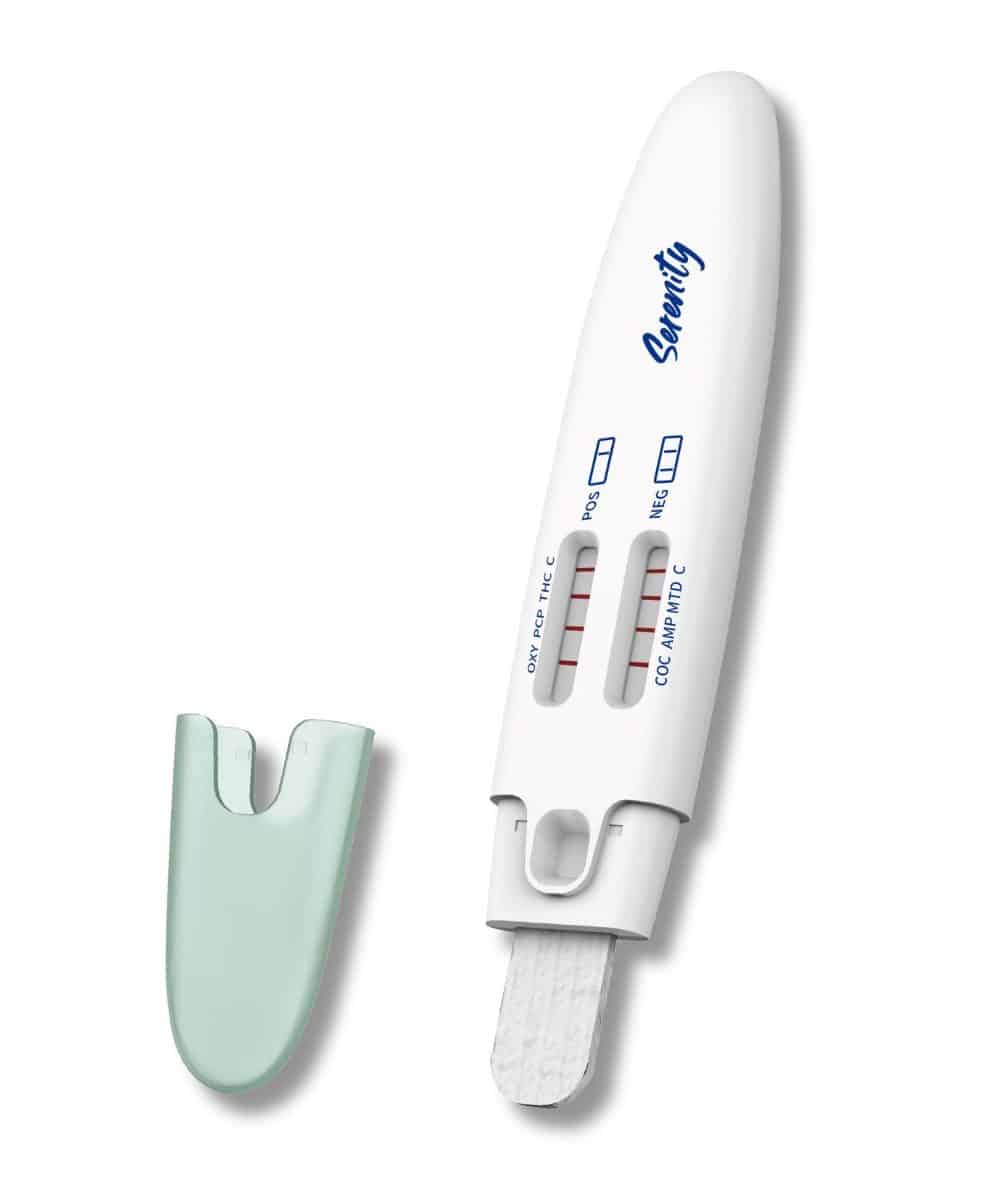
Saliva 6 Panel Drug Test Detects OXY & NO THC, As low as $1.05
ALC, AMP, COC, MET, OPI/MOR, OXYForensic UseAs low As$1.05 $1.05 - $1.59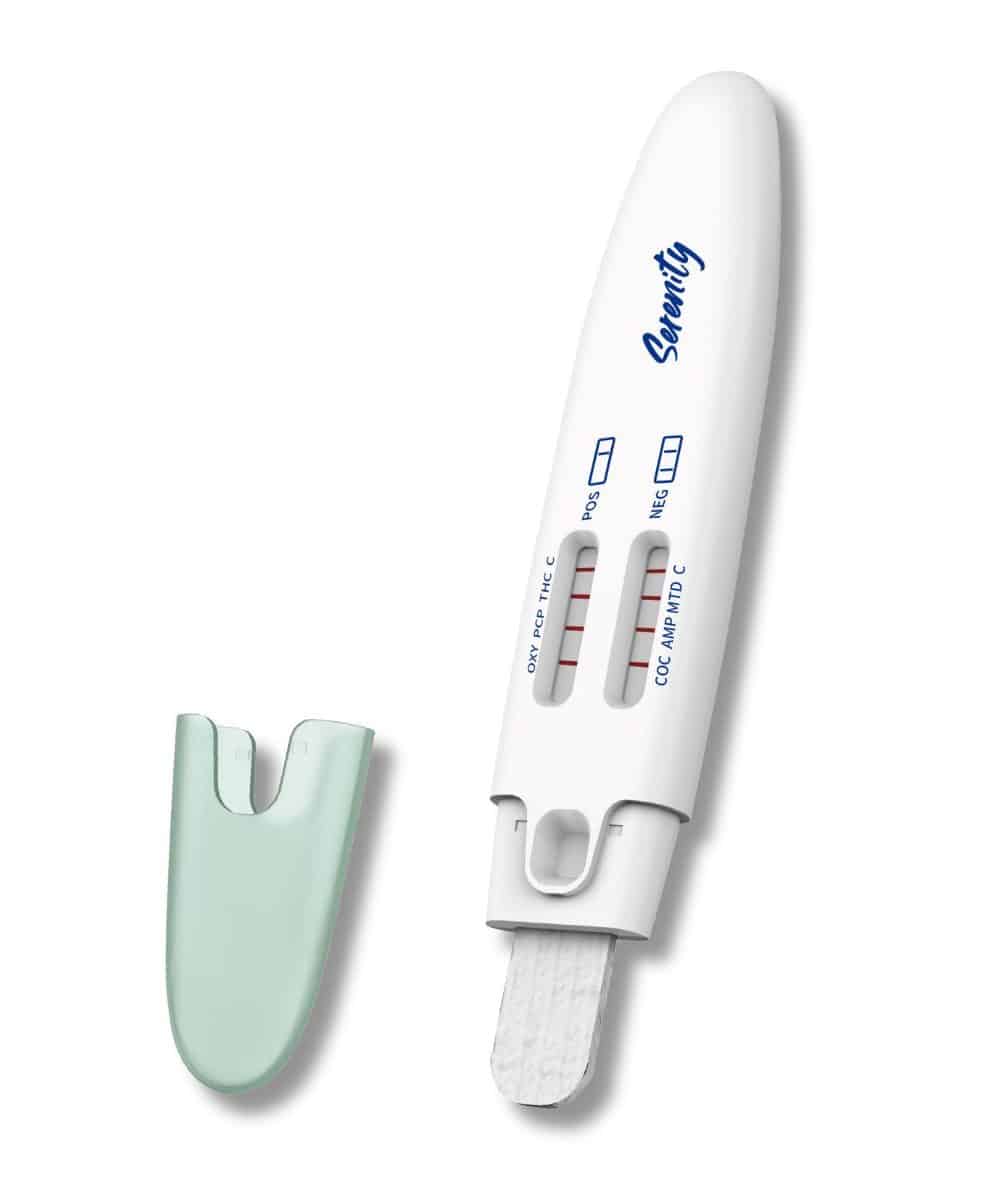
Saliva 7 Panel Drug Test Detecting Alcohol and THC, As low as $1.09
ALC, AMP, COC, MET, OPI/MOR, PCP, THCForensic UseAs low As1.09 $1.09 - $1.69What Is a 9 Panel Mouth Swab Drug Test and What Does It Screen For?
The 9 panel saliva drug test is the first configuration in the oral swab lineup to combine Methadone (MTD) and Alcohol (ALC) detection with the full prescription drug baseline, making it the most clinically specific oral fluid testing format available for opioid treatment programs and methadone maintenance clinics. The 9 panel oral swab at 12 Panel Now screens for Amphetamines (AMP), Barbiturates (BAR), Benzodiazepines (BZO), Cocaine (COC), Methamphetamine (MET), Methadone (MTD), Opiates/Morphine (OPI/MOR), Oxycodone (OXY), and Alcohol (ALC).
Every substance on this panel was selected to address a specific clinical or compliance concern that a lower-panel configuration cannot cover. The MTD analyte confirms whether a patient is taking their prescribed methadone. The BZO analyte identifies concurrent benzodiazepine misuse, which the CDC identifies as a primary driver of opioid-related overdose mortality. The ALC analyte detects alcohol use within the past 12 to 24 hours. The BAR analyte catches prescription sedative misuse.
The OXY analyte covers oxycodone diversion that the standard OPI strip misses entirely. Together, this nine-substance profile reflects the clinical reality of what opioid treatment programs, probation supervision officers, and methadone clinic administrators actually need to monitor in a single on-site collection. All products carry a Forensic Use Only classification and are available for same-day wholesale shipping starting from $1.59 per unit.
What Is Different About the 9 Panel Compared to the 8 Panel?
The 8 panel oral swab is optimized for buprenorphine-based MAT compliance monitoring, covering BUP alongside the prescription drug baseline. The 9 panel oral swab makes two significant changes. It replaces BUP with MTD, addressing programs where methadone rather than buprenorphine is the treatment medication, and it adds Alcohol (ALC) as the ninth analyte, giving compliance programs the ability to screen for both substance use and alcohol use in a single observed collection.
For programs that need to monitor buprenorphine compliance, the 8 panel remains the correct choice. For programs managing methadone-treated patients where alcohol use is a documented co-occurring concern, the 9 panel is the appropriate configuration. This distinction matters because methadone and alcohol interact dangerously as both are central nervous system depressants, and their combination increases overdose risk significantly. A program that monitors methadone compliance but does not screen for alcohol is operating with a critical blind spot in its safety monitoring framework. The 9 panel closes that specific gap in a single pen-style device without adding any logistical complexity to the collection process.
Does Methadone Show Up on a Drug Test?
Yes, but only if the test includes a dedicated MTD analyte. This is one of the most widely misunderstood facts in opioid treatment program drug testing. Methadone is a synthetic opioid with a unique chemical structure that does not cross-react with the standard opiate immunoassay strip (OPI/MOR).
A patient prescribed methadone for opioid use disorder treatment who is tested on a standard 5, 6, 7, or 8 panel oral swab that does not include a MTD strip will test negative for opiates, and the test result will provide no information about methadone compliance whatsoever. The program will have no way of knowing whether the patient is taking their prescribed medication or diverting it.
Detecting methadone requires a dedicated MTD analyte at a 30 ng/mL cutoff threshold in oral fluid. The 9 panel oral swab drug test is the first oral fluid configuration at 12 Panel Now that includes MTD as a standard analyte, making it the baseline choice for any opioid treatment program prescribing methadone that needs point-of-care compliance confirmation at the clinical visit.
As of May 2024, SAMHSA had certified 2,151 Opioid Treatment Programs across the United States, up from approximately 900 in 2001, reflecting the significant expansion of methadone-based OUD treatment over two decades. Every one of those programs requires regular drug testing for patients, and every program whose panel does not include a dedicated MTD analyte is missing compliance confirmation data for its primary treatment medication.
What Does Methadone Test Positive For on a Standard Drug Test?
This question reflects a common misconception that needs to be addressed directly for any program administrator evaluating the 9 panel saliva drug test for OTP compliance monitoring. On a standard drug test that does not include a MTD strip, methadone does not produce a positive result for any substance on the panel. It does not trigger the OPI strip, it does not trigger the OXY strip, and it does not produce a cross-reactive result on any other standard analyte.
A patient taking therapeutic doses of methadone will appear completely drug-free on any test that does not include a dedicated methadone analyte. This is not a product failure. It is a fundamental property of the immunoassay chemistry. The antibodies on an OPI strip are designed to react to morphine, codeine, and heroin metabolites, not to methadone.
Including a MTD strip is the only way to confirm methadone presence or absence in a drug test result. The SAMHSA Federal Guidelines for Opioid Treatment Programs (2024) address drug testing as a core component of OTP compliance monitoring, with panel configuration being a clinical decision that must reflect the medications the program is dispensing.
How Long Does Methadone Stay Detectable in a Saliva Drug Test?
Methadone is detectable in oral fluid at a 30 ng/mL cutoff threshold for approximately 24 to 48 hours following a therapeutic dose. This detection window is influenced by the dose administered, the individual’s metabolic rate, and the frequency of dosing.
Methadone has an exceptionally long plasma half-life of 24 to 36 hours in most patients, and in some individuals it can extend to 59 hours or more, which means the drug remains in the bloodstream significantly longer than most opioids. Oral fluid concentrations reflect real-time bloodstream secretion rather than accumulated metabolite storage, so the practical saliva detection window for a single therapeutic dose is more tightly bounded at 24 to 48 hours in most patients.
For OTPs that administer methadone on a daily observed dosing schedule at the clinic, the 24 to 48 hour window in oral fluid means that a patient who consumed their supervised dose at the clinic the previous day will still test MTD positive at the time of the next clinic visit.
For patients on take-home methadone doses, which SAMHSA’s updated take-home guidance has expanded under revised 42 CFR Part 8 regulations effective April 2024, the oral fluid detection window provides a same-day compliance check that confirms the most recent dose was taken without requiring the multi-day historical window that urine testing would provide.
Methadone detection in urine extends considerably longer, up to several days, but the oral fluid result is more useful in a clinical setting where the question is whether the patient took their medication today or yesterday, not several days ago.
Why Is Alcohol Detection Critical in Methadone Treatment Programs?
The combination of methadone and alcohol represents one of the most clinically significant drug interaction risks in opioid use disorder treatment. Both substances are central nervous system depressants. When consumed together, they produce additive CNS depression that amplifies sedation, impairs respiratory drive, and dramatically increases the risk of overdose compared to either substance alone.
CDC overdose data identifies concurrent CNS depressant use as a primary contributing factor in opioid-related overdose mortality, with alcohol being one of the most commonly involved co-occurring substances. For a methadone clinic managing patients on take-home doses, the inability to screen for concurrent alcohol use at each clinic visit represents a material gap in patient safety monitoring.
The ALC analyte in the 9 panel mouth swab drug test detects ethanol in oral fluid at a 0.02% threshold, identifying alcohol use within the past 12 to 24 hours, which covers the time window most relevant to assessing same-day or recent alcohol consumption at a clinic visit. A patient who consumed alcohol the morning of their methadone dose pickup will test ALC positive, giving the clinical team actionable information about the safety risk before dispensing the day’s methadone supply.
For programs that need standalone alcohol testing in addition to or separate from the 9 panel, the alcohol saliva test is available as a single-substance device detecting ethanol at the same 0.02% threshold. A 5, 6, 7, or 8 panel test without an ALC analyte cannot provide alcohol detection information under any circumstances.
What Does the Real-World Use of the 9 Panel Oral Swab Look Like in an OTP Setting?
To understand why the 9 panel saliva drug test is specifically constructed the way it is, consider the operational reality of a licensed Opioid Treatment Program serving 300 patients on daily methadone. Federal guidelines under revised 42 CFR Part 8, effective April 2, 2024, require OTPs to conduct regular drug testing as part of their patient monitoring protocol.
The program needs to confirm at each patient interaction that the patient is taking their methadone, that they are not using illicit opioids alongside their prescribed medication, that they are not consuming alcohol before or alongside their daily dose, and that they are not misusing benzodiazepines, which carry significant co-occurring overdose risk when combined with methadone.
A 5 panel oral swab cannot confirm methadone compliance, cannot detect oxycodone diversion, and cannot identify alcohol use. An 8 panel BUP configuration confirms buprenorphine adherence, not methadone. The 9 panel is the exact configuration built to answer every one of those clinical questions in a single non-invasive collection administered at the point of care in under 10 minutes. A clinic administering the 9 panel oral swab at intake, at each pick-up appointment, and during random compliance checks has a comprehensive oral fluid monitoring protocol that requires no restroom access, no specimen cups, no temperature verification, and no off-site laboratory for the initial screen.
The fully observed collection process also directly reduces the manipulation risk that is present in any urine-based collection program. For correctional facilities operating on-site methadone treatment programs, the oral swab format’s observed collection capability is particularly valuable since private collection spaces may be limited or unavailable in institutional settings.
How Are Probation Officers and Drug Courts Using the 9 Panel Oral Swab?
Beyond clinical OTP settings, the 9 panel oral fluid drug test serves a growing population of probation participants and drug court clients who are prescribed methadone as a condition of their supervised release. Probation programs and court-ordered drug testing programs managing this population face the same monitoring challenge as OTPs.
They need to confirm that the prescribed methadone is being taken, that illicit opioids are not being used alongside it, and that alcohol is not being consumed in violation of supervision conditions. The NIJ’s research on court-ordered drug testing confirms that oral fluid testing has been increasingly adopted in supervision environments specifically because the observed collection process eliminates specimen manipulation, which is the most significant integrity concern in justice-system compliance monitoring.
A probation officer administering the 9 panel oral swab during a routine office visit gets MTD compliance confirmation, illicit drug screening, and alcohol status in a single collection that takes under 10 minutes with no facility infrastructure required. For drug court programs where testing frequency is high and the need for tamper-resistant results is paramount, the oral swab format at the 9 panel tier provides the most operationally complete monitoring tool available for methadone-prescribed participants.
How Accurate Is the 9 Panel Oral Swab Drug Test?
The 9 panel oral swab drug test delivers high accuracy across its nine analytes when administered correctly. The device uses a one-step lateral flow immunoassay format where each of the nine substance zones contains antibodies specific to its targeted compound. The saturation indicator on the collection swab must be confirmed before inserting the device into the housing.
This single step directly prevents the insufficient sample volume results that are the primary cause of inconclusive rapid oral fluid outcomes. Results appear within 5 to 10 minutes of activation. A visible test line in any zone, regardless of intensity, confirms a negative result for that substance. An absent test line with a present control line is a presumptive positive.
An absent control line invalidates the entire result and requires immediate retesting with a fresh device. The SAMHSA 2024 Oral Fluid Collection Handbook specifies that the donor must avoid placing anything in their mouth including food, drink, tobacco, gum, and mouthwash for a minimum of 30 minutes before collection and that the donor should be observed during this waiting period by the administrator. Results interpreted before the 5-minute mark or after the 10-minute window are not reliable.
Any presumptive positive from the 9 panel mouth swab drug test must be confirmed by a licensed laboratory using GC-MS or LC-MS/MS methodology before any clinical, legal, or compliance action is taken. Complete step-by-step administration guidance is in the Saliva Test Guide at 12 Panel Now.
Can the 9 Panel Oral Swab Produce a False Positive for Methadone?
False positives on the MTD analyte are possible but uncommon. The methadone strip is generally more specific than the AMP or OPI strips because methadone’s molecular structure is distinct from most other opioid compounds.
However, certain antihistamines and some other medications have been reported to produce cross-reactive results on methadone immunoassay strips in isolated cases. For OTP programs and probation monitoring contexts where a methadone-positive or methadone-negative result has direct clinical or legal consequences for the patient, any result that conflicts with the patient’s known prescription history should be sent for GC-MS or LC-MS/MS laboratory confirmation before any action is taken.
The SAMHSA Drug-Free Workplace FAQ is explicit that rapid immunoassay screening is a preliminary step and that laboratory confirmation is required before any consequential decision is made based on a positive result. This applies equally in clinical OTP and justice-system compliance contexts as it does in workplace testing.
How Far Back Does a 9 Panel Mouth Swab Drug Test Go?
The 9 panel mouth swab drug test is optimized for recent-use detection across all nine substances, with detection windows ranging from 12 to 72 hours depending on the compound. Amphetamines and methamphetamine are detectable for up to 72 hours in heavier users. Opiates and morphine are detectable for up to 48 hours. Oxycodone is detectable for 24 to 48 hours.
Methadone is detectable for 24 to 48 hours following a therapeutic dose. Benzodiazepines are detectable for up to 72 hours depending on the specific compound. Barbiturates have a window of 24 to 72 hours depending on whether the compound is short-acting or long-acting. Cocaine clears quickly in oral fluid, typically within 24 hours.
Alcohol is detectable for 12 to 24 hours following consumption. These windows reflect the core clinical utility of oral fluid testing: it answers the question of what the donor consumed recently, not what they may have consumed weeks ago. For OTP and probation compliance monitoring programs that test frequently, this recent-use focus is the most operationally useful information available, confirming current behavioral compliance rather than historical substance use patterns.
Why Does Benzodiazepine Detection Matter So Much in a Methadone Program?
The co-use of benzodiazepines with methadone is one of the most well-documented pharmacological risk combinations in opioid treatment. Both substance classes are CNS depressants that suppress respiratory function. When combined, their sedative effects are additive and potentially synergistic, meaning the overdose risk from the combination exceeds the risk of either substance alone by a significant margin.
CDC data on prescription drug overdose deaths consistently identifies benzodiazepine co-involvement as a major factor in opioid fatalities. For a methadone clinic that monitors patients on take-home doses, identifying concurrent benzodiazepine use at the point of dispensing is not a compliance formality. It is a patient safety intervention.
The BZO analyte at a 50 ng/mL cutoff in the 9 panel oral swab detects Xanax, Valium, Klonopin, Ativan, and other benzodiazepines in oral fluid for up to 72 hours, providing clinical staff with the information they need to make a medically informed dispensing decision before the patient leaves the clinic with a take-home supply.
No lower-panel oral swab configuration that includes MTD detection also includes BZO coverage, making the 9 panel the minimum appropriate configuration for comprehensive methadone clinic compliance monitoring.
Who Uses the 9 Panel Saliva Drug Test and in Which Settings?
The 9 panel oral fluid drug test is used predominantly by four distinct program types. The first is licensed Opioid Treatment Programs operating under SAMHSA certification and the revised 42 CFR Part 8 regulations, where regular drug testing is a compliance requirement and the panel must include methadone detection alongside illicit substance and alcohol screening.
The second is probation departments and drug courts managing participants prescribed methadone as a condition of their supervision, where the 9 panel simultaneously confirms prescription compliance, screens for illicit use, and checks alcohol status in a single fully observed collection. The third is rehabilitation and treatment centers that manage patients in active methadone-based recovery where simultaneous monitoring of medication adherence, illicit substance use, and alcohol consumption is part of the clinical care protocol.
The fourth is pain management clinics managing patients on methadone for chronic pain conditions rather than OUD treatment, where monitoring for illicit opioid diversion, benzodiazepine co-use, and alcohol consumption in a single observed collection reduces administrative burden while maintaining comprehensive safety oversight. Sober living homes and recovery residences also use the 9 panel for residents prescribed methadone as part of their ongoing treatment, where house policy requires regular monitoring of both medication adherence and sobriety from illicit substances and alcohol.
The OSHA Drug-Free Workplace guidelines recognize prescription drug misuse and alcohol use as equally significant workplace safety concerns, reinforcing the operational logic of a nine-substance panel that covers both in a single collection device.
See the 9 Panel Oral Swab Drug Test in Action
For administrators, clinical staff, and compliance officers evaluating the 9 panel oral fluid drug test with ALC for the first time, watching the collection and result reading process answers practical questions that product specifications alone cannot. The pen-style device is compact enough to administer at a clinic dispensing window, a probation check-in desk, a correctional facility intake station, or a mobile outreach unit. The saturation indicator confirms sufficient sample collection without removing the swab from the mouth.
The result window is read flat on any surface within 5 to 10 minutes with no additional equipment required. The 12 Panel Now team has documented the full administration process across multiple platforms so program administrators can review the exact procedure before ordering in bulk and training staff.
The full 9 panel oral swab collection and result reading process is demonstrated on TikTok and YouTube Shorts, showing each step from swab placement through saturation confirmation to result interpretation in a real-world setting. Product updates, compliance guidance, and new configuration announcements are published on the 12 Panel Now Instagram and Threads channels.
For written step-by-step guidance covering pre-collection preparation, saturation confirmation, result reading, and invalid result protocol, the complete Saliva Test Guide is available on the 12 Panel Now website and covers all oral fluid panel configurations.
9 Panel vs. 10 Panel Oral Swab — Is the Extra Coverage Worth It?
The 10 panel oral swab adds MDMA and either Fentanyl, K2, Ketamine, or norFentanyl depending on the specific product configuration selected. For programs whose population does not have a documented fentanyl, MDMA, or synthetic cannabinoid concern, the 9 panel provides comprehensive coverage of the substances most clinically relevant to methadone-based OUD treatment without the additional cost of moving to the 10 panel tier.
For programs in regions where illicit fentanyl is present in the drug supply being used by OTP patients, which as of 2025 includes the vast majority of US cities with active opioid use disorder populations, the SAMHSA addition of fentanyl to the federal authorized testing panel effective July 7, 2025 means that any program not running a dedicated FEN analyte is missing the most lethal substance currently present in illicit drug supplies. Fentanyl does not cross-react with the standard OPI strip and requires its own dedicated analyte.
Programs that need fentanyl coverage alongside methadone compliance monitoring should evaluate the 10 or 12 panel configurations that include a dedicated FEN strip alongside MTD detection. The 12 panel oral swab and 13 panel oral swab provide the broadest single-device coverage for programs that need methadone, fentanyl, alcohol, and full prescription drug detection in one configuration. The complete oral swab lineup at 12 Panel Now covers every panel configuration from 5 to 13 substances with wholesale pricing available across all tiers.
9 Panel Oral Swab vs. 9 Panel Urine Drug Test
Both the oral fluid and urine-based 9 panel formats cover the same substance categories but serve different operational needs. The 9 panel oral fluid drug test detects substances within the past 24 to 72 hours depending on the compound, requires no restroom, no temperature verification, and no specimen handling beyond the test device itself.
The collection is conducted in plain view of the administrator from start to finish, eliminating specimen manipulation. A 9 panel urine drug test detects the same substances over a considerably longer historical window, with opiates detectable for several days, THC for up to several weeks in heavy users, and methadone for up to several days, and requires a private collection space with chain-of-custody specimen handling.
For OTP programs and probation monitoring where same-day compliance confirmation is the objective, oral fluid testing’s shorter window and observed collection format are advantages rather than limitations. For programs conducting infrequent retrospective screening where detection over a multi-day historical window matters, urine testing provides the broader temporal coverage.
Many OTP and probation programs use both in combination, using the oral swab for routine clinical visit and supervision check-in monitoring, and urine for periodic laboratory-confirmed comprehensive panels where quantitative methadone concentrations or multi-day historical detection are clinically indicated.
Buying 9 Panel Oral Swab Drug Tests in Bulk
At 12 Panel Now, the 9 panel saliva drug test is available at wholesale pricing starting from $1.59 per unit with same-day shipping on orders placed before 3:00 PM EST and free shipping on qualifying bulk orders. For licensed OTPs, treatment centers, and probation programs that conduct frequent high-volume testing on daily or weekly schedules, bulk inventory at wholesale pricing eliminates per-test cost variability and ensures supply continuity between ordering cycles.
We carry over 15 million products in stock across our US-based warehouse at all times with no backorders, no supply gaps, and no fulfillment delays. Send us a competitor rate sheet and we beat it by 10% guaranteed. Store all kits between 36°F and 86°F away from direct sunlight and humidity to maintain full product integrity and analyte sensitivity through the shelf life period.
The alcohol analyte is particularly sensitive to heat exposure, so temperature-controlled storage is especially important for bulk inventory of the ALC configuration. OEM, private label, and custom configuration orders are available for distributors, clinical networks, and treatment center chains operating across multiple facilities.
Contact the wholesale team at 561-897-9238 or [email protected].
This page covers the 9 Panel Oral Swab Drug Test category at 12 Panel Now, located at 12panelnow.com/product-category/oral-swabs/9-panel-oral-swab/. The primary product is the 9 Panel Oral Fluid Drug Test with ALC, available at 12panelnow.com/product/9-panel-oral-fluid-drug-test-with-alc/. The configuration covers AMP/BAR/BZO/COC/MET/MTD/OPI/OXY/ALC. All products carry a Forensic Use Only classification and are available for same-day wholesale shipping from the 12 Panel Now US-based warehouse at 801 N Congress Ave, Suite 101, Boynton Beach FL 33426.
Regulatory references: SAMHSA Federal Guidelines for Opioid Treatment Programs (2024), SAMHSA publication PEP24-02-011. Revised 42 CFR Part 8 final rule effective April 2, 2024, compliance date October 2, 2024. SAMHSA Mandatory Guidelines for Federal Workplace Drug Testing Programs using Oral Fluid, effective October 10, 2023. SAMHSA addition of fentanyl to the Authorized Drug Testing Panel, effective July 7, 2025. DOT authorization of oral fluid testing under 49 CFR Part 40, final rule published May 2, 2023.
| Substance | Abbreviation | Cutoff in Saliva | Detection Window | Clinical Significance |
|---|---|---|---|---|
| Amphetamines | AMP | 50 ng/mL | Up to 72 hours | Stimulant use detection alongside opioid treatment |
| Barbiturates | BAR | 50 ng/mL | 24 to 72 hours | Sedative misuse; CNS depressant co-use risk |
| Benzodiazepines | BZO | 50 ng/mL | Up to 72 hours | Critical overdose risk indicator with methadone |
| Cocaine | COC | 20 ng/mL | Up to 24 hours | Illicit stimulant use during OUD treatment |
| Methamphetamine | MET | 50 ng/mL | Up to 72 hours | Polysubstance use monitoring in OTP populations |
| Methadone | MTD | 30 ng/mL | 24 to 48 hours | MAT compliance confirmation — primary clinical purpose |
| Opiates / Morphine | OPI/MOR | 40 ng/mL | Up to 48 hours | Illicit opioid use alongside prescribed methadone |
| Oxycodone | OXY | 20 ng/mL | 24 to 48 hours | Prescription opioid diversion not caught by OPI strip |
| Alcohol | ALC | 0.02% | 12 to 24 hours | CNS depressant co-use; same-day dispensing safety check |
Cutoff levels align with SAMHSA Mandatory Guidelines for Federal Workplace Drug Testing Programs using Oral Fluid, effective October 10, 2023. The MTD cutoff of 30 ng/mL reflects the oral fluid detection threshold for therapeutic methadone doses consistent with SAMHSA Federal Guidelines for Opioid Treatment Programs (2024). Detection windows are approximate and vary based on dosage, frequency of use, and individual metabolism. All results at or above the stated cutoff concentration are presumptive positive and require laboratory confirmation using GC-MS or LC-MS/MS before any consequential clinical, legal, or compliance action is taken.
9 Panel Oral Swab Drug Test – Accurate & Non-Invasive Screening
9 Panel Oral Swab FAQ's
What is a 9 panel saliva drug test kit?
A 9 panel saliva drug test kit is a rapid oral fluid screening device designed to detect nine commonly abused substances from a saliva sample. It is used for workplace, clinical, forensic, and rehabilitation testing because it provides quick results without needing urine or blood collection.
How does the oral swab drug test work?
The test works by collecting saliva using a swab placed inside the mouth. The swab absorbs oral fluid, which is then placed into the testing device. The sample moves through reactive strips that display lines indicating either a negative or positive result for each drug panel.
What drugs are detected in a 9 panel saliva test?
Most 9 panel saliva tests screen for AMP (amphetamines), BAR (barbiturates), BZO (benzodiazepines), COC (cocaine), MET (methamphetamine), MTD (methadone), OPI/MOR (opiates/morphine), OXY (oxycodone), and sometimes THC or alcohol (ALC), depending on configuration.
How long does it take to get results?
Results are typically available within 5 to 15 minutes. This makes it suitable for on-site testing environments where immediate screening decisions are required.
Is the saliva drug test accurate?
Yes, it is highly reliable for preliminary screening purposes. However, positive results are usually recommended to be confirmed through laboratory-based methods for legal or medical decisions.
How long can drugs be detected in saliva?
Most drugs can be detected in saliva for 24 to 48 hours, depending on the substance, dosage, and individual metabolism. It is best for identifying recent use.
Can this test detect marijuana (THC)?
Yes, THC can be detected in saliva tests. However, detection windows are shorter compared to urine testing, typically reflecting recent cannabis use within a limited timeframe.
Is the test difficult to use?
No, it is designed for simplicity. No special training is required, and most users can perform the test by following three steps: collect, wait, and read.
Where are 9 panel saliva drug tests commonly used?
They are widely used in workplaces, rehabilitation centers, hospitals, schools, law enforcement, probation programs, and at-home monitoring systems.
What is “Forensic Use Only” (FUO)?
“Forensic Use Only” means the test is intended for professional and controlled environments such as workplace or legal screening. It is not meant for self-diagnosis or medical treatment decisions.