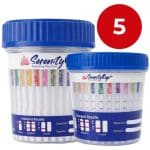
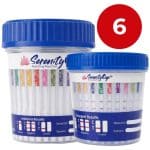
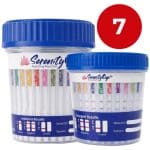
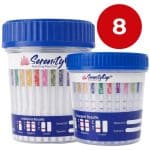
Drug Test Panel Comparison Tool

Understanding Drug Test Panels: A Guide to Choosing the Right One
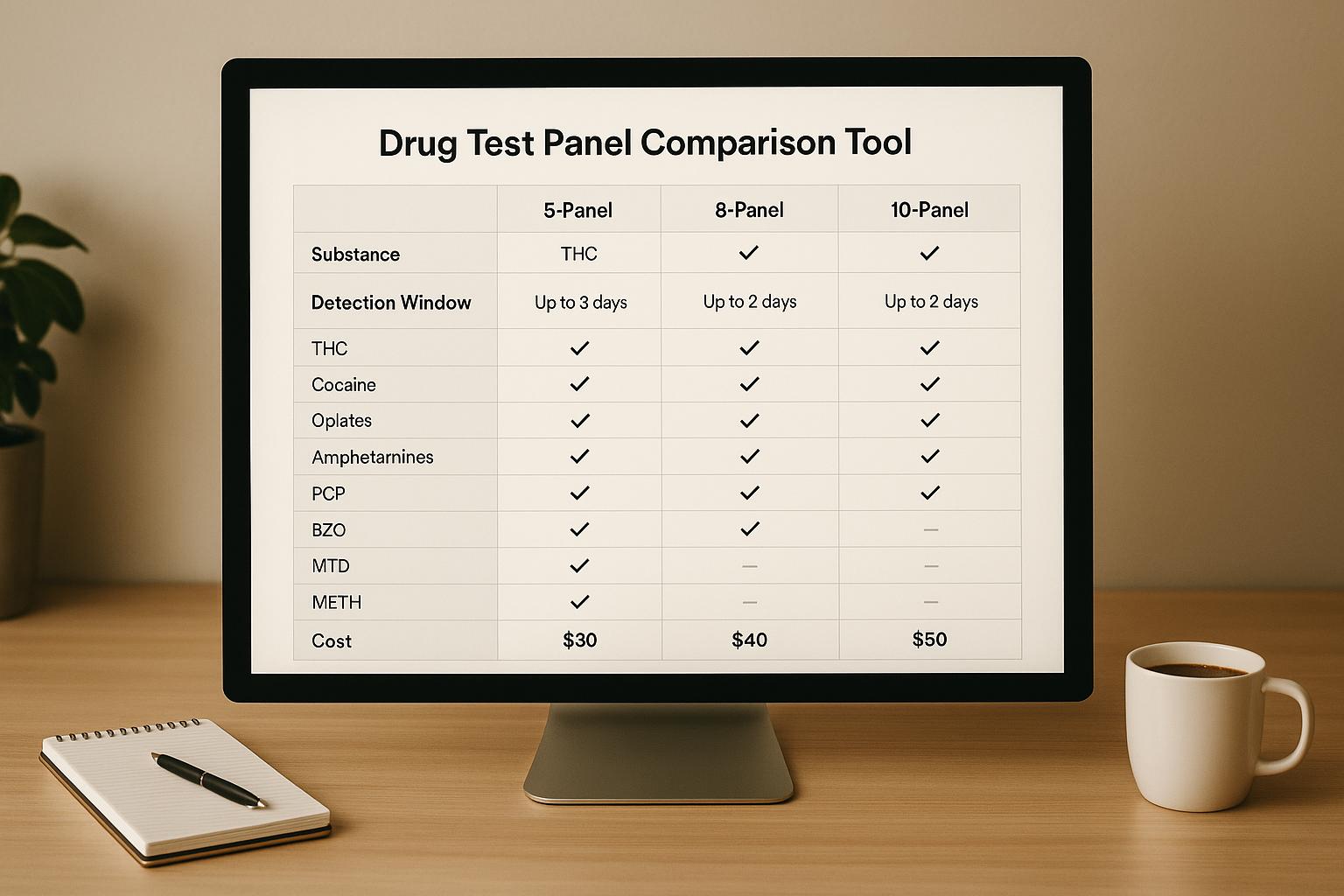
When it comes to drug screening, picking the right panel can feel overwhelming. Whether you’re an employer setting up pre-employment checks, an individual preparing for a legal requirement, or just curious about personal testing, knowing what each option offers is key. A drug test panel comparison can save you time and confusion by breaking down the specifics—substances tested, detection periods, and typical scenarios for use.
Why Compare Testing Options?
Not all tests are created equal. Urine screens are common and affordable, often detecting substances for days or weeks, while hair follicle tests can trace usage back months. Then there’s the scope: a 5-panel might suffice for basic needs, but a broader 10-panel could be necessary for more thorough results. Costs vary too, and so do the situations they’re best suited for. By exploring different drug screening kits side by side, you can pinpoint what matches your priorities without overpaying or missing critical details.
Making an Informed Choice
The beauty of a tailored comparison is clarity. You don’t have to wade through endless websites or guess which option fits. With detailed data on detection windows and use cases, you’ll feel confident in your decision, whether it’s for work, court, or peace of mind.
FAQs
What’s the difference between a 5-panel and a 10-panel drug test?
Great question! A 5-panel medical test typically screens for the most common substances like THC, cocaine, opiates, amphetamines, and PCP. It’s often used for basic employment screening. A 10-panel medical test goes further, adding drugs like benzodiazepines, barbiturates, methadone, propoxyphene, and sometimes ecstasy. It’s more comprehensive and usually chosen for legal cases or higher-risk job roles. Our medical tool lets you see exactly what each panel covers so you’re not guessing.
How long can drugs be detected in different test types?
Detection windows vary a lot depending on the test. Urine tests often catch drugs like THC for up to 3-30 days, depending on usage, while cocaine might only show for 2-4 days. Saliva tests have a shorter window, usually 24-48 hours for most substances. Hair tests? They can detect drugs for up to 90 days or more. Blood tests are less common but super precise for recent use, often within hours to a couple of days. Use our comparison tool to see specific timelines for each panel and substance.
Which drug test panel should I choose for employment screening?
It really depends on the job and industry, but most employers stick with a 5-panel test for standard roles since it covers the basics like marijuana, cocaine, and opiates. If it’s a safety-sensitive position—like driving or operating machinery—some companies opt for a 10-panel to catch a wider range of substances. Check your company’s policy if you can, and use our tool to compare costs and coverage to find what aligns with your needs or expectations.