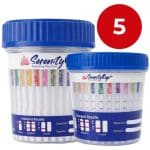
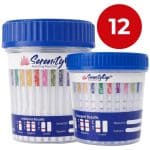
12 Panel Kits: Everything You Need to Know


Nearly 75 percent of adults in recovery say drug testing played a crucial role in their journey, according to the National Institute on Drug Abuse. With substance misuse impacting workplaces, schools, and families across the country, understanding what a 12 panel drug test can detect has never been more relevant. By breaking down exactly which substances these panels target, you can make informed choices for safety, compliance, and personal health.
Table of Contents
- What Do 12 Panel Kits Detect?
- How 12 Panel Drug Tests Work
- Commonly Detected Drugs and Substances
- Industries and Applications of 12 Panel Kits
- Result Interpretation and Limitations
- Legal and Compliance Considerations
Key Takeaways
| Point | Details |
|---|---|
| Comprehensive Detection | 12 panel drug tests can identify a wide range of substances, including stimulants, depressants, opioids, and cannabinoids. |
| Testing Process | The process involves sample collection, initial screening, threshold detection, and confirmatory testing for accuracy. |
| Industry Applications | These tests are crucial across various sectors including healthcare, transportation, and construction, all focused on safety and compliance. |
| Legal Considerations | Proper implementation requires adherence to legal guidelines around consent, confidentiality, and discrimination to protect individual rights. |
What Do 12 Panel Kits Detect?
A 12 panel drug test is a comprehensive screening tool designed to detect multiple substances simultaneously. According to research from Marshall Health, these kits can identify an extensive range of drugs including amphetamines, barbiturates, benzodiazepines, cocaine, and cannabinoids.
The typical 12 panel drug screening covers substances across several key drug categories. These include stimulants like amphetamines and cocaine, depressants such as benzodiazepines and barbiturates, opioids including oxycodone and tramadol, and psychoactive substances like THC (marijuana). What’s in a 12 panel drug test? provides additional details about the specific compounds detected.
Most 12 panel kits are designed to test for the following primary substances:
- Amphetamines
- Barbiturates
- Benzodiazepines
- Buprenorphine
- Cocaine
- Methadone metabolites (EDDP)
- Fentanyl metabolites (Norfentanyl)
- Opiates
- Oxycodone
- Tramadol
- Tricyclic antidepressants
- Cannabinoids (THC)
By providing such comprehensive screening, 12 panel drug tests offer organizations and healthcare professionals a powerful tool for understanding an individual’s potential substance use quickly and efficiently.
How 12 Panel Drug Tests Work
A 12 panel drug test operates through a systematic screening process that analyzes biological samples to detect the presence of multiple substances. According to research from the National Institute on Drug Abuse, these tests typically involve analyzing samples like urine to identify specific drug metabolites quickly and accurately.
Understanding 12-Panel Drug Test: Comprehensive Screening reveals the intricate mechanics of these comprehensive screenings. The testing process generally follows two critical stages: an initial immunoassay screening and a confirmatory test using more advanced techniques like gas chromatography-mass spectrometry (GC-MS).
The testing workflow typically involves these key steps:
- Sample Collection: Obtaining a biological specimen (usually urine)
- Initial Screening: Rapid immunoassay test to detect drug presence
- Threshold Detection: Identifying substances above predetermined concentration levels
- Confirmatory Testing: Utilizing precise laboratory techniques to verify initial results
As the Substance Abuse and Mental Health Services Administration notes, workplace drug testing programs are designed to detect alcohol, illicit drugs, and specific prescription medications through precise scientific methodologies. These comprehensive screenings provide organizations with a powerful tool to maintain safety, productivity, and regulatory compliance.
Commonly Detected Drugs and Substances
12 panel drug tests are designed to identify a comprehensive range of substances that can impact workplace safety, healthcare, and personal well-being. According to research from Marshall Health, these tests can detect multiple drug categories, providing a thorough screening of potential substance use.
The Best 12 Panel Drug Test on the Market highlights the wide spectrum of drugs these tests can identify. The most commonly detected substances fall into several critical categories:
Stimulants:
- Amphetamines
- Cocaine
- MDMA
Depressants:
- Barbiturates
- Benzodiazepines
- Alcohol metabolites
Opioids:
- Heroin
- Hydrocodone
- Oxycodone
- Tramadol
- Fentanyl metabolites
- Methadone metabolites
Other Substances:
- Cannabinoids (THC)
- Tricyclic antidepressants
- Buprenorphine
- PCP
Research from Saginaw Public Health confirms that these comprehensive screenings provide critical insights into an individual’s potential substance use, helping organizations and healthcare professionals make informed decisions about safety, treatment, and support.
Here’s a summary of common substance categories and examples detected by 12 panel drug tests:
| Drug Category | Examples Detected | Notes |
|---|---|---|
| Stimulants | Amphetamines Cocaine MDMA |
Increase alertness |
| Depressants | Barbiturates Benzodiazepines Alcohol metabolites |
Cause sedation and relaxation |
| Opioids | Heroin Hydrocodone Oxycodone Tramadol Fentanyl metabolites Methadone metabolites |
Pain relief & risk of misuse |
| Psychoactive/Other | Cannabinoids (THC) PCP Tricyclic antidepressants Buprenorphine |
Affect perception or mood |
Industries and Applications of 12 Panel Kits
12 panel drug tests play a critical role across multiple industries, serving as a key tool for maintaining safety, productivity, and regulatory compliance.
According to the Substance Abuse and Mental Health Services Administration, workplace drug testing programs are essential for detecting the presence of alcohol, illicit drugs, and specific prescription medications.
Which Industries Drug Test in the U.S.? provides insights into the diverse applications of drug screening. The primary industries utilizing 12 panel drug tests include:
Key Industries Utilizing Drug Tests:
- Healthcare
- Transportation
- Construction
- Manufacturing
- Law Enforcement
- Education
- Government Agencies
- Rehabilitation Centers
Each industry has unique reasons for implementing comprehensive drug screening. For example, transportation companies need to ensure driver safety, while healthcare facilities must protect patient care standards. Manufacturing and construction sectors prioritize workplace safety, reducing accident risks associated with substance use.
Research from the National Institute on Drug Abuse confirms that drug testing serves multiple purposes beyond workplace safety. These tests support individual health monitoring, treatment program compliance, legal requirements, and overall community well-being by providing a systematic approach to identifying potential substance use challenges.
Result Interpretation and Limitations
12 panel drug tests provide valuable screening insights, but understanding their nuanced interpretation is crucial for accurate decision-making. According to the National Institute on Drug Abuse, initial drug screens can deliver rapid results while also presenting potential complexities that require careful consideration.
Comprehensive Drug Test Interpretation Guide highlights the critical aspects of result analysis. Drug test results typically fall into three primary categories:
Test Result Categories:
- Negative: No detected substances above threshold levels
- Presumptive Positive: Initial indication of substance presence
- Confirmed Positive: Verified through additional testing methods
Key limitations and considerations include:
- Potential for false positives due to certain medications
- Variations in individual metabolic processing
- Detection window differences across substances
- Possibility of inconclusive results
The Substance Abuse and Mental Health Services Administration emphasizes that confirmatory testing is essential for ensuring accuracy. Professional interpretation requires understanding these nuances, considering individual circumstances, and avoiding hasty conclusions based solely on initial screening results.
Legal and Compliance Considerations
12 panel drug tests require meticulous attention to legal and ethical frameworks to ensure proper implementation and protection of individual rights. According to the Substance Abuse and Mental Health Services Administration, workplace drug testing programs must rigorously comply with local, state, and federal regulations.
Workplace Drug Testing Checklist: 8 Essential Steps provides crucial guidance on navigating complex legal landscapes. Key legal considerations include:
Critical Legal Compliance Elements:
- Obtaining informed consent from individuals
- Maintaining strict confidentiality of test results
- Ensuring non-discriminatory testing practices
- Following precise chain of custody protocols
- Protecting individual privacy rights
- Adhering to Americans with Disabilities Act guidelines
- Respecting state-specific drug testing regulations
The National Institute on Drug Abuse emphasizes that drug testing should never be used in isolation but as part of a comprehensive approach. Organizations must balance legitimate safety concerns with individual privacy protections, recognizing that these tests are screening tools, not definitive diagnostic instruments. Proper implementation requires ongoing legal consultation, regular policy reviews, and a commitment to fair, transparent testing procedures.
Discover Reliable 12 Panel Kits Tailored to Your Drug Screening Needs
Navigating the complexities of comprehensive drug testing can feel overwhelming. The article highlights how 12 panel drug tests detect a wide range of substances, from opioids to stimulants, with precise processes that require trusted supplies for accurate results. If you are seeking a dependable partner to help you maintain workplace safety and regulatory compliance while managing challenges like result interpretation and industry-specific demands, you are in the right place.
12 Panel Now offers high-quality drug testing supplies designed specifically to support healthcare, law enforcement, and workplace professionals. We understand the importance of accuracy and reliability when testing for substances such as barbiturates, fentanyl metabolites, and cannabinoids. Our products empower you to confidently implement screening programs without concern over supply quality or availability.
Take control of your testing process today with trusted tools from 12 Panel Now. Browse our selection and gain peace of mind in every test you administer.
Ready to simplify your drug screening? Explore our full range of supplies now.
Consider the benefits of shopping with a dedicated drug testing supplier who puts your needs first.
Need to learn more on how 12 panel tests work or their common applications? Check out What Does 12 Panel Test Test For and Which Industries Drug Test in the U.S.?
Achieve accurate results with quality supplies from your trusted partner. Visit 12 Panel Now and get started.
Frequently Asked Questions
What substances are detected by a 12 panel drug test?
A 12 panel drug test detects a wide range of substances, including amphetamines, barbiturates, benzodiazepines, cocaine, opioids, and cannabinoids (THC), among others. This test covers stimulants, depressants, opioids, and psychoactive substances.
How does a 12 panel drug test work?
A 12 panel drug test typically involves a two-stage process: an initial immunoassay screening followed by confirmatory testing using techniques like gas chromatography-mass spectrometry (GC-MS). Samples, usually urine, are collected and analyzed to determine the presence of drugs and their metabolites.
What are the main industries that use 12 panel drug tests?
12 panel drug tests are widely used in various industries, including healthcare, transportation, construction, manufacturing, law enforcement, education, government agencies, and rehabilitation centers. Each industry has specific reasons for implementing drug testing, primarily linked to safety and compliance.
What should I know about the accuracy of 12 panel drug tests?
While 12 panel drug tests provide rapid results, accuracy can vary. There are potential limitations, including false positives due to medications and different individual metabolic processes. Confirmatory testing is essential for verifying results and ensuring accurate interpretation.