Complete Guide to the Role of Alcohol Testing


More than 28 million Americans admit to drinking before getting behind the wheel each year. Alcohol testing matters because it helps keep workplaces and public spaces safer while offering clear facts in legal and medical settings. By understanding how these tests work and why professionals use specific methods, you can make informed decisions whether at work, on the road, or during health assessments.
Table of Contents
Key Takeaways
| Point | Details |
|---|---|
| Purpose | Crucial for assessing ethanol levels in biological samples, supporting workplace safety, legal cases, and rehabilitation programs. |
| Testing Methods | Various methods such as breath, urine, blood, and saliva tests are employed, each with distinct advantages and limitations impacting their application. |
| Workplace and Law Enforcement Roles | Alcohol testing is vital in workplaces to enhance safety and productivity, while law enforcement uses it for public safety and legal evidence. |
| Compliance and Best Practices | Organizations must adhere to legal standards for testing while implementing best practices to mitigate risks, ensuring accuracy and respect for employee rights. |
Defining Alcohol Testing and Its Purpose
Alcohol testing is a sophisticated forensic and scientific process designed to detect and measure the presence of ethanol in human biological samples. According to forensic toxicology research from Minnesota’s Department of Public Safety, this technique determines alcohol concentration in fluids and tissues to assess how substances potentially modify human behavior or contribute to critical incidents.
The primary purpose of alcohol testing extends across multiple critical domains. Alcohol Saliva Test Strips are utilized in various settings including workplace safety, legal proceedings, medical evaluations, and substance abuse monitoring. These tests help organizations and professionals understand an individual’s current alcohol consumption levels and potential impairment risks.
Substance use testing technologies employ advanced methodological approaches to detect alcohol presence. As research from the United States Courts indicates, these testing mechanisms serve multiple objectives:
-
- Monitoring individual substance consumption patterns
- Supporting rehabilitation and treatment programs
- Ensuring workplace and public safety
- Providing objective evidence for legal and medical assessments
Alcohol testing methods vary widely, including breath analysis, blood tests, urine screening, and saliva testing. Each method offers unique advantages in terms of detection window, accuracy, and ease of administration. Professionals select specific testing approaches based on the particular context and required precision of alcohol measurement.
Key Types of Alcohol Testing Methods
Breath alcohol testing represents one of the most prevalent and immediate methods for detecting alcohol consumption. According to research from the National Highway Traffic Safety Administration, these tests encompass multiple sophisticated technologies including evidential breath alcohol measurement devices and screening mechanisms for bodily fluids.
Urine alcohol testing offers another critical method for detecting recent alcohol consumption. The primary methods of alcohol testing include:
-
- Breath Tests: Utilize breathalyzer technology to measure blood alcohol concentration
- Urine Tests: Detect alcohol metabolites for longer detection windows
- Blood Tests: Provide the most precise measurement of current alcohol levels
- Saliva Tests: Offer quick, non-invasive screening options
Breath-testing techniques, as confirmed by the National Institutes of Health, are particularly effective for confirming alcohol intoxication within recent hours. These tests work by measuring the concentration of alcohol exhaled from the lungs, which directly correlates with blood alcohol levels. The sensitivity and rapid results make breath tests a preferred method in law enforcement, workplace screening, and medical evaluations.
Each alcohol testing method has unique advantages and limitations. Professionals select specific testing approaches based on the required detection window, accuracy needs, and practical constraints of the particular testing scenario. From roadside sobriety checks to workplace safety protocols, the choice of alcohol testing method can significantly impact the precision and effectiveness of substance monitoring.
Here’s a comparison of key alcohol testing methods and their characteristics:
| Testing Method | Detection Window | Advantages | Limitations |
|---|---|---|---|
| Breath Test | Hours | Fast results Non-invasive |
Short window Less precise at low levels |
| Urine Test | 12-48 hours | Longer detection Simple collection |
Possible false positives Less current use info |
| Blood Test | Up to 12 hours | Most accurate Legal standard |
Invasive Requires lab processing |
| Saliva Test | 12-24 hours | Quick Non-invasive |
Shorter window Lower sensitivity |
Alcohol Testing in Workplaces and Law Enforcement
Workplace drug testing programs play a critical role in maintaining safety and productivity across various industries. According to the Substance Abuse and Mental Health Services Administration, these programs are strategically designed to detect the presence of alcohol and other substances that could compromise workplace performance and safety.
Law enforcement agencies rely extensively on alcohol testing to ensure public safety. Best practices for drug testing provide comprehensive protocols for systematic substance screening. As documented by the Wisconsin State Laboratory of Hygiene’s Forensic Toxicology section, alcohol analysis supports critical investigations including:
-
- Impaired driving cases
- Criminal investigations
- Traffic safety enforcement
- Workplace incident assessments
Workplace alcohol testing serves multiple objectives beyond immediate safety. Organizations implement these programs to:
-
- Reduce workplace accidents
- Minimize potential liability
- Ensure employee health and productivity
- Create a safer working environment
Forensic alcohol testing in law enforcement goes beyond simple detection. These sophisticated processes help reconstruct events, provide legal evidence, and support comprehensive public safety strategies.
From roadside breathalyzer tests to detailed toxicology reports, alcohol testing remains a crucial tool in maintaining societal safety and individual accountability.
Legal Requirements and Compliance Standards
Alcohol testing compliance represents a complex legal landscape that organizations must carefully navigate. According to the Substance Abuse and Mental Health Services Administration, workplace drug testing programs must meticulously adhere to local, state, and federal legal standards to ensure both effectiveness and legal protection.
The National Highway Traffic Safety Administration plays a crucial role in establishing rigorous standards for alcohol testing devices. Workplace Drug Testing Checklist provides essential guidance for organizations implementing comprehensive testing protocols. Legal compliance involves multiple critical considerations:
-
- Maintaining strict chain of custody for test samples
- Protecting employee privacy rights
- Ensuring accuracy of testing equipment
- Following standardized testing procedures
- Implementing consistent and non-discriminatory testing practices
Key legal requirements for alcohol testing encompass several fundamental principles. Organizations must develop clear policies that outline testing circumstances, consequences, and employee rights. These policies should address:
-
- Consent and notification procedures
- Confidentiality of test results
- Rehabilitation and support options
- Disciplinary actions for positive tests
- Appeals processes for contested results
Comprehensive alcohol testing programs require ongoing legal vigilance. Regulations continuously evolve, demanding that organizations remain adaptive and informed about changing legal landscapes. Successful implementation balances organizational safety needs with robust protection of individual employee rights.
Risks, Limitations, and Best Practices
Alcohol testing technologies present complex challenges that organizations must carefully understand and navigate. According to research from the National Center for Biotechnology Information, breath-testing techniques, while widely used, can be significantly impacted by individual physiological variations and metabolic differences.
Drug Free Driving at Work highlights critical limitations in substance detection technologies. The key risks and limitations of alcohol testing include:
-
- Potential variations in individual metabolic processing
- Short detection windows for alcohol presence
- Potential for false positive or false negative results
- Technological limitations in precise measurement
- Privacy and consent complications
Best practices for effective alcohol testing involve comprehensive strategies that address these inherent challenges. Organizations should implement:
-
- Regular calibration of testing equipment
- Comprehensive staff training on testing protocols
- Multiple confirmation testing methods
- Clear communication of testing procedures
- Confidential and respectful testing environments
Successful alcohol testing programs require a nuanced approach that balances technological capabilities with ethical considerations. By understanding the limitations and implementing rigorous protocols, organizations can create testing strategies that are both scientifically sound and respectful of individual rights. Continuous education, technological updates, and a commitment to fairness remain crucial in developing effective substance screening processes.
Enhance Your Alcohol Testing Programs with Reliable Supplies
Alcohol testing plays a crucial role in maintaining workplace safety, supporting legal compliance, and ensuring accurate substance monitoring. However, challenges like selecting the right testing methods, managing privacy concerns, and guaranteeing test accuracy can create significant hurdles for organizations. Whether your goal is to implement breath, urine, or saliva testing efficiently or to meet strict legal requirements, having access to trusted and high-quality testing supplies is essential for success.
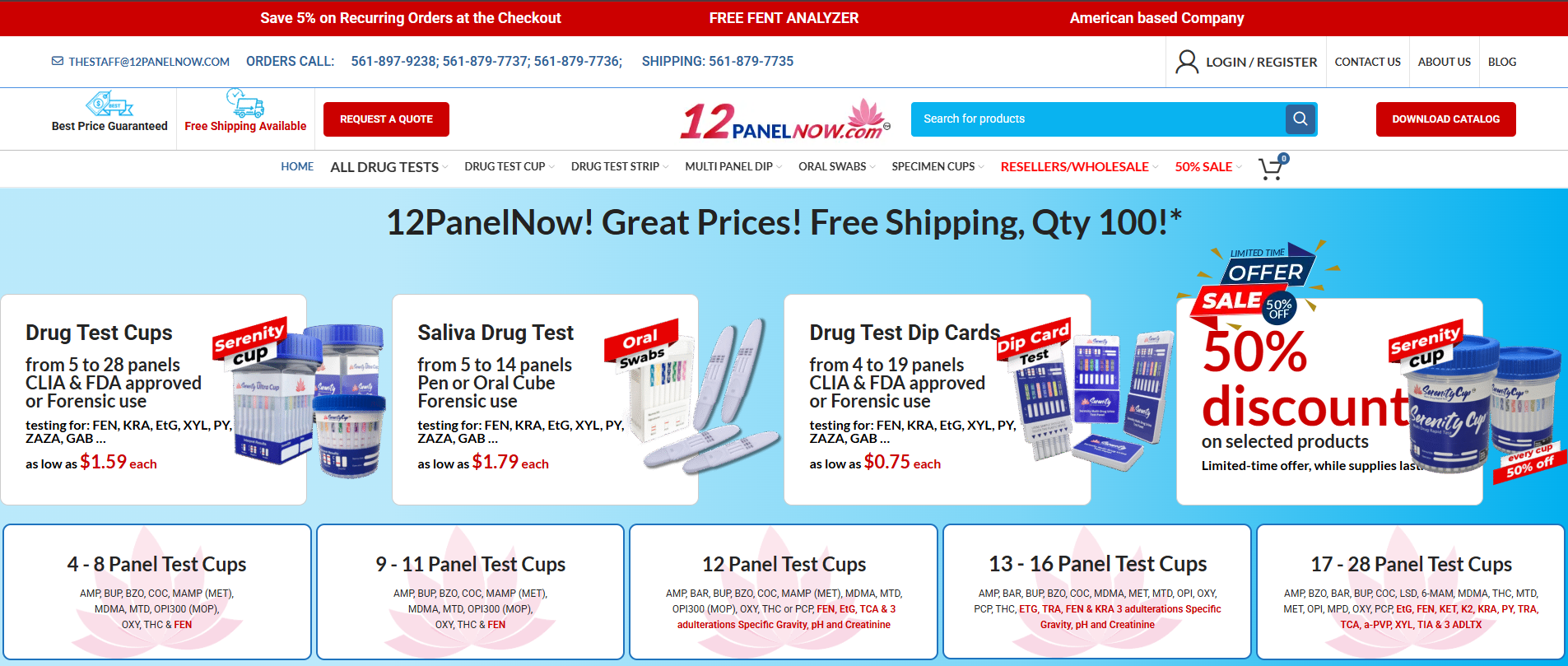
Take control of your alcohol testing process today by partnering with a supplier that understands your needs. At 12 Panel Now, you will find dependable testing supplies designed to help you achieve precise and compliant testing results. Explore our range of products tailored for workplaces, law enforcement agencies, and healthcare providers. Start building a safer and more compliant environment now by visiting 12 Panel Now and discover the tools you need to support your comprehensive alcohol testing program.
Frequently Asked Questions
What is the purpose of alcohol testing?
Alcohol testing is designed to detect and measure the presence of ethanol in biological samples, assessing an individual’s alcohol consumption levels and potential impairment. It is used in various domains, including workplace safety, legal proceedings, and substance abuse monitoring.
What are the main types of alcohol testing methods?
The primary alcohol testing methods include breath tests, urine tests, blood tests, and saliva tests. Each method has its advantages and limitations in terms of detection window, accuracy, and ease of administration.
How does breath alcohol testing work?
Breath alcohol testing measures the concentration of alcohol in exhaled breath, which correlates with blood alcohol levels. This method is fast, non-invasive, and commonly used in law enforcement and workplace screenings to determine recent alcohol consumption.
What should organizations consider for legal compliance in alcohol testing?
Organizations must adhere to legal standards concerning employee rights, consent, confidentiality of test results, and standardized testing procedures while ensuring the accuracy of testing equipment and maintaining a strict chain of custody for test samples.
Recommended
-
- Workplace Drug Testing Checklist: 8 Essential Steps – 12PanelNow | 12 Panel Drug Test | Free Shipping
- 7 Best Practices for Drug Testing Every Organization Should Know – 12PanelNow | 12 Panel Drug Test | Free Shipping
- Alcohol Saliva Test Strips | As Low As $0.49 | 12 Panel Now
- Drug Testing FAQs: Common Questions Answered – 12PanelNow | 12 Panel Drug Test | Free Shipping
- 7 Essential DUI Defense Strategies 2025 For Quick Relief – DUI Defense Finder