Saliva Drug Testing Explained: Benefits and Uses


Over eighty percent of employers now use some form of workplace drug testing. With such high stakes, the need for accurate and timely results has never been greater. Saliva drug testing stands out by offering quick, non-invasive screening that detects substance use within the past day or two. This method gives both businesses and healthcare providers a reliable picture of recent drug consumption, making it an increasingly popular choice for maintaining safety and compliance in today’s environments.
Table of Contents
- What Is Saliva Drug Testing? Core Principles
- How Saliva Drug Testing Works in Practice
- Key Benefits Over Other Drug Screening Methods
- Legal Requirements and Workplace Compliance
- Common Issues and Proper Use Guidelines
Key Takeaways
| Point | Details |
|---|---|
| Non-Invasive Testing | Saliva drug testing is a non-invasive method that allows for immediate detection of recent drug use, typically within 24-48 hours. |
| Accurate & Quick | The procedure is efficient, with results available in 5-10 minutes, making it suitable for various professional applications. |
| Legal Compliance | Employers must establish clear policies and maintain employee privacy while adhering to legal standards for drug testing. |
| Potential Issues | To ensure accuracy, it is crucial to follow rigorous testing standards and protocols to prevent contamination and false results. |
What Is Saliva Drug Testing? Core Principles
Saliva drug testing represents a sophisticated screening method that allows professionals to detect recent drug use through oral fluid analysis. According to the National Institute of Justice, this non-invasive approach provides a direct window into an individual’s recent substance consumption by examining the biochemical traces present in saliva.
Saliva testing works through a scientifically precise mechanism that captures drug metabolites shortly after consumption. As research from PubMed indicates, the process depends on multiple critical factors:
- Drug chemical properties
- Salivary pH levels
- Protein binding characteristics
- Time elapsed since substance intake
The core principle behind saliva drug testing involves detecting substances that have been recently introduced into an individual’s system. Unlike traditional urine or blood tests, saliva screening offers several unique advantages:
- Immediate detection window (typically 24-48 hours)
- Minimally invasive collection method
- Difficult to tamper with or substitute
- Provides real-time evidence of recent drug use
Professionals across various sectors – from workplace safety managers to healthcare providers – rely on saliva drug testing as a quick, reliable method to assess recent substance consumption. By analyzing oral fluid, these tests can identify the presence of multiple drug categories, including marijuana, cocaine, amphetamines, and opioids, making them an essential tool in maintaining safety and compliance.
For those seeking more detailed insights, our comprehensive guide on saliva test kits offers an in-depth exploration of how these innovative screening tools function.
How Saliva Drug Testing Works in Practice
Saliva drug testing transforms theoretical detection principles into a precise, systematic procedure designed for real-world applications. According to the National Institute of Justice, the process involves collecting oral fluid samples under direct supervision to prevent potential tampering and ensure accurate results.
The practical implementation of saliva drug screening follows a structured sequence of steps:
- Sample Collection
- Use specialized oral fluid collection devices
- Collect sample directly under professional supervision
- Ensure minimum required fluid volume
- Initial Screening
- Perform rapid immunoassay testing
- Detect presence of specific drug metabolites
- Provide preliminary positive/negative result
- Confirmation Testing
- Conduct advanced laboratory analysis
- Use gas chromatography or mass spectrometry
- Verify initial screening results with high precision
As recommended by the Substance Abuse and Mental Health Services Administration, maintaining strict chain-of-custody protocols is critical throughout the testing process. This ensures the integrity and legal admissibility of test results across various professional settings.
The entire procedure typically takes 5-10 minutes, making saliva drug testing an exceptionally efficient screening method. Learn more about oral fluid testing techniques to understand the nuanced technological advancements driving these sophisticated diagnostic tools.
Key Benefits Over Other Drug Screening Methods
Saliva drug testing represents a significant advancement in substance screening technology, offering unique advantages that set it apart from traditional drug testing methods. According to the National Institute of Justice, this approach provides critical benefits including non-invasive collection, the ability to detect recent drug use, and a reduced risk of sample manipulation.
Comparative Advantages of saliva drug testing include:
- Immediate Detection Window
- Minimal Privacy Invasion
- Difficult Sample Tampering
- Cost-Effective Screening
- Quick Result Turnaround
Research from PubMed highlights the key distinctions between saliva and alternative testing methods. While traditional urine and blood tests have longer detection windows, saliva testing provides a more precise snapshot of recent substance consumption, making it invaluable in scenarios requiring immediate and accurate insights.
Practical advantages extend across multiple professional domains:
- Workplace Safety: Real-time impairment detection
- Law Enforcement: Roadside substance screening
- Healthcare: Quick diagnostic assessments
- Rehabilitation Centers: Monitoring recent drug use
The technical superiority of saliva drug testing becomes evident when comparing collection processes and accuracy.
Unlike invasive blood draws or inconvenient urine collections, oral fluid testing offers a dignified, straightforward approach that maintains individual comfort while delivering reliable results.
Here’s a comparison of saliva drug testing and traditional screening methods:
| Feature | Saliva Testing | Urine Testing | Blood Testing |
|---|---|---|---|
| Detection Window | 24-48 hours | 2-7 days | Hours to 2 days |
| Invasiveness | Non-invasive | Moderately invasive | Highly invasive |
| Tamper Resistance | Difficult to tamper | Moderate risk of fraud | Difficult to tamper |
| Result Turnaround | 5-10 minutes | 1-2 days | Several hours to days |
| Sample Collection Ease | Simple, witnessed | Requires restroom | Requires trained staff |
| Privacy Concerns | Minimal | Moderate | Highest |
Explore our comprehensive comparison of oral swab versus urine tests to understand the nuanced advantages of this cutting-edge screening methodology.
Legal Requirements and Workplace Compliance
Navigating the complex landscape of workplace drug testing requires a comprehensive understanding of legal frameworks and regulatory requirements. According to SAMHSA, employers must carefully implement drug-free workplace policies that balance organizational safety with employee rights, particularly under the Drug-Free Workplace Act of 1988.
Key Legal Compliance Elements include:
- Developing Clear Testing Policies
- Ensuring Employee Privacy
- Maintaining Confidentiality
- Following Standardized Testing Procedures
- Providing Employee Education
The American Legislative Exchange Council highlights critical considerations for lawful drug testing, emphasizing the importance of establishing transparent protocols that protect both employer interests and employee dignity. Successful implementation requires a strategic approach that goes beyond simple screening.
Workplace drug testing compliance encompasses several critical dimensions:
- Constitutional Privacy Protections
- Medical Information Confidentiality
- Non-Discriminatory Testing Practices
- Consistent Policy Application
- Reasonable Suspicion Standards
Employers must craft nuanced policies that respect individual rights while maintaining workplace safety. This delicate balance involves clear communication, consistent implementation, and a commitment to fair, objective testing procedures.
Discover our comprehensive guide to best practices for organizational drug testing to ensure your workplace remains both compliant and supportive.
Common Issues and Proper Use Guidelines
Saliva drug testing, while innovative and effective, requires meticulous attention to detail to ensure accurate and legally defensible results. According to SAMHSA, employers must proactively address potential challenges by consulting legal experts and establishing clear, consistent protocols for testing procedures.
Critical Potential Issues in saliva drug testing include:
- Improper Sample Collection
- Contamination Risks
- False Positive/Negative Results
- Privacy Violation Concerns
- Inconsistent Testing Protocols
The fundamental challenge lies in maintaining rigorous testing standards. SAMHSA’s Oral Fluid Collection Manual emphasizes the importance of standardized collection procedures, which involve:
- Using Approved Collection Devices
- Maintaining Strict Chain-of-Custody Documentation
- Following Precise Sample Handling Protocols
- Ensuring Proper Staff Training
- Implementing Quality Control Measures
Successful implementation requires a comprehensive approach that balances technical precision with respect for individual rights. Organizations must develop clear communication strategies, provide comprehensive training to supervisors, and establish transparent policies that outline testing procedures, potential consequences, and employee protections.
Explore our workplace drug testing checklist for essential implementation steps to navigate the complex landscape of drug screening with confidence and compliance.
Simplify Saliva Drug Testing with Trusted Supplies from 12 Panel Now
Understanding the benefits and practical uses of saliva drug testing highlights the need for accurate and tamper-resistant testing tools. The article emphasizes challenges like ensuring proper sample collection, maintaining chain of custody, and obtaining quick, reliable results. If you are managing workplace safety or healthcare screening, you know how important it is to use high-quality saliva test kits and supplies that support these goals while respecting privacy and legal standards.
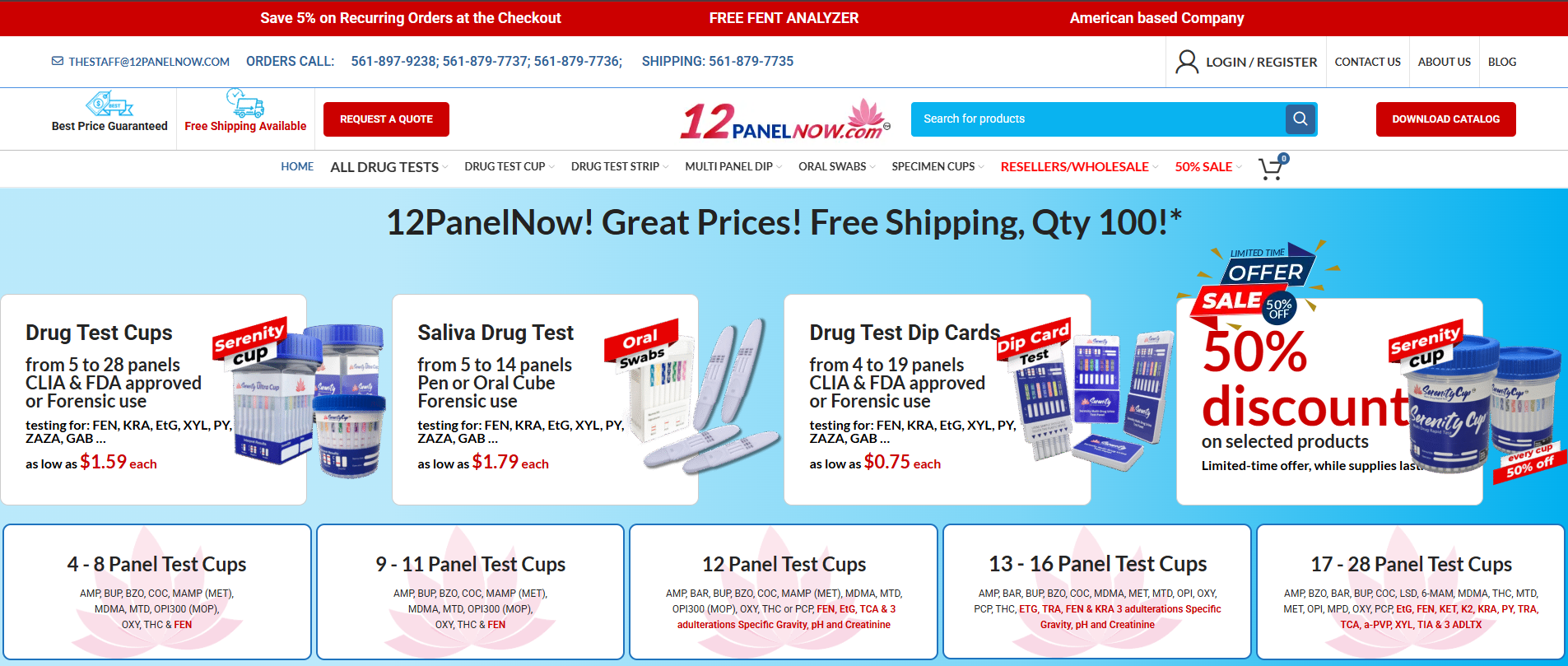
Take control of your drug screening process today by choosing from our full range of reliable products designed for ease of use and rapid results. Visit Drug Test – 12PanelNow | 12 Panel Drug Test | Free Shipping to browse our selection. For more detailed information on different types of tests and protocols, explore our Complete Drug Test Knowledge Base – 12 Panel Now. If you want to address common questions and clarify testing procedures, our Drug Testing FAQs: Unravel the Mysteries about Drug Testing is an excellent resource. Start now at https://12panelnow.com and equip your organization with trusted tools that make saliva drug testing straightforward and effective.
Frequently Asked Questions
What is saliva drug testing?
Saliva drug testing is a non-invasive screening method that detects recent drug use by analyzing oral fluid for drug metabolites. It allows professionals to gather information about an individual’s substance consumption within a short period after use.
How does saliva drug testing work in practice?
The process involves collecting saliva samples using specialized collection devices under supervision, performing initial rapid tests for specific drug metabolites, and then confirming results with advanced lab analyses if needed.
What are the main benefits of saliva drug testing compared to urine or blood tests?
Saliva drug testing offers several advantages including a shorter detection window (typically 24-48 hours), non-invasive sample collection, higher tamper resistance, quick result turnaround (5-10 minutes), and minimal privacy invasion.
What legal considerations should employers be aware of when implementing saliva drug testing?
Employers must develop clear testing policies that ensure employee privacy, maintain confidentiality, follow standardized procedures, and comply with regulations. It’s essential to balance workplace safety with the rights of employees while establishing transparent protocols.
Recommended
- Saliva Test Kits Explained: How They Work and What They Detect – 12PanelNow | 12 Panel Drug Test | Free Shipping
- Common Drugs Detected by Sweat Patches – 12PanelNow | 12 Panel Drug Test | Free Shipping
- How Oral Fluid Drug Tests Work – 12PanelNow | 12 Panel Drug Test | Free Shipping
- Future Trends in Oral Fluid Testing – 12PanelNow | 12 Panel Drug Test | Free Shipping