The Essential Guide to the Role of Drug Test Cups


Over 55 percent of U.S. employers now rely on drug test cups as part of their screening protocols. Companies and healthcare providers face ongoing challenges when it comes to quickly and accurately identifying substance use in a range of settings. Understanding the different types, functions, and proper use of these cups can help organizations avoid costly mistakes and ensure trust in results.
Table of Contents
- Role and Function of Drug Test Cups
- Types of Drug Test Cups and Their Differences
- How Drug Test Cups Work: Step-by-Step Process
- Legal Standards and Compliance in Drug Testing
- Applications in Workplace, Healthcare, and Beyond
- Common Mistakes and Quality Assurance Tips
Key Takeaways
| Point | Details |
|---|---|
| Rapid Screening | Drug test cups enable quick analysis of urine samples for multiple drugs, making them essential in workplaces and healthcare settings. |
| Variety of Configurations | Different panel types (5, 10, 12, and 16-panels) cater to specific screening requirements, enhancing detection capabilities. |
| Legal Compliance | Organizations must adhere to strict legal standards for drug testing, including privacy protection and documentation of test procedures. |
| Quality Assurance | Accuracy in drug testing is critical; following proper protocols and avoiding common mistakes ensures reliable results. |
Role and Function of Drug Test Cups
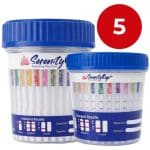
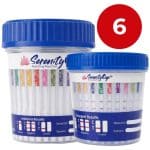
Drug test cups are critical diagnostic tools designed to rapidly screen biological samples for the presence of multiple drug substances. According to the National Institute on Drug Abuse, these devices provide quick and efficient screening in various professional environments, including workplaces and healthcare facilities.
The primary function of drug test cups involves collecting and immediately analyzing urine samples to detect specific substances. They typically feature multiple panel configurations that can simultaneously screen for different drugs like marijuana, cocaine, amphetamines, opiates, and other controlled substances. Cleveland Clinic confirms these cups are widely utilized for pre-employment screening and monitoring substance use treatment programs.
Key components and operational characteristics of drug test cups include:
- Integrated testing strips within the cup
- Color-coded result indicators
- Ability to detect multiple drug categories simultaneously
- Disposable and single-use design
- Portable and easy to administer without specialized laboratory equipment
Professional settings frequently leverage drug test cups across diverse contexts such as workplace safety protocols, legal compliance, rehabilitation monitoring, and health screening processes. Their rapid result generation and user-friendly design make them an indispensable tool in contemporary drug detection strategies.
Types of Drug Test Cups and Their Differences
Drug test cups come in various configurations, each designed to meet specific screening requirements across different professional and medical contexts. According to Mercedes Scientific, these cups range from 12-panel to 16-panel configurations, with each panel representing a unique drug or drug class for comprehensive substance screening.
The primary types of drug test cups are differentiated by their panel count and the specific substances they can detect. Common configurations include:
- 5-Panel Drug Test Cups: Screen for basic substances like marijuana, cocaine, opiates, amphetamines, and PCP
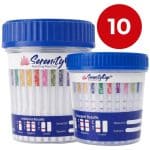
- 10-Panel Drug Test Cups: Include additional substances such as benzodiazepines, barbiturates, and methadone
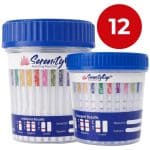
- 12-Panel Drug Test Cups: Offer the most comprehensive screening, adding substances like ecstasy and oxycodone
- 16-Panel Drug Test Cups: Provide the most extensive drug detection capabilities
Professional settings choose drug test cup configurations based on their specific needs. 5-panel drug test cups are often used in basic employment screenings, while more complex 12 or 16-panel options are preferred in healthcare, legal, and rehabilitation environments that require more detailed substance monitoring.
The key differences between drug test cup types lie in their detection range, sensitivity, and specificity. Higher panel counts typically mean more comprehensive screening, allowing organizations to detect a broader spectrum of potential substance use. Factors like cost, testing requirements, and industry regulations ultimately influence the selection of appropriate drug test cup configurations.
Here’s a comparison of common drug test cup panel configurations and their screening capabilities:
| Panel Type | Typical Substances Detected | Common Use Cases |
|---|---|---|
| 5-Panel | Marijuana Cocaine Opiates Amphetamines PCP |
Basic employment screening Workplace safety |
| 10-Panel | 5-Panel drugs Benzodiazepines Barbiturates Methadone Methamphetamine Propoxyphene |
Expanded workplace testing Healthcare settings |
| 12-Panel | 10-Panel drugs Ecstasy (MDMA) Oxycodone |
Comprehensive screening Substance abuse treatment |
| 16-Panel | 12-Panel drugs Additional prescription & synthetic drugs |
Legal compliance Judicial and rehab programs |
How Drug Test Cups Work: Step-by-Step Process
Drug test cups represent a sophisticated Non-Instrumented Drug Test (NIDT) technology designed for rapid and efficient substance screening. According to the US Courts Reference Guide, these handheld immunoassay devices are available in multiple formats including cups, cassettes, slides, and dipsticks, providing flexible options for various testing environments.
The comprehensive drug testing process involves several critical steps:
- Sample Collection: An individual provides a urine specimen directly into the drug test cup
- Immunoassay Reaction: Testing strips inside the cup interact with specific drug metabolites
- Color Indicator Activation: Colored lines appear to indicate presence or absence of substances
- Result Interpretation: Test lines are compared against control lines to determine results
The Substance Abuse and Mental Health Services Administration emphasizes precise specimen collection procedures to ensure accurate testing outcomes. Professional technicians follow strict protocols to minimize contamination and ensure reliable results. Factors like sample volume, handling temperature, and timing play crucial roles in maintaining test integrity.
Additional key considerations in drug test cup operation include:
- Standardized waiting periods for result development
- Clear visual indicators for different substance concentrations
- Built-in temperature strips to verify sample authenticity
- Tamper-evident design to prevent specimen manipulation
Professional settings rely on these nuanced testing mechanisms to provide quick, accurate substance screening across various environments.
Legal Standards and Compliance in Drug Testing
Drug testing involves complex legal frameworks that require organizations to navigate intricate compliance requirements. According to the Substance Abuse and Mental Health Services Administration, workplace drug testing programs must rigorously adhere to local, state, and federal legal standards to ensure both organizational protection and individual rights.
Key legal compliance considerations for drug testing include:
- Privacy Protection: Maintaining strict confidentiality of test results
- Consent Requirements: Obtaining explicit written consent from individuals
- Non-Discrimination Guidelines: Applying testing protocols consistently across all employees
- Reasonable Suspicion Standards: Establishing clear, objective criteria for initiating testing
- Chain of Custody Documentation: Maintaining comprehensive documentation of specimen handling
The US Courts Reference Guide highlights that substance use testing methodologies must comply with rigorous legal standards, including utilizing approved testing devices and maintaining precise documentation procedures.
Professional organizations must also consider workplace drug testing best practices that balance legal compliance with ethical considerations. This includes implementing clear testing policies, providing employee education, and ensuring that drug testing procedures are transparent, consistent, and designed to support workplace safety and individual well-being.
Applications in Workplace, Healthcare, and Beyond
Drug test cups serve critical functions across multiple professional and medical domains, providing essential screening capabilities in diverse environments. According to the National Institute on Drug Abuse, these diagnostic tools are utilized in various settings to monitor substance use and inform critical treatment and safety decisions.
Key application areas for drug test cups include:
- Workplace Safety: Pre-employment screening and random employee testing
- Healthcare Settings: Patient monitoring, treatment program compliance
- Legal and Judicial Systems: Probation monitoring and court-ordered substance screening
- Educational Institutions: Student athlete programs and campus safety protocols
- Rehabilitation Centers: Treatment progress tracking and recovery support
The Cleveland Clinic confirms that drug tests play a pivotal role in pre-employment screening and substance use treatment program monitoring. Professional organizations increasingly recognize these tools as essential for maintaining workplace safety, reducing liability, and supporting individual and collective well-being.
With substance abuse impacting workplace productivity, drug test cups offer a critical intervention mechanism. Beyond immediate screening, they serve as a preventative tool, helping organizations create safer, more supportive environments by identifying potential substance-related challenges early and enabling proactive support and intervention strategies.
Common Mistakes and Quality Assurance Tips
Ensuring accurate drug test results requires meticulous attention to detail and understanding potential pitfalls in the testing process. According to the Substance Abuse and Mental Health Services Administration, proper urine specimen collection is fundamental to maintaining the integrity of drug testing procedures.
Common mistakes that can compromise drug test accuracy include:
- Improper Sample Handling: Incorrect temperature or contamination risks
- Inadequate Chain of Custody: Failing to document specimen transfer
- Timing Errors: Not following precise waiting periods for result development
- Environmental Contamination: Exposure to external substances
- Operator Error: Misinterpreting test results or using expired test cups
The US Courts Reference Guide emphasizes the critical importance of following rigorous methodologies to ensure reliable drug testing outcomes. Quality assurance strategies are essential to mitigate these potential errors and maintain testing credibility.
To maximize testing reliability, professionals should implement comprehensive drug testing protocols. This includes regular staff training, maintaining strict handling procedures, using high-quality testing supplies, implementing double-check systems, and staying updated on the latest testing technologies and best practices. Consistent quality control measures protect both the testing organization and the individuals being tested.
Discover Reliable Solutions for Effective Drug Screening
Understanding the crucial role drug test cups play in quick and accurate substance detection highlights the urgent need for dependable testing supplies. Whether you are managing workplace safety, healthcare screenings, or legal compliance, the challenge is clear: you must have trusted, easy-to-use drug test cups that offer comprehensive results without hassle or delay.
At 12 Panel Now, we recognize these demands and support your goals for accuracy and compliance with our wide selection of high-quality drug test cups. Our collection caters to various professional settings and panel configurations, perfectly aligning with the detailed substance screening your organization requires. From basic 5-panel to extensive 16-panel drug test cups, our products are designed to help you maintain strict testing standards and legal adherence.
Explore our offerings today in the Drug Test collection and deepen your knowledge through our Complete Drug Test Knowledge Base.
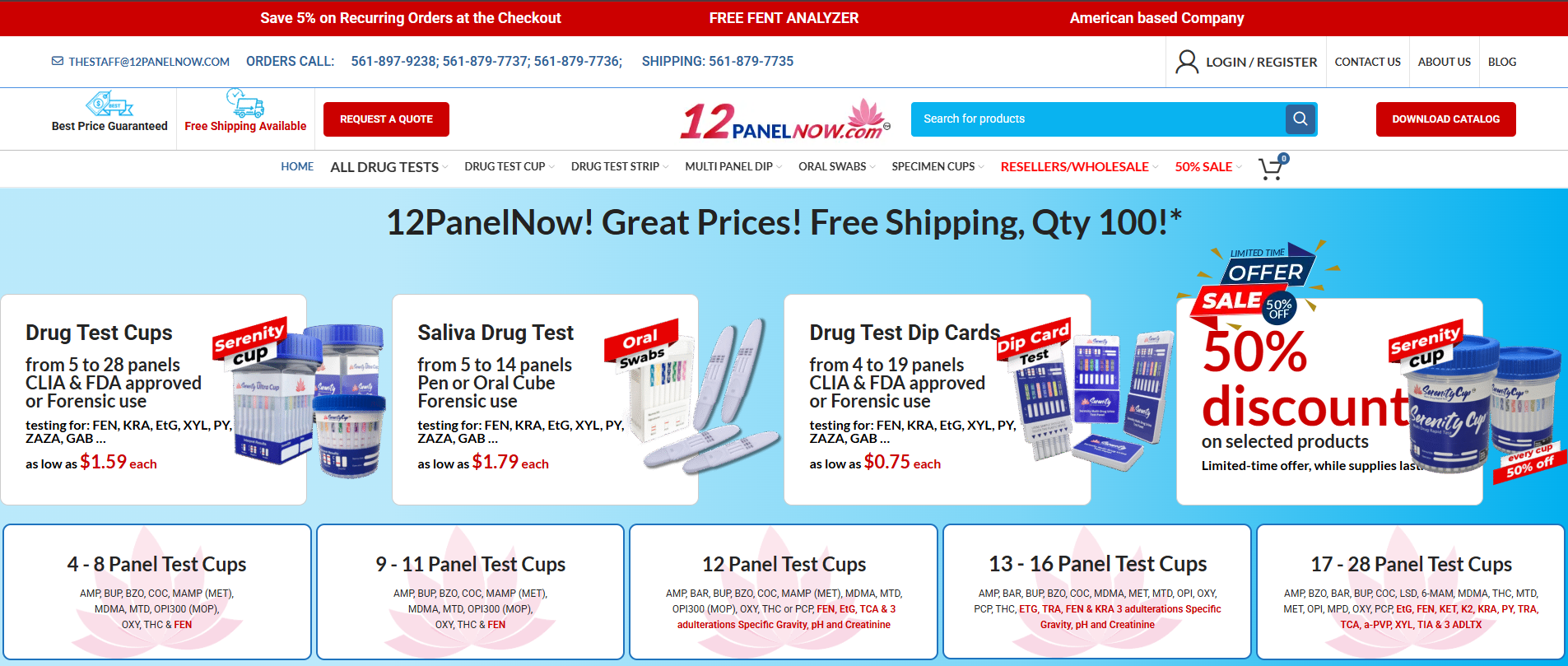
Take control of your drug testing program now by choosing supplies built for accuracy and ease. Visit 12 Panel Now for reliable drug test cups tailored to your screening needs. Don’t wait to enhance your testing process with trusted tools designed for your success.
Frequently Asked Questions
What types of drugs can be detected using drug test cups?
Drug test cups can detect a wide range of substances, depending on the panel configuration. Common panels include 5-panel tests for marijuana, cocaine, opiates, amphetamines, and PCP; 10-panel tests that add benzodiazepines and methadone; 12-panel tests that include ecstasy and oxycodone; and 16-panel tests that cover additional prescription and synthetic drugs.
How do drug test cups work?
Drug test cups work by collecting a urine sample from an individual, which is then analyzed inside the cup. Integrated testing strips react with specific drug metabolites, producing color indicators that show whether certain substances are present in the sample. Results are interpreted based on the appearance of test lines in relation to control lines.
What are the legal requirements for drug testing in a workplace?
Legal requirements for workplace drug testing include maintaining privacy protection for test results, obtaining written consent from individuals, applying testing protocols consistently across all employees, establishing clear criteria for when testing is warranted, and maintaining chain of custody documentation for specimens.
What common mistakes can affect drug test accuracy?
Common mistakes that can compromise drug test accuracy include improper sample handling, inadequate chain of custody documentation, timing errors in the testing process, environmental contamination, and operator error in result interpretation. Following strict protocols is essential to ensure reliable outcomes.
Recommended
- Drug Test Cups in Drug Testing – 12 Panel Now
- 5 Best Drug Test Cups for Workplace Screening – 12 Panel Now
- How to Accurately Read Drug Test Cups | 12 Panel Now
- Urine Drug Tests: Everything You Need to Know – 12PanelNow | 12 Panel Drug Test | Free Shipping