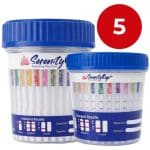
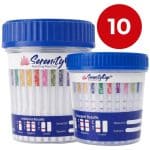
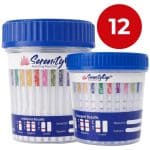
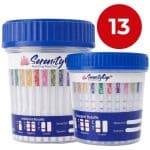
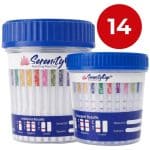
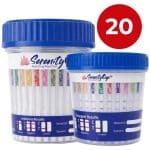
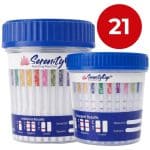
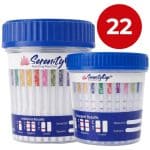
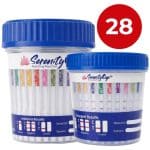
What Is A Drug Test Cup?


In our ever-evolving society, drug testing has become a crucial aspect of workplace safety, legal compliance, health, and personal accountability. At 12 Panel Now, we take great pride in our comprehensive range of drug test cups designed to provide reliable results quickly and safely. This article explores the intricacies of drug test cups, clarifying their purpose, functionalities, and advantages to aid those who seek a dependable testing solution.
Understanding Drug Test Cups
A drug test cup is a state-of-the-art testing device designed for the rapid and accurate detection of multiple drugs in a urine sample. Drug test cups are a type of urine drug test specifically designed to screen for drugs of abuse and their metabolites, helping to identify substance abuse issues. These self-contained units simplify the urine test process, featuring built-in test strips that react with specific drug metabolites. Any person, whether a professional or individual, can use these cups in a professional setting or at home. They deliver fast results in just a few minutes, making them a vital tool for monitoring substance use.
The convenience of drug test cups is further enhanced by their design, which minimizes handling and maximizes accuracy. Each cup screens for a wide range of substances, making them effective for detecting substance abuse. Each cup is built to ensure a leak-resistant seal and often includes a temperature strip to help identify any possible tampering, securing the integrity of the test results.
At 12 Panel Now, we ensure that our drug test cups are manufactured to the highest quality standards, with rigorous testing protocols in place to guarantee their effectiveness and reliability. Drug test dip cards are another popular option for urine drug testing, offering quick results and ease of use.
Note: For step-by-step instructions on using a drug test cup, users can watch our video demonstration.
Types of Drug Test Cups
Drug test cups vary widely in terms of their capability and design. The most common types are distinguished by their panel count, which refers to the number of different substances they can detect simultaneously:
-
- 5-Panel: Tests for marijuana (THC), cocaine (COC), opiates (OPI), amphetamines (AMP), and PCP (PCP).
- 10-Panel: Adds benzodiazepines (BZO), barbiturates (BAR), methadone (MTD), and buprenorphine (BUP) to the initial five substances, covering amp, bar, bup, bzo, coc.
- 12-Panel: Expands the testing capability to include ecstasy (MDMA), oxycodone (OXY), and also detects mtd, oxy, pcp, bar, bup, bzo, coc for a more comprehensive screening.
- 16-Panel: Offers comprehensive detection for a broad spectrum of prescription and synthetic drugs, including amp, bar, bup, bzo, coc, mtd, oxy, and pcp, making it ideal for thorough screening.
All drug test cups are manufactured in FDA-compliant facilities and meet FDA standards for safety and reliability.
Choosing the right type of drug test cup is crucial, as it ensures that the testing process aligns with specific needs, be it for workplace safety or personal use. Positive results should always be confirmed by a laboratory to ensure accuracy.
Drug test cups are available at a competitive price, making them accessible for a variety of users.
Drug Test Cup Panels
Drug test cup panels are specialized diagnostics drug test cups designed to detect the presence of multiple drugs in human urine samples with a single, efficient test. Available in a variety of configurations—such as 12 panel, 14 panel, and more—these multi drug test cups can screen for a comprehensive list of substances, including amphetamine, barbiturates, buprenorphine, benzodiazepines, cocaine, methamphetamine, morphine, methadone, oxycodone, PCP, THC, and even tricyclic antidepressants. This broad detection capability makes them a preferred choice for many customers seeking reliable and rapid response drug testing solutions.
Each panel drug test is engineered to deliver accurate results by utilizing a control line to confirm the test’s validity and a test line to indicate the presence or absence of specific substances. A visible test line typically means a negative result, while the absence of a test line suggests a positive result for that drug. To ensure the highest level of accuracy and minimize the risk of a false positive, it is essential to follow the instructions provided with each test cup and adhere to the recommended procedures. The cut off levels for each substance are clearly defined, ensuring that only samples with drug concentrations above these thresholds will test positive.
Identify Diagnostics offers a range of CLIA waived drug test cup panels, such as the 14 panel drug test round cup, which includes detection for EDDP and other key substances. These test cups are designed for forensic use and are equipped with features like adulteration detection to help verify the integrity of the urine sample. The inclusion of such features ensures that the results are both reliable and compliant with regulatory standards.
Quality and effectiveness are at the forefront of every diagnostics drug test cup, with rigorous quality control measures in place to guarantee consistent performance. The test cups are intended for professional use, making them suitable for workplace, clinical, and legal settings where accurate and timely results are critical. For additional information on specific products, including detailed instructions, specifications, and pricing, users should consult the product insert or contact Identify Diagnostics directly.
With competitive pricing and a reputation for reliability, these multi drug test cup panels provide a comprehensive, efficient, and accurate solution for detecting the presence of a wide range of substances in urine samples. Whether screening for opiates, heroin, cocaine, or other drugs, these panels offer peace of mind and dependable results for any testing scenario.
How Drug Test Cups Work
The operation of a drug test cup is straightforward yet effective, encompassing four key steps:
-
- Sample Collection: An individual provides a urine sample that is collected directly into the test cup, typically requiring a volume of 30-100 mL.
- Immunoassay Reaction: The testing strips within the cup interact with the urine, specifically targeting drug metabolites. This reaction is what indicates the presence of drugs in the sample.
- Color Indicator Activation: As the test proceeds, colored lines will emerge within the test regions, displaying results based on the metabolite reactions.
- Result Interpretation: The results are deciphered by comparing the test lines against control lines: generally, a pair of lines indicates a negative test result.
Also, many test cups include additional features such as temperature strips to check for tampering, ensuring that the results are both valid and trustworthy.
Advantages of Using Drug Test Cups
Utilizing drug test cups offers a myriad of advantages, making them an advantageous choice for various testing scenarios:
-
- Fast Results: Most drug test cups yield results in five minutes or less, providing quick feedback for decision-making.
- Ease of Use: Their user-friendly design requires no specialized lab equipment, making them accessible for both professionals and individuals.
- Cost-Effective Screening: With the ability to test for multiple drugs in one step, they save both time and resources.
- Tamper-Resistant Features: Many cups are designed with security measures that detect sample compromise, thereby ensuring the integrity of the results.
- High Accuracy Rates: When used according to instructions, drug test cups can achieve an impressive 99% accuracy rate, empowering users with reliable data.
Interpreting Results from Drug Test Cups
Interpreting the results from a drug test cup is a critical component of the testing process. Each cup contains specific regions for control and test lines.
The presence of two lines (one in the control region and one in the test region) indicates a negative result. Conversely, if a line appears only in the control area, the test is considered positive for the substance being tested.
False positives can occur due to interfering substances or improper storage conditions during urine drug testing. To prevent false positives, drug test cups come equipped with specific cutoff levels: the drug must be present above these levels to register as positive. If you require more precise data, confirmation testing through advanced methods like LC-MS/MS or GC/MS is advised. If needed, samples can be sent to a laboratory for further analysis to confirm initial results.
Understanding how to read these results correctly helps ensure that the testing process is reliable and informative.
Summarizing, drug test cups serve as invaluable tools across various sectors, including workplace safety, healthcare, rehabilitation, and legal compliance. Their rapid, accurate testing capabilities allow for straightforward monitoring of substance use, making them essential in today’s world. At 12 Panel Now, we continue to uphold our commitment to quality and accuracy, ensuring that our drug test cups meet the highest industry standards. With an array of options tailored to meet diverse needs, we empower you to choose the best testing solutions for your circumstances.
Frequently Asked Questions About Drug Test Cups
A drug test cup is a device designed for the rapid and accurate detection of multiple drugs in a urine sample. It features built-in test strips that react with specific drug metabolites, providing results in just a few minutes.
How do drug test cups work?
Drug test cups operate by collecting a urine sample, triggering an immunoassay reaction within the built-in strips to detect drug metabolites, which then display results through color changes indicating whether drugs are present.
What types of drugs can be tested with a drug test cup?
Drug test cups vary by panel count: 5-panel tests for marijuana, cocaine, opiates, amphetamines, and PCP; 10-panel tests add benzodiazepines; 12-panel tests include ecstasy and oxycodone; and 16-panel tests cover a broader spectrum of substances.
What are the advantages of using drug test cups?
Drug test cups provide fast results, are easy to use, cost-effective, feature tamper-resistant designs, and offer high accuracy rates, making them ideal for workplace and personal testing.
Can drug test cups detect all drugs?
No, drug test cups cannot detect all drugs. The detection capability depends on the cup’s panel count, with some cups designed for specific substances, while others cover a wider range.
How can I interpret the results from a drug test cup?
To interpret results, compare the test lines in the cup: two lines (control and test) indicate a negative result; one line in the control area means a positive result. Refer to specific cutoff levels to ensure accurate readings.