What Are Adulterants – Impact on Drug Test Accuracy


Faced with increasingly sophisticated tampering methods, drug testing coordinators across the United States and Canada know that adulterants in drug testing can jeopardize the accuracy of every sample. Adulterants range from common chemicals to local anesthetics and even bacterial contaminants, making detection a complex task in any rehabilitation center. Understanding these threats helps you safeguard the reliability of screening processes while minimizing patient risk and ensuring clear, defensible results.
What Are Adulterants in Drug Testing
Adulterants are substances intentionally added to interfere with drug testing procedures, designed to manipulate or invalidate test results. These chemical agents work to alter, mask, or obstruct the detection of illicit substances during screening processes.
In drug testing contexts, adulterants can be classified into several key categories:
- Oxidizing agents: Chemicals like bleach or hydrogen peroxide that chemically destroy drug metabolites
- Masking agents: Substances that attempt to block or dilute drug detection
- pH modifiers: Compounds that change urine acidity to disrupt testing accuracy
- Biological additives: Substances added to mimic natural urine characteristics
Forensic research reveals that adulterant detection methods have become increasingly sophisticated in response to these tampering attempts. Modern drug testing protocols now include multiple verification steps to identify potential contamination or manipulation.
The complexity of adulterants stems from their diverse origins and methods of introduction. Some are commercially available products marketed explicitly for circumventing drug tests, while others involve household chemicals or improvised techniques. This diversity makes comprehensive detection challenging for testing professionals.
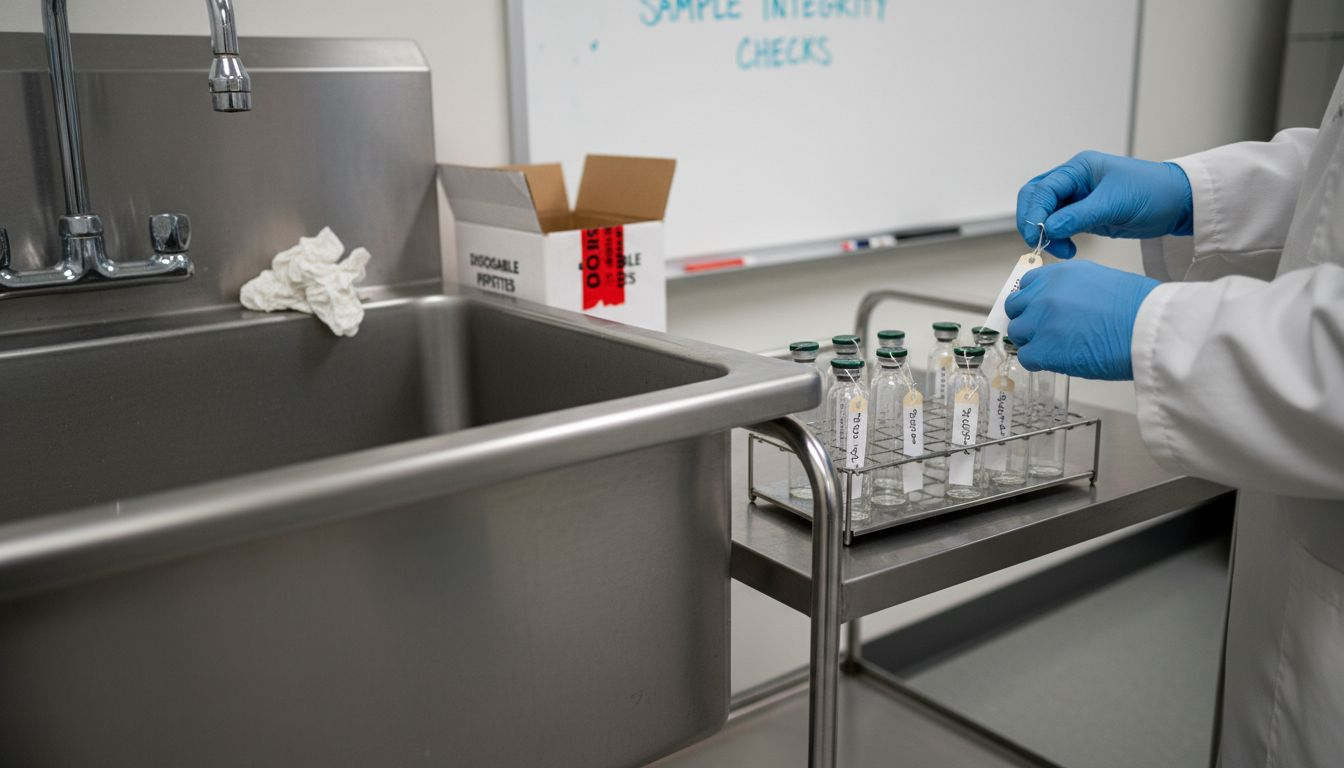
Key motivations behind adulterant use include avoiding detection of prohibited substances, manipulating employment screenings, or circumventing legal and medical monitoring requirements. The stakes are significant – successful adulterant use can potentially undermine critical testing protocols in workplace, legal, and healthcare settings.
Pro tip: Always use multi-panel test strips that include adulterant detection features to ensure comprehensive and accurate screening results.
Types of Adulterants and Their Effects
Drug testing adulterants encompass a complex range of chemical substances designed to interfere with screening accuracy. These substances are strategically introduced to manipulate test results, presenting significant challenges for drug testing professionals.
The most prevalent categories of adulterants include:
- Chemical oxidizers: Bleach, hydrogen peroxide, nitrites that chemically alter test samples
- Masking agents: Substances like zinc, niacin, or glutaraldehyde that attempt to hide drug metabolites
- pH modifiers: Chemicals that dramatically change urine acidity to disrupt metabolite detection
- Biological contaminants: Substances introduced to mimic natural urine characteristics
Local anesthetics represent a particularly sophisticated class of adulterant test strips detection challenges. Compounds like procaine, lidocaine, and benzocaine are frequently added to cocaine, mimicking the drug’s anesthetic effects while presenting unique neurochemical interactions.
The potential health risks associated with adulterants extend far beyond simple test manipulation. Research indicates that some adulterants can introduce significant physiological complications, particularly when combined with illicit substances. Bacterial contaminants like Bacillus and Clostridium species can create additional medical risks during drug consumption.
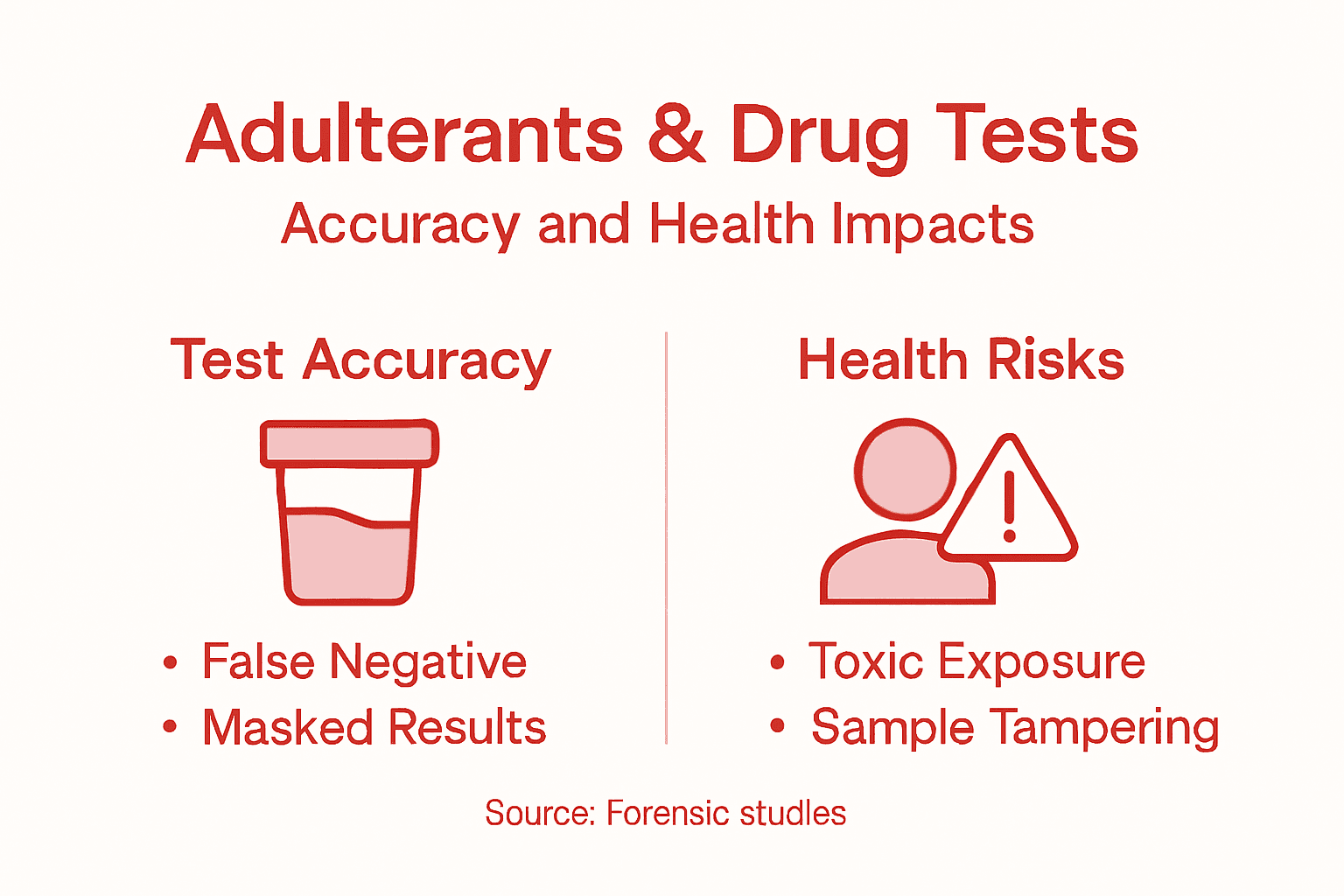
The following table summarizes how different adulterant types threaten drug test validity and the associated health or operational risks:
| Adulterant Type | Impact on Test Accuracy | Health Risks |
|---|---|---|
| Oxidizing Agents | Destroy detectable drug markers | Chemical burns, toxicity |
| Masking Agents | Conceal metabolites from screening | Organ stress, overdose |
| pH Modifiers | Interfere with metabolite detection | Kidney damage, metabolic disruption |
| Biological Additives | Simulate valid urine profiles | Infectious disease, allergic reaction |
Motivations for using adulterants vary widely, ranging from employment screening evasion to circumventing medical monitoring. The diversity of adulterant types and their potential impacts underscores the critical importance of advanced detection methodologies in modern drug testing protocols.
Pro tip: Implement comprehensive multi-panel testing strategies that include specific adulterant detection mechanisms to ensure maximum screening reliability.
How Adulterants Disrupt Drug Screening
Drug testing adulterants represent a sophisticated and evolving challenge that fundamentally undermines screening accuracy through complex chemical manipulation. These substances are strategically designed to interfere with detection mechanisms, creating significant obstacles for drug testing professionals.
The primary methods of drug screening disruption include:
- Chemical interference: Substances that alter sample composition and mask drug metabolites
- Biochemical reaction modification: Compounds that change chemical interaction patterns in testing
- Metabolite destruction: Oxidizing agents that chemically break down detectable drug traces
- Physiological mimicry: Substances engineered to simulate natural biological markers
Oxidizing agents like iodate and nitrite are particularly effective at synthetic urine detection disruption, capable of reducing detectable drug concentrations by significant percentages. These chemicals can create false negative results by chemically neutralizing drug metabolites before comprehensive screening occurs.
Forensic research demonstrates that adulterants can dramatically impact both presumptive and confirmatory drug tests. Some substances not only mask drug presence but also introduce additional biochemical complexities that complicate toxicological assessments. This multifaceted interference makes detecting tampering increasingly challenging for testing professionals.
The ongoing technological arms race between adulterant developers and drug screening experts continues to push detection methodologies toward more sophisticated validation techniques. Advanced specimen validity testing now incorporates multiple layers of chemical signature analysis to identify even the most subtle sample manipulations.
Pro tip: Implement multi-stage validation protocols that combine chemical, physical, and biochemical screening to maximize drug test integrity and accuracy.
Detecting and Preventing Adulteration
Specimen validity testing represents the most sophisticated approach to detecting and preventing drug test adulteration, employing advanced scientific techniques to identify chemical manipulation attempts. Modern drug testing protocols have evolved to create multilayered defense mechanisms against increasingly complex tampering strategies.
Key detection strategies include:
- Chemical marker analysis: Identifying exogenous substances not naturally present in human urine
- Physical characteristic evaluation: Checking temperature, color, and specific gravity of samples
- Biomarker screening: Measuring endogenous compounds to verify sample authenticity
- Oxidant detection: Identifying chemical agents designed to destroy drug metabolites
Laboratories now utilize drug testing supplies that integrate multiple verification techniques to combat sophisticated adulteration attempts. These comprehensive screening methods can detect even microscopic chemical modifications intended to manipulate test results.
Here’s a concise comparison of key laboratory adulterant detection strategies with their main strengths:
| Detection Method | Primary Advantage | Limitation |
|---|---|---|
| Chemical Marker Analysis | Identifies foreign substances | May miss new chemicals |
| Physical Evaluation | Quick sample authenticity check | False negatives possible |
| Biomarker Screening | Confirms biological sample origin | Requires specialized tests |
| Oxidant Detection | Spots chemical interventions | Can be evaded by dilution |
The prevention of sample adulteration requires a multifaceted approach combining technological sophistication with strict collection protocols. Trained personnel must maintain continuous observation during specimen collection, implement rigorous chain of custody procedures, and use state-of-the-art detection technologies that can identify both traditional and emerging adulterant techniques.
Continuous professional education plays a critical role in staying ahead of evolving adulteration strategies. Laboratory technicians must receive ongoing training about new chemical adulterants, emerging tampering techniques, and advanced detection methodologies to maintain the integrity of drug screening processes.
Pro tip: Develop comprehensive testing protocols that combine immediate visual inspection, on-site chemical screening, and advanced laboratory validation to maximize drug test reliability.
Risks and Legal Consequences for Facilities
Legal liability represents a critical concern for drug testing facilities when confronting adulterant-related challenges. Organizations that fail to detect sample manipulation face potentially devastating professional and financial repercussions across multiple regulatory domains.
Key legal risks include:
- Regulatory sanctions: Potential loss of operational licenses
- Professional negligence: Exposure to significant financial liability
- Accreditation withdrawal: Potential suspension of testing certifications
- Criminal investigation: Potential involvement in legal proceedings
Comprehensive legal considerations for drug testing compliance demand rigorous protocols that protect both organizational interests and public safety. Facilities must develop multilayered verification processes that can withstand intense legal and professional scrutiny.
The financial implications of inadequate adulterant detection extend far beyond immediate testing inaccuracies. Potential lawsuit settlements, regulatory fines, and reputational damage can represent devastating economic consequences for healthcare providers, workplace testing centers, and forensic laboratories.
Proactive risk management requires continuous staff training, investment in advanced detection technologies, and systematic documentation of testing procedures. Organizations must create comprehensive quality assurance frameworks that demonstrate consistent commitment to maintaining the highest standards of testing integrity.
Pro tip: Develop a comprehensive documented compliance strategy that includes detailed adulterant detection protocols, staff training records, and regular third-party auditing to mitigate potential legal vulnerabilities.
Protect Your Drug Testing Accuracy with Trusted Supplies
Dealing with adulterants can seriously threaten the accuracy of your drug screening results. This article highlights challenges like chemical interference, oxidizing agents, and masking substances that compromise test integrity. If your goal is to maintain reliable screening and spot tampering attempts early, you need testing supplies designed for comprehensive adulterant detection. Understanding terms like specimen validity testing and multi-panel screening is essential for effective prevention.
Choose 12 Panel Now as your trusted partner for high-quality drug testing supplies that support the latest detection standards. Our products help healthcare facilities, workplaces, and laboratories implement robust testing strategies to confidently identify adulteration. Don’t let sample manipulation put your testing process or reputation at risk. Act now to equip your team with reliable tools and ensure compliance and safety through every drug test.
Explore our offerings today at 12 Panel Now and learn how to strengthen your drug screening program with advanced supplies and testing resources.
Frequently Asked Questions
What are common types of adulterants used in drug testing?
Common types of adulterants include oxidizing agents like bleach, masking agents such as zinc or niacin, pH modifiers that alter urine acidity, and biological additives that mimic natural urine characteristics.
How do adulterants affect drug test accuracy?
Adulterants can destroy detectable drug metabolites, mask their presence, or change the sample’s physical properties, leading to false negatives or inaccuracies in test results.
What methods are used to detect adulterants in drug tests?
Detection methods include chemical marker analysis to identify foreign substances, physical characteristic evaluation for immediate authenticity checks, biomarker screening, and oxidant detection to spot chemical interventions.
Why is it important to prevent adulteration in drug testing?
Preventing adulteration is crucial as it maintains the integrity of drug tests, protects the credibility of testing facilities, and minimizes legal risks associated with inaccurate test results.
Recommended
- False Positives – 12PanelNow | 12 Panel Drug Test | Free Shipping
- Cocaine Test Kits Explained: How Accuracy Is Measured – 12PanelNow | 12 Panel Drug Test | Free Shipping
- What Is Synthetic Urine? Uses, Composition & Impact
- Top 7 Drug Testing Supplies for Healthcare Facilities – 12PanelNow | 12 Panel Drug Test | Free Shipping