Troubleshooting Invalid Drug Test Results: A Step-by-Step Guide

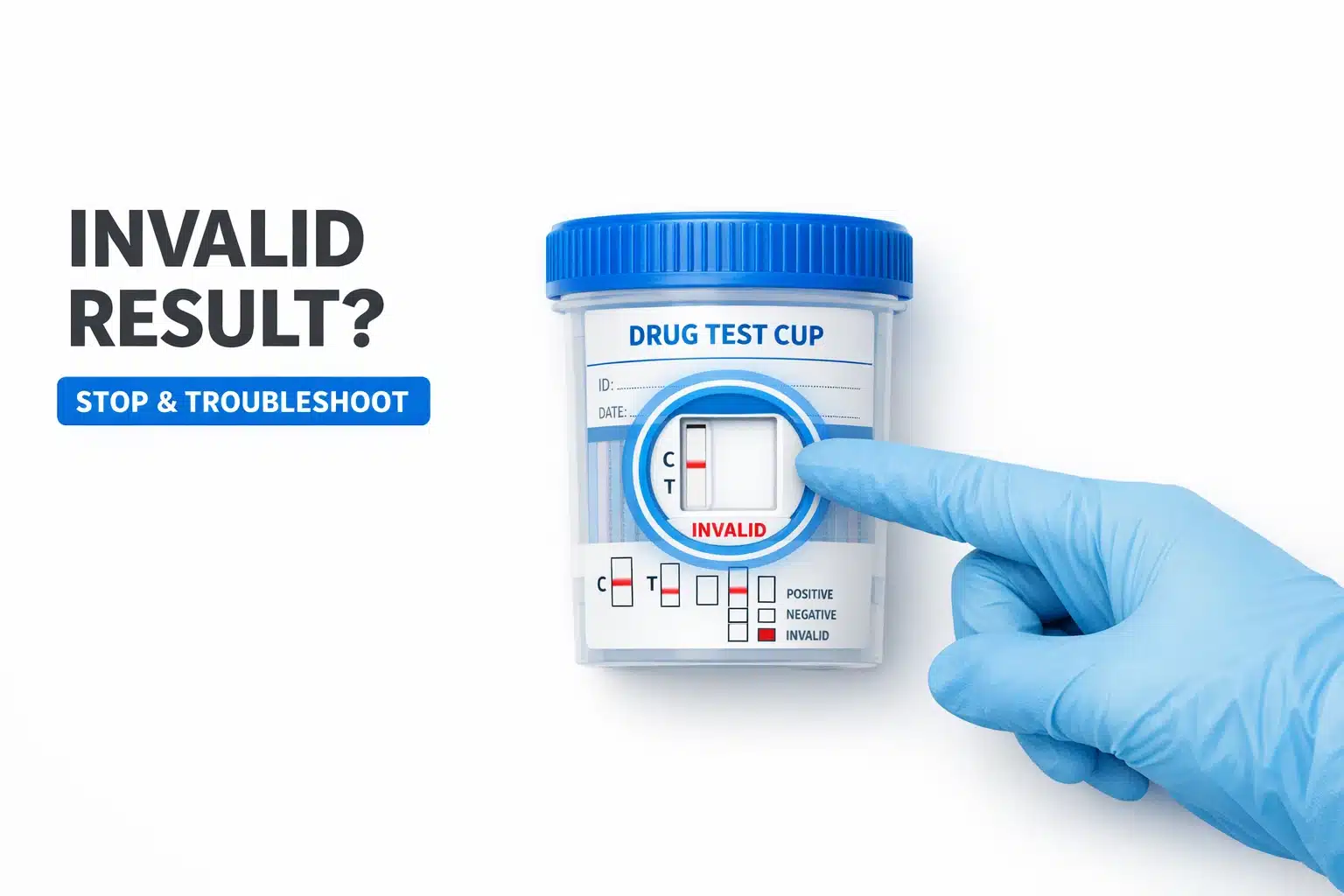
An invalid drug test result is not a fail. It’s a technical error indicating the test itself could not produce a conclusive outcome. This can be a stressful and confusing situation, especially in a pre-employment or workplace context. Understanding what causes an invalid result and knowing the correct next steps is critical to resolving the issue calmly and professionally.
This guide provides a clear framework for identifying, troubleshooting, and responding to an invalid drug test, whether you’re using an at-home kit or navigating a formal workplace screening.
What does an invalid drug test result look like?
First, let’s clarify the difference between an invalid, negative, and positive result. The most important line on any rapid drug test is the Control Line (C). If the control line does not appear, the test is invalid, regardless of what other lines show up. The test cassette has failed, and the results cannot be trusted.

Use this quick matrix to classify the result pattern first—then choose the correct next step (retest, timing check, or follow workplace protocol) without guessing.
A faint test line is not an invalid result; it is a negative result. For a more detailed walkthrough of result interpretation, our guide on how to read a drug test cup offers clear visual examples.
Common causes of an invalid drug test result
Invalid results stem from three primary categories: technical errors with the test itself, biological factors affecting the sample, or intentional specimen tampering. While intentional adulteration gets a lot of attention, research shows that simple dilution is the most common reason for invalid results in workplace settings.
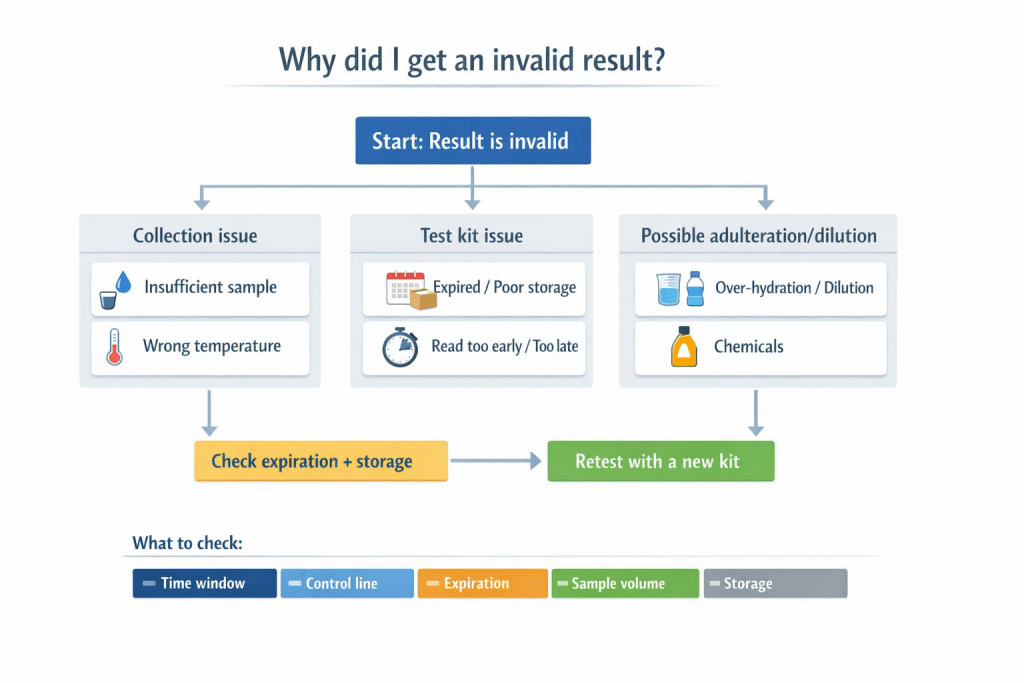
A structured way to troubleshoot: verify timing and control line first, then rule out expiration/storage, sample volume, and dilution before you retest.
Technical and procedural errors
These are the most frequent culprits, especially with at-home testing.
- Expired Test Kit: The reagents in a test degrade over time. Always check the expiration date on the foil pouch before use.
- Improper Storage: Exposing tests to extreme heat, cold, or humidity can compromise their integrity. They should be stored at room temperature.
- Insufficient Sample Volume: Most drug test cups have a minimum fill line. If the sample doesn’t reach this line, the test strips may not become saturated enough to run correctly.
- Incorrect Procedure: Reading the results too early or too late can lead to misinterpretation. Most tests are designed to be read within a specific window, usually around 5-10 minutes.
Biological specimen issues
Sometimes, the issue is with the urine sample itself. Laboratories performing Specimen Validity Testing (SVT) check for several key markers.
- Dilution: This occurs when a sample has too much water and not enough creatinine, a natural waste product. This can happen unintentionally by drinking excessive fluids before a test. According to SAMHSA guidelines, a sample may be flagged as dilute if creatinine is less than 20 mg/dL and specific gravity is low.
- Extreme pH: Normal human urine has a pH between 4.5 and 8.0. A sample with a pH outside this range (e.g., less than 3 or greater than 11) is considered adulterated and will produce an invalid result.
- Adulterants: The presence of external chemicals like bleach, vinegar, or commercial “cleansing” products will interfere with the test’s chemical reactions, causing it to fail.
The problem with unregulated budget tests
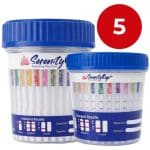
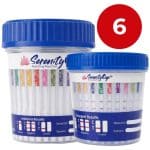
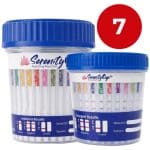
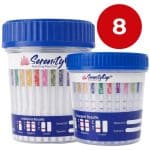
Many people turn to dollar-store tests like “Assured” or “VeriQuick” for a quick check. However, these kits are often FDA-waived, not FDA-approved, which means they are subject to less stringent manufacturing oversight. This can lead to higher rates of invalid results due to inconsistent reagent quality or faulty test strips. For reliable and comprehensive screening, using a professional-grade product like our 12-panel drug test cups can significantly reduce the chances of a technical failure.
What happens after an invalid result in workplace testing?
Receiving an invalid result during an employment screening can be nerve-wracking, but there is a standardized, federally regulated process to follow. The key thing to remember is that an invalid test is treated as a “cancelled test,” not a positive one.
According to federal guidelines, specifically 49 CFR Part 40.159, here is the official protocol:
- MRO Notification: The Medical Review Officer (MRO) will be notified of the invalid result by the lab. They will then contact the employer.
- No Retest of the Original Sample: The original urine sample cannot be retested. There is no legal right to request a second analysis of the same specimen that produced the invalid result.
- A New Collection is Required: The employee must provide a new urine sample. This collection is typically supervised to prevent any potential for tampering or dilution. The MRO or employer will direct you to return to a collection site.
- Alternative Test: In some cases, particularly after a second invalid result, the employer may request an alternative testing method, such as an oral fluid test or a hair follicle test.

If an invalid/canceled result occurs in workplace testing, the next step is process—not punishment: MRO review followed by a new collection, not a retest of the same sample.
Refusing to submit to a second collection is generally considered a “refusal to test,” which carries the same consequences as a positive result. It is always in your best interest to cooperate fully with the re-collection process.
How to explain an invalid result to an employer
If an MRO or HR representative contacts you about an invalid result, your response should be calm, professional, and direct. Avoid offering elaborate explanations or excuses, as this can sound defensive. Your goal is simply to acknowledge the situation and confirm your willingness to resolve it.

A calm, factual script helps you request a retest without over-explaining. Keep it short, ask for the timeline, and let the clinic/MRO handle the technical details.
You can say something like:
“Thank you for letting me know. I understand the test result was invalid. I am happy to provide another sample as soon as possible. Please let me know the details for the re-collection.”
This response shows you are cooperative and confident, and it shifts the focus to the solution: completing the required new test.
Your Partner for Reliable Testing
Dealing with an invalid drug test result is manageable when you understand the process. The issue often comes down to the quality of the testing supplies and correct procedure. At 12 Panel Now, we are committed to providing affordable, CLIA-waived drug testing supplies to ensure you get clear, accurate results every time. Explore our full product range today to find a reliable solution for your workplace or personal testing needs.