EtG vs Breathalyzer: Which Alcohol Test Should You Use for Sobriety Monitoring?


If you’re monitoring someone’s sobriety and you reach for a breathalyzer, you’ve picked the tool that’s easiest to beat. Not because breathalyzers are inaccurate — they’re excellent at what they measure — but because what they measure is the wrong thing for abstinence monitoring. The difference between an EtG test and a breathalyzer comes down to one question: are you checking for current impairment or for any drinking at all over the last few days? Get that straight and the choice makes itself.
EtG vs Breathalyzer: Which Should You Use for Sobriety Monitoring?
For sobriety monitoring, EtG is the primary tool. A breathalyzer measures current impairment (blood alcohol right now) and reads zero within hours, so it misses drinking from the night before. An EtG test detects ethyl glucuronide, a metabolite the body makes only after drinking, for roughly 80 hours, which is why it’s the standard for abstinence monitoring. Use a breathalyzer when you need to know impairment at this moment, such as an on-arrival check. The strongest programs use both: EtG on a random schedule for the abstinence record, and a breathalyzer for immediate status. This guide explains what each measures, why the window matters, and the one EtG caveat to manage.
What each test actually measures
A breathalyzer measures blood alcohol concentration (BAC) right now, by sampling alcohol in your breath. It answers “is this person impaired at this moment.” Once the body metabolizes the alcohol — a matter of hours — the breathalyzer reads zero, even if the person drank heavily the night before.
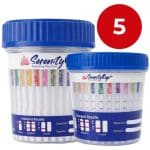
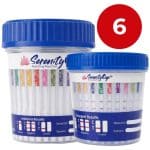
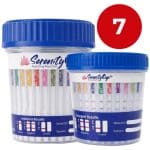
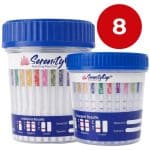
An EtG test measures ethyl glucuronide, a metabolite the body produces only after consuming alcohol. EtG lingers for roughly 80 hours after drinking, long after the alcohol itself is gone and long after any breathalyzer would read clean. It answers a completely different question: “did this person drink at all in the last few days?”
Why the window is everything for monitoring
Sobriety monitoring is about abstinence over time, not impairment in the moment. Someone in a sober-living program who drinks on a Friday night will blow a clean breathalyzer by Saturday afternoon — but an EtG test administered Monday can still catch that Friday drink. The ~80-hour window is what makes EtG the standard for abstinence programs, court-adjacent monitoring, and recovery support. A breathalyzer simply can’t see far enough back to do that job.
When a breathalyzer is the right tool
Breathalyzers aren’t obsolete — they’re just for a different question. Use one when you need to know impairment now: a resident returning to a facility who needs to be assessed on arrival, a safety check before someone operates a vehicle or machinery, or any situation where “are they impaired at this moment” is the actual concern. For immediate status, the breathalyzer is fast, non-invasive, and exactly right.
The strongest programs use both
The two tests are complementary, not competing. A well-run monitoring program often pairs them: EtG on a random schedule to maintain the abstinence record over days, and a breathalyzer for on-the-spot checks when someone arrives or when immediate impairment is the question. Together they cover both timeframes — the last few days and this exact moment — which no single test can do alone. Our alcohol test comparison for probation and workplace monitoring covers the compliance angle on combining methods.
The one EtG caveat to manage
EtG’s sensitivity is also its complication: at low cutoffs it can register incidental alcohol exposure from mouthwash, hand sanitizer, or some foods. That’s why the 300 ng/mL EtG test is a common choice for monitoring — it’s high enough to filter most incidental exposure while still catching actual drinking. Educate the people you’re monitoring to avoid alcohol-based products before testing, and confirm any result that carries a real consequence at a lab. Manage that caveat and EtG is a genuinely reliable abstinence tool.
Making the choice
If your job is verifying that someone hasn’t been drinking over the past several days — the definition of most sobriety monitoring — EtG is your primary tool. If your job is confirming someone isn’t impaired right now, use a breathalyzer. If you’re running a serious monitoring program, budget for both and use each for its strength. The mistake is using a breathalyzer alone and believing a clean reading means someone has stayed sober — it only means they’re not drunk at this minute.
FAQ
Can a breathalyzer detect drinking from last night?
Usually not by the next day — it measures current BAC, which returns to zero once alcohol is metabolized. EtG can still detect it.
How far back does an EtG test detect alcohol?
Roughly up to 80 hours after drinking, far beyond a breathalyzer’s hours-long window.
Why use a 300 ng/mL EtG cutoff?
It reduces false positives from incidental exposure (mouthwash, sanitizer) while still catching actual consumption.
Should I use EtG or a breathalyzer for a sober-living house?
Primarily EtG for the abstinence record, with a breathalyzer for immediate on-arrival checks. Together they cover both questions.