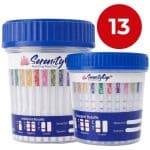
13 Panel Dip Card
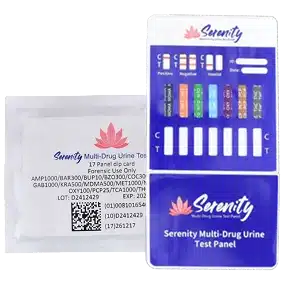
The 13 panel dip card is a fast, reliable, and easy-to-use urine screening device designed to
detect ten commonly abused drugs in a single test format. This multi-drug detection dip card
is widely used in workplaces, rehabilitation programs, probation monitoring, healthcare screening,
law enforcement, and personal testing where accurate and efficient drug screening is required.

Showing all 3 results

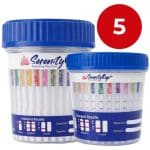
13 Panel Drug Test Dip Card with TRA, OPI/300, ETG, FEN & Adulterants As low as $1.19
ADLTX, AMP, BUP, BZO, COC, EtG, FEN, MDMA, MET, MTD, OPI/MOR, OXY, THC, TRAAs low As$1.19 $1.19 - $1.79
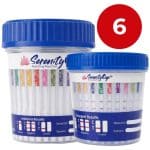
Dip Card 13 Panel Detecting FEN/20 as low as $1.05 Per Serenity Multi level Dip card
AMP, BAR, BUP, BZO, COC, FEN, MDMA, MET, MTD, OPI/MOR, OXY, PCP, THCForensic UseAs low As$1.05 $1.05 - $1.59
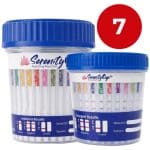
13 Panel Drug Test Dip Card detecting ADLTX, TRA, ETG & FEN, As low as $1.19
ADLTX, AMP, BUP, BZO, COC, EtG, FEN, MDMA, MET, MTD, OPI/MOR, OXY, THC, TRAForensic UseAs low As$1.19 $1.19 - $1.79Bulk Pricing that Cuts the Budget in Half
Priority Shipping For Bulk Orders.
Dedicated Wholesale Representative.
Quality That Is Reliable For the Nation.
Three Serenity 13 Panel Dip Cards from $1.29 in bulk. Each covers a different substance profile — one adds TCA and FEN to the professional baseline, two add TRA and EtG with built-in ADLTX specimen validity. All Forensic Use Only. Results in 5 minutes. Same-day shipping.
13 Panel Multi Dip Card Test specifications Red codes appear on only one or two of the three configurations. ADLTX rows apply to the two TRA/EtG cards only. See variant table below. All three cards require a separate urine collection container. Results in 5 minutes. high accuracy. Forensic Use Only — all presumptive positive results require GC-MS or LC-MS/MS confirmation before formal action. For bulk pricing call 561-897-9238 or email [email protected].
Remove the drug test cup from its sealed pouch and use it as soon as possible. Have the subject provide a urine sample directly into the cup, filling to the indicated line.
At 2–4 minutes, verify the temperature of the specimen using the built-in temperature strip. A green indicator confirms the sample is valid and within the acceptable range of 90–100°F.
Peel back the label when ready to interpret results. Read results within 5 minutes of collection. Do not read results after 8 minutes, as the extended window may affect accuracy.


Key Features of 13 Panel Dip Card
Code
Substance
Cutoff
What It Catches
AMP
Amphetamines
1000 ng/mL
Adderall, Vyvanse, prescription and illicit amphetamines — present across all three cards
BAR
Barbiturates
300 ng/mL
Phenobarbital, butalbital, secobarbital — present only on the TCA/FEN card
BUP
Buprenorphine
10 ng/mL
Suboxone, Subutex — detects MAT compliance at therapeutic concentrations a standard OPI strip misses — present across all three cards
BZO
Benzodiazepines
300 ng/mL
Xanax, Valium, Klonopin, Ativan — present across all three cards
COC
Cocaine
300 ng/mL
Cocaine, crack cocaine — present across all three cards
EtG
Ethyl Glucuronide
300 ng/mL
Alcohol metabolite — detects consumption up to 80 hours post-use — present only on the two ADLTX cards
FEN
Fentanyl
20 ng/mL
Illicit fentanyl and primary fentanyl analogs — added to SAMHSA federal panels July 2025 — present across all three cards
MDMA
Methylenedioxymethamphetamine
500 ng/mL
Ecstasy, Molly — independent dedicated panel — present across all three cards
MET
Methamphetamine
1000 ng/mL
Crystal meth, street methamphetamine — present across all three cards
MTD
Methadone
300 ng/mL
Methadone maintenance — does not appear on standard OPI strip — present across all three cards
OPI/MOR
Opiates / Morphine
300 ng/mL
Heroin, codeine, morphine — present across all three cards
OXY
Oxycodone
100 ng/mL
OxyContin, Percocet — does not appear on standard OPI strip — present across all three cards
TCA
Tricyclic Antidepressants
1000 ng/mL
Amitriptyline, nortriptyline, doxepin — present only on the TCA/FEN card (with BAR)
THC
Marijuana / Cannabis
50 ng/mL
Cannabis, edibles, concentrates — present on TCA/FEN card and TRA/EtG/THC/ADLTX card. Not on third card
TRA
Tramadol
1000 ng/mL
Ultram — prescription opioid analgesic. Does not trigger any standard OPI panel — present only on the two ADLTX cards
ADLTX — Specimen Validity Checks (built into two of the three cards)
pH
Urine pH
3.0 to 11.0
Flags chemical adulteration outside normal urinary pH range
SG
Specific Gravity
1.001 to 1.030
Detects diluted or substituted specimens
CRE
Creatinine
2 to 300 mg/dL
Confirms biological origin of the specimen
Choose Your 13 Panel Configuration
Product
Panels Included
Type
From
13 Panel with TRA, EtG, FEN and ADLTX (with THC)
Best for sober living, MAT, drug courts needing alcohol + Tramadol monitoringAMP | BUP | BZO | COC
EtG/300ng | FEN/20ng | TRA/1000ng
MDMA | MET | MTD | OPI/MOR | OXY | THC
+ pH | Specific Gravity | CreatinineForensic Use Only
$1.29
13 Panel Detecting FEN/20 with TCA and BAR
Best for pain management, forensic programs needing TCA and BAR coverageAMP | BAR/300ng | BUP | BZO | COC
FEN/20ng | TCA/1000ng
MDMA | MET | MTD | OPI/MOR | OXY | THCForensic Use Only
$1.29
13 Panel with TRA, EtG, FEN and ADLTX (no THC)
Best for corrections and court programs focused on emerging substance detection over cannabisAMP | BUP | BZO | COC
EtG/300ng | FEN/20ng | TRA/1000ng
MDMA | MET | MTD | OPI/MOR | OXY
+ pH | Specific Gravity | CreatinineForensic Use Only
$1.29
Easy Steps To Use The 13 Panel Dip Card
Step 1 — Collect
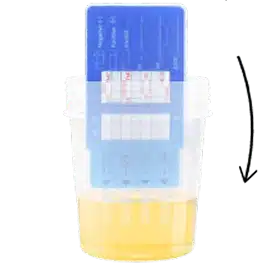
Step 2 — Dip & Wait
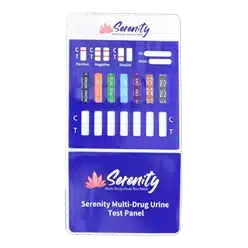
Step 3 — Read

Positive
Two colored bands appear — one in the control region (C) and one in the test region (T). This indicates no drug was detected above the cutoff level.

Negative
Two colored bands appear, one in the control region (C) and another in the test region (T) for the drug in question.

Invalid
The control band fails to appear entirely. Discard the test and retest with a fresh cup within 3 minutes. If the problem persists, contact your distributor.
What is Included in a 13 Panel Dip Card?
The 13 panel dip card category from 12 Panel Now contains three distinct Serenity Multi-Level Dip Cards at $1.29 per card in bulk. All three are Forensic Use Only. All three include Fentanyl at 20 ng/mL. The difference is in the additional specialty panels each configuration carries and whether built-in ADLTX specimen validity is included. Selecting the right card means matching the specialty panels to the substances your program actually needs to detect.
What separates the three 13 panel configurations:
13 Panel with TRA, EtG, FEN and ADLTX — Includes THC
Panels: AMP, BUP, BZO, COC, EtG, FEN, MDMA, MET, MTD, OPI/MOR, OXY, THC, TRA plus ADLTX (pH, Specific Gravity, Creatinine)This card replaces the BAR and TCA panels found on the standard FEN/TCA card with three specialty additions: Tramadol (TRA) at 1000 ng/mL, Ethyl Glucuronide (EtG) at 300 ng/mL for 80-hour alcohol monitoring, and the three-marker ADLTX built-in specimen validity check. TRA detects tramadol — a prescription opioid that passes every standard OPI panel. EtG closes the inter-test alcohol monitoring gap for programs running weekly collections. The ADLTX check confirms specimen integrity simultaneously. THC is included. BAR, TCA, and PCP are not. This card is for programs where Tramadol diversion, alcohol abstinence monitoring, and documented specimen validity are the three priority requirements alongside the standard opioid and stimulant baseline.
13 Panel Detecting FEN/20 with TCA and BAR — No ADLTX
Panels: AMP, BAR, BUP, BZO, COC, FEN, MDMA, MET, MTD, OPI/MOR, OXY, TCA, THC. No ADLTX. No EtG. No TRAThis card is the most recognizable of the three configurations — the complete 12 panel professional baseline (minus PCP) with TCA and FEN as the 12th and 13th specialty panels. Barbiturates (BAR) at 300 ng/mL cover phenobarbital, butalbital, and secobarbital. TCA at 1000 ng/mL covers tricyclic antidepressants including amitriptyline, nortriptyline, and doxepin. FEN at 20 ng/mL closes the fentanyl detection gap per the July 2025 SAMHSA federal panel update. This card does not include ADLTX, EtG, or TRA. It is the appropriate choice for pain management programs, forensic programs with TCA monitoring requirements, and any program that needs BAR and TCA coverage alongside the complete opioid baseline with fentanyl added.
13 Panel with TRA, EtG, FEN and ADLTX — No THC
Panels: AMP, BUP, BZO, COC, EtG, FEN, MDMA, MET, MTD, OPI/MOR, OXY, TRA plus ADLTX. No THCThis card is identical to the first configuration above — TRA, EtG, FEN, and ADLTX — with one panel omitted: THC. The cannabis panel is replaced, allowing a specialty panel to occupy that position. This configuration is designed for programs where Tramadol detection, alcohol monitoring, fentanyl compliance, and documented specimen validity are the complete monitoring profile, and where cannabis screening is not a program requirement or is separately handled. For programs operating in jurisdictions where cannabis is legal and not a supervision condition, this card provides maximum emerging-substance coverage without allocating a panel position to THC. The ADLTX validity check runs simultaneously with all other panels, providing documented specimen integrity alongside every result.
How the Three Cards Compare: Which Specialty Panels Are in Each Configuration
The key decision points are: does the program need ADLTX specimen validity (select the two TRA/EtG cards), does it need Tramadol detection (select either ADLTX card), does it need TCA and BAR coverage (select the FEN/TCA card), and does the program require THC screening (eliminates the no-THC ADLTX card). Programs that need both ADLTX and TCA should use both the TRA/EtG card and the FEN/TCA card from the same specimen, or consider the 14 panel dip card range.
13 Panel Dip Cards Features and Benefits
Three 13 Panel Drug Test Dip Cards from 12 Panel Now: Three Substance Profiles at $1.29 in Bulk, All Forensic Use Only with Same-Day Shipping: The 13 panel dip card range delivers Fentanyl detection as a standard panel across all three configurations, then adds distinct specialty substances — Tramadol and EtG with ADLTX, or TCA and BAR without ADLTX — to match three different forensic program substance monitoring profiles.
- FEN at 20ng/mL Standard Across All Three Cards: Federal Mandate Coverage on Every Configuration: All three 13 panel dip cards include Fentanyl at 20 ng/mL as a standard detection panel. Per SAMHSA Mandatory Guidelines updated July 2025, fentanyl is now required in federally regulated workplace drug testing panels. Every 13 panel card in this range closes the FEN detection gap over a standard 12 panel screen with no configuration selection required.
- TRA at 1000ng/mL on Two Cards: Tramadol Detection That No Standard OPI Strip Can Provide: The two ADLTX configurations include Tramadol (TRA) at 1000 ng/mL — the prescription opioid analgesic that passes every standard OPI, OXY, BUP, and MTD panel because of its distinct molecular structure. Per NIDA prescription drug misuse data, tramadol misuse is significantly documented in forensic and treatment populations. The dedicated TRA panel provides the only available point-of-care detection.
- EtG at 300ng/mL on Two Cards: 80-Hour Alcohol Monitoring Alongside the Full Drug Panel: The two ADLTX configurations include Ethyl Glucuronide (EtG) at 300 ng/mL, detecting alcohol consumption for up to 80 hours post-use. For programs running weekly urine collections, EtG covers approximately 70% of the inter-test interval — the alcohol monitoring window no breathalyzer or direct urine alcohol test can reach. Per SAMHSA MAT guidelines, concurrent alcohol monitoring is a documented compliance requirement.
- ADLTX Built In on Two Cards: pH, Specific Gravity and Creatinine Alongside Every Drug Panel Simultaneously: The two TRA/EtG configurations include the three-marker ADLTX specimen validity check running simultaneously with all drug panels in the same 5-minute dip event. pH flags chemical adulteration. Specific Gravity detects diluted or substituted specimens. Creatinine confirms biological origin. For forensic programs where specimen integrity has legal significance, this eliminates the need for a separate adulteration test strip.
- TCA at 1000ng/mL and BAR at 300ng/mL on One Card: The Classical Forensic and Pain Management Profile: The FEN/TCA card adds Tricyclic Antidepressants (TCA) at 1000 ng/mL and Barbiturates (BAR) at 300 ng/mL alongside FEN, providing a comprehensive classical forensic substance profile that covers TCA monitoring requirements specified in many court supervision orders and pain management protocols. BAR covers phenobarbital and butalbital. TCA covers amitriptyline, nortriptyline, and doxepin.
- BUP at 10ng/mL and OXY at 100ng/mL Standard Across All Three: Complete Opioid Class Coverage in Every Configuration: BUP at 10 ng/mL catches Suboxone and Subutex at therapeutic MAT concentrations that a standard OPI strip misses. OXY at 100 ng/mL catches Percocet and OxyContin that a standard OPI strip misses. MTD at 300 ng/mL catches methadone. All three opioid specialty panels are standard across all three 13 panel configurations — no opioid class gap exists on any card in this range.
- All Three at $1.29 Per Card in Bulk with Same-Day Shipping and a 10% Price Beat Guarantee: All three 13 panel dip card configurations are at $1.29 per card with tiered wholesale pricing at every volume level. Mix all three configurations on a single order. Send your current supplier's pricing to [email protected] and we beat it by 10%. Same-day shipping on all orders placed before 3:00 PM EST. Full OEM and private label available across all three configurations.
Contact for Bulk 13 Panel Dip Card Orders, Wholesale Pricing and Private Label: 561-897-9238 | [email protected]
Check other product variations
for Multi Dip Cards
From everyday staples to specialty products:
- Multi Strips
- 5 Panel Dip Cards
- 10 Panel Dip Cards
- 12 Panel Dip Cards
- 14 Panel Dip Cards
- 19 Panel Dip Cards
10 Panel Dip
13 Dip Panel
12 Panel Dip
Dip Cards
13 Panel Dip Cards Wholesale: Three Configurations from $1.29, Same-Day Bulk Supply
- Three configurations, all at $1.29 in bulk: 13 Panel TRA/EtG/FEN/ADLTX with THC, 13 Panel FEN/TCA/BAR, and 13 Panel TRA/EtG/FEN/ADLTX without THC
- FEN at 20 ng/mL is standard across all three. TRA and EtG on the two ADLTX cards. TCA and BAR on the FEN/TCA card. ADLTX validity on two of the three
- All Forensic Use Only. Results in 5 minutes. high accuracy. Same-day shipping. 1 to 2 year shelf life. 10% price beat on any competing quote
- Full OEM and private label for drug courts, corrections, treatment programs, pain management clinics, and distributors
For higher panel count dip cards adding Kratom, Ketamine, Gabapentin, or more ADLTX-included configurations, see the 14 panel dip card through 19 panel dip card ranges. For the 12 panel baseline with ADLTX and without TRA or EtG, see the 12 panel dip card range.
Order 13 Panel Dip Cards in Bulk Today 561-897-9238 [email protected]
What 12 Panel Now Offers:

220,000 Sq. Ft. Mega
Warehouse
We operate one of the largest drug-testing fulfillment centers in the country, stocked and ready to ship every day.

Lowest Wholesale Pricing. Highest Commissions. Period.
We aggressively price our products so you win more deals, while paying industry-leading commissions to our partners.

Same-Day Blind Drop Shipping
We ship directly to your customers — no branding, no invoices, no paper trail back to us. You keep the relationship. We do the heavy lifting.
Private Label Available
Want your own brand on the box? We’ve got you covered.
Build equity while selling proven products.
Real-Time Partner Portal
Track every order, commission, and customer in one clean dashboard. No guessing. No spreadsheets. Total transparency.
Where 13 Panel Dip Cards Are Used
| Setting | Best Card | Primary Applications | Why This Card |
| Sober Living and Residential Programs | 13 Panel TRA/EtG/FEN/ADLTX with THC | Weekly resident accountability screening with 80-hour alcohol detection via EtG, Tramadol monitoring for residents using prescription opioid substitutes, fentanyl detection, documented specimen validity via ADLTX | EtG at 300 ng/mL covers the full weekly inter-test alcohol monitoring window. TRA at 1000 ng/mL detects tramadol — a prescription opioid that passes every standard OPI panel — used by some residents as a legal opioid substitute. ADLTX confirms specimen integrity for programs where accountability documentation is essential. THC is included for cannabis monitoring. |
| Pain Management Clinics | 13 Panel FEN/TCA/BAR | TCA monitoring for patients co-prescribed tricyclic antidepressants, BAR coverage for barbiturate-class sedatives, FEN for fentanyl prescription adherence vs diversion, complete opioid compliance panel (BUP, MTD, OPI, OXY) | Pain management protocols increasingly require TCA compliance monitoring alongside opioid compliance. TCA at 1000 ng/mL verifies prescription adherence for co-prescribed antidepressants. BAR at 300 ng/mL covers the barbiturate class distinct from BZO. FEN at 20 ng/mL provides fentanyl compliance or diversion detection. The complete opioid baseline (BUP/10ng, OXY/100ng, OPI/300ng, MTD/300ng) covers the full prescription opioid panel in one card. |
| Drug Courts and Probation | 13 Panel TRA/EtG/FEN/ADLTX (either THC variant) | Court-ordered alcohol abstinence monitoring via 80-hour EtG, Tramadol detection for court-supervised individuals using tramadol as a legal opioid substitute, fentanyl documentation, ADLTX specimen integrity evidence for legal proceedings | Per NADCP best practice standards, comprehensive substance monitoring including alcohol and emerging substances is recommended for court-supervised programs. The ADLTX validity check provides documented specimen integrity evidence that is legally significant when results are entered into court proceedings. THC variant selection depends on whether cannabis is a supervision condition for the specific court's orders. |
| Correctional Facilities | 13 Panel TRA/EtG/FEN/ADLTX without THC | Institutional substance screening covering Tramadol contraband detection, fentanyl supply contamination screening, alcohol monitoring, ADLTX for dilution and adulteration prevention — without allocating a panel position to THC where cannabis is a lower institutional priority | Tramadol is documented institutional contraband that passes every standard OPI screen. Fentanyl is confirmed in drug supply in all 50 US states per CDC overdose data. The ADLTX check prevents specimen dilution evasion. Allocating the THC panel position to EtG instead reflects a prioritization of emerging substance coverage over cannabis in programs where cannabis detection is secondary to opioid supply and alcohol monitoring. |
| MAT and Addiction Treatment Programs | 13 Panel TRA/EtG/FEN/ADLTX with THC | BUP and MTD compliance monitoring, concurrent alcohol monitoring via EtG, Tramadol detection for patients using tramadol alongside or instead of prescribed opioids, fentanyl concurrent use documentation | BUP at 10 ng/mL and MTD at 300 ng/mL are the primary MAT compliance panels, both standard on this card. EtG at 300 ng/mL covers concurrent alcohol use monitoring per SAMHSA MAT guidelines. TRA at 1000 ng/mL detects tramadol — increasingly documented as a patient-initiated opioid substitute in MAT populations. THC is included for complete cannabis and concurrent substance documentation. |
Why Tramadol Passes Every Standard OPI Panel and How the 13 Panel Dip Card Closes That Gap
Tramadol (Ultram) is a Schedule IV prescription opioid analgesic prescribed for moderate to moderately severe pain. It has a dual mechanism of action — weak mu-opioid receptor agonism combined with serotonin-norepinephrine reuptake inhibition — and a chemical structure that is entirely distinct from morphine, codeine, heroin, oxycodone, and all other substances that trigger the standard OPI antibody. Because standard OPI, OXY, BUP, and MTD panels are all calibrated to morphine-like structures, tramadol at any dose returns a completely negative result on every one of these panels.
The practical consequence for screening programs is significant: a person taking 50 to 400 mg of tramadol daily — within the therapeutic and common misuse dose range — passes every standard multi-panel drug test with a completely negative OPI result. Tramadol misuse is documented in forensic, treatment, and correctional populations where it is used as a legal, prescription-accessible opioid substitute that bypasses standard drug screens. Per NIDA prescription drug misuse data, tramadol misuse is significantly documented in opioid-adjacent populations.
The two ADLTX configurations in the 13 panel dip card range include a dedicated TRA panel at 1000 ng/mL using a tramadol-specific antibody that provides point-of-care detection regardless of OPI panel results. This is the only available rapid urine detection method for tramadol in a multi-panel dip card format at $1.29 per card.
TCA Drug Testing on the 13 Panel Dip Card: When Tricyclic Antidepressant Monitoring Is Required by Protocol
The TCA panel on the 13 Panel FEN/TCA Dip Card detects tricyclic antidepressants — including amitriptyline (Elavil), nortriptyline (Pamelor), doxepin, and imipramine — at 1000 ng/mL. TCA monitoring is specified in several professional drug testing contexts: pain management protocols where co-prescribed TCAs and opioids create sedation risk requiring compliance verification, drug court supervision orders where TCA misuse history is documented, and clinical toxicology settings where TCA overdose is a documented risk in the screening population.
The 13 Panel FEN/TCA Dip Card from 12 Panel Now is the most accessible single-card format covering TCA alongside BAR, the complete opioid baseline (BUP, MTD, OPI/MOR, OXY), and Fentanyl. This card does not include ADLTX validity checks, EtG, or TRA. Programs that need TCA coverage but do not require tramadol or alcohol monitoring alongside it should select this configuration. For programs that need TCA alongside ADLTX and EtG, the combination requires either running two cards from the same specimen or upgrading to a higher-panel configuration. Contact 12 Panel Now at 561-897-9238 to discuss the right configuration for your specific TCA monitoring requirements.
The 13 Panel Dip Card with ADLTX, EtG and Tramadol: Why Forensic Programs Need All Three Together
Three documentation requirements have become increasingly standard in forensic drug testing programs — substance monitoring, alcohol abstinence monitoring, and specimen validity documentation — but are rarely available together in a single low-cost dip card format. The two ADLTX configurations in the 13 panel dip card range deliver all three simultaneously at $1.29 per card.
The EtG panel at 300 ng/mL closes the alcohol monitoring gap between scheduled collection events: for programs running weekly urine collections, EtG covers approximately 70% of the 168-hour inter-test interval, providing alcohol abstinence documentation that no breathalyzer or direct alcohol urine test can supply. Per SAMHSA MAT guidelines, concurrent alcohol monitoring is a recommended compliance component. The TRA panel at 1000 ng/mL covers tramadol — a legal opioid substitute that passes every standard OPI screen. The ADLTX markers (pH, Specific Gravity, Creatinine) confirm specimen integrity simultaneously with all drug panels, providing documented validity evidence for programs where results may enter legal proceedings. All three delivered together in a single 5-minute dip card test.
What Does “Forensic Use Only ” Mean for 13 Panel Dip Cards?
The 13 panel dip card carries a “Forensic Use Only” (FUO) designation, which defines how the test is intended to be used and how results should be interpreted in professional drug screening environments.
- 1. What It Means
A “Forensic Use Only” label indicates that the 10 panel dip card:
Has not undergone FDA 510(k) clearance as a medical diagnostic device
Is intended for screening and compliance monitoring purposes only
Is designed for use in controlled environments such as workplace, legal, or institutional testing programs
13 Panel Dip Card Frequently Asked Questions
The right configuration depends on your testing objectives. Consider whether you need alcohol monitoring, specimen validity checks, prescription medication screening, or a more traditional drug testing profile.
Yes. Many organizations select different configurations for employees, treatment participants, probation clients, or clinical patients based on their specific monitoring requirements.
Many organizations are expanding their testing programs to address substances that may not be included in traditional drug screening panels.
Yes. It can be used for pre-employment, random, post-accident, and reasonable-suspicion testing programs where broader screening is desired.
If a result is difficult to interpret, follow the manufacturer's instructions and consider retesting with a new device if necessary.
Yes. Screening multiple substances simultaneously can reduce administrative time and simplify the testing process.
Proper collection procedures are essential because specimen quality directly impacts the reliability of the screening results.
Yes. Many treatment programs, supervision agencies, and healthcare providers use expanded-panel testing as part of regular monitoring protocols.
Yes. Rapid screening can provide immediate preliminary results, while laboratory testing can be used when confirmation is required.
Expanded panels allow organizations to monitor a broader range of substances without requiring multiple separate tests.
Regularly reviewing panel selections and testing requirements helps ensure the program remains aligned with emerging risks and compliance needs.
Yes. Treatment facilities often use multi-panel tests to support recovery monitoring and program compliance.
Important factors include product availability, shipping reliability, customer support, quality standards, and pricing.
Yes. Drug testing is frequently incorporated into broader workplace safety and risk-management programs.
They should be stored according to the manufacturer's recommendations in a clean, dry environment until needed.
Many suppliers offer flexible ordering options that allow buyers to mix configurations based on operational requirements.
Certain industries and organizations may need expanded screening capabilities to address specific risks or regulatory expectations.
Even user-friendly tests benefit from proper training to ensure accurate collection, handling, and result interpretation.
Organizations should periodically review their policies, procedures, and testing panels to maintain effectiveness and compliance.
Yes. Drug screening can help support safety, accountability, compliance, and overall program oversight when incorporated into a structured testing program.
13 Panel Dip Cards – Overview
Our 13 panel drug test dip card collection offers the most comprehensive screening for clinical and forensic use. Designed for maximum accuracy, these tests detect a wide range of substances, including high-risk narcotics like Fentanyl (FEN) and specialized markers for Alcohol (ALC) and K2 (Synthetic Marijuana).
Whether you need a 13-panel urine test cup with integrated adulteration detection or a non-invasive 13-panel saliva drug test, our kits provide laboratory-grade results in minutes.
-
Bulk Value: Starting as low as $1.29 per test.
-
Highly Accurate: Includes options for CLIA Waived and Forensic Use Only.
-
Versatile Formats: Choose between easy-to-use cups, dip cards, and oral swabs.
Ensure safety and compliance with our reliable 13-panel multi-drug screens, trusted by professionals for rapid and precise detection.
Key features:
-
Quick results typically within 5 minutes
-
Simple dip-and-read format for convenience and portability
-
Clear visual lines indicating positive or negative results
-
Suitable for use in workplaces, clinics, and other settings requiring on-the-spot drug screening