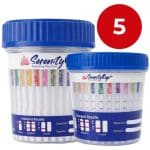
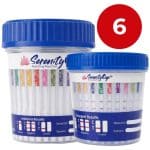
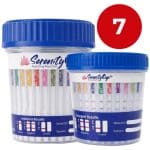
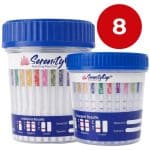
10-Panel vs 12-Panel Drug Test: Which Does Your Program Actually Need?

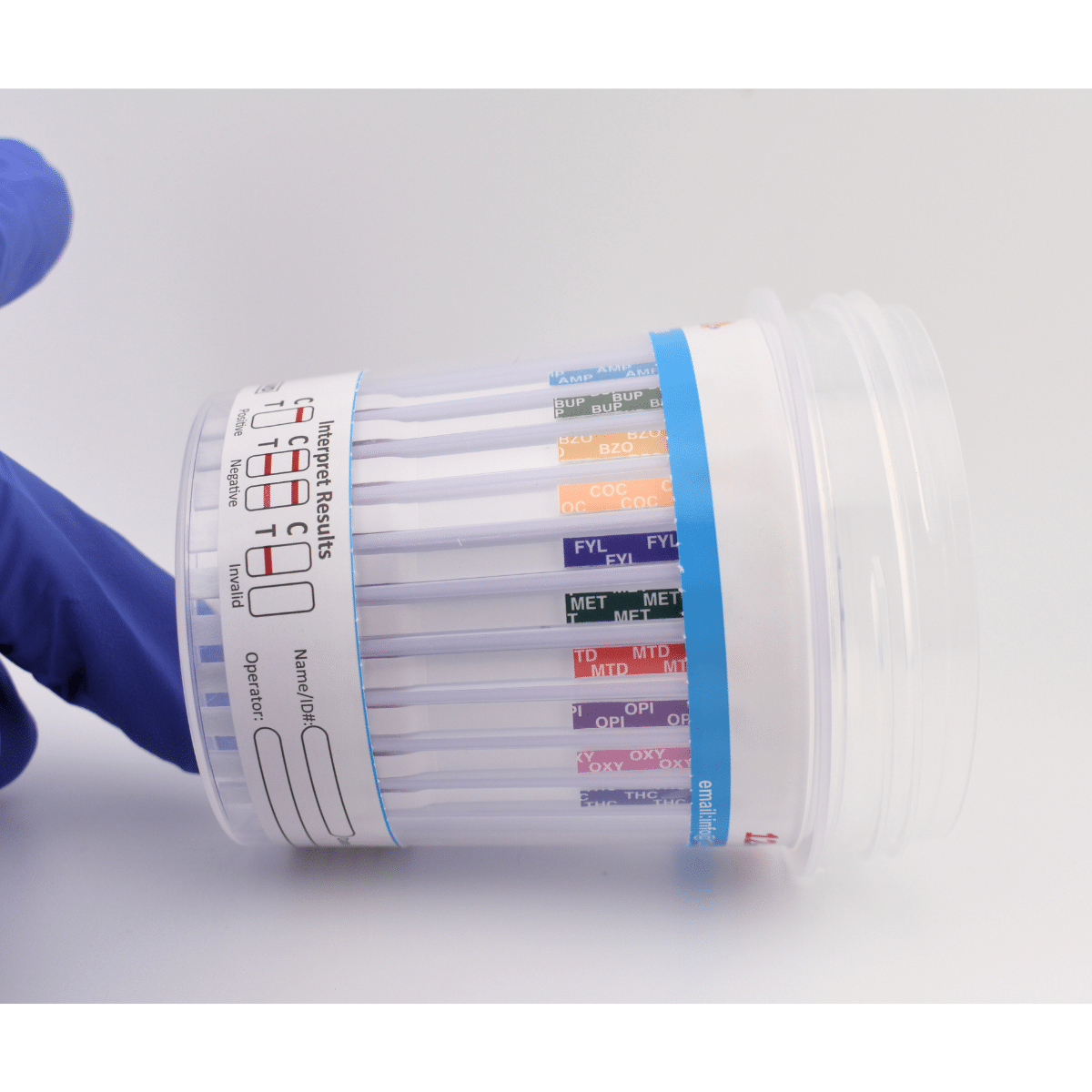
The jump from a 10-panel to a 12-panel isn’t about being more thorough for its own sake — it’s about two specific substances. If those two are a real risk in your population, the 12-panel is worth every extra cent. If they aren’t, you’re paying for lines you’ll never read. Here’s how to decide, without defaulting to “more is safer.”
10-Panel vs 12-Panel: Which Does Your Program Need?
The choice between a 10-panel and a 12-panel comes down to two analytes: oxycodone and buprenorphine, which the 12-panel adds. If those are a genuine risk in your population, the 12-panel is worth it; if not, you’re paying for lines you’ll never read. Choose a 10-panel for general workplaces and lower-risk screening where prescription-opioid misuse isn’t a specific concern. Choose a 12-panel for pain-management and MAT clinics, treatment and sober-living programs, and safety-sensitive roles with real prescription-drug exposure. The rule is to match the panel to the risk, not to an instinct that more is safer. This guide covers why those two analytes matter and how to decide.
The only real difference: two analytes
A 10-panel and a 12-panel share ten substances — THC, cocaine, amphetamines/meth, opiates, PCP, benzodiazepines, barbiturates, methadone, and typically propoxyphene and MDMA. What the 12-panel adds, in most configurations, is oxycodone and buprenorphine. That’s the decision, distilled: do you need to detect oxycodone and buprenorphine specifically? Everything else about the two tests is essentially the same — same collection, same read time, same presumptive-then-confirm workflow.
Why those two matter so much
The general “opiates” line on a 10-panel is calibrated for morphine and codeine and often misses oxycodone, a semi-synthetic opioid that’s one of the most commonly misused prescription drugs. If prescription-opioid misuse is on your radar, a 10-panel can give you a clean-looking negative while missing exactly the substance you care about. Buprenorphine is the other half of the story — it’s a medication used in medication-assisted treatment (MAT), so treatment programs need to see it to monitor patients, and some monitoring settings need to detect unprescribed use. These aren’t edge cases; they’re the center of modern opioid testing.
When a 10-panel is the right call
Choose a 10-panel when your population’s controlled-substance risk lives in the standard ten and prescription-opioid misuse isn’t a specific concern — many general workplaces, retail and hospitality employers, and lower-risk screening programs fit here. You get broad coverage, faster reads (fewer lines), and a lower per-cup cost. Putting the savings toward lab confirmation on non-negatives often does more for your program’s defensibility than two extra panels would.
When the 12-panel earns its cost
Choose the 12-panel when oxycodone, buprenorphine, or methadone are genuine risks: pain-management and MAT clinics, treatment and sober-living programs, safety-sensitive employers in industries with real prescription-drug exposure, and any monitoring setting where missing a semi-synthetic opioid is unacceptable. In these contexts the two extra analytes aren’t padding — they’re the whole reason to test.
The mistake both directions
Over-buying is the common one: a low-risk office standardizing on a 12-panel “to be safe” pays more per cup, reads more lines, and gains nothing because those analytes never come up. But under-buying is the costlier mistake: a pain clinic or treatment program running a 10-panel and missing oxycodone isn’t saving money, it’s missing the point of testing. Match the panel to the risk, not to a general instinct that more is better. (Still deciding between a 5-panel and a 10-panel? Our 5-panel vs 10-panel comparison handles that fork.)
A quick decision guide
Ask one question: is oxycodone, buprenorphine, or methadone a realistic concern in the people I’m testing? If yes, 12-panel. If no, 10-panel — and consider whether even a 5-panel covers you. Then confirm the exact analyte list on the product page, because “12-panel” configurations vary and you want to be sure the two analytes driving your decision are actually on the cup.
FAQ
What’s the difference between a 10-panel and a 12-panel drug test?
Usually two analytes — oxycodone and buprenorphine — added on the 12-panel. The other ten substances are shared.
Do I need a 12-panel to detect oxycodone?
Often yes. A 10-panel’s general opiates line can miss oxycodone; a 12-panel typically lists it specifically.
Is a 12-panel more accurate than a 10-panel?
No — it’s broader, not more accurate. Each detects its listed substances at its cutoffs. Broader coverage only helps if you need those extra substances.
Which is better for a treatment program?
Usually the 12-panel, because buprenorphine and methadone monitoring is central to MAT.