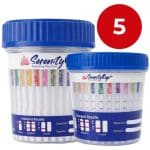
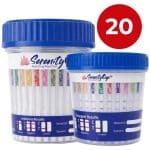
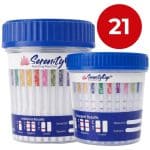
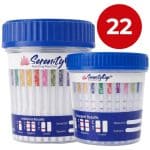
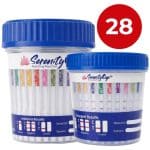
15 Panel Multi Dip Card
FREE SHIPPING ON ORDERS OVER 100 PIECES!*
12 Panel Now offers high-quality drug testing solutions designed to meet the demands
of professional environments. The 15 Panel Urine Dip Card is built specifically for forensic
applications, providing accurate and consistent results where precision matters most.
15 Panel Multi Dip Card
Reliable, lab-quality results with easy-to-use test kits.
350+ High-Demand SKUs
From everyday staples to specialty products:
- Multi-Dip Tests
- Drug Test Cups
- Oral Drug Test Swabs
- 60+ Drug Test Strips
- Cartridges COVID-19 Tests
- Gloves & PPE

Secure, Temperature-Controlled Warehouse

Same-Day Blind Drop Shipping

Lowest Wholesale Pricing. Highest Commissions. Period.

Private Label Available

Real-Time Partner Portal
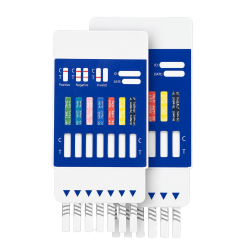
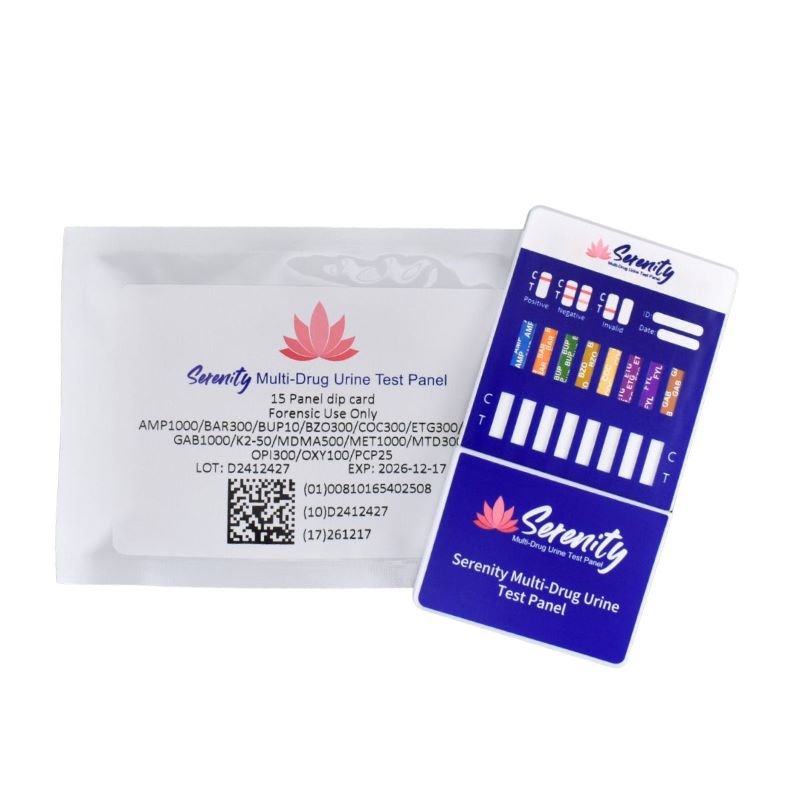
Dip card 15 Panel Detects GAB, ETG, FEN & K2, As low as $0.97 per test, Short Expiration Date 12/12/26
AMP, BAR, BUP, BZO, COC, EtG, FEN, K2, MDMA, MET, MTD, OPI/MOR, OXY, PCP, GABAForensic UseAs low As$0.97 $0.97 - $1.21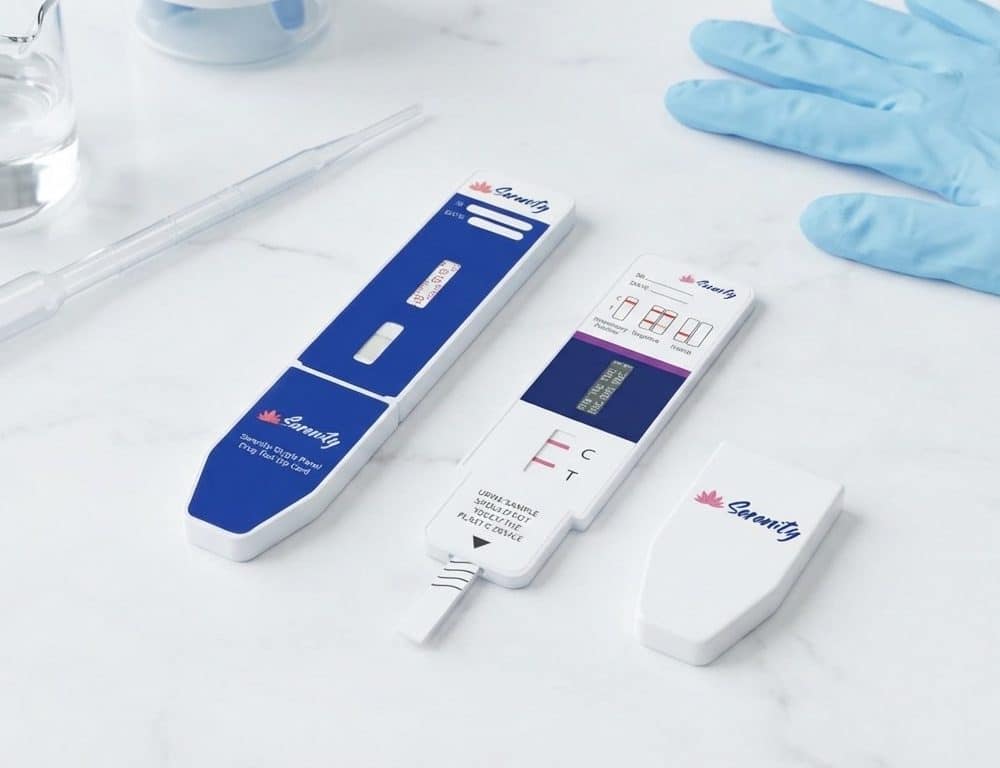
Dip Card ETG/500 Detecting Alcohol. Serenity Single Dip card. As low as $0.28
EtGForensic UseAs low As$0.28 $0.28 - $0.69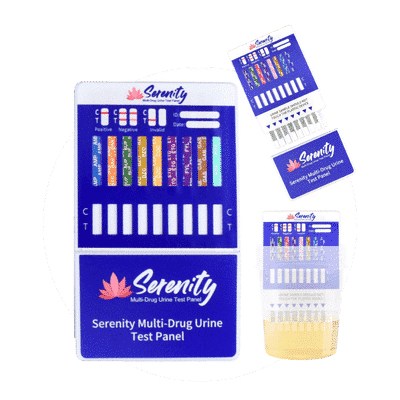
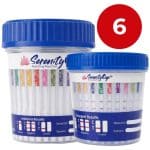
Dip card 6 Panel Detects OPI & OXY, Serenity Multi-Level Dip Card
BZO, COC, MET, OPI/MOR, OXY, THCCLIA WAIVEDAs low As$0.70 $0.70 - $1.03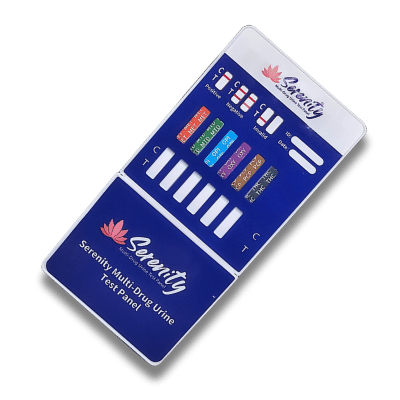
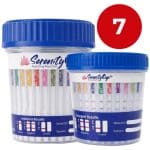
Dip card 7 Panel Detecting MET & OPI, CLIA Waived, Serenity Multi-Level Dip Card- Low Price $0.74
AMP, BZO, COC, MET, OPI/MOR, OXY, THCCLIA WAIVED, FDA ClearedAs low As$0.74 $0.74 - $1.13
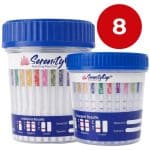
Dip Card 8 Panel Detects ETG & FEN, Serenity Multi level Dip card, As Low as $0.84
AMP, BZO, COC, EtG, FEN, MET, OPI/MOR, THCForensic UseAs low As$0.84 $0.84 - $1.2915 Panel Drug Test Dip Cards
Fifteen-substance urine drug test dip cards available from $0.97 per test and including the first appearance of Gabapentin (GAB) as a dedicated built-in strip in the 12 Panel Now dip card lineup. Gabapentin is not detected by any standard opiate, benzodiazepine, or amphetamine immunoassay strip. It requires its own dedicated antibody system at 1000 ng/mL, and the 15-panel is the entry point where that coverage is integrated alongside Fentanyl, Ethyl Glucuronide for 80-hour alcohol detection, and Kratom in a single dip. Searching for a 15 panel drug test near me?
12 Panel Now ships same-day wholesale anywhere in the US before 3:00 PM EST with free shipping on qualifying bulk orders. As the manufacturer of the Serenity brand drug testing product line, 12 Panel Now produces all 15-panel dip cards to the same quality standards applied across the full Serenity product range.
The table below covers the complete 15 panel drug test substances list for each configuration with cutoff levels and detection windows.
| Substance | Abbr. | Cutoff | Detection Window | Configs |
|---|---|---|---|---|
| Amphetamines | AMP | 1000 ng/mL | 2 to 4 days | All |
| Barbiturates | BAR | 300 ng/mL | 2 days to 3 weeks | All |
| Buprenorphine | BUP | 10 ng/mL | 3 to 7 days | All |
| Benzodiazepines | BZO | 300 ng/mL | 3 days to weeks | All |
| Cocaine | COC | 300 ng/mL | 2 to 4 days | All |
| Ethyl Glucuronide (Alcohol) | ETG | 300 ng/mL | Up to 80 hours | All |
| Fentanyl | FEN | 20 ng/mL | 24 to 72 hours | All |
| Gabapentin | GAB | 1000 ng/mL | 2 to 3 days | All |
| Kratom | KRA | 500 ng/mL | 1 to 2 days | GAB+KRA config |
| MDMA / Ecstasy | MDMA | 500 ng/mL | 2 to 4 days | All |
| Methamphetamine | MET | 1000 ng/mL | 2 to 4 days | All |
| Methadone | MTD | 300 ng/mL | 3 to 5 days | All |
| Opiates / Morphine | OPI | 300 ng/mL | Up to 3 days | All |
| Oxycodone | OXY | 100 ng/mL | 2 to 4 days | All |
| PCP / Phencyclidine | PCP | 25 ng/mL | 7 to 14 days | GAB only config |
| Marijuana / THC | THC | 50 ng/mL | 3 to 30+ days | All |
15 Panel GAB + ETG + FEN + KRA (SM-DOA-6155FUO) — from $0.97 |
15 Panel GAB + ETG + FEN + PCP — from $1.89
What Does a 15 Panel Drug Test Test For?
A 15 panel drug test dip card screens for fifteen substances in a single dip, and the defining analyte that separates this tier from every panel below it is Gabapentin (GAB) — a prescription anticonvulsant and nerve pain medication that does not appear on any standard opiate, benzodiazepine, amphetamine, or multi-drug immunoassay strip below the 15-panel configuration.
At 12 Panel Now, the 15 Panel Drug Test Dip Card (SM-DOA-6155FUO) integrates Gabapentin at 1000 ng/mL alongside Fentanyl at 20 ng/mL, Ethyl Glucuronide for up to 80-hour alcohol detection, and Kratom at 500 ng/mL — four specialty analytes that no dip card in this series covers simultaneously at a lower panel count.
The SAMHSA Drug-Free Workplace Program classifies gabapentin as requiring a dedicated immunoassay system for detection, and the Frontiers in Psychiatry research on gabapentin misuse documents misuse rates of 15 to 22 percent in opioid use disorder populations — the same population served by programs that need fentanyl and kratom detection alongside gabapentin.
As the manufacturer of the Serenity brand drug testing product line, 12 Panel Now produces all 15-panel dip cards to the same quality and antibody standards applied across the full product range.
How Does the 15 Panel Differ from the 14 Panel Drug Test?
The 15 panel vs 14 panel drug test difference is gabapentin. The 14-panel dip card covers the full standard baseline plus EDDP for methadone metabolite confirmation, NorFentanyl for extended fentanyl detection, or ETG for alcohol monitoring — but none of those configurations include gabapentin.
The 15-panel adds GAB as the integrated fifteenth analyte alongside ETG and FEN as standard additions, making it the first tier that simultaneously screens for gabapentin, fentanyl, alcohol metabolite, and kratom in a single dip card. For programs that have already identified gabapentin misuse in their supervised or monitored population, upgrading from 14 to 15 panels closes this gap without requiring a separate single-panel GAB dip strip or a laboratory-only confirmatory screen for initial monitoring visits.
Does Gabapentin Show Up on a Drug Test?
Gabapentin does not show up on any standard 5-panel, 10-panel, 12-panel, 13-panel, or 14-panel drug test — it requires a dedicated GAB immunoassay strip that is not present in any of those formats, and the 15-panel drug test dip card from 12 Panel Now is the first configuration in this lineup where gabapentin detection is built in as a standard strip.
This is one of the most frequently searched drug testing questions in the United States, and it is consistently misunderstood in both clinical and compliance settings. Gabapentin (brand names Neurontin, Gralise, Horizant) is an anticonvulsant medication prescribed for nerve pain, epilepsy, restless leg syndrome, and off-label for anxiety and fibromyalgia.
Its chemical structure belongs to the anticonvulsant class — not to opiates, benzodiazepines, amphetamines, or cannabinoids. This means every immunoassay strip on a standard multi-panel drug test will read gabapentin as negative because none of those antibody systems react to gabapentin’s molecular structure. A person taking therapeutic gabapentin and a person taking high-dose gabapentin recreationally will both produce the same negative result on every strip of a 14-panel and below dip card — unless a dedicated GAB strip at 1000 ng/mL is included.
The 15-panel’s GAB strip uses gabapentin-specific antibodies that react to gabapentin and its metabolites at concentrations consistent with significant recent use, providing a clinically meaningful screen for programs where gabapentin monitoring is a compliance requirement. For pain management clinics, buprenorphine treatment programs, and rehabilitation centers that have documented gabapentin co-use in their patient populations, the 15-panel is the minimum rapid dip card that addresses this gap.
Why Is Gabapentin Not Detected on Standard Drug Test Panels?
Standard multi-panel drug tests use immunoassay technology calibrated to specific drug classes based on molecular structure. The OPI strip detects morphine and related opioid metabolites. The BZO strip detects benzodiazepine ring structures.
The AMP strip detects phenethylamine-type stimulants. Gabapentin belongs to none of these classes. Its full chemical name — 1-(aminomethyl)cyclohexaneacetic acid — describes a GABA analogue with a cyclohexane ring structure that produces no meaningful cross-reactivity with any of the standard immunoassay antibody systems used in routine urine drug testing.
The NIH pharmacokinetics and pharmacology research on gabapentin confirms that gabapentin is excreted unchanged in urine without significant hepatic metabolism — meaning it circulates as the parent compound rather than producing the metabolites that standard drug class strips are designed to detect. This combination of a unique molecular structure and minimal metabolic transformation means gabapentin is completely invisible to every immunoassay strip on the panel below the 15-panel threshold. A dedicated gabapentin drug test strip must be specifically ordered or manufactured into the panel — it does not appear incidentally on any multi-drug screen.
What Is GAB on a Drug Test and How Is Gabapentin Detected in Urine?
GAB is the abbreviation for Gabapentin on a multi-panel drug test, and the 15-panel dip card detects it at a 1000 ng/mL cutoff in urine using a gabapentin-specific monoclonal antibody immunoassay, with a standard detection window of 2 to 3 days after the last dose in individuals with normal kidney function.
The detection window for gabapentin urine testing is primarily determined by renal clearance rather than hepatic metabolism, because gabapentin is not significantly metabolized by the liver and is excreted in urine almost entirely as the unchanged parent compound. In patients with normal kidney function, the half-life of gabapentin is approximately 5 to 7 hours, meaning the drug cycles out of measurable urine concentrations within 2 to 3 days after the last dose. In patients with impaired kidney function — common in chronic pain populations — gabapentin half-life can extend significantly, and gabapentin urine detection windows of 4 to 5 days or longer have been documented in patients with reduced glomerular filtration rates.
The 1000 ng/mL cutoff on the 15-panel GAB strip is calibrated to capture concentrations consistent with therapeutic or above-therapeutic use and is not sensitive enough to produce false positives from incidental exposure. For programs monitoring gabapentin compliance, a patient genuinely taking their prescribed gabapentin should produce a positive GAB result consistently throughout their prescription cycle. A patient who has diverted their gabapentin will typically produce a negative result unless they have taken it within the preceding 2 to 3 days. This distinction is the clinical basis for using the 15 panel drug test with gabapentin as a compliance monitoring tool in pain management and addiction treatment settings.
How Long Does Gabapentin Stay in Urine After the Last Dose?
Gabapentin is detectable in urine for 2 to 3 days in adults with normal renal function taking therapeutic doses. Higher chronic doses may extend the detection window because higher absolute concentrations require more clearance cycles to fall below the 1000 ng/mL detection threshold. Extended-release gabapentin formulations (Gralise, Horizant) produce a slower absorption and release profile that can extend measurable gabapentin urine concentrations, but the overall clearance pattern remains governed by renal elimination.
Patients with chronic kidney disease Stage 3 or higher should be expected to produce detectable gabapentin urine concentrations for 4 to 6 days or more after their last dose. The NIH pharmacokinetics research on gabapentin renal clearance confirms that creatinine clearance is the primary determinant of gabapentin elimination rate in clinical populations.
Is Gabapentin a Controlled Substance in Your State?
Gabapentin controlled substance status is not established at the federal level — the DEA has not scheduled it — but it has been classified as a Schedule V controlled substance in Kentucky, Tennessee, Michigan, Virginia, West Virginia, North Carolina, and several other states, and this state-level scheduling is a primary driver for why pain management programs, drug courts, and probation programs in those states are adding GAB-capable panels to their standard monitoring protocol.
The states that have scheduled gabapentin have done so in direct response to documented misuse patterns — particularly the co-use of gabapentin with opioids to amplify sedative and euphoric effects. Research published in clinical pharmacology literature confirms that the gabapentin opioid potentiation mechanism operates through modulation of presynaptic calcium channels in the same pain signaling pathways as opioids, producing a synergistic CNS depression effect that significantly increases overdose risk when gabapentin and opioids are combined.
The CDC overdose prevention resources on polysubstance use identify gabapentin-opioid co-use as a documented overdose risk pattern that justifies monitoring. Programs operating in states that have scheduled gabapentin — and programs anywhere that serve populations with documented gabapentin-opioid co-use — should evaluate the 15-panel GAB configuration as the minimum adequate screening tool for this risk factor.
Contact the 12 Panel Now compliance team at 561-897-9238 to discuss state-specific panel requirements for gabapentin monitoring programs.
Why Are Pain Clinics and Rehabilitation Programs Adding Gabapentin to Drug Test Panels?
Pain management programs prescribe gabapentin as a non-opioid adjunct to opioid therapy for neuropathic pain, and monitoring compliance requires knowing whether the patient is actually taking their prescribed gabapentin, whether they are supplementing with additional gabapentin obtained outside their care plan, and whether they are co-using gabapentin with illicit opioids or fentanyl in a high-risk polysubstance pattern. None of these questions can be answered by any panel below 15.
The SAMHSA 2024 National Survey on Drug Use and Health confirms that prescription medication misuse — including anticonvulsant misuse — is a documented pattern in populations actively engaged in substance abuse treatment. Rehabilitation programs that have added gabapentin testing to their panels consistently report discovering gabapentin-positive results in patients who had not disclosed gabapentin use. For methadone programs that already detect methadone (MTD) on the panel, adding a GAB strip via the 15-panel creates a complete picture of both prescribed medication compliance and potential opioid-potentiating co-use that a 14-panel cannot provide.
Can a 15 Panel Drug Test Detect Gabapentin and Fentanyl in the Same Test?
Yes — the 15 panel drug test dip card includes both a dedicated GAB strip at 1000 ng/mL for gabapentin and a dedicated FEN strip at 20 ng/mL for fentanyl, making it the only configuration in the sub-16-panel dip card range that simultaneously screens for both of these clinically significant substances in a single dip.
The clinical importance of this combination is substantial: gabapentin-fentanyl co-use is among the most acutely dangerous polysubstance combinations currently documented in overdose epidemiology. Gabapentin potentiates the respiratory depression effects of fentanyl through complementary mechanisms — gabapentin modulates presynaptic calcium channels while fentanyl acts on mu-opioid receptors, and together they produce synergistic CNS and respiratory depression greater than either drug alone.
A patient who tests positive for both GAB and FEN on the same 15 panel drug test fentanyl and gabapentin result is presenting a polypharmacy risk profile that requires immediate clinical attention. According to the HHS Federal Register mandate of January 2025 adding fentanyl to authorized federal testing panels effective July 7, 2025, fentanyl detection is now a federal testing priority — and the 15-panel combines this federal priority with the gabapentin monitoring requirement in a single low-cost card.
Is the 15 Panel Drug Test CLIA Waived?
The standard 15 Panel Drug Test Dip Card (SM-DOA-6155FUO) is classified Forensic Use Only and is appropriate for probation, corrections, law enforcement, drug courts, and employer programs that do not require a CLIA Waived designation. For clinical settings operating under CLIA jurisdiction that need gabapentin monitoring at the point of care, contact the 12 Panel Now clinical team at 561-897-9238 to discuss CLIA Waived configuration availability with the GAB strip.
The CLIA Waived verification guide at 12 Panel Now provides the complete regulatory framework for distinguishing Forensic Use Only from CLIA Waived classification requirements. The CDC waived test classification guidance clarifies operator training and setting requirements that determine when a clinical setting must use a CLIA Waived device.
Who Uses the 15 Panel Drug Test Dip Card?
The 15 panel drug test dip card is used by pain management clinics monitoring gabapentin compliance alongside opioid prescribing, by opioid treatment programs detecting gabapentin-fentanyl polysubstance patterns, by probation programs in states where gabapentin is a scheduled substance, by drug courts and sober living programs with documented gabapentin misuse in their supervised populations, and by any program upgrading from a 14-panel format to close the gabapentin detection gap.
Pain management clinics that co-prescribe gabapentin with opioids use the GAB strip to verify that patients are taking their prescribed medication, while the FEN strip simultaneously screens for fentanyl use that would represent a high-risk polysubstance combination. Residential treatment centers in Kentucky, Tennessee, Virginia, and other states that have scheduled gabapentin use the 15-panel as their standard monitoring format because state scheduling created a compliance obligation to screen for it.
Drug courts and probation programs whose case managers have identified gabapentin misuse patterns in their caseloads add the 15-panel as the minimum upgrade that closes the gabapentin gap without escalating to a higher-panel configuration.
Is the 15 Panel Drug Test Dip Card Right for Probation and Drug Court Programs?
For probation and drug court programs, the 15-panel is the right upgrade when gabapentin is specifically identified as a substance-of-concern in the supervised population. Programs where gabapentin has not been identified as a monitoring priority are typically better served by the 13-panel or 14-panel configurations at lower cost.
For programs whose case managers are documenting gabapentin use in monthly reports, the 15-panel GAB strip provides a rapid point-of-care answer that previously required sending a separate specimen to a laboratory — adding cost, turnaround time, and administrative burden to the compliance monitoring process. The ETG strip simultaneously covers alcohol abstinence monitoring, and the KRA strip covers kratom — meaning programs that identify all three as monitoring priorities can address them with a single 15-panel dip card rather than three separate strips.
The OSHA Drug-Free Workplace guidelines confirm that panel configuration should reflect the actual substance risk profile of the monitored population.
What Does the 15 Panel Drug Test NOT Detect?
The 15 panel drug test dip card does not detect xylazine, ketamine, K2/synthetic cannabinoids, tianeptine (ZAZA), tramadol (without a custom configuration), psilocybin, LSD, 6-MAM (heroin marker), delta-8 THC, or any substance beyond its fifteen dedicated strips.
Xylazine — increasingly documented as a fentanyl supply adulterant responsible for severe overdose complications — requires a dedicated XYL strip not available until the 17-panel and higher configurations. Ketamine detection requires a KET strip available in 18-panel and higher formats. Synthetic cannabinoids (K2/Spice) require a K2 strip first available in the 16-panel configuration.
Tianeptine (ZAZA) requires a dedicated TIA strip available in 17-panel and higher formats. Programs whose monitored populations use any of these substances alongside the 15-panel baseline should evaluate the 16 through 19 panel dip card formats that progressively add XYL, K2, KET, and TIA to broader configurations. The dip card format guide at 12 Panel Now maps the exact panel count at which each emerging analyte first becomes available across the product range.
How Does the 15 Panel Drug Test Dip Card Compare to the 15 Panel Drug Test Cup?
The 15 panel drug test dip card and the 15 panel drug test cup detect the same fifteen substances at equivalent immunoassay accuracy, with the dip card format at $0.97 to $1.89 offering a significantly lower per-test cost than the cup format, while the cup provides integrated specimen collection, a tamper-evident sealed design, a built-in temperature strip, and a no-drip click-top lid for chain-of-custody and observed-collection settings.
The 15 panel drug test cup at 12 Panel Now is available in multiple configurations including the KRA+KET+FEN+ETG+ADLTX cup format for settings needing ketamine detection and specimen validity alongside the standard 15-panel baseline, and the GAB+ETG+FEN cup format for programs whose gabapentin monitoring requirements extend to cup-format specimen collection.
For sober living programs and residential treatment centers running daily or every-other-day gabapentin monitoring at high volume, the dip card’s lower per-test cost provides meaningful operational savings at scale. For legal or institutional settings where chain-of-custody documentation and integrated temperature verification are required, the cup format is the appropriate choice. Browse the full 15 panel drug test product category at 12 Panel Now for side-by-side comparison of all configurations available at this panel count.
Buying 15 Panel Drug Test Dip Cards in Bulk
At 12 Panel Now, the 15 panel drug test bulk and 15 panel drug test wholesale pricing starts from $0.97 per test for the SM-DOA-6155FUO (GAB+ETG+FEN+KRA) configuration during promotional pricing, with standard per-test pricing from $1.05, and the GAB+ETG+FEN+PCP configuration from $1.89 — all with same-day shipping before 3:00 PM EST and free shipping on qualifying bulk orders.
As the US-based manufacturer of the Serenity brand drug testing product line, 12 Panel Now carries millions of products in stock at all times with no backorders. Each 15-panel dip card is individually foil-sealed with an 18 to 24 month shelf life. Store between 36 and 86 degrees Fahrenheit away from direct sunlight and humidity.
The GAB strip at 1000 ng/mL is less temperature-sensitive than the BUP strip at 10 ng/mL, which remains the most sensitive analyte on the panel and warrants temperature-controlled bulk storage for large-volume orders. Send us a competitor rate sheet and we’ll save you money. OEM, private label, and custom panel configurations including GAB in combination with any other analyte set are available.
Contact 561-897-9238 or [email protected].
15 Panel Drug Test Dip Cards at 12 Panel Now (Serenity Drug Test / Slash Medical), 801 N Congress Ave, Suite 101, Boynton Beach FL 33426. Manufacturer of the Serenity brand drug testing product line. Key products: SM-DOA-6155FUO (GAB+ETG+FEN+KRA FUO, AMP/BAR/BUP/BZO/COC/ETG/FEN/GAB/KRA/MDMA/MET/MTD/OPI/OXY/THC, from $0.97 at /product/15-panel-dip-card-gab-etg/); GAB+ETG+FEN+PCP FUO (from $1.89). Regulatory references: SAMHSA Drug-Free Workplace Program. HHS fentanyl authorization effective July 7, 2025. CDC overdose prevention polysubstance use resources. NIH gabapentin pharmacokinetics and renal clearance. Frontiers in Psychiatry gabapentin misuse in opioid use disorder populations. OSHA Drug-Free Workplace guidelines. State gabapentin scheduling: Kentucky, Tennessee, Michigan, Virginia, West Virginia, North Carolina.
15 Panel Multi Dip Cards – Panels Accuracy & Uses
15 Panel Multi Dip Cards FAQ's
Can the 15 Panel Drug Test Dip Card Be Used for Workplace Drug Screening?
Learn whether the 15-panel configuration is suitable for pre-employment, random employee, post-accident, and reasonable suspicion drug testing programs.
How Accurate Are 15 Panel Drug Test Dip Cards Compared to Laboratory Testing?
Understand the reliability of rapid urine screening, expected accuracy rates, and when confirmatory laboratory testing may be recommended.
How Do You Read Results on a 15 Panel Multi Dip Card?
A step-by-step explanation of how to interpret positive, negative, and invalid results after completing the test.
What Is the Difference Between a 15 Panel Drug Test Dip Card and Individual Drug Test Strips?
Compare multi-panel testing cards with single-analyte test strips to determine which option is more practical for your testing needs.
How Should 15 Panel Drug Test Dip Cards Be Stored for Maximum Shelf Life?
Learn the proper storage temperature, humidity requirements, and handling practices to maintain test performance over time.
What Happens If a 15 Panel Drug Test Produces an Invalid Result?
Find out the common causes of invalid tests and the recommended steps for retesting and quality control.
Can Prescription Medications Affect 15 Panel Drug Test Results?
Explore how certain prescribed medications may interact with immunoassay screening and when additional confirmation testing may be necessary.
How Many Tests Should Organizations Order for Ongoing Drug Screening Programs?
Guidance on estimating monthly or annual test volumes for employers, treatment centers, probation programs, and healthcare facilities.
Are 15 Panel Drug Test Dip Cards Suitable for High-Volume Testing Environments?
Discover why organizations conducting frequent testing often choose dip cards for efficiency, convenience, and cost management.
What Are the Benefits of Buying 15 Panel Drug Test Dip Cards in Bulk?
Learn how bulk purchasing can reduce per-test costs, improve inventory management, and support uninterrupted testing operations.