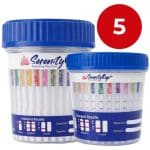
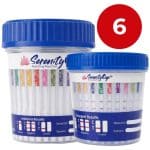
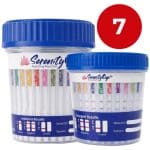
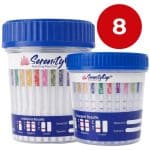
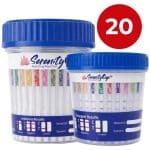
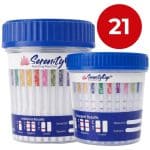
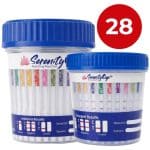
6 Panel Multi Dip Card
FREE SHIPPING ON ORDERS OVER 100 PIECES!*
12 Panel Now offers high-quality drug testing solutions designed to meet the demands
of professional environments. The 6 Panel Urine Dip Card is built specifically for forensic
applications, providing accurate and consistent results where precision matters most.
6 Panel Multi Dip Card
Reliable, lab-quality results with easy-to-use test kits.
350+ High-Demand SKUs
From everyday staples to specialty products:
- Multi-Dip Tests
- Drug Test Cups
- Oral Drug Test Swabs
- 60+ Drug Test Strips
- Cartridges COVID-19 Tests
- Gloves & PPE

220,000 Sq. Ft. Mega Warehouse

Same-Day Blind Drop Shipping

Lowest Wholesale Pricing. Highest Commissions. Period.

Private Label Available

Real-Time Partner Portal
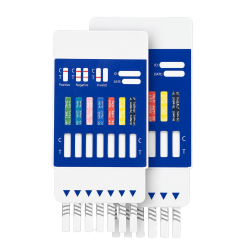
Dip card 6 Panel Detects OPI & OXY, Serenity Multi-Level Dip Card
BZO, COC, MET, OPI/MOR, OXY, THCCLIA WAIVEDAs low As$0.69 $0.69 - $1.05
7 Panel Drug Test Cup,120ml, Detecting, AMP, BZO, COC, THC, MET, OPI & OXY As low as $0.99
AMP, BZO, COC, MET, OPI/MOR, OXY, THCCLIA WAIVEDAs low As$ 0.99 $0.99 - $1.69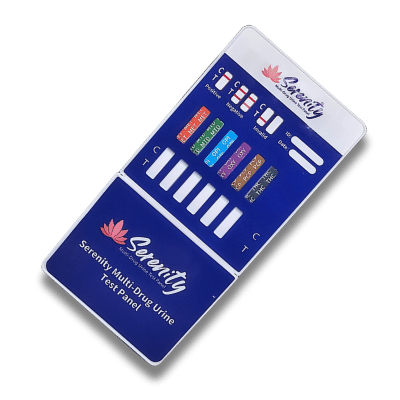
Dip Card 8 Panel Detects ETG & FEN, Serenity Multi level Dip card, As Low as $0.89
AMP, BZO, COC, EtG, FEN, MET, OPI/MOR, THCCLIA WAIVED, FDA ApprovedAs low As$0.89 $0.89 - $1.39
Dip card 10 Panel CLIA, detecting OPI & BUP, CLIA Waived & FDA Approved, Serenity Multi-Level Dip Card. As low as $0.99
AMP, BUP, BZO, COC, MDMA, MET, MTD, OPI/MOR, OXY, THCCLIA WAIVED, FDA ApprovedAs low As$ 0.99 $0.99 - $1.59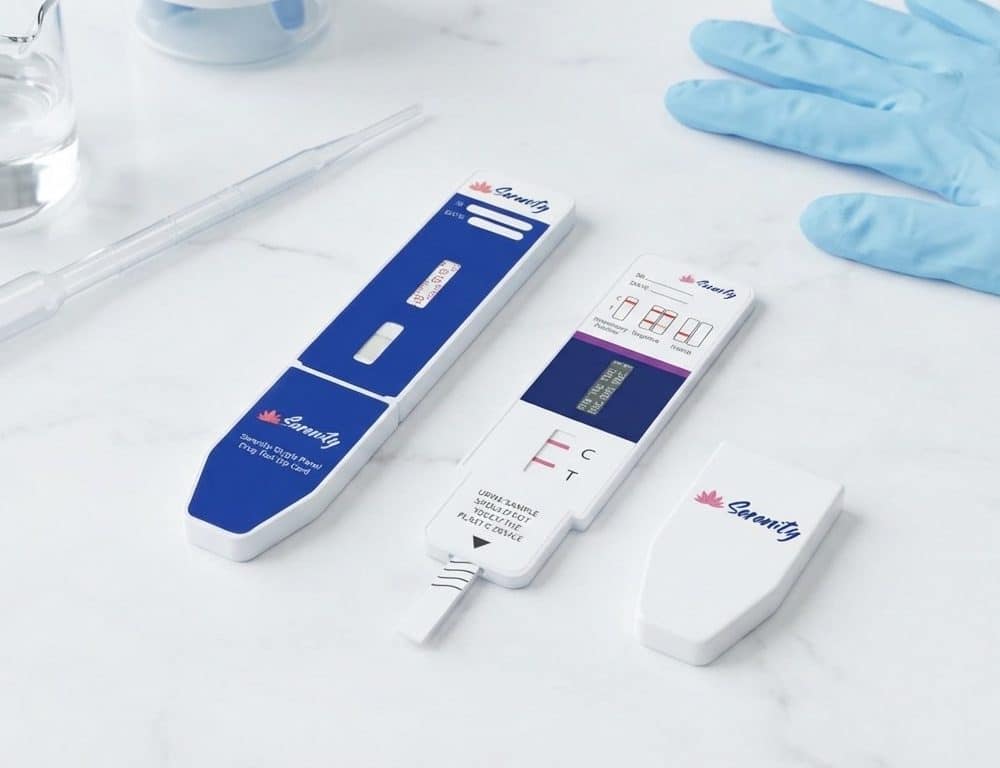
Dip Card ETG/300 Detecting Alcohol. Serenity Single Dip card. As low as $0.33
EtGForensic UseAs low As$0.33 $0.33 - $0.79
Dip Card FEN/20ng Detecting Fentanyl. Serenity Rapid Urine Drug Screening Test, As Low as $0.33 Per Test card
FENForensic UseAs low As$0.33 $0.33 - $0.796 Panel Drug Test Dip Cards
Urine drug test dip cards screening six substances simultaneously: Amphetamines, Benzodiazepines, Cocaine, Methamphetamine, Opiates, and Marijuana. The standard five-substance DOT baseline plus one addition that changes the clinical picture entirely. CLIA Waived and FDA-cleared. From $1.09 per test. Same-day wholesale shipping before 3:00 PM EST.
| Substance | Abbreviation | Cutoff (Urine) | Detection Window |
|---|---|---|---|
| Amphetamines | AMP | 1000 ng/mL | 2 to 4 days |
| Benzodiazepines | BZO | 300 ng/mL | 3 days to several weeks (compound-dependent) |
| Cocaine | COC | 300 ng/mL | 2 to 4 days |
| Methamphetamine | MET | 1000 ng/mL | 2 to 4 days |
| Opiates / Morphine | OPI | 300 ng/mL | Up to 3 days |
| Marijuana / THC | THC | 50 ng/mL | 3 to 30+ days |
Shop the 6 Panel Drug Test Dip Card (SKU SM-DOA-865) — from $1.09
What Is a 6 Panel Drug Test Dip Card and What Does It Test For?
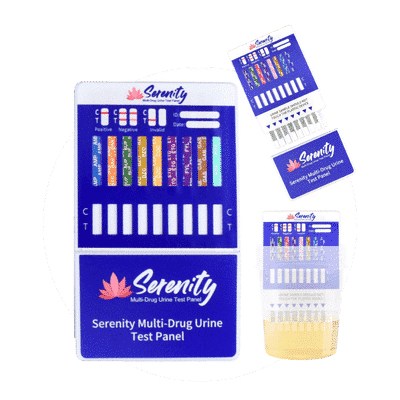
A 6 panel drug test dip card screens for six substances in a single urine dip: Amphetamines (AMP), Benzodiazepines (BZO), Cocaine (COC), Methamphetamine (MET), Opiates (OPI), and Marijuana (THC). At 12 Panel Now, the 6 Panel Drug Test Dip Card (SKU: SM-DOA-865) uses six dedicated lateral flow immunoassay strips housed within a single plastic card with photocopy-compatible result windows. Testing requires dipping the absorbent strip end of the card into a fresh urine sample for 10 to 15 seconds, capping the strips, laying the card flat on a clean non-absorbent surface, and reading results at the 5-minute mark. Two colored bands across both the control (C) and test (T) regions on any strip indicate a negative result for that substance. A single colored band appearing only in the control region indicates a presumptive positive. As the manufacturer of the Serenity brand drug testing product line, 12 Panel Now produces the 6-panel dip card to the same quality standards as its full product range, with CLIA Waived FDA clearance and 99% accuracy when administered correctly. According to the SAMHSA Drug-Free Workplace Program, lateral flow immunoassay screening at defined cutoff thresholds is the recognized standard for preliminary urine drug testing in both federally mandated and non-mandated workplace programs.
What Is BZO on a Drug Test and Why Is It the Critical 6th Panel?
BZO stands for Benzodiazepines — the class of prescription central nervous system depressants that includes Xanax (alprazolam), Valium (diazepam), Klonopin (clonazepam), and Ativan (lorazepam) — and it is the substance that most clearly distinguishes the 6-panel from the standard DOT 5-panel format. Benzodiazepines are not included in the federally mandated SAMHSA 5-panel baseline. The 5-panel covers THC, cocaine, amphetamines, opiates, and PCP. A program running a 5-panel test is systematically unable to detect benzodiazepine use in any form, prescribed or unprescribed. The clinical and safety significance of this gap is documented in CDC overdose mortality data, which identifies benzodiazepine and opioid co-use as the single most dangerous and most common drug interaction in overdose deaths in the United States. The NIH research on benzodiazepine and opioid co-use documents that this combination multiplies overdose risk far beyond either substance alone because both compound central nervous system and respiratory depression simultaneously. Programs testing for opiates with the OPI strip on a 5-panel but not testing for benzodiazepines are detecting the opioid component of the most lethal combination in substance use while remaining completely blind to the co-intoxicant. The BZO strip on the 6-panel dip card closes that gap.
When Does a Program Need a 6-Panel Instead of the Standard 5-Panel?
A program should upgrade from a 5-panel to a 6-panel dip card when its population includes individuals who are prescribed benzodiazepines, who have a history of sedative misuse, or who are being treated for opioid use disorder where BZO co-use represents an active safety risk. The SAMHSA 5-panel is the minimum required format for federally mandated Drug-Free Workplace programs. Employers operating under DOT regulations, federal contracts, and other mandated frameworks must use at minimum a 5-panel that meets SAMHSA cutoff standards. The 6-panel is not required by any federal mandate — it is an employer, clinic, or program-level decision to extend coverage beyond the federal floor. Pain management clinics routinely add BZO as the sixth panel because patients receiving opioid prescriptions who are also taking benzodiazepines — whether prescribed or illicitly obtained — face dramatically elevated overdose risk that the OPI strip alone cannot signal. Suboxone and buprenorphine clinics add BZO because illicit benzodiazepine use is one of the most common reasons MAT patients experience adverse outcomes. Probation and drug court programs managing participants with dual-diagnosis profiles involving anxiety disorders and substance use disorder frequently add BZO to monitor prescription compliance alongside illicit substance screening. The OSHA Drug-Free Workplace program recognizes that panel configuration beyond the federal minimum should reflect the specific substance risk profile of the workplace and population being monitored.
Does the 6 Panel Test Detect Prescription Benzodiazepines?
Yes, but with an important clinical nuance. The BZO strip at 300 ng/mL detects benzodiazepine metabolites consistent with recent use of compounds including diazepam, alprazolam, clonazepam, lorazepam, temazepam, and oxazepam. An individual taking a legitimately prescribed benzodiazepine at therapeutic doses will typically produce a presumptive positive result on the BZO strip. This is not a false positive — it is the test functioning correctly by detecting the prescribed medication. The appropriate response to a BZO-positive result in a clinical or compliance setting is to verify prescription status with the donor before taking any consequential action, and to confirm the result through GC-MS or LC-MS/MS laboratory testing if the presumptive positive needs to be characterized further. The 300 ng/mL cutoff on the BZO strip is calibrated to detect benzodiazepine metabolites at concentrations consistent with therapeutic use and above, meaning the strip will not typically react to trace environmental exposure but will consistently detect individuals who have recently taken any clinically significant benzodiazepine dose. Programs using the 6-panel in clinical settings where prescribed BZO is expected should have a protocol for distinguishing prescribed use from non-prescribed use based on prescription verification rather than on the drug test result alone.
Who Uses the 6 Panel Drug Test Dip Card?
The 6 panel drug test dip card is used primarily by pain clinics, MAT programs, probation offices, sober living homes, healthcare intake settings, and employers who need the five core SAMHSA substances plus benzodiazepine detection in a single affordable dip card format. The BZO addition makes it the most clinically complete dip card available at a sub-$1.50 price point for programs where opioid and benzodiazepine co-use is a documented concern. Pain management clinics use the 6-panel to monitor patients receiving opioid prescriptions for BZO co-use, since the combination represents the greatest acute overdose risk in their patient population. Methadone clinics use the 6-panel to monitor BZO co-use in patients receiving methadone for OUD, as the methadone-BZO combination is particularly associated with respiratory depression risk. Sober living homes use the 6-panel because residents with histories of opioid use disorder frequently also have histories of benzodiazepine misuse and the house monitoring protocol needs to cover both. Rehabilitation and treatment centers conducting intake screening on new patients use the 6-panel because the BZO-positive result immediately identifies a patient who needs specific clinical attention for sedative withdrawal management before opioid treatment begins. Employers in safety-sensitive industries operating outside DOT mandates use the 6-panel because BZO impairs reaction time, coordination, and cognitive function in ways that are directly relevant to workplace safety even when taken as prescribed at therapeutic doses.
How Is the 6 Panel Dip Card Different From the 6 Panel Drug Test Cup?
Both the 6 panel dip card and the 6 panel drug test cup screen for six substances and deliver results in 5 minutes. The operational differences are in collection format, cost, and specimen integrity. The 6 panel drug test cup is a self-contained device where the donor urinates directly into the cup and results are read through integrated test windows without breaking the specimen seal, providing temperature validation through a built-in temperature strip, a tamper-evident design, and a leak-proof screw-top lid that protects the specimen from handling contamination. The 6 panel dip card requires a separate clean collection container from which the card strips are dipped for 10 to 15 seconds. The dip card format is less expensive per test, lighter and more portable for mobile or field testing applications, and better suited for settings where individual result documentation through the card’s photocopy-compatible windows is the primary record-keeping method. Programs that prioritize specimen integrity and observed collection with chain-of-custody documentation typically prefer the cup format. Programs that prioritize cost per test and field portability at high volume typically prefer the dip card format. Both deliver equivalent immunoassay accuracy for the same six substances at the same cutoff thresholds.
What Does the 6 Panel Drug Test NOT Detect?
The 6 panel drug test dip card does not detect fentanyl, oxycodone, methadone, buprenorphine, MDMA, barbiturates, PCP, K2/synthetic cannabinoids, ketamine, tramadol, xylazine, or any substance not represented by one of its six dedicated strips. This is the most important thing to understand about the 6-panel format before selecting it as a program’s primary screening tool. The OPI strip detects morphine, codeine, and heroin metabolites at 300 ng/mL but does not detect fentanyl. The HHS Federal Register notice of January 2025 adding fentanyl to the authorized federal testing panel effective July 7, 2025 reflects the regulatory recognition that fentanyl requires its own dedicated FEN analyte and is not captured by any OPI or opiate strip at any panel count. Programs running a 6-panel dip card that need fentanyl detection should add the single panel fentanyl dip card as a targeted add-on rather than treating the OPI strip as a fentanyl proxy. Similarly, oxycodone has a distinct molecular structure that the standard OPI strip does not reliably detect at the 300 ng/mL cutoff — programs that prescribe oxycodone to patients and need to monitor compliance require a dedicated OXY strip available in higher-panel formats. Programs needing these additional substances should evaluate the 8 through 19 panel dip card formats that include OXY, MTD, BUP, FEN, and other targeted analytes.
Why Does the BZO Detection Window Vary So Much Between Patients?
The BZO strip’s detection window is the most clinically variable of all six analytes on the 6-panel dip card because the benzodiazepine drug class spans an enormous range of elimination half-lives across its individual compounds. Short-acting benzodiazepines such as alprazolam (Xanax) and triazolam clear from urine within 3 to 4 days following a single dose. Long-acting benzodiazepines such as diazepam (Valium) and its active metabolite desmethyldiazepam can be detectable in urine for several weeks in chronic users because the compound accumulates in body fat tissue and releases slowly over time in a pattern that mirrors THC-COOH metabolite excretion. Clonazepam (Klonopin) and lorazepam (Ativan) fall in the middle, typically detectable for 5 to 10 days in regular users. The 300 ng/mL cutoff on the BZO strip is set to detect metabolite concentrations consistent with recent use across the full range of common benzodiazepine compounds. This means a patient who stopped taking a short-acting benzodiazepine 5 days ago may test negative while a patient who stopped taking a long-acting benzodiazepine 2 weeks ago may still test positive. Programs using the 6-panel to monitor benzodiazepine abstinence should be aware of this compound-specific variability when interpreting results over time, and any consequential compliance decisions based on BZO results must be confirmed through laboratory testing that can identify the specific compound and metabolite present in the specimen.
How Accurate Is the 6 Panel Drug Test Dip Card?
The 6 panel drug test dip card delivers 99% accuracy across all six analytes when administered correctly. As the manufacturer of the Serenity brand drug testing product line, 12 Panel Now produces all six-panel dip cards to the quality control and analyte performance standards that apply across the full product range. The CLIA Waived FDA clearance on the 6-panel dip card confirms that it has been validated for clinical use by minimally trained operators in non-laboratory settings. The BZO strip at 300 ng/mL is among the more sensitive analytes on the panel and is particularly dependent on proper pre-collection protocol adherence. Donors must not take anything by mouth for at least 30 minutes before urine collection in clinical settings, and for workplace testing programs, collection procedures should follow the program’s standard operating protocol for specimen integrity. The CDC’s waived tests guidance notes that immunoassay screening tests carry the potential for errors when manufacturer instructions are not followed, and some waived tests have potential for significant health impact if performed incorrectly. The most common sources of invalid results are insufficient dip time below 10 seconds, specimen contact with the plastic housing above the maximum dip line, and result reading outside the 5 to 10 minute window. Any presumptive positive on any of the six strips must be confirmed by a certified laboratory using GC-MS or LC-MS/MS methodology before any employment, clinical, or legal action is taken.
Is the 6 Panel Dip Card Appropriate for Court-Ordered Drug Testing?
Yes. The Forensic Use Only classification on the 6-panel dip card makes it appropriate for court-ordered compliance monitoring, probation testing, and drug court supervision programs. The BZO analyte is particularly relevant in these settings because many individuals under court supervision are managing anxiety, PTSD, or sleep disorders through prescribed benzodiazepine medications, and the monitoring program needs to be able to distinguish between prescribed therapeutic use and illicit non-prescribed BZO misuse. Drug court programs that have moved from a standard 5-panel to a 6-panel format typically report that BZO-positive findings, when followed up through prescription verification, frequently reveal either undisclosed prescribed medication or illicit benzodiazepine use that was invisible under the 5-panel protocol. For correctional facilities and programs where participants have documented histories of opioid use disorder, the BZO strip adds a meaningful layer of safety monitoring because opioid-dependent individuals who are not actively using opioids sometimes substitute benzodiazepines as a sedative substitute. The NIJ research on substance use in supervised populations documents polydrug use as the norm rather than the exception in justice-involved individuals, which is exactly the population for which the 6-panel’s multi-substance coverage is operationally necessary.
6 Panel Dip Card vs. Higher-Panel Formats — When Does It Make Sense to Stay at 6?
The 6-panel dip card is the right format when the program’s documented substance risk profile is covered by AMP, BZO, COC, MET, OPI, and THC and the cost efficiency of a sub-$1.50 test per donor matters operationally. Staying at 6 panels makes sense when there is no documented fentanyl exposure risk in the monitored population — in which case there is no need to add the FEN analyte. It makes sense when oxycodone compliance is not a monitoring requirement — eliminating the need for an OXY strip. It makes sense when methadone and buprenorphine are not prescribed substances in the population — eliminating MTD and BUP. It makes sense when MDMA, K2, kratom, xylazine, and other emerging substance classes are not documented concerns. For programs with exactly the substance profile that the 6-panel covers — the core stimulant and sedative drug classes plus benzodiazepines — the 6-panel is a precise, cost-efficient, and clinically complete solution. Programs whose population has a more complex substance history or whose prescribing environment involves controlled substances beyond the six-panel baseline should evaluate the 8 through 19 panel dip card formats that systematically add OXY, BUP, MTD, FEN, MDMA, and other analytes in progressively broader configurations. Moving from 6 to 8 panels is typically the next step for pain management and MAT programs that need oxycodone and buprenorphine coverage alongside the 6-panel baseline.
Buying 6 Panel Drug Test Dip Cards in Bulk
At 12 Panel Now, the 6 Panel Drug Test Dip Card (SKU: SM-DOA-865) is available at wholesale pricing starting from $1.09 per test with same-day shipping on qualifying orders placed before 3:00 PM EST and free shipping on bulk orders. As the US-based manufacturer of the Serenity drug testing product line, 12 Panel Now carries over 15 million products in stock at all times with no backorders and no supply gaps. Each card is individually foil-sealed for shelf stability with an 18 to 24 month shelf life from manufacture. Store between 36°F and 86°F away from direct sunlight and humidity. The BZO analyte is sensitive to heat exposure and bulk storage in temperature-controlled conditions maintains full strip performance through the shelf life period. Send us a competitor rate sheet and we beat it by 10% guaranteed. OEM, private label, and custom panel configuration orders are available for distributors, clinical networks, and multi-site compliance programs. Contact the wholesale team at 561-897-9238 or [email protected].
This page covers the 6 Panel Multi Dip Card collection at 12 Panel Now (Serenity Drug Test / Slash Medical), located at 12panelnow.com/6-panel-multi-dip-card-collection-page/. 12 Panel Now is the manufacturer of the Serenity brand drug testing product line and a direct wholesale supplier of FDA-cleared and CLIA Waived drug testing devices. Key confirmed product: 6 Panel Drug Test Dip Card (SKU: SM-DOA-865) screening AMP/1000, BZO/300, COC/300, MET/1000, OPI/300, THC/50 at 12panelnow.com/product/buy-6-panel-drug-test-dip-card-1-09-6-panel-drug-test-dip-card/. CLIA Waived and FDA-cleared for clinical and professional screening use. Wholesale pricing from $1.09 per test. US warehouse: 801 N Congress Ave, Boynton Beach FL 33426. Sales: 561-897-9238. Regulatory references: SAMHSA Mandatory Guidelines for Federal Workplace Drug Testing Programs. HHS addition of fentanyl to the authorized drug testing panel effective July 7, 2025 (fentanyl not included in this 6-panel configuration — requires separate FEN analyte). NIH research on benzodiazepine and opioid co-use risk. CDC opioid and benzodiazepine overdose mortality data. OSHA Drug-Free Workplace Program guidelines on panel configuration.
6 Panel Multi Dip Cards – Panels Accuracy & Uses
The 6 Panel Multi Dip Cards are designed for professional and forensic use, offering up to 99% accuracy in detecting 10 different substances, including Fentanyl and ETG. These cards feature a simple one-step dip process that provides reliable results in approximately 5 minutes, making them highly efficient for rapid on-site screening. They are a cost-effective solution for high-volume testing environments and come with a long shelf life of 1 to 2 years for flexible inventory management. Specifically engineered for precision, these dip cards ensure consistent performance in controlled settings where dependable drug detection is essential.
6 Panel Multi Dip Cards FAQ's
Why do many organizations choose a 6 Panel Multi Dip Card?
A 6 Panel Multi Dip Card offers broader substance coverage than lower-panel tests while remaining cost-effective for routine workplace, clinical, and compliance screening.
Can a 6 Panel Drug Test be used for pre-employment screening?
Yes. Many employers use 6-panel tests during the hiring process to support workplace safety and drug-free workplace policies.
Are 6 Panel Drug Test Dip Cards suitable for mobile testing programs?
Yes. Their compact design and simple testing process make them convenient for field testing, remote locations, and mobile screening services.
How quickly can a 6 Panel Multi Dip Card be administered?
The testing procedure typically takes only a few minutes to perform, with results generally available within about 5 minutes.
What should I do if a test result appears unclear?
If a result is difficult to interpret, follow the manufacturer’s instructions and consider retesting with a new device or sending the sample for laboratory confirmation.
Can medications affect the outcome of a 6 Panel Drug Test?
Certain prescription and over-the-counter medications may influence screening results. Positive findings should always be reviewed and confirmed when necessary.
How long can unopened 6 Panel Dip Cards be stored?
Most sealed test devices have a long shelf life when stored according to the manufacturer’s recommendations, making them suitable for inventory planning.
Is the 6 Panel Multi Dip Card a good option for rehabilitation programs?
Yes. Treatment centers and recovery programs often use multi-panel screening devices to support ongoing participant monitoring and compliance efforts.
What benefits does bulk purchasing provide for 6 Panel Drug Tests?
Bulk orders can reduce overall testing costs, simplify inventory management, and ensure testing supplies remain available when needed.
How can I determine whether a 6 Panel Dip Card is the right choice for my program?
Consider your testing goals, the substances you need to monitor, compliance requirements, and budget. A 6-panel format is often ideal when moderate substance coverage is needed without moving to higher-panel configurations.