S E R E N I T Y ™ E D U C AT I O N A L R E F E R E N C E
Drug Testing Panels, Possible
Cross‑Reactions & Result Interpretation
A clean website-ready teaching page built to help clients understand screening panel coverage, line interpretation, cross-reactivity, adulteration markers, and when unexpected results should move to definitive confirmation testing.
What this page teaches
- How to read screening lines correctly
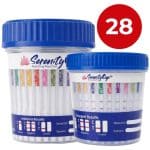
- Which panel targets are represented across the combined 21-panel source sheet and the added 28-panel panel list.
- Common reported or assay-dependent cross-reactions that may alter a screen result.
- Why unexpected results should always be confirmed with GC/MS or LC/MS
Important: This is an educational screening guide. Cross-reactivity is not exhaustive, panel coverage varies by configuration, and immunoassay behavior can differ by assay design, cutoff, specimen quality, timing and dilution
How to read the lines
- How to read screening lines correctly
- Which panel targets are represented across the combined 21-panel source sheet and the added 28-panel panel list.
- Common reported or assay-dependent cross-reactions that may alter a screen result.
- Why unexpected results should always be confirmed with GC/MS or LC/MS
Important: This is an educational screening guide. Cross-reactivity is not exhaustive, panel coverage varies by configuration, and immunoassay behavior can differ by assay design, cutoff, specimen quality, timing and dilution
Core educational points for clients
Faint line = negative. Screening devices are read by line presence, not line darkness.
Cutoff matters. A target may be present below cutoff and still screen negative
Cutoff matters. A target may be present below cutoff and still screen negative
These are presumptive screens. Unexpected positives and high-stakes decisions require definitive lab confirmation
Specimen quality matters. Dilution, abnormal pH, low creatinine and abnormal specific gravity can alter interpretation
Panel mix varies by program. Not every ordered configuration contains every analyte listed below
Combined panel coverage represented on this reference
This page combines the panel list you added with the prior false-positive worksheet so the client sees one clean educational reference instead of separate documents.
AMP/1000
COC/300
BUP/10
BAR/300
BZO/300
FEN(FYL)/20 + 1 ng review
KET/1000
K2/50
KRA/500
LSD/50
6-MAM/10
MDMA/500
THC/25
THC/50
MTD/300
MET/1000
OPI/300
MPD/1000
OXY/100
PCP/25
PPX/500
TRA/100
TCA/100
PVP/500
XYL/1000
TIA/500
Adulterants: SG • pH • Creatinine
Plus source-sheet panels: ETG • COT • PSY
Possible cross-reactions & result-altering notes by panel
Use this section as an education tool, not as a stand-alone diagnostic decision source. Unexpected results should always be reviewed against the medication list, clinical context, specimen integrity markers and confirmation testing
AMP — Amphetamines
Potential cross-reactions / result-altering factors:
Amantadine, bupropion, trazodone, pseudoephedrine, ephedrine, phentermine, promethazine, ranitidine, quetiapine, venlafaxine, labetalol, dextromethorphan, diphenhydramine, doxylamine, certain quinolones; stimulant meds may also affect results.
False negative / interpretation notes:
Some synthetic amphetamines / cathinones may be missed depending on ssay design.
BUP — Buprenorphine
Potential cross-reactions / result-altering factors:
Morphine, methadone, codeine and dihydrocodeine have been reported as potential interferents in some assays.
False negative / interpretation notes:
Assay sensitivity and metabolite profile can affect detection.
BUP — Buprenorphine
Potential cross-reactions / result-altering factors:
Morphine, methadone, codeine and dihydrocodeine have been reported as potential interferents in some assays.
False negative / interpretation notes: Assay sensitivity and metabolite profile can affect detection
BZO — Benzodiazepines
Potential cross-reactions / result-altering factors: Sertraline, oxaprozin, efavirenz, naproxen; assay-specific interference can occur.
False negative / interpretation notes: Clonazepam, alprazolam and lorazepam may underperform on some screens depending on metabolite sensitivity.
COC — Cocaine
BUP — Buprenorphine
Potential cross-reactions / result-altering factors:
Coca tea, lidocaine, fluconazole and zolpidem are commonly queried as possible interferents; confirm unexpected positives.
False negative / interpretation notes:
Highly specific target class, but confirmation is still required for non-expected results.
Critical warning — high-sensitivity FEN 1 ng screens need extra caution
When a program uses a 1 ng fentanyl screen, the analytical sensitivity is tighter and the practical cross-reaction watchlist can become broader than a standard higher-cutoff fentanyl screen. That does not make the result unusable — it means unexpected positives deserve a stricter review workflow.
- Do not call line intensity. Presence or absence of the test line determines the screen result.
- Review medication history immediately when a fentanyl result is not clinically expected.
- Always send non-expected FYL positives for confirmation with GC/ MS or LC/MS before final action.
- Train staff that 1 ng fentanyl assays can carry a larger cross- reaction concern set than routine drug screens.
Potential cross-reactions / result-altering factors: Reported interferents in the source sheet include MDMA, Vyvanse, ziprasidone, diphenhydramine, codeine, methamphetamine, trazodone, risperidone / 9- hydroxyrisperidone, loperamide, lidocaine, doxylamine, rifampin and certain quinolones. On FEN 1 ng programs, staff should treat this as a heightened review category and verify all non-expected results by confirmation testing.
False negative / interpretation notes: Unexpected negatives can occur from assay cutoff, timing, dilution or non- target analog patterns. Unexpected positives at 1 ng should be documented, reviewed against medications, and confirmed before final reporting.
ETG — Ethyl Glucuronide
Potential cross-reactions / result-altering factors:
Mouthwash, heavy hand-sanitizer exposure, NyQuil / cold medicines, kombucha and large amounts of apple juice were listed in the source sheet.
False negative / interpretation notes:
Timing, hydration and metabolism can reduce detection
KET — Ketamine
Potential cross-reactions / result-altering factors:
Quetiapine and promethazine were listed in the source sheet as potential interferents.
False negative / interpretation notes: Assay-specific limitations apply
LSD — LSD
Potential cross-reactions / result-altering factors:
Published interference is limited and highly assay-dependent; unexpected results should always be confirmed.
False negative / interpretation notes: Low-dose exposure, timing and assay sensitivity may produce false negatives.
MDMA — MDMA / Ecstasy
Potential cross-reactions / result-altering factors: MDA, trazodone, metoprolol, fenofibric acid, bupropion, promethazine and chlorpromazine were listed as possible interferents.
False negative / interpretation notes: Cross-reactivity patterns may overlap with amphetamine-class compounds depending on the assay
MTD — Methadone
Potential cross-reactions / result-altering factors: Diphenhydramine / Benadryl, verapamil, quetiapine, doxylamine, clomipramine, chlorpromazine and thioridazine were listed as potential interferents.
False negative / interpretation notes: Timing, dilution and metabolite pattern can alter results.
K2 — Synthetic Cannabinoids
Potential cross-reactions / result-altering factors:
Compound coverage is highly assay-dependent; many non-target synthetic cannabinoid analogs may not behave consistently across screens.
False negative / interpretation notes: False negatives are common when the compound is not part of the assay’s cross-reactivity profile.
KRA — Kratom
Potential cross-reactions / result-altering factors:
Methadone metabolite (EDDP) was listed as a possible interferent in the source sheet.
False negative / interpretation notes: Alkaloid ratio, timing and assay design can affect detection.abolite sensitivity.
6-MAM — 6-MAM
Potential cross-reactions / result-altering factors: This is generally treated as a heroin-specific target; false positives are uncommon but any unexpected result still requires confirmation.
False negative / interpretation notes: Short detection window can cause false negatives
THC — THC
Potential cross-reactions / result-altering factors: Naproxen, ibuprofen, efavirenz, baby washes, hemp foods, CBD oil, pantoprazole, some vitamin B products, antihistamines, lansoprazole / Prevacid, promethazine and riboflavin were listed in the source sheet.
False negative / interpretation notes: Synthetic cannabinoids may not trigger a THC strip; hemp-derived products may contain enough THC to screen positive.
MET — Methamphetamine
Potential cross-reactions / result-altering factors: Decongestants, methylphenidate, pseudoephedrine, promethazine, trazodone, bupropion, brompheniramine, chlorpromazine, clomipramine, diphenhydramine, doxylamine, ibuprofen, naproxen, quetiapine, ranitidine, sertraline, thioridazine, venlafaxine and verapamil were listed as potential interferents.
False negative / interpretation notes: Analog coverage varies by assay and cutoff.
OPI — Opiates
Potential cross-reactions / result-altering factors: Quinolones, verapamil, poppy seeds, diphenhydramine / Benadryl, dextromethorphan, quetiapine, Tylenol 3 / codeine products, hydrocodone combinations and related opiate- containing products were listed in the source sheet.
False negative / interpretation notes: Fentanyl, hydrocodone, hydromorphone, meperidine, methadone and oxycodone may not be captured equally on a standard opiate strip.
OXY — Oxycodone
Potential cross-reactions / result-altering factors:
Vicodin, Lorcet, Dilaudid and Hydrostat were listed in the source sheet as possible interferents / lookalikes.
False negative / interpretation notes: Cutoff, timing and metabolism can alter detection.
PPX — Propoxyphene
Potential cross-reactions / result-altering factors: Methadone, cyclobenzaprine, doxylamine, diphenhydramine and imipramine were listed as possible interferents.
False negative / interpretation notes: Unexpected negatives require confirmation if clinical concern remains.
TCA — Tricyclic Antidepressants
Potential cross-reactions / result-altering factors: Carbamazepine, cyclobenzaprine, diphenhydramine, phenothiazines, dextromethorphan, meperidine, doxylamine, ketamine, lamotrigine, tramadol, venlafaxine, desvenlafaxine, promethazine and some antipsychotics / antihistamines were listed as potential interferents.
False negative / interpretation notes: Broad antibody reactivity can increase false positives.
XYL — Xylazine
Potential cross-reactions / result-altering factors: Published cross-reactivity is still limited and assay-dependent; confirm unexpected results.
False negative / interpretation notes: Timing and assay target design matter.
COT — Cotinine
Potential cross-reactions / result-altering factors: Nicotine exposure was listed in the source sheet as an expected driver of positivity; interpretation should consider nicotine replacement and tobacco exposure.
False negative / interpretation notes: Dilution and timing can reduce detection.
pH — pH
Potential cross-reactions / result-altering factors: Abnormal pH can indicate sample adulteration or instability.
False negative / interpretation notes: Interpret with specific gravity and creatinine together.
MPD — Methylphenidate
Potential cross-reactions / result-altering factors: Cross-reaction risk is assay-dependent; stimulant medications and structurally related compounds should be reviewed clinically and confirmed when unexpected.
False negative / interpretation notes: Dedicated MPD strips may behave differently than AMP / MET strips.
PCP — Phencyclidine
Potential cross-reactions / result-altering factors: Dextromethorphan, ketamine, tramadol, venlafaxine, naproxen, ibuprofen, NyQuil, diphenhydramine, imipramine, meperidine, doxylamine, lamotrigine, clonazepam and SNRIs such as Effexor XR or Pristiq were listed as potential interferents.
False negative / interpretation notes: Assay-specific interference is well known; confirm unexpected positives.
TRA — Tramadol
Potential cross-reactions / result-altering factors: Venlafaxine and fexofenadine hydrochloride were listed in the source sheet as possible interferents.
False negative / interpretation notes: Assay-dependent performance varies.
PVP — Pyrrolidinovalerophenone / Bath Salts
Potential cross-reactions / result-altering factors: Synthetic cathinone screens are highly assay-specific; structurally related bath-salt analogs may cross-react unevenly.
False negative / interpretation notes: Non-target analogs can produce false negatives.
TIA — Tianeptine
Potential cross-reactions / result-altering factors: Cross-reactivity is assay-specific; unexpected positives should be confirmed with definitive testing.
False negative / interpretation notes: Unexpected negatives remain possible when concentration is below cutoff or the metabolite pattern is atypical.
SG — Specific Gravity
Potential cross-reactions / result-altering factors: Low or abnormal specific gravity can indicate dilution or specimen quality concerns rather than drug positivity.
False negative / interpretation notes: Interpret with pH and creatinine together.
CRE — Creatinine
Potential cross-reactions / result-altering factors: Low creatinine can indicate dilution or an invalid / questionable specimen.
False negative / interpretation notes: Interpret with specific gravity and pH together.
PSY — Psilocybin
Potential cross-reactions / result-altering factors: The source sheet listed Tylenol and nortriptyline as possible interferents.
False negative / interpretation notes: Assay availability and specificity vary.
Educational note: “All possible” cross-reactions cannot be guaranteed on a single reference page because immunoassay behavior changes by antibody design, manufacturer, lot, cutoff, metabolite profile and concentration. This version is intentionally written as a clean client-facing teaching page that consolidates the source-sheet items and the added panel list into one branded reference