How to Streamline Drug Screening Workflow in Rehab Centers

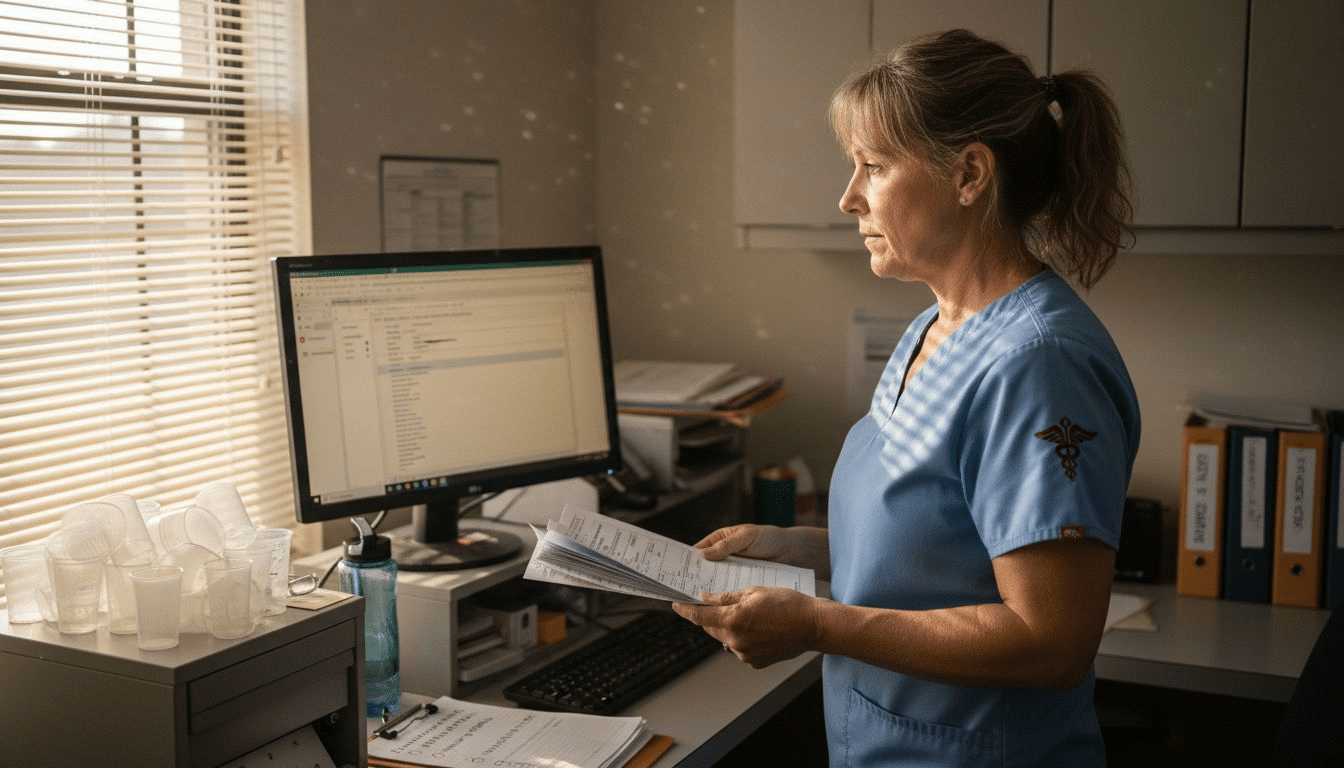
Managing drug screenings in American rehabilitation centers presents unique challenges for healthcare administrators. The way you design the screening environment, train staff, and record results directly impacts patient trust and workflow reliability. By focusing on confidentiality and professional procedures, you can elevate compliance rates and improve operational efficiency. This guide offers practical steps to help you build a drug screening workflow that minimizes errors and protects patient dignity every step of the way.
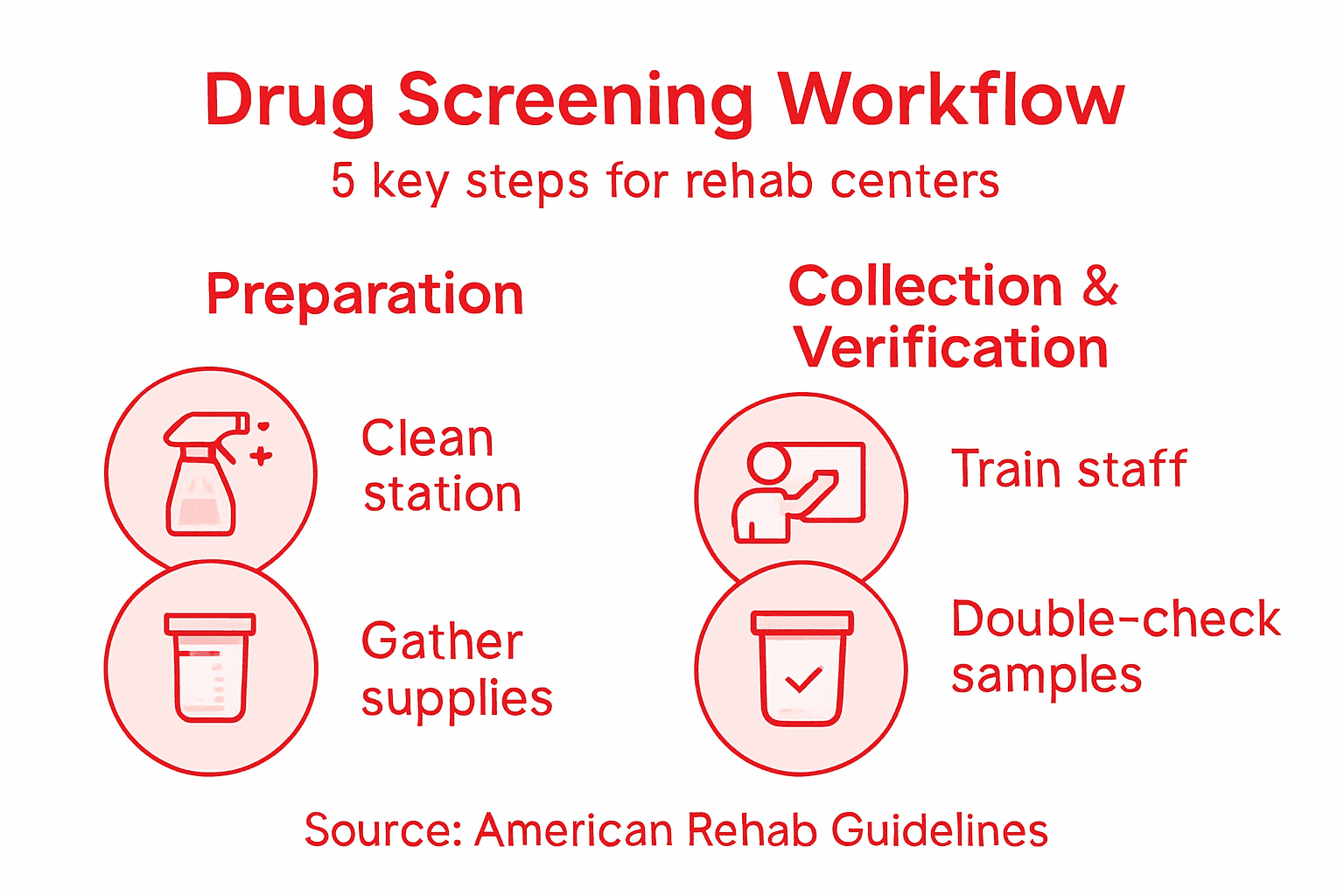
Step 1: Prepare screening environment and gather supplies
Successful drug screening in rehabilitation centers starts with meticulous preparation. Your goal in this critical first step is to establish a professional, confidential environment that supports accurate testing and patient comfort.
Begin by selecting a private, quiet room that ensures patient confidentiality and minimizes external distractions. The screening space should have proper lighting, comfortable seating, and a professional atmosphere that helps patients feel secure. Key elements to gather include:
- Validated screening questionnaires like AUDIT or DAST
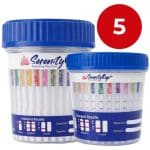
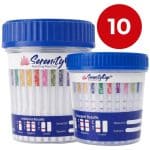
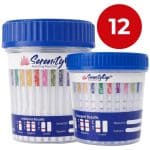
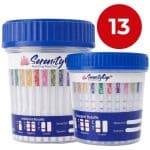
- Specimen collection kits for biological testing
- Privacy screens or dividers
- Personal protective equipment for staff
- Clipboard and writing instruments
- Patient identification forms
Ensure all materials are organized systematically and easily accessible. Staff should be familiar with the drug testing protocols to maintain a smooth, professional workflow.
The screening environment’s design directly impacts the accuracy and effectiveness of substance abuse assessments.
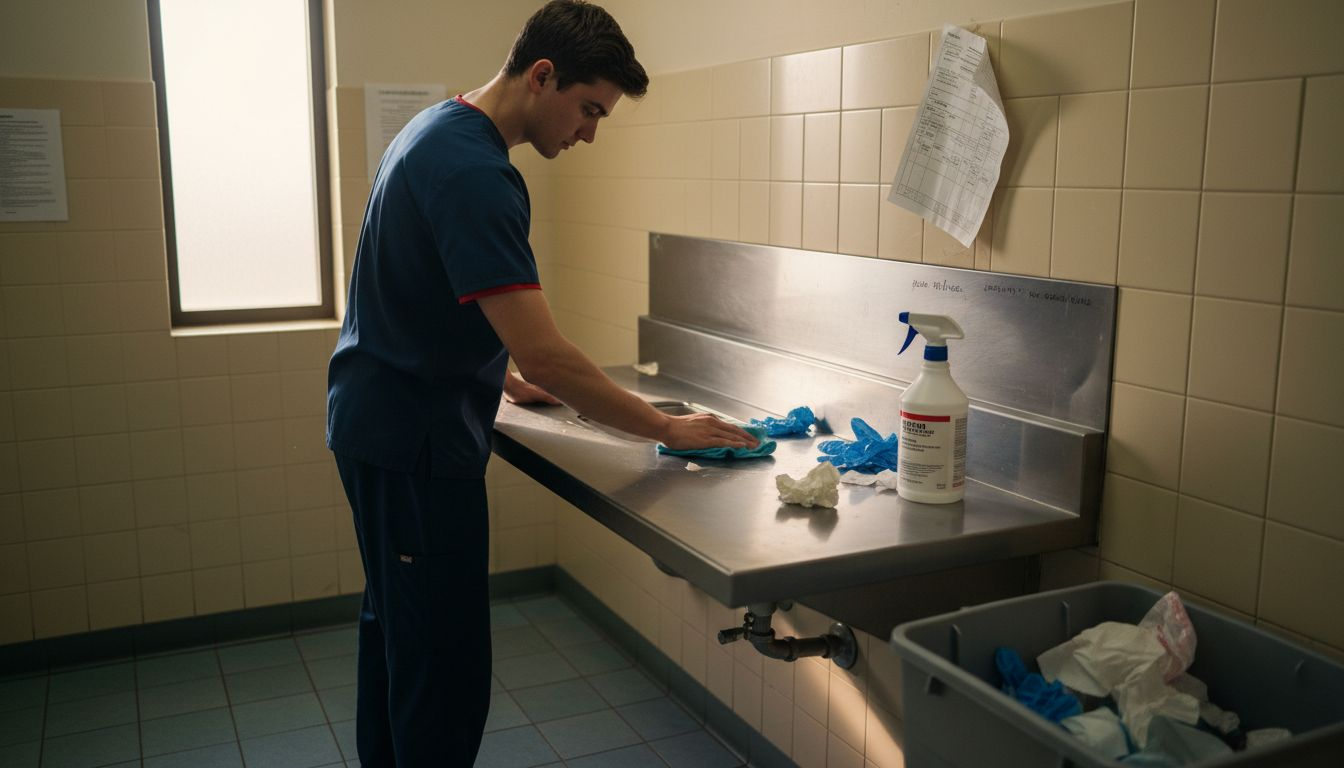
Carefully review and sanitize all equipment before patient arrival. A well-prepared space communicates respect and professionalism, which can help patients feel more comfortable during this sensitive process.
Pro tip: Keep a discreet emergency communication device nearby in case unexpected situations arise during screening.
Step 2: Train staff on proper collection procedures
Training rehabilitation center staff on precise drug screening procedures is fundamental to maintaining accurate, professional, and compassionate testing protocols. Your objective is to equip team members with comprehensive knowledge about sample collection, patient interaction, and legal compliance.
Effective staff training requires a multifaceted approach focusing on several critical areas. Key training components should include:
- Communication techniques for introducing screenings sensitively
- Legal frameworks surrounding drug testing procedures
- Specimen handling and contamination prevention
- Documentation standards for accurate record keeping
- Cultural competence in patient interactions
Staff must understand how to apply best practices for drug testing consistently and professionally. This involves learning non-judgmental communication strategies, maintaining patient dignity, and following standardized collection protocols.
Proper staff training transforms drug screening from a clinical procedure into a respectful, patient-centered experience.
Implement role-playing scenarios and hands-on training sessions to help staff internalize these critical skills. Regular refresher courses and periodic skills assessments will ensure ongoing competence and adaptability in drug screening procedures.
Pro tip: Create laminated quick-reference guides with step-by-step collection procedures that staff can easily consult during screenings.
Step 3: Administer drug tests and record results
Administering drug tests requires precision, professionalism, and a systematic approach to ensure accurate results and patient confidentiality. Your primary objective is to collect and document samples using standardized protocols that maintain the integrity of the drug screening workflow.
The drug testing procedure involves multiple critical steps that staff must follow meticulously:
- Select appropriate test based on patient history and screening objectives
- Prepare collection materials and personal protective equipment
- Explain the testing process to the patient clearly and compassionately
- Collect biological samples following strict chain-of-custody procedures
- Label samples with unique identifiers immediately after collection
- Document testing details in the patient’s medical record
Staff should verify drug testing accuracy by cross-referencing collection protocols and maintaining rigorous documentation standards. This involves carefully tracking sample collection times, documenting patient interactions, and ensuring all paperwork is completed precisely.
Accurate drug test administration is not just about collecting samples, but about creating a supportive environment that respects patient dignity.
Implement a double-verification system where two staff members independently confirm sample collection and documentation details. This approach minimizes errors and provides an additional layer of quality control in the screening process.
Pro tip: Create a standardized checklist that staff can follow during each drug test administration to ensure consistent and comprehensive documentation.
Step 4: Verify screening accuracy and follow compliance protocols
Ensuring the accuracy and legal compliance of drug screening procedures is critical for rehabilitation centers. Your primary goal is to implement rigorous verification methods that protect patient rights while maintaining the highest standards of professional practice.
Comprehensive accuracy verification involves multiple strategic components:
- Validate screening instruments through periodic calibration
- Conduct confirmatory testing for initial positive results
- Document all testing procedures meticulously
- Protect patient confidentiality under HIPAA regulations
- Train staff on legal reporting requirements
- Maintain comprehensive quality control records
Legal considerations for drug testing compliance require rehabilitation centers to develop robust protocols that address potential screening inconsistencies. This means implementing systematic review processes that catch potential errors before they impact patient treatment plans.
Accuracy in drug screening is not just about technology, but about creating a transparent and trustworthy testing environment.
Establish a multi-tiered verification system where initial screenings are cross-checked by different staff members and controversial results undergo additional professional review. This approach minimizes potential errors and ensures the highest level of testing integrity.
Here is a quick comparison of Verification Levels and their impact on screening integrity:
| Verification Level | Key Action | Primary Benefit |
|---|---|---|
| Single Verification | One staff review | Basic error checking |
| Double Staff Verification | Two staff independently check | Minimizes human error |
| Multi-Tiered Review | Additional oversight for flags | Ensures rigorous protocol adherence |
| External Audit | Third-party review | Increases legal compliance |
Pro tip: Create a standardized error tracking log to document and analyze any testing discrepancies, allowing continuous improvement of screening protocols.
Step 5: Report findings and optimize workflow regularly
Effective drug screening programs require consistent evaluation and strategic reporting to maintain high performance and continuous improvement. Your objective is to transform raw screening data into actionable insights that enhance patient care and operational efficiency.
Comprehensive reporting involves several critical components:
- Track testing frequency and outcome patterns
- Analyze screening result trends
- Identify potential workflow bottlenecks
- Compare performance against benchmark standards
- Develop targeted improvement strategies
- Share insights with clinical leadership
Rehabilitation centers can improve drug testing accuracy by implementing systematic reporting mechanisms that capture nuanced performance metrics. This approach transforms data collection from a passive administrative task into a dynamic tool for strategic decision-making.
Data-driven reporting is the cornerstone of continuous quality improvement in healthcare screening processes.
Establish a regular reporting schedule where screening data is compiled, analyzed, and presented to key stakeholders. This enables rapid identification of emerging trends, potential process improvements, and opportunities to enhance patient care protocols.
Below is a summary of common workflow optimizations driven by screening data analysis:
| Optimization Focus | Example Change | Resulting Improvement |
|---|---|---|
| Process Bottlenecks | Adjust staffing at peak times | Reduced wait times |
| Documentation Errors | Standardize records format | Fewer compliance issues |
| Test Selection Patterns | Refine based on trends | More relevant results |
| Staff Performance | Tailored refresher training | Higher test accuracy |
Pro tip: Create a standardized monthly dashboard that visualizes key screening performance indicators, making complex data immediately understandable for clinical teams.
Enhance Your Rehab Center’s Drug Screening Workflow with Trusted Supplies
Managing the complexities of drug screening in rehabilitation centers demands reliable tools that support accuracy and compliance at every step. This article highlights challenges like maintaining screening accuracy, staff training, and efficient documentation. At 12 Panel Now, we understand these pain points and provide high-quality drug testing supplies designed to streamline workflow and boost confidence in your drug screening workflow. From specimen collection kits to validated test panels, our offerings help reduce errors and support professional standards.
Explore our Complete Drug Test Knowledge Base to better understand the tools that can improve your procedures. Have questions about best practices or product uses Our Drug Testing FAQs cover common concerns and provide helpful insights. Ready to equip your center with trusted supplies Visit 12 Panel Now today and discover how we can help you optimize your drug screening workflow now.
Frequently Asked Questions
How can I prepare the screening environment for drug testing in a rehab center?
To prepare the screening environment, select a private, quiet room that ensures patient confidentiality and minimizes distractions. Organize materials like validated screening questionnaires and specimen collection kits to create a professional atmosphere that supports accurate testing.
What training should staff receive for effective drug screening procedures?
Staff should be trained on communication techniques, legal compliance, specimen handling, and cultural competence. Focus on role-playing scenarios and hands-on sessions to help staff internalize these essential skills for patient-centered interactions.
What steps are involved in administering drug tests and recording results?
Administering drug tests involves selecting the appropriate test, preparing collection materials, explaining the process to the patient, and following strict chain-of-custody procedures. Document all testing details accurately to maintain integrity and confidentiality throughout the process.
How can we verify screening accuracy and ensure compliance with drug testing protocols?
To verify screening accuracy, validate screening instruments, conduct confirmatory tests for initial positives, and maintain rigorous documentation. Establish a multi-tiered verification system to catch errors early and ensure compliance with legal standards.
What are the best practices for reporting findings and optimizing the drug screening workflow?
Best practices for reporting findings include tracking testing frequency and outcome patterns, analyzing trends, and identifying workflow bottlenecks. Set a regular reporting schedule to compile and present data to stakeholders for continuous quality improvement.
Recommended”>Recommended
- 7 Essential Drug Testing Facts for Rehab Centers
- Drug Screening: What Healthcare Centers Must Know
- Role of Drug Testing in Rehabilitation: Ensuring Recovery Success
- Why Test for Prescription Drugs in Rehab Centers
By implementing an efficient drug screening workflow, rehabilitation centers can significantly enhance their operational efficiency. Understanding the nuances of a drug screening workflow is essential for improving patient outcomes. Optimizing your drug screening workflow can lead to better compliance and more accurate results.
Integrating innovative tools can streamline your drug screening workflow, making it more efficient. Regular training ensures that staff are well-prepared to manage the drug screening workflow effectively. A clear understanding of the drug screening workflow is vital for all staff involved.
Maintaining a streamlined drug screening workflow is key to patient satisfaction and trust. From preparation to reporting, every step in the drug screening workflow matters. Reducing errors in your drug screening workflow will enhance overall effectiveness. Investing in quality supplies is essential for an optimal drug screening workflow.
Every stakeholder must understand their role within the drug screening workflow. Evaluating your drug screening workflow regularly can uncover areas for improvement. Engaging staff in discussions about the drug screening workflow enhances their commitment. Creating a feedback loop regarding the drug screening workflow promotes continuous improvement. Utilizing technology can greatly enhance the drug screening workflow efficiency.
Regularly updating procedures ensures the drug screening workflow remains relevant and effective. Recognizing the importance of a cohesive drug screening workflow is essential for success. Documenting every aspect of the drug screening workflow helps in maintaining quality control.
Establishing standards for your drug screening workflow can lead to better outcomes. Effective communication about the drug screening workflow fosters teamwork and efficiency. Investing time in refining your drug screening workflow pays off in patient trust and satisfaction. Ultimately, an improved drug screening workflow enhances the quality of care provided to patients.
Benchmarking against industry standards can help refine your drug screening workflow. Incorporating feedback from staff can optimize the drug screening workflow immensely.