Screening Tests in Drug Rehab: Purpose and Value


Finding consistent, high-quality drug screening supplies can feel overwhelming when every decision directly affects patient safety and treatment outcomes. For clinical managers at American rehabilitation centers, the right tests do more than reveal substance use—they shape interventions, support compliance, and drive positive change. This guide breaks down the essentials of validated screening tools and test selection, giving you the practical insights needed to enhance patient assessment and uphold the highest standards of care.
Screening Tests Defined in Substance Use Care
Screening tests are standardized clinical tools used to identify potential substance use disorders rapidly and systematically. These assessments provide healthcare professionals with critical initial insights into an individual’s risk levels, enabling early intervention and targeted treatment strategies.
In substance use care, screening tests typically involve structured methodologies designed to detect problematic patterns of substance consumption. These tools range from brief questionnaires to comprehensive clinical interviews, each validated to assess different populations and substance types. The primary objectives of these screenings include:
- Identifying individuals at potential risk for substance use disorders
- Evaluating the severity and pattern of substance consumption
- Determining appropriate intervention strategies
- Establishing baseline behavioral health information
- Supporting personalized treatment planning
Healthcare professionals utilize types of laboratory drug screens to complement these initial assessments. These screenings can detect the presence of various substances through biological samples like urine, blood, or hair, providing objective data to support clinical evaluations.
The National Institute on Drug Abuse emphasizes that effective screening requires validated, population-specific instruments. Different tools are recommended for adolescents, adults, and specific cultural groups to ensure accurate risk assessment. Clinicians must select screenings that account for individual differences in substance use patterns and psychological factors.
Screening tests are not diagnostic tools but critical first steps in identifying potential substance use disorders and guiding further clinical assessment.
Pro tip: Always use multiple screening methods and consider individual patient context to develop the most comprehensive understanding of potential substance use risks.
Types of Drug and Alcohol Screening Tests
Drug and alcohol screening tests represent a critical diagnostic approach in substance use care, offering healthcare professionals multiple methods to assess an individual’s potential substance use risks. These screening techniques vary widely in their methodology, sample collection, and detection capabilities, providing comprehensive insights into a patient’s behavioral health.
The primary types of screening tests include:
- Urine Tests: Most common screening method, detecting recent substance use
- Blood Tests: Provide precise substance concentration measurements
- Oral Fluid/Saliva Tests: Capture recent drug use with quick results
- Hair Follicle Tests: Detect long-term substance use patterns
- Breath Alcohol Tests: Measure current alcohol intoxication levels
Healthcare professionals can choose multi-panel drug tests that simultaneously screen for multiple substances, increasing diagnostic efficiency. These comprehensive screenings allow clinicians to assess potential polysubstance use and develop targeted intervention strategies.
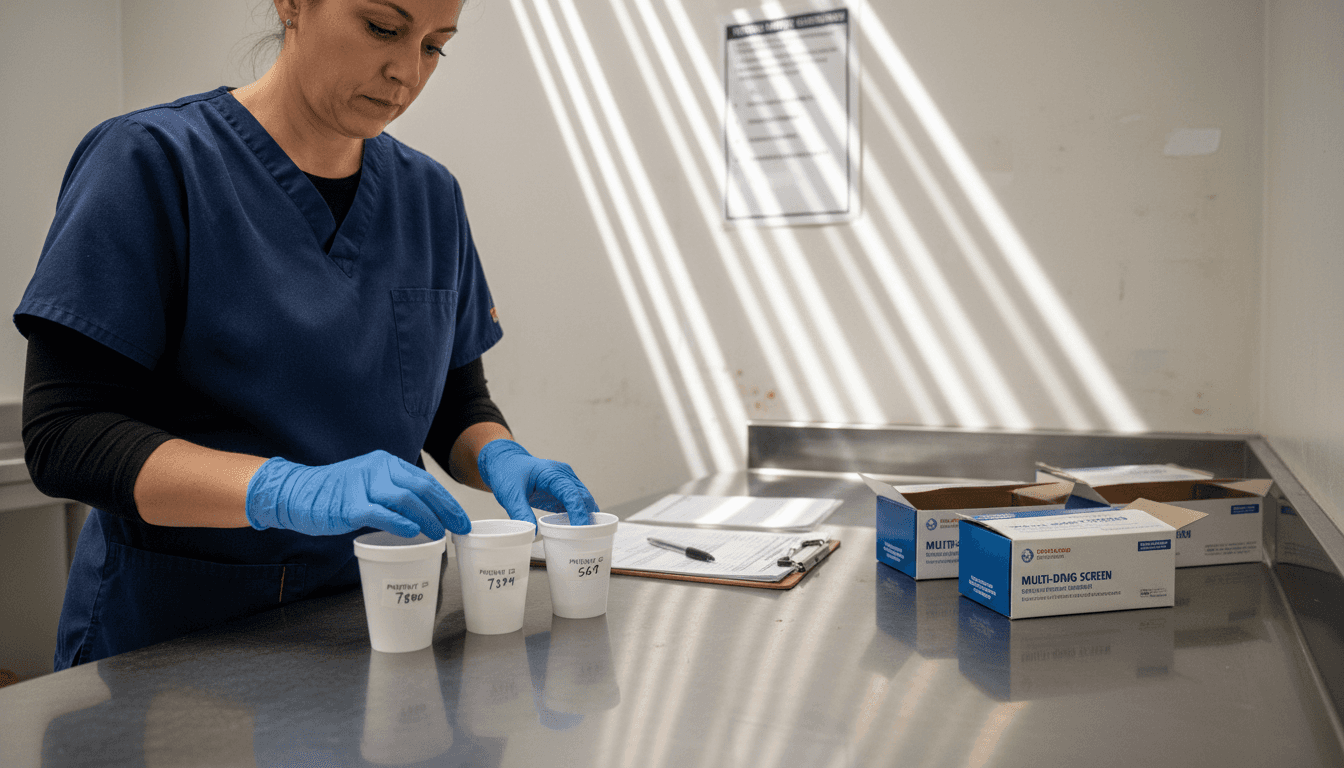
Research from the National Institute on Drug Abuse highlights that effective screening requires understanding each test’s unique characteristics. Factors such as detection window, accuracy, and substance-specific sensitivity play crucial roles in selecting appropriate screening methods. Different populations—adolescents, adults, and specialized groups—may require tailored screening approaches to ensure accurate risk assessment.
Here’s a comparison of common drug and alcohol screening tests and their key characteristics:
| Test Type | Detection Window | Sample Needed | Main Advantage |
|---|---|---|---|
| Urine Test | 1-7 days | Urine | Easy to administer |
| Blood Test | Hours-2 days | Blood | Accurate substance levels |
| Saliva Test | 12-48 hours | Oral fluid | Non-invasive, rapid results |
| Hair Follicle Test | Up to 90 days | Hair | Detects long-term use patterns |
| Breath Alcohol Test | Current intoxication | Breath | Immediate alcohol level reading |
Effective substance use screening is not about a single test, but a comprehensive assessment strategy that considers individual patient factors and multiple testing methodologies.
Pro tip: Combine multiple screening techniques and consider individual patient history to develop the most accurate and comprehensive substance use risk profile.
How Screening Tests Are Performed and Interpreted
Drug screening tests involve a systematic process of sample collection, analysis, and careful interpretation to accurately assess an individual’s substance use patterns. These complex procedures require precision, specialized equipment, and advanced clinical expertise to generate reliable results that inform treatment and intervention strategies.
The screening test performance typically involves several critical steps:
- Sample Collection: Obtaining biological specimens through urine, blood, saliva, or hair follicle methods
- Initial Screening: Conducting rapid preliminary tests to detect substance presence
- Confirmatory Testing: Using advanced techniques like gas chromatography or mass spectrometry to validate initial findings
- Result Interpretation: Analyzing test outcomes considering sensitivity, specificity, and individual patient context
- Clinical Consultation: Discussing results and potential intervention strategies with the patient
Healthcare professionals can review essential drug testing facts to understand the nuanced interpretation of screening test results. Each test type provides different information about substance use, with varying detection windows and accuracy levels that require sophisticated clinical judgment.
Test interpretation involves sophisticated statistical metrics including sensitivity (ability to correctly identify individuals with substance use) and specificity (ability to correctly identify individuals without substance use). False positives and false negatives can significantly impact treatment planning, making comprehensive and careful evaluation essential in substance use screening.
Effective screening test interpretation is not merely about detecting substances, but understanding the complex biopsychosocial context of an individual’s substance use patterns.
Pro tip: Always cross-reference screening test results with comprehensive patient history and multiple testing methods to ensure the most accurate clinical assessment.
Clinical Roles and Regulatory Compliance
Regulatory compliance in substance use screening represents a complex intersection of medical, legal, and ethical responsibilities that healthcare professionals must navigate carefully. Clinical teams play a critical role in ensuring that drug screening processes meet rigorous standards set by federal and state regulatory agencies, protecting both patient rights and institutional integrity.
Key clinical roles in maintaining regulatory compliance include:
- Clinical Directors: Overseeing comprehensive screening protocols
- Medical Professionals: Conducting accurate test administrations
- Compliance Officers: Monitoring adherence to legal and ethical guidelines
- Data Management Specialists: Ensuring confidential and secure test result handling
- Legal Consultants: Interpreting regulatory requirements and potential legal implications
Healthcare organizations can review legal considerations for drug testing compliance to understand the intricate regulatory landscape. Compliance involves adhering to multiple frameworks, including HIPAA privacy regulations, CLIA laboratory standards, and specific state-level substance screening requirements.
Regulatory bodies like the Food and Drug Administration (FDA) and the Centers for Medicare and Medicaid Services (CMS) establish comprehensive guidelines that dictate screening test protocols. These standards encompass test accuracy, patient consent, result interpretation, and confidentiality management, requiring healthcare professionals to maintain meticulous documentation and follow precise procedural protocols.
Effective regulatory compliance is not just about following rules, but creating a comprehensive system that protects patient rights, ensures accurate diagnostics, and maintains the highest standards of medical practice.
Pro tip: Develop a comprehensive compliance checklist that integrates legal, medical, and ethical considerations to streamline your drug screening processes.
Common Challenges and Avoidable Pitfalls
Drug screening challenges represent complex intersections of medical, ethical, and practical considerations that can significantly impact treatment outcomes in substance use rehabilitation. Healthcare professionals must navigate these nuanced terrain carefully to ensure accurate, fair, and compassionate patient assessment.
Critical challenges in substance use screening include:
- False Positive/Negative Results: Potential misdiagnosis risks
- Patient Privacy Concerns: Maintaining confidentiality and trust
- Stigma and Psychological Impact: Managing patient emotional responses
- Technical Limitations: Understanding detection window constraints
- Interpretation Complexity: Contextualizing test results accurately
Healthcare organizations can review best practices for drug testing organizations to develop comprehensive screening strategies. Effective screening requires recognizing the limitations of individual testing methods and creating holistic assessment approaches that consider multiple diagnostic indicators.
The most significant pitfalls often emerge from over-reliance on single testing methodologies or failing to account for individual patient variability. Substance screening is not a one-size-fits-all process, but requires nuanced understanding of biological, psychological, and social factors that influence substance use patterns and detection.
This overview highlights common pitfalls and prevention strategies in drug screening:
| Challenge | Potential Consequence | Prevention Strategy |
|---|---|---|
| False Positives/Negatives | Misdiagnosis, mistrust | Use confirmatory testing and reviews |
| Privacy Concerns | Loss of patient trust | Implement strict confidentiality rules |
| Interpretation Complexity | Inaccurate assessment | Ensure expert oversight and training |
| Technical Limitations | Missed or delayed detection | Combine multiple test methods |
Effective drug screening transcends technical measurement, requiring empathy, cultural sensitivity, and a comprehensive understanding of individual patient experiences.
Pro tip: Implement multi-modal screening approaches that combine objective testing with comprehensive patient history and clinical assessment to minimize diagnostic errors.
Elevate Your Substance Use Screening with Trusted Testing Supplies
Accurate screening tests are essential for identifying substance use risks and guiding effective treatment in drug rehab settings. Challenges like false positives and interpreting complex test results demand reliable tools and supplies designed for precision and ease of use. If you are striving to enhance your screening protocols with validated, multi-method approaches, 12 Panel Now offers a comprehensive range of high-quality drug testing supplies tailored for healthcare professionals and organizations.
Explore our selection to access durable, easy-to-administer testing kits that support urine, saliva, and multi-panel drug screens. By integrating our supplies into your workflow, you can improve diagnostic accuracy and protect patient trust while meeting stringent regulatory standards. Ready to streamline your substance use screening process and overcome common pitfalls with trusted resources Visit 12 Panel Now and discover how our products empower your clinical assessments today. For deeper insights on selecting effective screening tests, check our guide on How To Choose Multi Panel Drug Tests and review essential Drug Testing Facts For Rehab Centers to inform your decisions.
Take the next step now to enhance your screening accuracy and patient care with 12 Panel Now’s trusted drug testing solutions.
Frequently Asked Questions
What are screening tests in drug rehab?
Screening tests in drug rehab are standardized clinical tools used to quickly identify individuals at risk for substance use disorders. These assessments help healthcare professionals gain early insights into a patient’s substance use patterns, enabling timely intervention and personalized treatment planning.
How are substance use screening tests performed?
Substance use screening tests typically involve sample collection (such as urine, blood, or saliva), initial rapid screening, confirmatory testing using advanced methods, and thorough interpretation of results that consider individual patient factors.
What types of drug and alcohol screening tests are commonly used?
Common types of screening tests include urine tests, blood tests, oral fluid tests, hair follicle tests, and breath alcohol tests. Each method has specific advantages, detection windows, and levels of accuracy that inform treatment strategies.
Why is regulatory compliance important in substance use screening?
Regulatory compliance ensures that substance use screening processes meet legal, medical, and ethical standards. It protects patient rights, ensures accurate diagnostics, and fosters trust in the healthcare system, allowing for effective treatment planning.
Recommended
- 7 Essential Drug Testing Facts for Rehab Centers
- Study: Drug Testing’s Impact on Long-Term Sobriety – 12PanelNow | 12 Panel Drug Test | Free Shipping
- 7 Types of Laboratory Drug Screens Every Buyer Should Know – 12PanelNow | 12 Panel Drug Test | Free Shipping
- Top 7 Drug Testing Supplies for Healthcare Facilities – 12PanelNow | 12 Panel Drug Test | Free Shipping