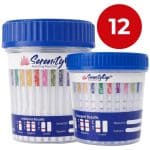
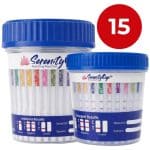
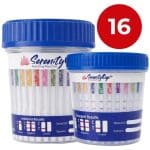
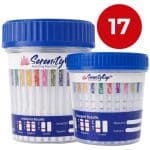
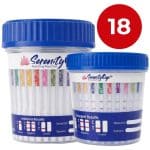
What Does A 12 Panel Drug Test For?

Key Takeaways
- Comprehensive Coverage: A 12 panel drug test screens for twelve substance categories in a single urine sample, including both illicit drugs and commonly misused prescription medications.
- Configurable by Program Need: Panel configurations and cutoff levels can vary across products, making it important to review test specifications and match the screening tool to the requirements of the program.
- Confirmation Is Critical: Positive results from a rapid 12 panel screen should be confirmed by a licensed laboratory before being used in legal, clinical, or employment-related decisions.
Choosing the right drug test for a workplace program, court-ordered screening, or clinical setting comes down to one critical question: what exactly is being tested? A test that misses key substances can leave gaps in a compliance program, create liability, or simply fail to give an accurate picture of someone’s drug use history. The 12 panel drug test has become one of the most widely used screening tools in the United States precisely because it covers a broad range of commonly abused substances in a single, easy-to-use format.
12 Panel Now is the largest drug test supplier in the country, with over 15 million products in stock at all times. As the manufacturer of the Serenity Cup brand, 12 Panel Now offers CLIA waived and FDA approved drug tests trusted by the US Army, federal and state courts, probation departments, rehab centers, staffing agencies, and government agencies nationwide. That depth of institutional trust is built on product accuracy, a 99% detection rate, and a product range that spans over 350 variations.
In this article, we’ll break down exactly what a 12 panel drug test tests for, how the standard panel list is structured, and what variations exist across different configurations and use cases.

The 12 Panel Drug Test List: What Each Panel Screens For
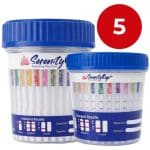
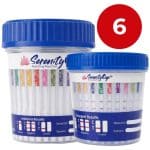
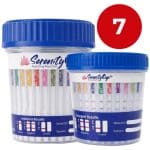
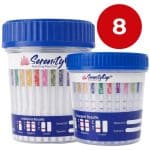
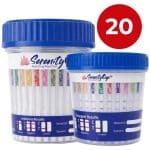
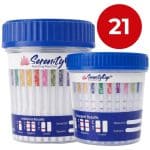
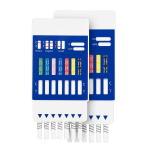
A standard 12-panel drug test screens for twelve distinct substance categories in a single urine sample. The 12-panel drug test list typically includes marijuana (THC), cocaine (COC), amphetamines (AMP), methamphetamine (mAMP), opiates (OPI), oxycodone (OXY), benzodiazepines (BZO), barbiturates (BAR), methadone (MTD), buprenorphine (BUP), tricyclic antidepressants (TCA), and phencyclidine (PCP). Each panel targets a specific drug class or metabolite, meaning the test detects what the body produces after processing a substance rather than the substance itself. For a detailed explanation of how immunoassay urine drug tests work, see the NIDA drug testing overview, which covers cutoff levels, cross-reactivity, and result interpretation.
Detection windows vary by substance and individual factors such as metabolism, body composition, and frequency of use. THC, for example, can remain detectable in urine for several weeks in regular users, while cocaine metabolites typically clear within a few days. Understanding these windows helps administrators set realistic expectations for what a test result actually reflects at the time of collection.
Results from a 12 panel drug test are typically available within minutes, making it a practical choice for high-volume screening environments. Because the test covers both prescription drug classes and illicit substances, it is well suited for settings where misuse of medications is as much a concern as recreational drug use. For any result that will be used in a legal or clinical context, confirmation through a licensed laboratory is strongly recommended.

What Is On A 12 Panel Drug Screen: Variations, Add-Ons, And Cutoff Levels
Not all 12 panel drug tests are configured identically. Depending on the manufacturer, intended use, or specific program requirements, the substances included and the thresholds used to flag a positive result can differ from one product to the next. Here is a closer look at the key factors that shape how a 12-panel drug screen is structured:
Standard Configurations vs. Specialty Panels
The most common 12-panel configuration covers the substance categories listed in the previous section. When evaluating 12-panel drug test drugs across different configurations, specialty versions can swap out or add panels based on program needs. Many of the substances screened for in a 12-panel test are federally regulated under the DEA-controlled substance schedules, which classify drugs based on their medical use and potential for abuse.
Some configurations replace less commonly abused substances like barbiturates or TCA with emerging drugs such as fentanyl, kratom, or xylazine. This flexibility allows administrators to tailor screening to the substances most relevant to their population or geographic region.
How Cutoff Levels Affect Test Results
Each panel on a drug test is calibrated to a specific cutoff concentration, measured in nanograms per milliliter (ng/mL). A result is flagged as positive only when the detected metabolite meets or exceeds the threshold. Cutoff levels are standardized by federal guidelines for many workplace programs, but they can vary across product lines, which is why reviewing the product’s specifications before selecting a test matters. The legal framework governing controlled substance classification is outlined in the DEA Controlled Substances Act, which informs the substances included in most standard panel configurations.
When To Consider A Higher Or Lower Panel Count
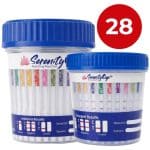
A 12-panel test strikes a balance between comprehensive screening and cost efficiency, but some programs may require broader coverage. Facilities dealing with polysubstance use or court-mandated programs with specific reporting requirements may benefit from panels ranging up to 14, 16, or even 28 substances. Browse our 12-panel drug tests collection as a starting point for matching panel count to program requirements. Others with more focused needs may find a lower panel count sufficient.

Final Thoughts
Understanding what a 12 panel drug test tests for is the foundation of building an effective screening program. From the standard substance list to cutoff thresholds and specialty configurations, each element plays a role in whether a test delivers results that are accurate, actionable, and appropriate for the setting in which it is used. Programs that take the time to match the right panel configuration to their specific needs are better positioned to maintain compliance and make informed decisions.
12 Panel Now offers one of the broadest selections of drug testing products in the country, making it a practical starting point for organizations and individuals looking to find the right fit. When the accuracy of a result matters, the quality and specification of the test behind it matters just as much.
Frequently Asked Questions About 12 Panel Drug Test What Does It Test For
How long does it take to get results from a 12-panel drug test?
Most 12-panel urine drug tests produce results within 5 minutes, making them a practical option for on-site screening without lab equipment.
Can prescription medications cause a positive result on a 12-panel drug test?
Yes. Panels targeting benzodiazepines, opiates, amphetamines, and buprenorphine can flag both prescription and illicit use. Laboratory confirmation is recommended before acting on any positive result.
Is a 12-panel drug test observed or unobserved?
Collection procedures depend on program policy and jurisdiction. Many test cups include built-in integrity features such as temperature strips and adulteration checks to support unobserved collections.
What is the difference between a 12 panel drug test and a standard 5 panel test?
A 5 panel test covers five basic substance categories. A 12 panel test expands coverage to include benzodiazepines, oxycodone, methadone, barbiturates, buprenorphine, TCA, and methamphetamine, among others.
Can a 12 panel drug test detect alcohol?
No. Alcohol requires a separate test, such as a breathalyzer or an EtG urine strip, which detects alcohol consumption within an extended window after drinking.
Are 12 panel drug tests valid for DOT-regulated testing programs?
No. DOT regulations require a specific 5 panel protocol through certified laboratories. A 12 panel rapid test does not meet those requirements.
How should a 12 panel drug test be stored to maintain accuracy?
Store tests at room temperature, away from direct sunlight and moisture. Always check packaging for specific instructions and verify the expiration date before use.