Oral Drug Test Kits

At 12 Panel Now, we are the largest drug test supplier in the country, with over 15 million products in stock at any given time. As the manufacturer of the Serenity Cup brand, we supply 99% accurate, CLIA-waived, and FDA-approved drug tests trusted by some of the most demanding institutions in the United States, including the US Army, federal courts, probation offices, rehab centers, and government agencies. When it comes to oral drug testing, we know what works, what doesn’t, and what buyers at every level need to make an informed decision.
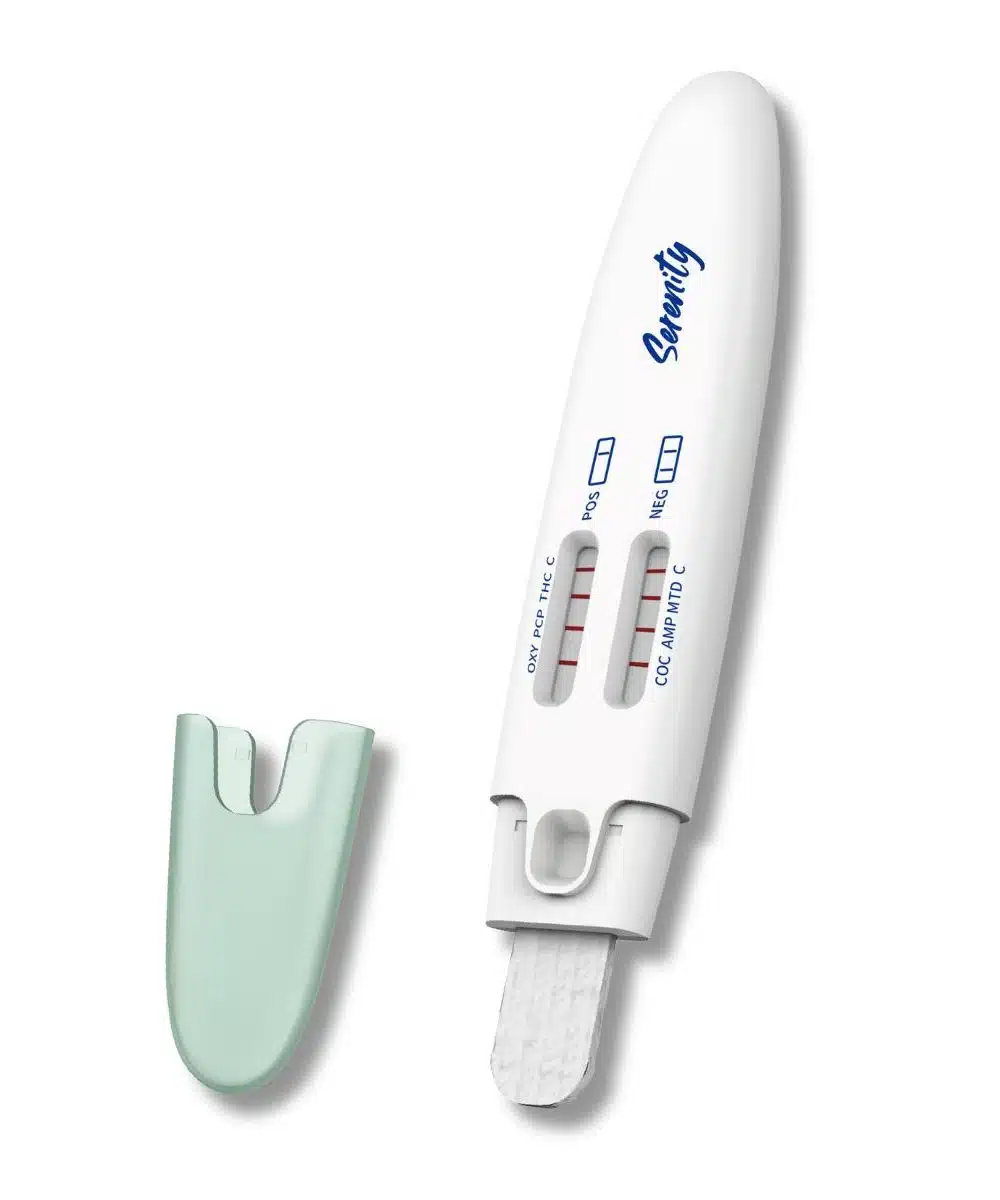
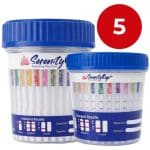
10 Panel Oral Swab Drug Test with PPX & NFYL – Low Price $2.09
AMP, BAR, COC, KET, MTD, NFEN, OPI/MOR, PCP, PPX, THCForensic UseAs low As$2.09 $2.09 - $3.29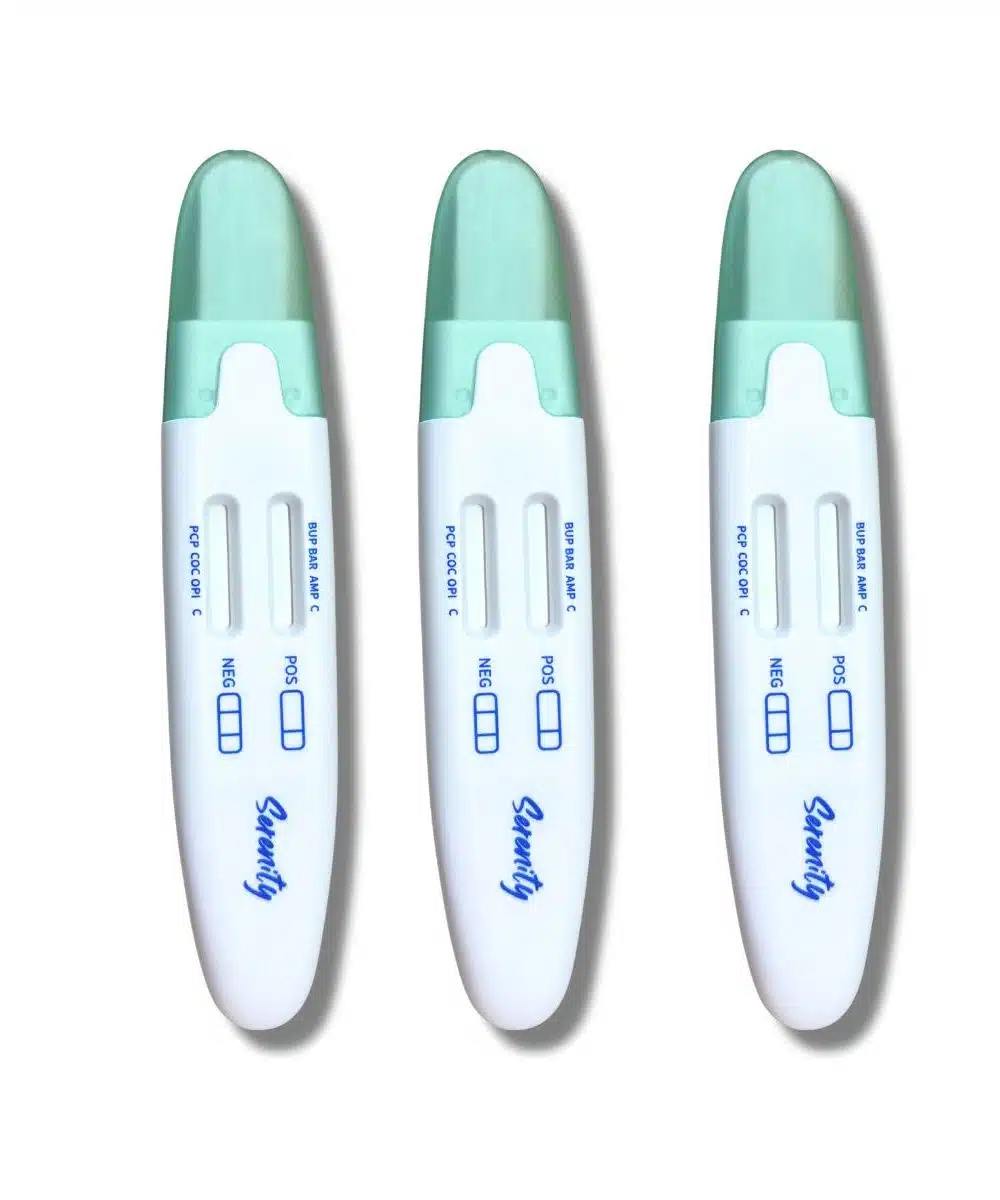
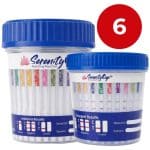
Saliva 13 Panel Drug Test Detecting Alcohol, Fentanyl, No THC – Just $1.69
ALC, AMP, BAR, BUP, BZO, COC, FEN, MDMA, MET, MTD, OPI/MOR, OXY, PCPForensic UseAs low As$1.69 $1.69 - $2.29
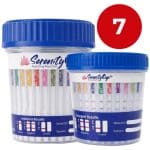
Saliva 13 Panel Drug Test Detecting ALC, FEN & THC- As low as $1.69
ALC, AMP, BAR, BUP, BZO, COC, FEN, MET, MTD, OPI/MOR, OXY, PCP, THCForensic UseAs low As$1.69 $1.69 - $2.29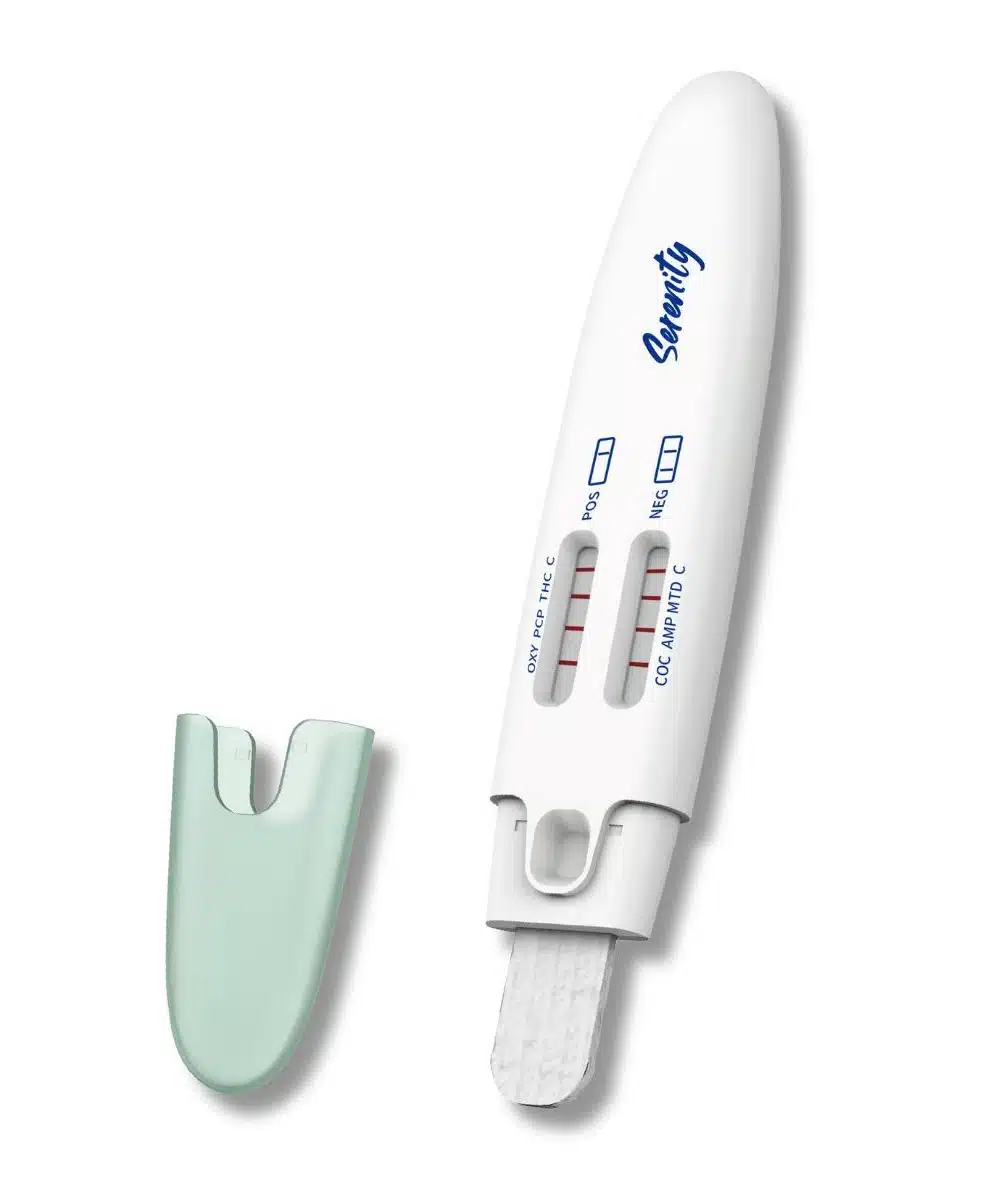
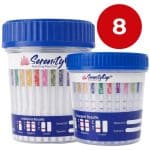
Saliva 11 Panel Drug Test Detecting NFYL & THC, As low as $1.59
AMP, BAR, BUP, BZO, COC, MET, MTD, NFEN, OPI/MOR, OXY, PCP, THCForensic UseAs low As$1.59 $1.59 - $2.19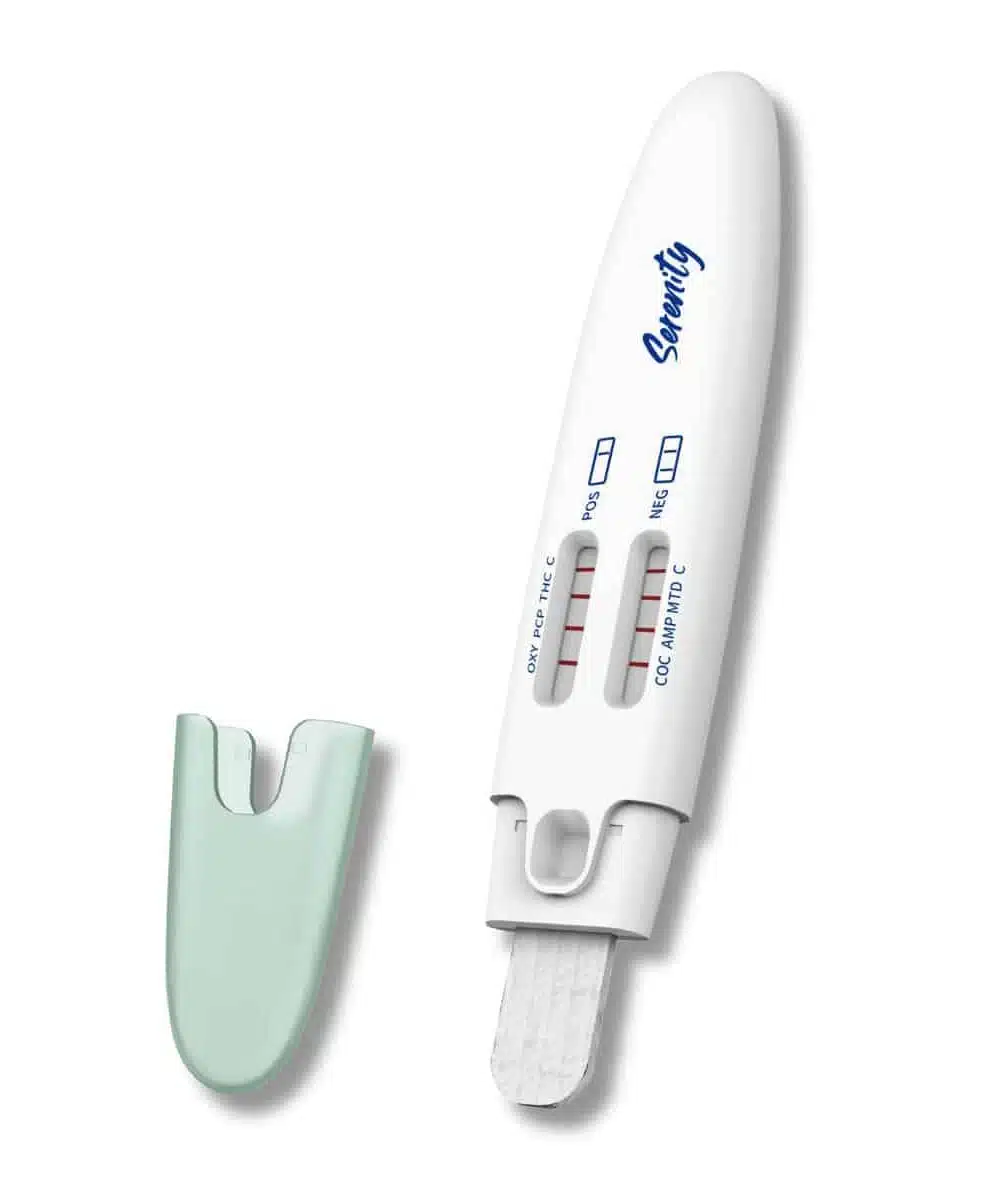
Saliva 12 Panel Drug Test Detecting Alcohol and Fentanyl, No THC- As low as $1.59
ALC, AMP, BAR, BUP, BZO, COC, FEN, MDMA, MET, MTD, OPI/MOR, OXYForensic UseAs low As$1.59 $1.59 - $2.19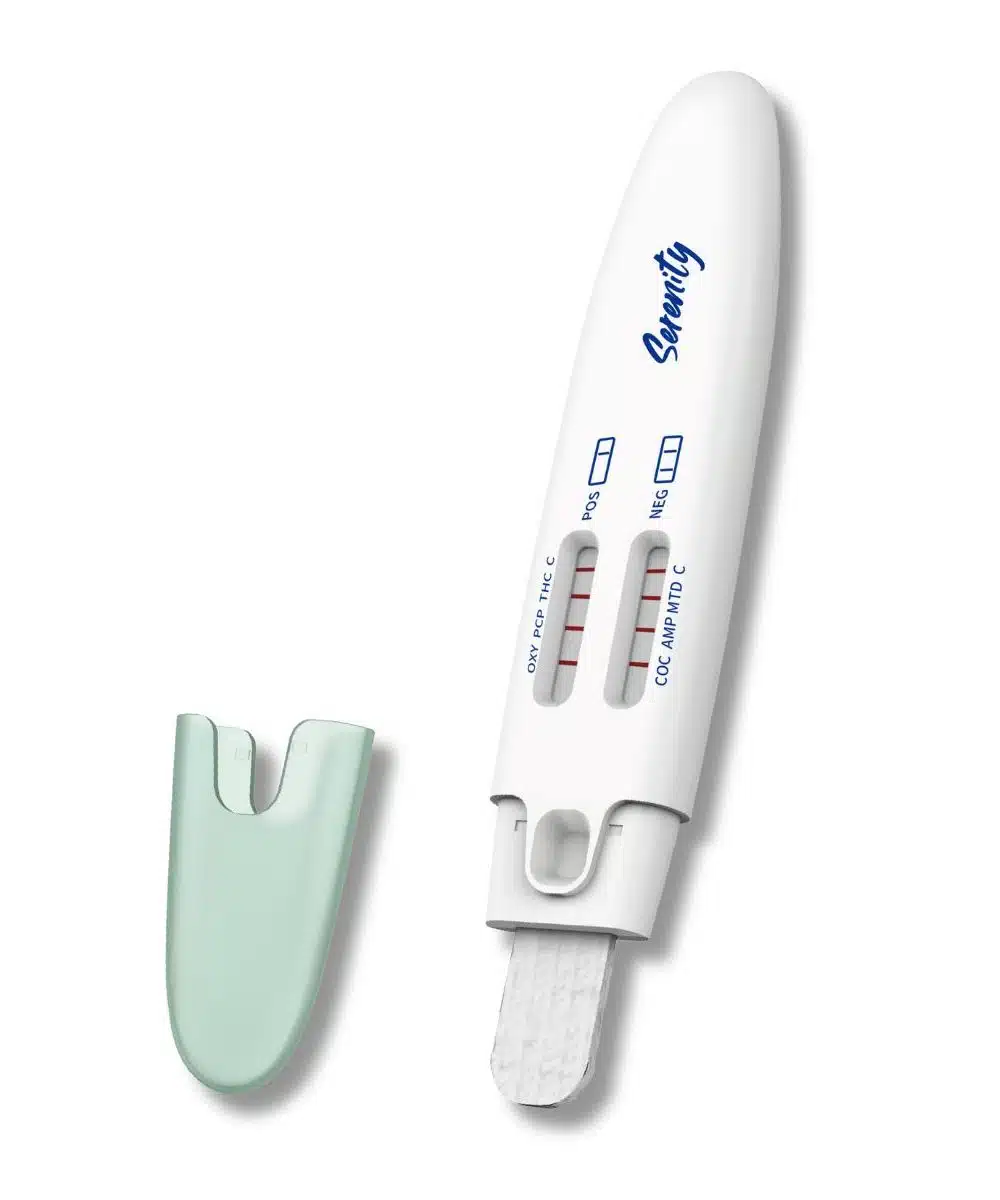
Saliva 12 Panel Drug Test Detecting Alcohol, As low as $1.59
ALC, AMP, BAR, BUP, BZO, COC, MET, MTD, OPI/MOR, OXY, PCP, THCForensic UseAs low As$1.59 $1.59 - $2.19
Saliva 8 Panel Drug Test Detecting AMP, OPI, MET, BZO, COC, OXY, BUP & BAR, As Low as $1.39
AMP, BAR, BUP, BZO, COC, MET, OPI/MOR, OXYForensic UseAs low As$1.39 $1.39 - $1.85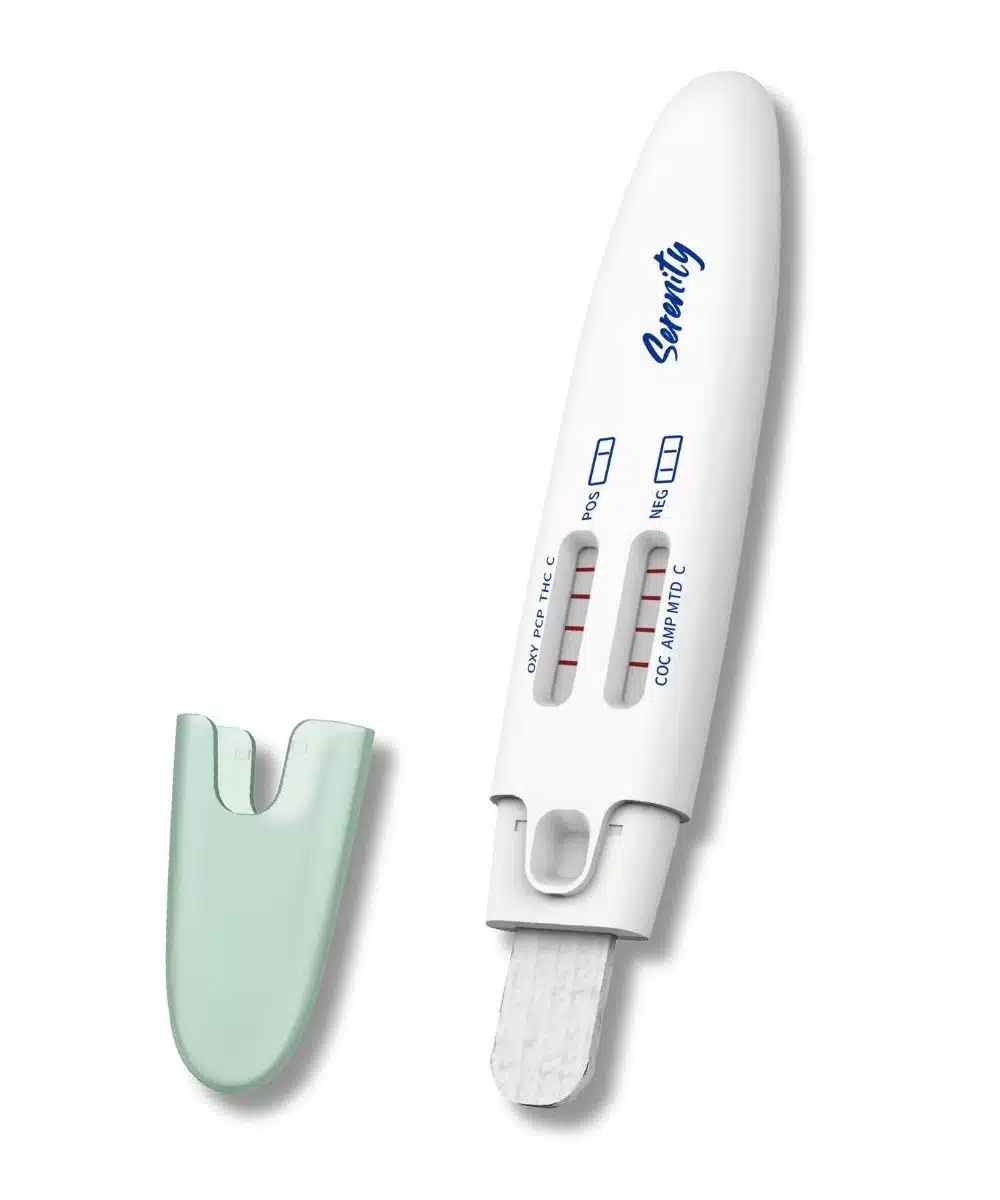
Saliva 12 Panel Drug Test Detecting K2, Alcohol & Fentanyl – Only $1.59
ALC, AMP, BAR, BUP, BZO, COC, FEN, K2, MET, MTD, OPI/MOR, OXYForensic UseAs low As$1.59 $1.59 - $2.19Check out our Blog

Troubleshooting Invalid Drug Test Results: A Step-by-Step Guide
Posted by 12 Panel Now Use this quick matrix to classify the result pattern first—then choose the correct…
Learn More
Presumptive vs. confirmed drug test positives: The path to definitive results
Posted by 12 Panel Now A presumptive positive is an early warning, not a final verdict. This process…
Learn More
How to read a drug test: Your guide to faint lines, ghost lines, and confident results
Posted by 12 Panel Now A faint line can still mean a negative result. Use this gallery to…
Learn MoreHow An Oral Swab Drug Test Kit Works
An oral drug test collects a saliva sample directly from the donor’s mouth, typically using an absorbent swab or pad placed between the cheek and gum. The swab saturates with saliva over a short collection period, usually between one and three minutes, and is then inserted into a testing device where results are generated within minutes.
The detection process relies on immunoassay technology, the same principle used in most rapid drug screening formats. When the saliva sample contacts the test’s reagents, it either produces a visible line or fails to, depending on whether drug metabolites are present at or above the designated cutoff level. Most oral fluid drug tests are designed to detect recent use, as substances typically remain detectable in saliva for a shorter window than in urine.
One of the most practical advantages of this format is that the entire process is observable from start to finish. There is no private collection room required, no risk of sample substitution, and no need for additional handling supplies beyond the test device itself. For settings where observed collection is a priority, the oral swab format removes many of the logistical and integrity concerns associated with other specimen types.
What Substances Can An Oral Fluid Drug Test Detect?
The detection range of a saliva drug test kit varies depending on the panel configuration selected. Most oral fluid tests are designed to screen for the substances most commonly encountered in workplace, clinical, and compliance settings. The following are some of the key substance categories that oral drug test kits are built to identify:
Common Illicit Drugs
Our oral swabs drug test kits reliably detect many of the most widely screened substances, including marijuana (THC), cocaine, methamphetamine, amphetamines, opiates, and phencyclidine (PCP). These are standard inclusions across most panel configurations and represent the core substances targeted in workplace and institutional screening programs. Detection windows for these substances in saliva typically range from a few hours to two days following use.
Prescription Drugs And Controlled Substances
Beyond illicit drugs, many oral drug test panels are configured to screen for prescription medications that carry abuse potential. These include benzodiazepines, opioids such as oxycodone and buprenorphine, barbiturates, and methadone. Including these substances in a panel is particularly relevant for treatment facilities, probation programs, and any setting where prescription drug misuse is a documented concern.
Expanded Panel Options
For organizations that require broader screening coverage, expanded panel oral tests can include additional substances such as ketamine, MDMA, and synthetic cannabinoids like K2 and Spice. The specific substances available will depend on the panel size and product selected. Browse our oral swab drug tests to confirm panel configuration before purchase and ensure the test aligns with the screening requirements of the program or policy in place.
Oral Drug Test vs. Urine Drug Test: Which Is Right For Your Needs?
Choosing between an oral drug test and a urine drug test comes down to the specific demands of the testing environment. Both formats are widely used across professional and institutional settings, and each carries distinct advantages depending on what the program prioritizes. Here is a breakdown of the key differences to help inform that decision:
Collection And Observed Testing
Oral fluid collection is non-invasive and fully observable, making it a strong choice for settings where donor privacy cannot be guaranteed or where tampering is a concern. Urine collection, by contrast, typically requires a private restroom and carries a higher risk of adulteration or substitution. For on-site screenings, roadside testing, or any situation requiring witnessed collection, the oral swab format offers a clear practical advantage.
Detection Windows
Urine testing generally offers a longer detection window than saliva testing, which can be an important factor depending on the program’s objectives. Substances typically remain detectable in urine for several days to weeks after use, while saliva tests are better suited to identifying more recent use, often within the past 24 to 48 hours. Programs focused on detecting current impairment or same-day use may find oral fluid testing better aligned with their goals.
Ease Of Use And Setting
Urine testing requires controlled collection conditions, temperature verification, and additional handling steps that add time and complexity to the process. Oral swab tests can be administered virtually anywhere without special facilities or equipment. This makes the saliva drug test kit a practical option for fieldwork, mobile screening units, remote locations, or any high-volume setting where efficiency is a priority.
When And Where a Saliva Drug Test Kit Is Commonly Used
Oral drug testing has gained steady adoption across a wide range of industries and institutional settings over the past decade. The format’s ease of administration, observed collection process, and rapid results make it a practical fit for numerous screening scenarios. The following are some of the most common contexts where a saliva drug test kit is put to use:
Workplace And Pre-Employment Screening
Employers across industries such as transportation, construction, manufacturing, and logistics rely on oral fluid testing for both pre-employment and random screening programs. The Department of Labor provides guidance on DOL substance use prevention, including drug testing as part of a broader workforce strategy. The ability to administer a test on-site without a designated collection facility makes it especially convenient for large hiring events or job sites where sending candidates to an off-site lab is not practical. Results are available quickly, keeping the hiring or compliance process moving without unnecessary delays.
Criminal Justice And Probation Programs
Probation offices, drug courts, and correctional facilities use oral swab testing as part of supervision and compliance monitoring. The observed nature of the collection reduces the risk of specimen manipulation, which is a significant concern in justice-related testing environments. Oral fluid tests in these settings help officers and administrators document recent drug use as part of ongoing case management and court-ordered monitoring requirements.
Rehabilitation And Treatment Facilities
Treatment centers and outpatient rehab programs use oral drug testing to monitor patient progress and support accountability during recovery. Testing in this context is frequent, and the non-invasive collection method is generally better tolerated by patients than other specimen types. Regular screening with an oral drug test helps clinical staff track compliance with treatment protocols and identify potential relapse early in the process. Employers supporting employees in recovery can also reference the Department of Labor’s recovery-ready workplace resources for guidance on building supportive policies alongside testing programs.
How To Read And Interpret Oral Drug Test Results
Understanding how to read an oral drug test result correctly is just as important as administering the test itself. Misreading a result can lead to confusion, unnecessary follow-up, or decisions made on incomplete information. Here is a straightforward guide to interpreting what the test is telling you:
Reading The Control And Test Lines
Oral fluid drug tests display results through a combination of control (C) and test (T) lines on the device. The control line must always appear to confirm that the test has functioned properly. A line appearing in the test region, regardless of how faint, is generally read as a negative result for that substance, while the absence of a line in the test region indicates a non-negative result that warrants further review.
What A Non-Negative Result Means
A non-negative result does not automatically confirm the presence of a specific drug. Rapid screening tests are designed to flag results that fall at or above a designated cutoff concentration, and certain medications or compounds can occasionally influence outcomes. Any non-negative result from a preliminary oral drug test should be sent to a licensed laboratory for confirmatory testing before any formal action or decision is taken. Employers can also consult the Department of Labor’s DOL drug-free workplace advisor to determine their specific compliance obligations under federal law.
Timing And Environmental Factors
Reading results outside the recommended time window can affect accuracy. Most oral fluid tests specify a result window, typically between five and ten minutes after activation, and results read too early or too late may not reflect the correct outcome. Environmental conditions such as extreme temperatures or improper storage can also affect test performance, so following the manufacturer’s instructions precisely is essential for reliable results.
Frequently Asked Questions About Mouth Swab Drug Test
How long does an oral drug test take to administer from start to finish?
Most oral fluid drug tests are completed within ten minutes from collection to result. The swab collection itself takes 1 to 3 minutes, and results are typically visible within 5 to 10 minutes after the sample is introduced to the testing device.
Can an oral drug test detect alcohol?
Some oral fluid test panels include an alcohol marker, but not all do. If alcohol screening is a requirement, confirm that the specific panel selected includes ethanol (ETG or BAC) detection before purchasing.
How far back does an oral drug test detect drug use?
Saliva tests are generally designed to detect recent use, with most substances remaining detectable in oral fluid for 24 to 48 hours after use. This window is shorter than urine testing, making oral fluid tests particularly effective for identifying current or same-day impairment.
Do oral drug tests require any special storage conditions?
Most oral fluid drug tests should be stored at room temperature, away from direct sunlight and humidity. Always refer to the product’s packaging for specific storage instructions, as improper storage can affect test integrity and accuracy.
Can prescribed medications cause a non-negative result on an oral drug test?
Yes, certain prescription medications can trigger a non-negative result on a preliminary screening test. This is one of the primary reasons confirmatory laboratory testing is recommended before any formal action is taken based on a rapid test result.
Are oral drug tests accepted in court or legal proceedings?
Rapid oral fluid tests are generally considered preliminary screening tools. For results to be used in legal proceedings, confirmation through a certified laboratory using methods such as GC-MS (gas chromatography-mass spectrometry) is typically required. Always consult with legal counsel regarding admissibility standards in your jurisdiction.
How many panels are available in oral fluid drug test kits?
Oral fluid drug test kits are available in a range of panel configurations, commonly spanning from 5 to 13 panels. The right panel count depends on the substances relevant to the testing program, and selecting a configuration that aligns with organizational or regulatory requirements is an important step before purchasing.