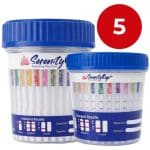
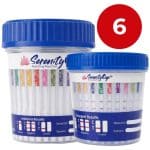
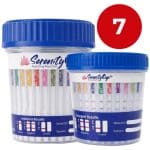
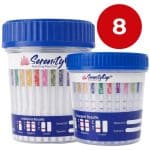
How to read a drug test: Your guide to faint lines, ghost lines, and confident results

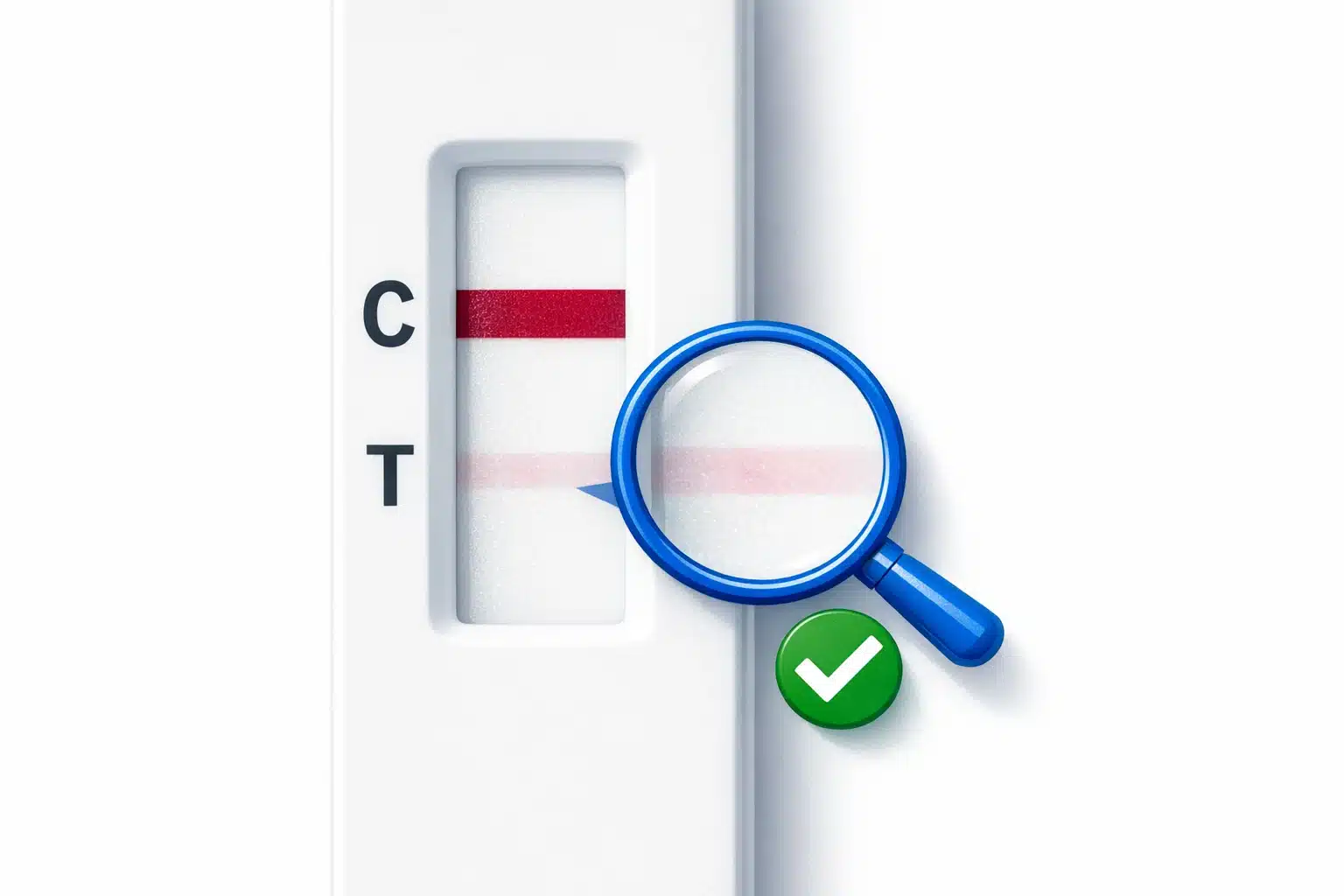
User interpretation error is the number one cause of anxiety when reading a rapid drug test. While today’s tests have a high accuracy rate compared to lab standards, that accuracy depends on one thing: knowing exactly what you’re looking at. You see a line in the test region, but it’s barely there. Is it a pass? A fail?
This guide will walk you through the science of reading test results so you can feel confident in your interpretation.
The most important rule is this: Any line in the test region, no matter how faint, indicates a negative result, provided the control line is also visible and the result is read within the specified time window.
The confidence gallery: What a faint negative line looks like
Your eyes aren’t playing tricks on you. A negative result line can vary in intensity from dark and bold to extremely faint. All of them mean the same thing. The intensity of the line does not indicate how much of a drug is absent; it simply confirms the drug metabolite is below the test’s cutoff level.

A faint line can still mean a negative result. Use this gallery to compare what “visible” looks like across common line intensities—then confirm the control line and read-time window.
Faint line vs. ghost line: The critical difference is time
The most common point of confusion is distinguishing between a valid faint line and an invalid “ghost line.” The difference comes down to when you read the test.
- A Faint Line (Negative Result): A line of any intensity that appears in the test region within the manufacturer’s recommended read time (usually 5-10 minutes). It is a true negative.
- A Ghost Line (Invalid Result): A colorless, greyish, or indented line that appears after the read time has expired. This is typically an evaporation line caused by the test strip drying out and is not a valid result.
Reading the test too late is as problematic as reading it too soon. Once the window closes, the result is no longer reliable. If you see a ghost line after the fact, the only correct course of action is to discard the test and use a new one. All of our drug testing supplies come with clear instructions to help you avoid this common mistake.
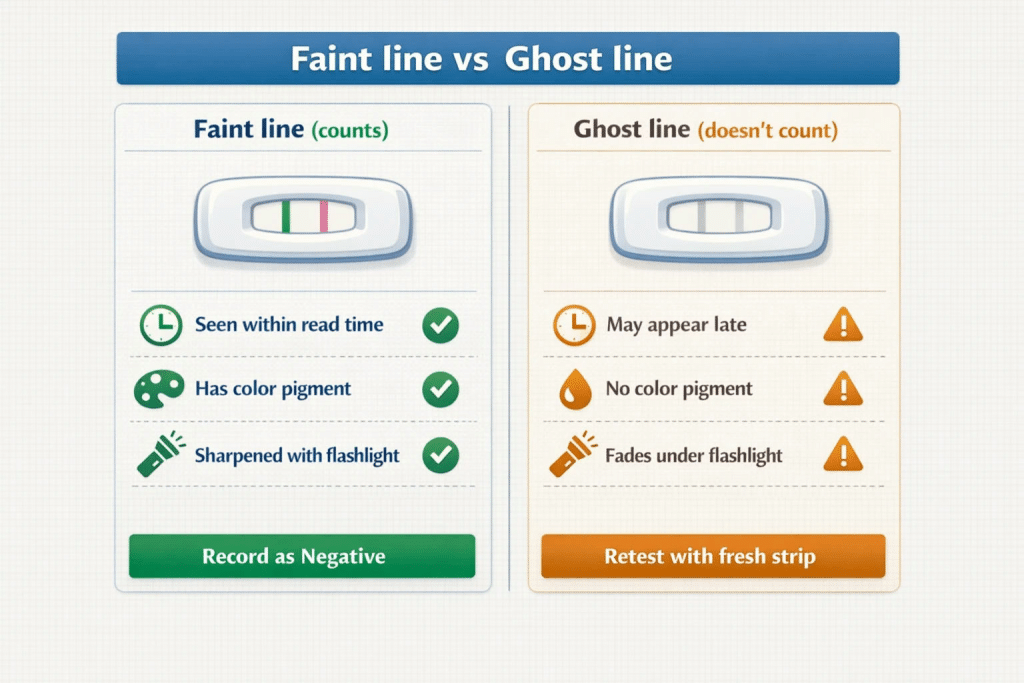
Not all “almost lines” are equal. This comparison helps you separate a true faint negative line from an evaporation/ghost line—and know when a retest is the smarter next step.
The science of nothing: Why a line means the drug isn’t there
It seems counterintuitive, but in a drug test, the appearance of a line signifies the absence of something. This process is called competitive immunoassay.
Think of it like a parking lot.
- The test strip has a limited number of “parking spots” (antibodies) in the test line region.
- The test also contains labeled “drug molecules” (reagents) that are designed to go and fill those spots, which makes the line appear.
- When you introduce a urine sample, if drug metabolites are present, they will race to take all the parking spots first.
- If the drug metabolites win the race and fill the spots, the labeled reagents have nowhere to park, and no line appears (a positive result).
- If no drug metabolites are present (or they are below the cutoff level), the labeled reagents park in their designated spots, and a line appears (a negative result).
A faint line simply means there was enough competition to make the line appear less intense, but not enough to block it completely. The drug metabolites are still below the cutoff threshold. This principle is consistent whether you are using single drug test dip cards or comprehensive 12-panel drug test cups.
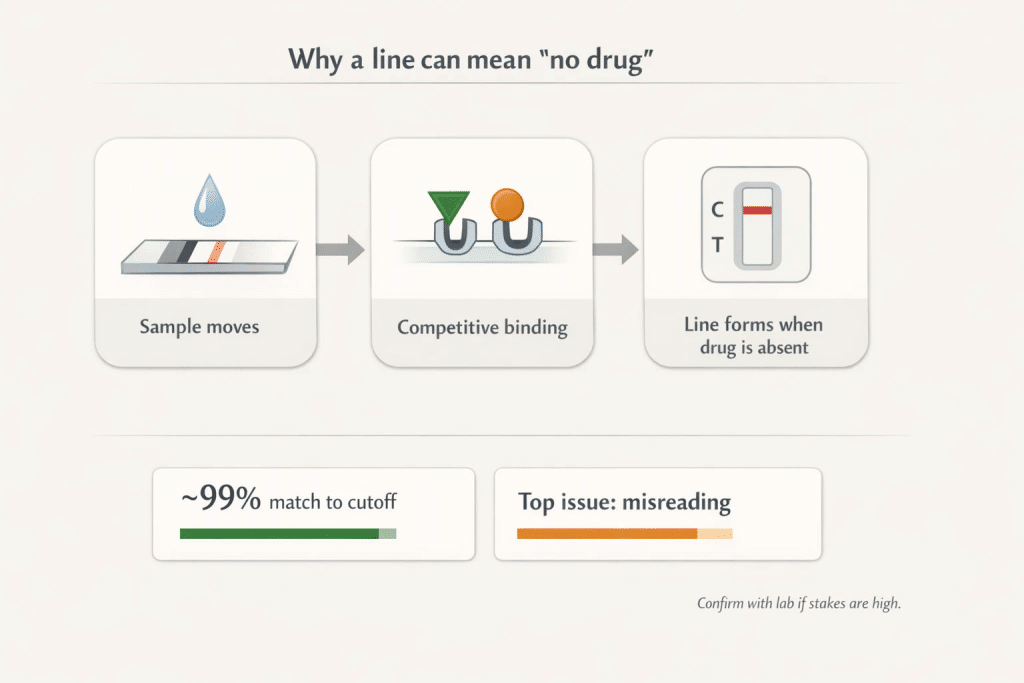
Understanding the mechanism makes the result easier to trust. This visual shows how competitive binding works and why most confusion comes from human interpretation—not the strip chemistry.
When to question your result: Moisture, hydration, and other factors
Even with CLIA-waived tests, external factors can affect accuracy. Before you interpret a faint line, consider these variables.
The moisture factor: Hygroscopic reagents
Drug test strips contain reagents that are hygroscopic, meaning they readily absorb moisture from the air. According to toxicology research, exposing a test to over 60% humidity for more than an hour can cause the reagents to degrade or “bleed,” potentially causing a blurry or indistinct line that mimics a ghost line.
This is why your bathroom is the worst place to store or perform a test. Always keep tests in their sealed pouches until the moment of use and conduct the test in a dry, room-temperature environment.
The hydration paradox
Drinking excessive amounts of water can dilute a urine sample, lowering the concentration of drug metabolites. This might cause a faint line to appear even fainter. However, be cautious. While this might help pass an at-home test, a laboratory can measure specific gravity and creatinine levels. If a sample is too dilute, a lab will flag it as invalid, requiring a retest under observation.
Lab-specific differences
Finally, it’s important to know that at-home rapid tests (immunoassay) and lab confirmations (like those from Soft Cell Laboratories) use different methods. An at-home test is a screening tool. A lab uses Gas Chromatography/Mass Spectrometry (GC/MS) for confirmation, which is a more precise molecular analysis. A faint line on a rapid test should be a negative, but lab results are always the final word in an official setting.
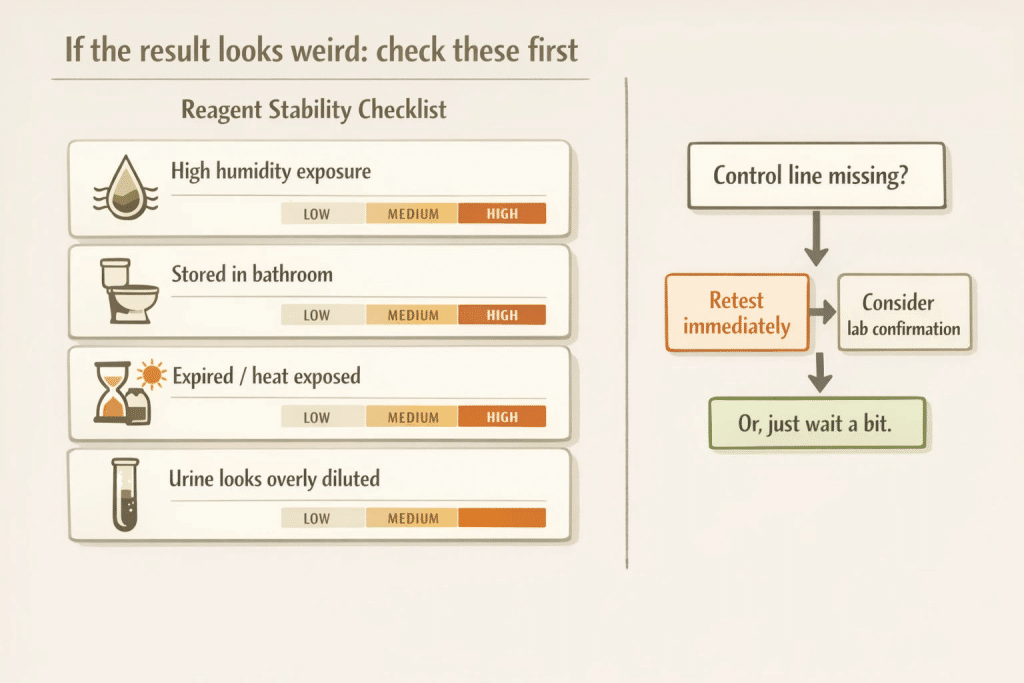
When a line looks off, don’t guess. Run through these quick validity checks—humidity, storage, expiration, and dilution—then follow the decision path to retest or confirm with a lab.
Your takeaway for confident testing
Reading a drug test shouldn’t be a source of stress. By following a few simple rules, you can trust the results you see.
- Check the Control Line: No result is valid unless the control line (C) appears.
- Read Within the Window: A line that appears after the specified time is not a valid result.
- Trust the Line: Any visible line in the test region (T), no matter how faint, is a negative result.
Starting with a high-quality test is the best way to ensure an accurate and easy-to-read result. At 12 Panel Now, we provide reliable and affordable urine analysis cups and other testing supplies to give you clarity and peace of mind.