12 Panel Multi Dip Card
FREE SHIPPING ON ORDERS OVER 100 PIECES!*
12 Panel Now offers high-quality drug testing solutions designed to meet the demands
of professional environments. The 12 Panel Urine Dip Card is built specifically for forensic
applications, providing accurate and consistent results where precision matters most.
12 Panel Multi Dip Card
Reliable, lab-quality results with easy-to-use test kits.
350+ High-Demand SKUs
From everyday staples to specialty products:
- Multi-Dip Tests
- Drug Test Cups
- Oral Drug Test Swabs
- 60+ Drug Test Strips
- Cartridges COVID-19 Tests
- Gloves & PPE

220,000 Sq. Ft. Mega Warehouse

Same-Day Blind Drop Shipping

Lowest Wholesale Pricing. Highest Commissions. Period.

Private Label Available

Real-Time Partner Portal
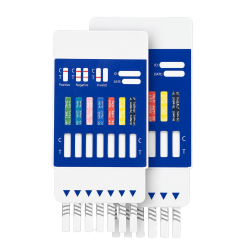
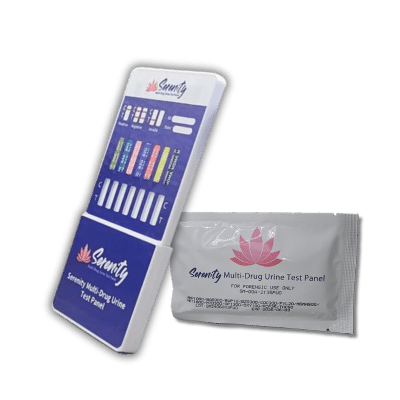
Dip card 12 Panel Detects MDMA, FEN & ADLTX, Serenity Multi-Level Dip Card As low as $1.05
ADLTX, AMP, BAR, BUP, BZO, COC, FEN, MDMA, MET, MTD, OPI/MOR, OXY, THCForensic UseAs low As$1.05 $1.05 - $1.59
Dip card 12 Panel Detects PCP & THC, FDA approved and CLIA waived for as low as $1.05
AMP, BAR, BUP, BZO, COC, MDMA, MET, MTD, OPI/MOR, OXY, PCP, THCCLIA WAIVED, FDA ApprovedAs low As$1.05 $1.05 - $1.59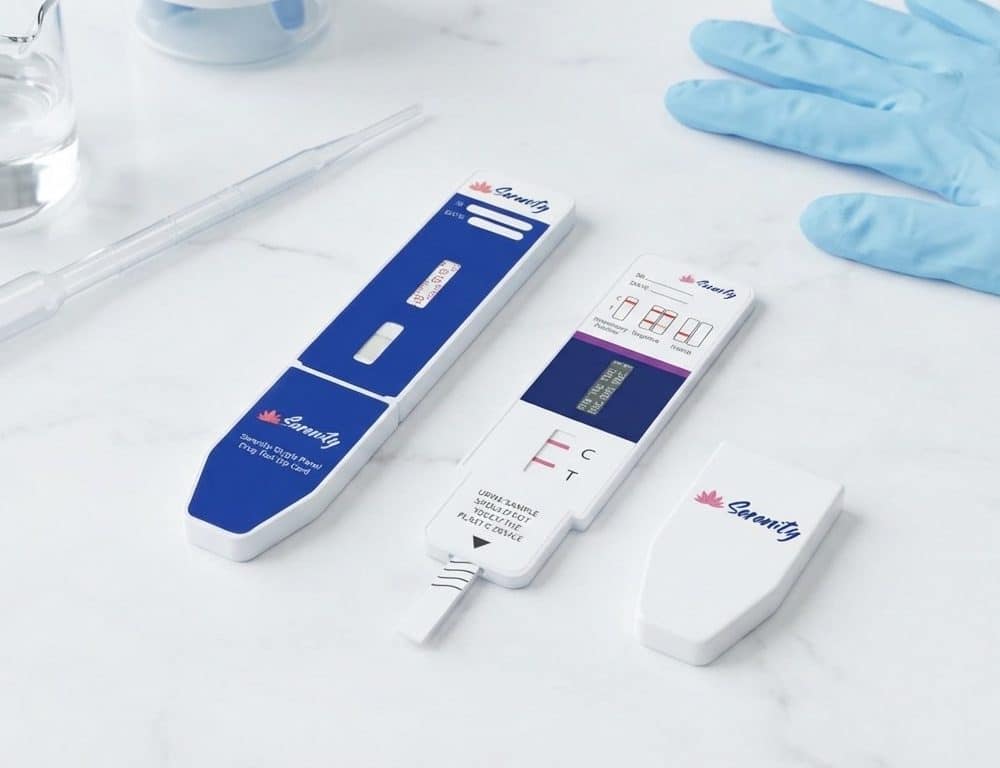
Dip Card ETG/500 Detecting Alcohol. Serenity Single Dip card. As low as $0.28
EtGForensic UseAs low As$0.28 $0.28 - $0.69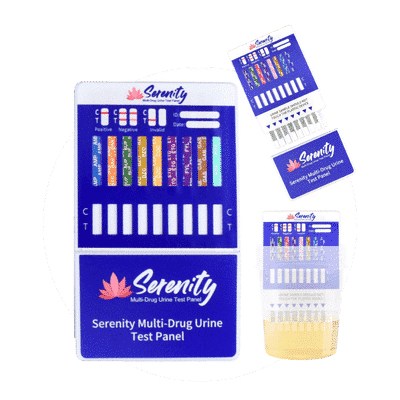
Dip card 6 Panel Detects OPI & OXY, Serenity Multi-Level Dip Card
BZO, COC, MET, OPI/MOR, OXY, THCCLIA WAIVEDAs low As$0.70 $0.70 - $1.03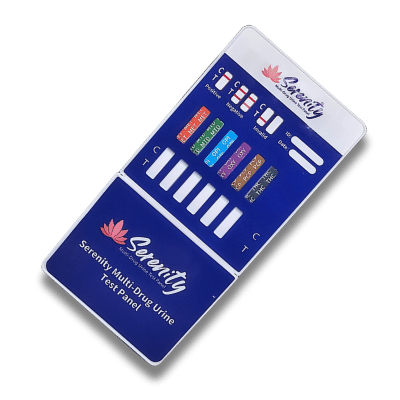
Dip card 7 Panel Detecting MET & OPI, CLIA Waived & FDA Approved, Serenity Multi-Level Dip Card- Low Price $0.74
AMP, BZO, COC, MET, OPI/MOR, OXY, THCCLIA WAIVED, FDA ApprovedAs low As$0.74 $0.74 - $1.13
Dip Card 8 Panel Detects ETG & FEN, Serenity Multi level Dip card, As Low as $0.84
AMP, BZO, COC, EtG, FEN, MET, OPI/MOR, THCForensic UseAs low As$0.84 $0.84 - $1.2912 Panel Drug Test Dip Cards
Twelve-substance urine drug test dip cards from the manufacturer the panel is named after. As the producer of the Serenity brand drug testing product line, 12 Panel Now supplies the 12 panel dip card in two CLIA Waived configurations
The PCP format
- AMP
- BAR
- BUP
- BZO
- COC
- MDMA
- MET
- MTD
- OPI
- OXY
- PCP
- THC
for correctional, forensic, and workplace settings.
The TCA format
- AMP
- BAR
- BUP
- BZO
- COC
- MDMA
- MET
- MTD
- OPI
- OXY
- TCA
- THC
for clinical and healthcare programs monitoring tricyclic antidepressant use. Both are CLIA Waived, FDA-cleared, and deliver 99% accuracy with results in 5 minutes. From $1.19 per test. Same-day wholesale shipping before 3:00 PM EST.
| Substance | Abbr. | Cutoff | Detection Window | Config |
|---|---|---|---|---|
| Amphetamines | AMP | 1000 ng/mL | 2 to 4 days | Both |
| Barbiturates | BAR | 300 ng/mL | 2 to 3 weeks (phenobarbital) | Both |
| Buprenorphine | BUP | 10 ng/mL | 3 to 7 days | Both |
| Benzodiazepines | BZO | 300 ng/mL | 3 days to several weeks | Both |
| Cocaine | COC | 300 ng/mL | 2 to 4 days | Both |
| MDMA / Ecstasy | MDMA | 500 ng/mL | 2 to 4 days | Both |
| Methamphetamine | MET | 1000 ng/mL | 2 to 4 days | Both |
| Methadone | MTD | 300 ng/mL | 3 to 5 days | Both |
| Opiates / Morphine | OPI | 300 ng/mL | Up to 3 days | Both |
| Oxycodone | OXY | 100 ng/mL | 2 to 4 days | Both |
| PCP / Phencyclidine | PCP | 25 ng/mL | 7 to 14 days | PCP config only |
| TCA / Tricyclic Antidepressants | TCA | 1000 ng/mL | 2 to 7 days | TCA config only |
| Marijuana / THC | THC | 50 ng/mL | 3 to 30+ days | Both |
Shop 12 Panel Drug Test Dip Cards (PCP and TCA configurations) — CLIA Waived — from $1.19
What Does a 12 Panel Drug Test Dip Card Detect?
A 12 panel drug test dip card screens for twelve substances in a single urine dip, delivered in one of two CLIA Waived configurations. The PCP format covering or the TCA format that replaces PCP with Tricyclic Antidepressants.
At 12 Panel Now, both configurations of the 12 Panel Drug Test Dip Card are CLIA Waived and FDA-cleared. Using twelve dedicated lateral flow immunoassay strips in a single card housing with photocopy-compatible result windows and a 5-minute read time. The 12-panel is the most searched panel count in the drug testing category and the product that defines this company.
As the manufacturer of the Serenity brand drug testing product line, 12 Panel Now produces all 12-panel dip cards to the quality standards applied across its full product range, from the most sensitive analyte (BUP 10 ng/mL).
This is the broadest-window detection analyte, BAR, which can remain positive for up to three weeks in chronic phenobarbital users.
The SAMHSA Drug-Free Workplace Program classifies the 12-panel as an employer-level expanded screening format that builds on the federal 5-panel baseline by adding seven additional analytes covering prescription opioids, sedatives, sedative-hypnotics, and dissociates.
Why Does the 12 Panel Dip Card Come in Two Configurations?
The eleven substances shared by both configurations, represent the analytically stable core of the 12-panel format. The twelfth position reflects a clinical choice about which risk the program prioritizes.
PCP for programs in environments where phencyclidine is a documented substance of abuse or adulterant in illicit drug supplies. TCA for clinical and healthcare settings where tricyclic antidepressant monitoring is medically meaningful. This is not an arbitrary split.
PCP at 25 ng/mL is the most sensitive analyte on the 12-panel dip card. Which provides detection for up to two weeks in heavy users. TCA at 1000 ng/mL detects tricyclic antidepressants such as amitriptyline, nortriptyline, imipramine, and doxepin at concentrations associated with recent prescription use.
Browse both variants at the 12 Panel Drug Test Dip Card product page to select the configuration that matches your program’s population risk profile.
What Is BAR on a Drug Test and Why Is It on the 12-Panel?
BAR stands for Barbiturates, a class of sedative-hypnotic central nervous system depressants that includes phenobarbital (Luminal), secobarbital (Seconal), butalbital (Fiorinal), and amobarbital, with the strip detecting metabolites at 300 ng/mL and a detection window ranging from 2 days for short-acting compounds to 3 weeks for chronic phenobarbital use.
Barbiturate use peaked in clinical medicine in the mid-20th century and was largely replaced by benzodiazepines in prescribing practice from the 1970s onward. However, several factors make BAR detection clinically relevant on the 12-panel in 2026
. Phenobarbital remains a legitimately prescribed antiepileptic drug and is the drug of choice in several neonatal seizure and refractory epilepsy protocols.
Butalbital is still present in commonly prescribed migraine medications including Fiorinal and Fioricet, making inadvertent BAR positives from legitimate prescriptions a meaningful clinical possibility in any monitored population.
Illicitly, barbiturates circulate in some street drug markets are misused as sedatives or as adulterants in other drug supplies.
The NIH clinical pharmacology overview of barbiturates confirms that barbiturate compounds potentiate GABA receptor activity and produce dose-dependent CNS depression ranging from mild sedation to respiratory arrest at high doses. Explaining why BAR detection is both clinically and safety-relevant in programs monitoring sedative misuse.
Are Barbiturates Still Commonly Misused in 2026?
Barbiturate misuse is less prevalent than benzodiazepine misuse in most US demographics. It remains clinically significant in several specific contexts. Butalbital-containing prescription headache medications are the most commonly encountered source of BAR-positive results in professional drug testing. Since the butalbital component produces metabolite concentrations detectable at 300 ng/mL within the therapeutic dose range.
Programs that encounter a BAR-positive result should first verify whether the donor holds a valid prescription for a butalbital-containing medication before escalating to a compliance action. Phenobarbital use in epilepsy management produces consistent BAR-positive results at therapeutic dosing, again requiring prescription verification as the first step in result interpretation.
For correctional and forensic settings, illicit barbiturate misuse remains a monitoring priority because barbiturate-opioid co-use produces the same type of compounded respiratory depression risk as the benzodiazepine-opioid combination documented by the CDC in its overdose mortality surveillance. Any presumptive positive on the BAR strip requires GC-MS or LC-MS/MS laboratory confirmation before consequential action. This is particularly because the 300 ng/mL cutoff will flag therapeutic butalbital use.
PCP Configuration vs TCA Configuration: Which 12 Panel Should Your Program Choose?
Choose the PCP configuration if your program operates in a correctional, forensic, law enforcement, or high-risk workplace setting. Where phencyclidine use or PCP-adulterated drug supplies are a documented concern in your population.
Choose the TCA configuration if your program is a clinical or healthcare setting. If this setting prescribes or monitors tricyclic antidepressant medications or manages patients with dual-diagnosis profiles where TCA overdose risk is clinically meaningful.
The PCP variant (SKU: SM-DOA-6125) at $1.19 is the lower-cost standard configuration and the appropriate choice for the majority of non-clinical programs. The 25 ng/mL PCP cutoff is extremely sensitive and will detect phencyclidine use within the prior 7 to 14 days in regular users.
Correctional facilities and probation programs managing participants in areas where PCP use is regionally documented should use the PCP configuration. The TCA configuration is appropriate for pain management clinics, psychiatric practice drug testing, and healthcare settings. Particularly patients may be prescribed amitriptyline for neuropathic pain, imipramine for depression, or nortriptyline for mood disorders.
In those settings, a TCA-positive result carries direct clinical significance because tricyclic antidepressants have a narrow therapeutic window and significant drug interaction potential with opioids and sedatives. Both configurations are available at the 12 Panel Drug Test Dip Card product page.
What Is TCA on a Drug Test?
TCA stands for Tricyclic Antidepressants, a class of medications that includes amitriptyline (Elavil), nortriptyline (Pamelor), imipramine (Tofranil), doxepin (Sinequan), and clomipramine (Anafranil). The TCA strip at 1000 ng/mL on the 12-panel dip card detects concentrations of TCA metabolites consistent with recent prescription use at therapeutic doses.
Tricyclic antidepressants are prescribed for depression, neuropathic pain, fibromyalgia, migraines, and several other conditions. Meaning TCA-positive results in clinical drug testing frequently reflect legitimate therapeutic use.
The clinical reason for including a TCA strip in a 12-panel monitoring program is twofold. First, TCA overdose is a life-threatening medical emergency that produces cardiotoxicity, seizures, and coma at doses not much higher than therapeutic levels.
Knowing a patient is taking TCAs informs the clinical risk calculus for any program prescribing sedatives, opioids, or other CNS-active medications alongside them. Second, TCA misuse and self-harm via intentional overdose is documented in populations with depression histories. This makes TCA screening in mental health and addiction medicine contexts a safety monitoring tool as much as a compliance tool.
The NIH clinical toxicology overview of TCA poisoning identifies tricyclic antidepressant overdose as one of the leading causes of prescription drug-related death and emergency department visits. The safety context in which TCA monitoring matters most. All TCA presumptive positives must be confirmed by laboratory GC-MS or LC-MS/MS before any clinical or compliance action is taken.
Does the 12 Panel Drug Test Detect Fentanyl?
No. The standard 12 panel drug test dip card does not detect fentanyl. Fentanyl requires its own dedicated FEN strip at 20 ng/mL and is not captured by the OPI opiate analyte on any panel.
This is the most frequently searched question about the 12-panel in 2025 and 2026, driven by the HHS Federal Register mandate of January 2025 adding fentanyl to the authorized federal testing panel effective July 7, 2025.
Programs running a 12-panel and relying on the OPI strip to detect fentanyl are missing every fentanyl-positive specimen in their population. According to the Quest Diagnostics 2025 Drug Testing Index, fentanyl was detected in 1.13% of random workforce drug tests in 2024. With 60% of those specimens also testing positive for another substance. This means fentanyl-positive individuals are almost always also positive for a substance the 12-panel does detect, but that OPI co-positive does not eliminate the need for a dedicated FEN analyte.
12 Panel Now offers the single panel fentanyl dip card at 20 ng/mL as a supplemental add-on for programs using the 12-panel that need fentanyl coverage, as well as fully integrated 13-panel and higher dip card configurations that include FEN as a built-in strip.
Which 12 Panel Now Product Includes Fentanyl at the 12-Panel Tier?
12 Panel Now offers CLIA Waived dip card configurations that include fentanyl alongside the standard 12-panel substance baseline. These include the CLIA Waived format with FEN/20 and norFentanyl (NFYL) starting from $1.27. This provides both the parent fentanyl compound and its primary active metabolite norfentanyl in a single dip card.
The norfentanyl strip at 5 ng/mL is particularly valuable because norfentanyl persists in urine longer than fentanyl itself, extending the detection window beyond the 24 to 72 hour window typical for fentanyl alone. These fentanyl-configured variants are available at the 12 Panel Drug Test Dip Card product page.
For programs in CLIA Waived clinical settings that need fentanyl detection as part of a comprehensive patient monitoring protocol, the fentanyl-configured 12-panel variant provides compliance with the post-July 2025 federal substance authorization standard in a single CLIA Waived dip.
Who Uses the 12 Panel Drug Test Dip Card?
The 12-panel drug test dip card serves a broad range of institutional buyers in the drug testing market, including:
-
-
- Pain management clinics
-
- Medication-assisted treatment (MAT) programs
-
- Probation offices
-
- Correctional facilities
-
- Sober living homes
-
- Rehabilitation centers
-
- Occupational medicine programs
-
- Healthcare staffing agencies
- Employers in safety-sensitive industries
-
It is designed for organizations seeking a comprehensive substance screen that combines opioid compliance coverage with sedative-hypnotic monitoring in a single CLIA-waived dip test.
Pain management clinics use the 12-panel because it simultaneously covers OXY for oxycodone compliance, OPI for illicit opiate detection, BUP for buprenorphine monitoring, BZO and BAR for sedative co-use, and MDMA alongside the stimulant and cannabis baseline. Buprenorphine treatment programs use the 12-panel because it covers more substances than the 10-panel while maintaining CLIA Waived status and staying below the cost threshold of cup formats at high testing frequency.
Correctional facilities use the PCP configuration because the 25 ng/mL threshold provides the most sensitive detection available in a rapid dip format for a substance that remains problematic in incarcerated populations and in drug supplies entering controlled environments. Sober living homes use the 12-panel because it provides the broadest standard substance coverage in a CLIA Waived single dip at under $1.25 per test, covering every substance class that most commonly causes relapse in the residential treatment population.
Is the 12 Panel Drug Test the Right Format for Workplace Drug Testing?
For non-DOT employers, the 12-panel drug test is one of the most commonly adopted expanded baseline formats in 2026.
DOT vs. Non-DOT Testing
-
-
- DOT-regulated employers: Required to use the federal 5-panel minimum.
- Non-DOT employers: May choose expanded testing panels based on their workplace policies and risk profiles.
-
Expanded Coverage Compared with the standard 5-panel baseline, the 12-panel format adds coverage for:
-
-
- BAR
-
- BUP
-
- MDMA
-
- MTD
- OXY
-
This expanded coverage makes the 12-panel format suitable for employers in healthcare, logistics, construction, manufacturing, and other safety-sensitive industries where prescription opioid and sedative use may present meaningful workplace safety and liability considerations.
Why Employers Move from a 5-Panel to a 12-Panel
Employer workplace drug testing programs often expand from a 5-panel to a 12-panel after a post-accident investigation reveals that the substance involved was not included in the existing testing panel.
Choosing the Appropriate Testing Panel
OSHA Drug-Free Workplace guidance indicates that panel configuration decisions should be based on the specific substance-related risks associated with the workplace and its workforce. This allows non-regulated employers to select broader testing coverage when their risk profile warrants it.
Federal vs. Non-Regulated Testing Requirements
-
- Non-regulated employers: The federal 5-panel minimum does not prevent employers from adopting broader testing panels when permitted by their workplace policies and applicable requirements.
- DOT-regulated employers: The required DOT testing format remains applicable to regulated testing programs. A 12-panel dip card may instead be used for supplemental non-safety-sensitive employee screening or voluntary expanded screening conducted outside the DOT-regulated program.
How Does the 12 Panel Dip Card Differ From the 10 Panel?
The 12 panel dip card adds Barbiturates (BAR/300) and either PCP (25 ng/mL) or TCA (1000 ng/mL) to the 10-panel baseline — these two additional analytes are the only analytical difference between the formats, and the right choice between them depends on which additional substance category is relevant to the program’s monitored population.
The 10 panel dip card covers AMP, BUP, BZO, COC, MDMA, MET, MTD, OPI, OXY, and THC. The 12-panel retains all ten of those analytes and adds two more. For programs that have already moved to the 10-panel and whose population has no documented barbiturate use and no history of PCP or TCA relevance, the 10-panel remains the more cost-efficient choice at $0.99 versus $1.19.
For programs where any donor is prescribed phenobarbital for epilepsy, butalbital for migraines, or a tricyclic antidepressant for any indication, and where that medication use needs to be documented and monitored alongside drug screening, the 12-panel is the appropriate upgrade.
For programs in regions or institutions where PCP use is locally documented, the 12-panel PCP configuration is the correct choice regardless of cost differential, because a 10-panel program is completely blind to phencyclidine.
When Should a Program Move From 12 Panel to a Higher-Count Dip Card?
The 12-panel is not the right format for programs whose population has documented fentanyl exposure risk, which requires a dedicated FEN strip not present in the standard 12-panel configuration.
It is also not appropriate as the sole monitoring tool for programs where gabapentin misuse is a documented concern — GAB requires its own dedicated strip first available in 15-panel and higher configurations.
Additional Analyte Requirements
Programs monitoring populations where K2 or synthetic cannabinoid use is a concern require a dedicated K2 analyte, which is not included in the standard 12-panel configuration.
Kratom monitoring similarly requires a dedicated KRA strip, available in 16-panel and higher dip card configurations.
Expanded 13–19 Panel Options
Programs that need two or more additional analytes beyond the 12-panel baseline should consider 13- through 19-panel dip card formats. These configurations systematically expand the core 12-panel coverage by adding analytes such as:
-
-
- FEN
-
- NFYL
-
- GAB
-
- K2
-
- KRA
- Other emerging substance analytes
-
Selecting the Right Panel Configuration
The 12-panel can serve as the core testing baseline, while higher-panel configurations provide additional coverage for specific monitoring needs. The dip card format guide offers a detailed comparison of available panel configurations and analyte combinations, helping programs identify the panel count that best matches their specific testing requirements.
What Does the 12 Panel Drug Test NOT Detect?
Standard 12-Panel: Testing Limitations
The standard 12-panel drug test dip card does not detect substances outside its twelve dedicated strips. This includes:
-
-
- Fentanyl
-
- Norfentanyl
-
- Gabapentin
-
- Kratom
-
- K2 or other synthetic cannabinoids
-
- Tramadol
-
- Xylazine
-
- Ketamine
-
- MDPV
-
- Psilocybin
-
- LSD
- Delta-8 THC
-
The OPI strip, with a 300 ng/mL cutoff, detects morphine, codeine, and heroin metabolites. However, it does not detect fentanyl, hydrocodone at typical doses, or buprenorphine.
THC Detection and Limitations
The THC strip uses a 50 ng/mL cutoff and is designed to detect delta-9 THC metabolites associated with cannabis use. It does not detect synthetic cannabinoids, delta-8 THC from hemp-derived products, or K2/Spice.
Programs operating in states with widespread legal cannabis access should note that the 50 ng/mL THC cutoff reflects SAMHSA-standard threshold calibration for delta-9 THC metabolites.
Hemp-derived CBD products containing trace amounts of THC will typically not produce a positive result at this cutoff. However, high-dose CBD use involving non-compliant products may occasionally result in THC metabolite concentrations exceeding 50 ng/mL.
Fentanyl: A Key Coverage Gap
For programs evaluating their testing strategy in 2026, the absence of fentanyl detection is a significant limitation of the standard 12-panel configuration.
Programs requiring fentanyl screening have two primary options:
-
-
- Targeted supplement: Add a single-panel fentanyl dip card with a 20 ng/mL cutoff alongside the standard 12-panel.
- Integrated configuration: Use a fentanyl-configured CLIA-waived 12-panel variant that incorporates FEN and NFYL as additional testing strips.
-
This approach allows programs to retain the standard 12-panel baseline while adding targeted coverage for fentanyl and norfentanyl when required.
How Accurate Is the 12 Panel Drug Test Dip Card?
Accuracy and Quality Standards
The 12-panel drug test dip card is designed to deliver up to 99% accuracy across its twelve analytes when administered correctly according to the manufacturer’s instructions. Its CLIA-waived FDA clearance supports its use by minimally trained operators in non-laboratory settings.
As the manufacturer of the Serenity brand drug testing product line, 12 Panel Now applies consistent quality-control standards across its 12-panel dip card products.
Analyte-Specific Testing Considerations
The BUP strip, with a 10 ng/mL cutoff, is the most sensitive analyte on the card and may therefore be more susceptible to procedural variation. Factors that can affect BUP strip reliability include:
-
-
- Insufficient dip time of less than 10 seconds
-
- Allowing the specimen to contact the plastic housing above the designated dip line
- Reading the result outside the specified 5- to 10-minute window
-
The PCP strip, with a 25 ng/mL cutoff, is also sensitive to proper procedure and benefits from strict adherence to the manufacturer’s specified read window.
By comparison, the BAR strip at 300 ng/mL is among the more robust analytes and may be less susceptible to minor variations in dip time.
Confirming Presumptive Positive Results
Any presumptive positive result—defined as a single colored band appearing in the control (C) region with no corresponding band in the test (T) region—should be confirmed through laboratory testing using methods such as GC-MS or LC-MS/MS before employment, clinical, or legal consequences are applied.
Following appropriate laboratory confirmation procedures helps ensure that rapid immunoassay screening results are not treated as definitive determinations without the necessary confirmatory testing.
How Do You Read the 12 Panel Dip Card Results?
Remove the dip card from its sealed foil pouch immediately before use. Remove the cap from the absorbent strip end of the card. Immerse the strip end into the fresh urine specimen for 10 to 15 seconds, keeping the urine level below the dip line marked on the card housing. Do not allow the specimen to contact the plastic housing above the dip line.
Replace the cap and lay the card flat on a clean, non-absorbent surface. Read results at exactly 5 minutes. Do not read after 10 minutes. For each of the twelve strips, two visible colored bands in both the control (C) and test (T) regions indicate a negative result for that substance. A single band appearing only in the control region, with no band in the test region, is a presumptive positive for that analyte. No band in the control region on any strip indicates an invalid test.
Discard the card, collect a new specimen, and retest with a fresh card. The result windows on the 12-panel dip card are photocopy-compatible. The card can be photocopied for record documentation without opening or altering the specimen-contacted card. For a detailed visual guide to reading rapid drug test results across different configurations, visit the Dip Cards Explained guide at 12 Panel Now.
12 Panel Drug Test Dip Card vs 12 Panel Drug Test Cup
12-Panel Dip Card vs. Drug Test Cup
Both formats are designed to detect the same twelve substances using equivalent immunoassay screening technology. The primary differences are cost, specimen collection, portability, and chain-of-custody features.
12-Panel Dip Card
At approximately $1.19 per test, the dip card is the lower-cost option for high-volume testing programs where cost efficiency and portability are priorities.
Key considerations include:
-
-
- Requires a separate clean specimen collection container
-
- Provides a portable testing format suitable for field or clinical use
-
- Offers substantial potential savings for high-volume programs
- Well suited to rehabilitation centers and methadone treatment programs testing approximately 50–300 patients per day, particularly where observed collection and direct clinical oversight are standard
-
For programs with high testing volumes, the lower per-test cost can translate into significant monthly savings while maintaining the same twelve-substance screening scope.
12-Panel Drug Test Cup
The drug test cup combines specimen collection and testing in a sealed, integrated device. The donor provides the urine specimen directly into the cup, and results are displayed through built-in test windows without requiring the container to be opened.
Additional features include:
-
-
- Integrated specimen collection and testing
-
- Built-in temperature strip for specimen validity assessment
-
- Sealed, tamper-evident design
- Greater suitability for environments requiring documented specimen integrity and chain-of-custody procedures
-
The temperature strip provides an indication of whether the specimen falls within the approximately 90–100°F range typically associated with a fresh urine specimen.
Choosing Between the Formats
Choose the dip card when:
Cost efficiency, portability, and high-volume testing are the primary considerations.
Choose the cup when:
Specimen integrity, chain-of-custody documentation, tamper evidence, or post-accident testing procedures are priorities.
Although the dip card has a lower price point, the additional features of the cup may justify its higher cost for employer programs and other testing environments where specimen integrity must be defensible.
Is the 12 Panel Dip Card CLIA Waived?
CLIA Waived 12 Panel Drug Test
The standard 12 panel drug test dip card from 12 Panel Now is CLIA Waived and FDA 510(k) cleared. This includes:
-
-
- PCP configuration
-
- TCA configuration
- Fentanyl-configured CLIA Waived variants
-
What CLIA Waived Means
CLIA Waived status means the test meets FDA requirements for use in non-laboratory settings. It can be used by trained staff who do not have advanced laboratory training.
This makes the CLIA Waived 12 panel drug test useful in many healthcare and workplace settings.
Where Can the Test Be Used?
The 12 panel drug test can be used in settings such as:
-
-
- Physician offices
-
- Urgent care centers
-
- Occupational medicine clinics
-
- Corrections healthcare units
-
- Employee health departments
- Other approved point-of-care settings
-
These locations can perform drug testing without operating a full certified laboratory, when the test is used according to its clearance and applicable requirements.
Who Can Administer the Test?
A trained healthcare worker can perform a CLIA Waived test. This may include:
-
-
- Nurses
-
- Medical assistants
- Trained healthcare aides
-
A laboratory technician or phlebotomist is not required solely to perform a waived urine drug test. This can help reduce labor costs for programs that conduct testing often.
How to Verify CLIA Waived Status
Not every rapid drug test has CLIA Waived status. Programs should verify the status of a specific product before using it.
The 12 Panel Now CLIA Waived verification guide explains how to check:
-
-
- FDA 510(k) records
-
- CMS waived test listings
- The product’s specific cleared configuration
-
The CDC also provides guidance on waived tests and point-of-care testing. These resources can help programs understand the requirements for using waived drug testing devices.
Key Benefits
A CLIA Waived 12 panel drug test can offer:
-
-
- Simple point-of-care testing
-
- Use by trained non-laboratory staff
-
- Multiple drug analytes in one test
-
- Convenient testing in clinical settings
- Less need for laboratory resources
-
Always follow the manufacturer’s instructions and applicable federal, state, and local requirements when using a drug testing device.
What Settings Require a CLIA Waived 12 Panel Drug Test?
Many healthcare settings use rapid drug tests at the point of care. These tests may be subject to CLIA rules.
A healthcare site must either:
-
-
- Hold the right CLIA certificate for the test, or
- Use a CLIA Waived drug test when permitted.
-
Common Healthcare Settings
CLIA rules may apply when rapid drug testing is done in:
-
-
- Physician offices
-
- Community health centers
-
- Federally Qualified Health Centers (FQHCs)
-
- Employee health clinics
-
- Occupational medicine clinics
-
- School-based health centers
- Other clinical care settings
-
Why CLIA Waived Status Matters
A drug test that is not CLIA Waived may not be suitable for use in a patient care setting.
For example, a Forensic Use Only (FUO) drug test may not be appropriate for clinical patient testing. Using the wrong test in a clinical setting can create compliance concerns.
A CLIA Waived 12 panel drug test is designed for approved waived testing settings. It can make point-of-care drug screening easier for clinical teams.
Common Clinical Uses
Healthcare programs may use a CLIA Waived 12 panel drug test when drug screening is part of patient care.
Examples include:
-
-
- Substance use assessments
-
- Medication reviews
-
- Opioid treatment programs
-
- Treatment plan decisions
- Other clinical monitoring programs
-
Who May Use the Test?
When permitted by the product’s clearance and applicable CLIA rules, trained staff can perform waived testing. This may include:
-
-
- Nurses
-
- Medical assistants
- Other trained healthcare staff
-
The test must be used according to the manufacturer’s instructions and applicable federal and state requirements.
Key Point
Clinical drug testing and non-clinical drug testing are not always subject to the same requirements. Before using a 12 panel drug test, confirm that the specific product is CLIA Waived and approved for the intended use.
A CLIA Waived test can be a convenient option for healthcare programs that need rapid drug screening during a patient visit.
What Programs Commonly Require a 12 Panel Drug Test?
There is no federal rule that requires every program to use a 12 panel drug test.
The right panel depends on the needs of the program. Some programs need more drug coverage than a 5-panel, 7-panel, or 10-panel test can provide.
A 12-panel test may be a good fit when a program needs broader coverage for opioids, sedatives, stimulants, and other drug classes.
Drug Court Programs
Drug court programs often work with people who have a history of multiple substance use.
A 12 panel drug test can provide wider screening coverage for:
-
-
- BAR
-
- MDMA
-
- PCP
-
- TCA
-
- Opioids
- Other drugs included in the panel
-
This broader coverage can help programs monitor several drug classes with one test.
Probation Programs
Probation departments may use expanded drug testing for people with a history of multiple substance use.
A 12-panel test can help close some of the gaps found with smaller panels.
It may be useful when a program needs to monitor several types of drugs instead of only the standard substances.
Correctional Facilities
Correctional facilities may also use expanded drug testing.
Some facilities choose a 12 panel PCP drug test because PCP remains a concern in certain populations and regions.
The PCP strip uses a 25 ng/mL cutoff in the referenced configuration.
Healthcare Staffing Agencies
Healthcare staffing agencies may use 12-panel testing for:
-
-
- Nurses
-
- Pharmacists
-
- Allied health workers
- Other healthcare employees
-
Broader testing may be useful because healthcare workers can have access to prescription medications covered by some expanded panels.
MAT Programs
Medication-assisted treatment (MAT) programs may also choose a 12-panel test.
Some programs move from a 10-panel to a 12-panel test to add BAR screening.
This can provide additional coverage for barbiturates when the program’s testing policy calls for it.
Why Choose a 12 Panel Drug Test?
A 12-panel test may be a good choice when a program wants broader screening in one test.
Common reasons include:
-
-
- More drug classes in one test
-
- Wider coverage than smaller panels
-
- Point-of-care testing options
-
- CLIA Waived configurations, when applicable
- Simple testing for high-volume programs
-
Choosing the Right Panel
The best panel depends on the substances a program needs to monitor.
Before choosing a 12 panel drug test, programs should review:
-
-
- Their population’s substance-use risk
-
- Required drug classes
-
- Federal and state requirements
-
- Program policies
-
- Whether CLIA Waived testing is needed
- Whether additional analytes are required
-
Important: Panel requirements can vary by program and jurisdiction. Always confirm current regulatory and testing requirements before adopting a specific drug test format.
Buying 12 Panel Drug Test Dip Cards in Bulk
Buying drug tests in bulk can help high-volume programs manage costs and keep testing supplies on hand.
At 12 Panel Now, bulk options include:
-
-
- 12 Panel PCP configuration: From $1.19 per test
-
- 12 Panel TCA configuration: From $1.89 per test
- Fentanyl-configured CLIA Waived variants: From $1.27 per test
-
Orders placed before 3:00 PM EST ship the same day. Free shipping is available on bulk orders.
Bulk Inventory
12 Panel Now is a U.S.-based manufacturer of the Serenity drug testing product line.
The company states that it keeps more than 15 million products in stock.
This helps support:
-
-
- Large orders
-
- Repeat testing programs
-
- Multi-site programs
- Ongoing supply needs
-
Each test card is sealed in its own foil pouch. This helps protect the card during storage.
Storage Requirements
Store the test cards under the conditions listed by the manufacturer.
Recommended storage conditions include:
-
-
- Temperature: 36°F to 86°F
-
- Keep away from direct sunlight
-
- Keep away from high humidity
- Keep products sealed until use
-
Proper storage can help maintain test performance throughout the stated 18- to 24-month shelf life.
Bulk Orders With Fentanyl Testing
Programs can combine different products in one order.
For example, a bulk order can include:
-
-
- 12-panel drug test dip cards
-
- Supplemental fentanyl test strips
- Other available testing configurations
-
This can make ordering easier for programs with different testing needs.
Custom and Wholesale Options
12 Panel Now also offers options for larger organizations and distributors.
Available options may include:
-
-
- OEM products
-
- Private-label products
-
- Custom panel configurations
-
- Distributor programs
-
- Clinical network orders
- Multi-site compliance programs
-
For price comparisons, customers can submit a competitor rate sheet to request the company’s 10% price-beat guarantee, subject to its terms and conditions.
Quick Buying Checklist
Before placing a bulk order, check:
-
-
- Panel configuration
-
- Required drug analytes
-
- Quantity needed
-
- CLIA Waived status, if required
-
- Shipping schedule
-
- Storage requirements
-
- Shelf life
- Custom labeling needs
-
For large or recurring programs, choosing the right panel and order size can help simplify purchasing and avoid supply issues.
Contact the wholesale team at 561-897-9238 or [email protected].
12 Panel Drug Test Dip Cards at 12 Panel Now (Serenity Drug Test / Slash Medical), 801 N Congress Ave, Suite 101, Boynton Beach FL 33426. Manufacturer of the Serenity brand drug testing product line. Primary product: 12 Panel Drug Test Dip Card (SKU SM-DOA-6125) — CLIA Waived — AMP/1000, BAR/300, BUP/10, BZO/300, COC/300, MDMA/500, MET/1000, MTD/300, OPI/300, OXY/100, PCP/25, THC/50 — from $1.19 at 12panelnow.com/product/12-panel-drug-tests-dip-cards/. TCA configuration available (replaces PCP with TCA/1000). Fentanyl-configured CLIA Waived variant with NFYL from $1.27. Regulatory references: SAMHSA Mandatory Guidelines for Federal Workplace Drug Testing Programs. HHS fentanyl authorization effective July 7, 2025. Quest Diagnostics 2025 Drug Testing Index. NIH barbiturate pharmacology and clinical toxicology. NIH TCA poisoning and overdose toxicology. CDC opioid and sedative overdose mortality surveillance. OSHA Drug-Free Workplace guidelines. CDC CLIA Waived test classification guidance.
12 Panel Multi Dip Cards – Panels Accuracy & Uses
12 Panel Multi Dip Cards FAQ's
Can a 12 Panel Drug Test Dip Card be used for random employee drug screening programs?
Yes. Many employers use 12 Panel Drug Test Dip Cards for random workplace drug testing because they provide rapid results and broader substance coverage than basic screening panels. The ability to test for prescription opioids, sedatives, stimulants, and marijuana in a single test makes them a practical option for maintaining workplace safety and compliance.
What factors can cause an invalid result on a 12 Panel Drug Test Dip Card?
Invalid results may occur if the card is immersed incorrectly, the urine level exceeds the marked dip line, the test is read outside the recommended time window, or the device has been damaged by improper storage conditions. Always follow the manufacturer’s instructions to ensure accurate performance.
Can prescription medications affect the accuracy of a 12 Panel Drug Test result?
Certain prescription medications may trigger a presumptive positive result if they contain compounds that are targeted by the test panel. For this reason, any non-negative screening result should be confirmed through laboratory testing before making employment, clinical, or legal decisions.
How should 12 Panel Drug Test Dip Cards be stored before use?
Drug test dip cards should be stored in a cool, dry environment away from direct sunlight, excessive humidity, and extreme temperatures. Proper storage helps preserve reagent stability and ensures reliable performance throughout the product’s shelf life.
What is the difference between a forensic-use-only 12 panel test and a CLIA-waived 12 panel test?
A forensic-use-only test is intended for non-clinical screening environments such as workplace, probation, or compliance testing programs. A CLIA-waived test is cleared for use in eligible healthcare settings and can be administered by trained personnel in point-of-care environments without requiring a high-complexity laboratory.
Can a 12 Panel Drug Test Dip Card be used for pre-employment drug testing?
Yes. Many organizations use 12 panel drug tests during the hiring process to screen for a wider range of substances than standard testing programs. The expanded panel helps employers identify potential risks while providing fast results that support efficient hiring decisions.
How long after drug use can a 12 Panel Drug Test detect substances?
Detection times vary based on the substance, frequency of use, metabolism, hydration levels, and overall health of the donor. Some substances may be detectable for only a few days, while others can remain detectable for several weeks after use.
What should I do if a donor disputes a presumptive positive result?
A disputed result should always be handled through confirmatory laboratory testing using scientifically validated methods. Rapid dip card tests are screening tools designed to identify potential positives that may require additional verification.
Are 12 Panel Drug Test Dip Cards suitable for mobile or on-site testing events?
Yes. Their lightweight design, minimal storage requirements, and rapid result time make them well suited for mobile testing programs, field operations, occupational health screenings, and remote workplace testing environments.
How can bulk purchasing 12 Panel Drug Test Dip Cards benefit testing programs?
Bulk purchasing can help organizations reduce per-test costs, simplify inventory management, maintain consistent testing supplies, and improve operational efficiency. High-volume programs often benefit from lower procurement expenses and reduced risk of stock shortages.