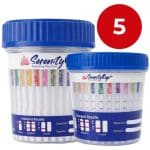
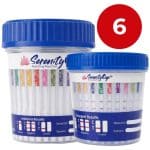
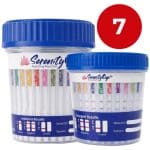
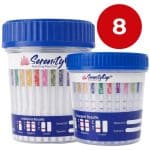
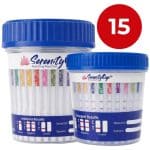
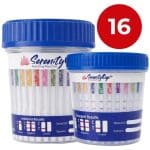
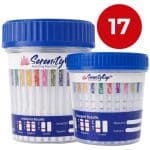
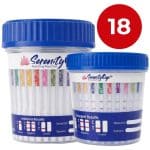
13 Panel Multi Dip Card
FREE SHIPPING ON ORDERS OVER 100 PIECES!*
12 Panel Now offers high-quality drug testing solutions designed to meet the demands
of professional environments. The 13 Panel Urine Dip Card is built specifically for forensic
applications, providing accurate and consistent results where precision matters most.
13 Panel Multi Dip Card
Reliable, lab-quality results with easy-to-use test kits.
350+ High-Demand SKUs
From everyday staples to specialty products:
- Multi-Dip Tests
- Drug Test Cups
- Oral Drug Test Swabs
- 60+ Drug Test Strips
- Cartridges COVID-19 Tests
- Gloves & PPE

Secure, Temperature-Controlled Warehouse

Same-Day Blind Drop Shipping

Lowest Wholesale Pricing. Highest Commissions. Period.

Private Label Available

Real-Time Partner Portal
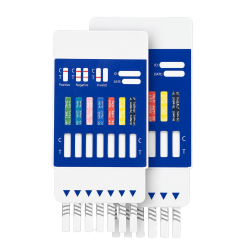
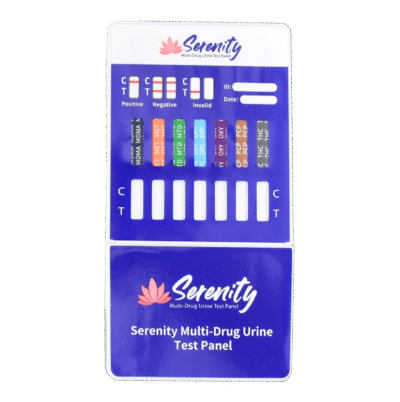
13 Panel Drug Test Dip Card with TRA, OPI/300, ETG, FEN & Adulterants As low as $1.19
ADLTX, AMP, BUP, BZO, COC, EtG, FEN, MDMA, MET, MTD, OPI/MOR, OXY, THC, TRAAs low As$1.19 $1.19 - $1.79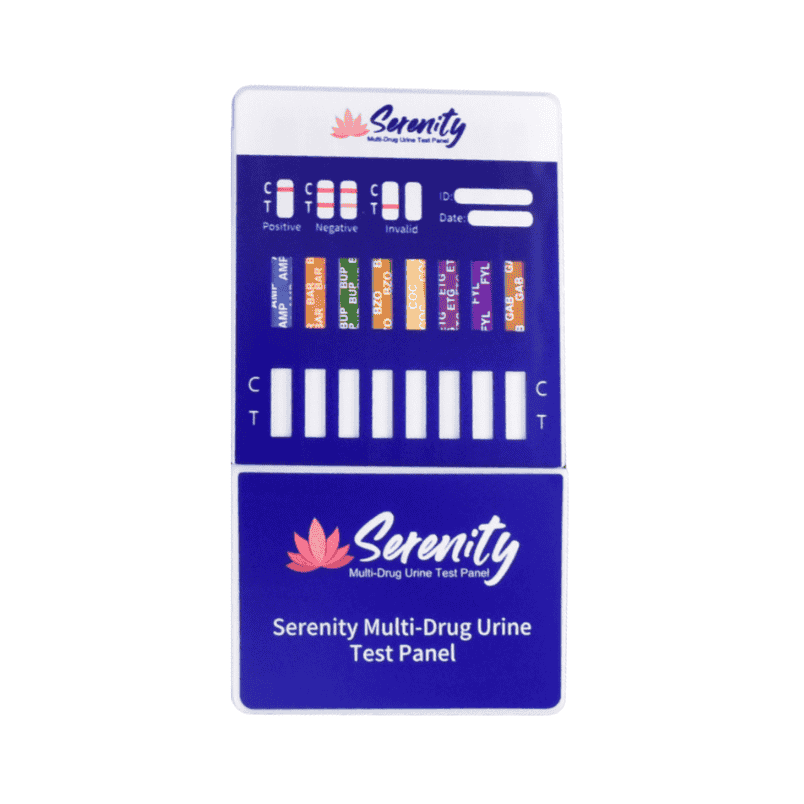
13 Panel Drug Test Dip Card detecting ADLTX, TRA, ETG & FEN, As low as $1.19
ADLTX, AMP, BUP, BZO, COC, EtG, FEN, MDMA, MET, MTD, OPI/MOR, OXY, THC, TRAForensic UseAs low As$1.19 $1.19 - $1.79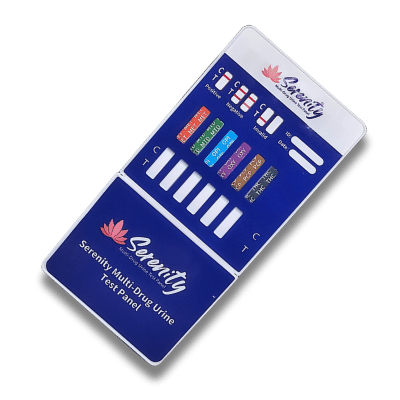
Dip Card 13 Panel Detecting FEN/20 as low as $1.05 Per Serenity Multi level Dip card
AMP, BAR, BUP, BZO, COC, FEN, MDMA, MET, MTD, OPI/MOR, OXY, PCP, THCForensic UseAs low As$1.05 $1.05 - $1.59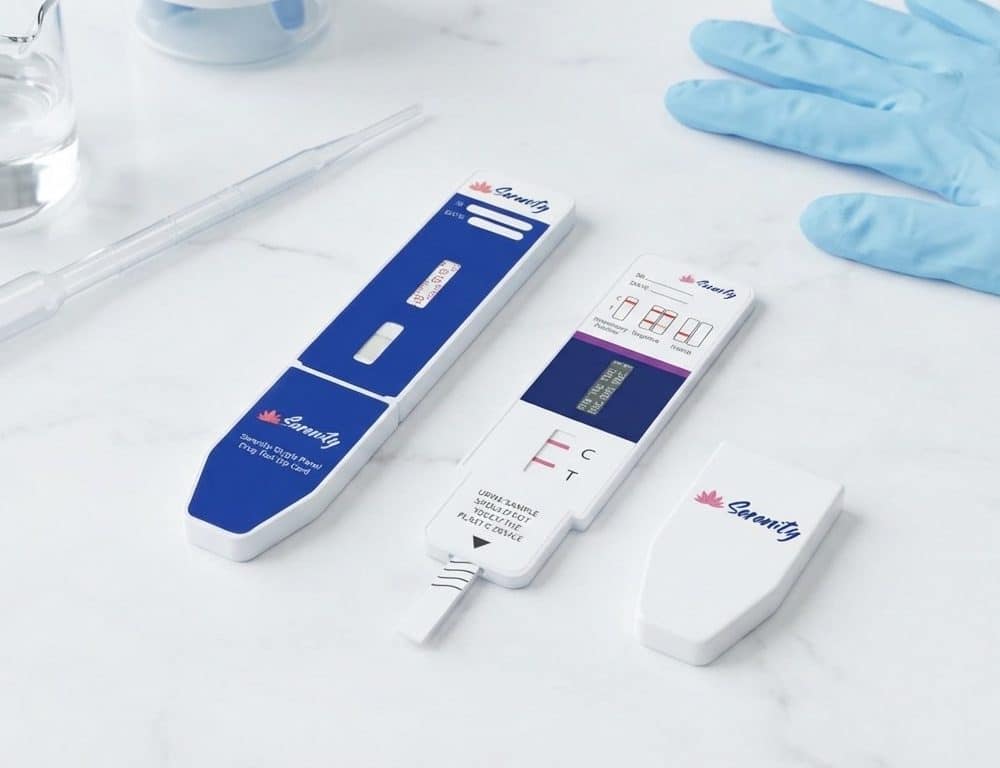
Dip Card ETG/500 Detecting Alcohol. Serenity Single Dip card. As low as $0.28
EtGForensic UseAs low As$0.28 $0.28 - $0.69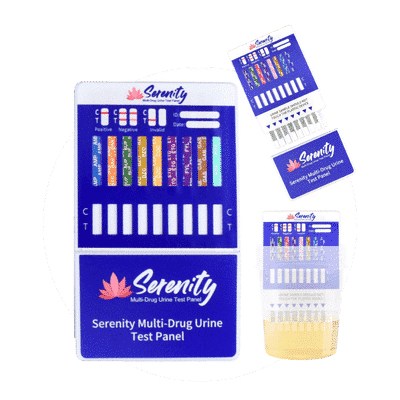
Dip card 6 Panel Detects OPI & OXY, Serenity Multi-Level Dip Card
BZO, COC, MET, OPI/MOR, OXY, THCCLIA WAIVEDAs low As$0.70 $0.70 - $1.03
Dip card 7 Panel Detecting MET & OPI, CLIA Waived, Serenity Multi-Level Dip Card- Low Price $0.74
AMP, BZO, COC, MET, OPI/MOR, OXY, THCCLIA WAIVED, FDA ClearedAs low As$0.74 $0.74 - $1.13
Dip Card 8 Panel Detects ETG & FEN, Serenity Multi level Dip card, As Low as $0.84
AMP, BZO, COC, EtG, FEN, MET, OPI/MOR, THCForensic UseAs low As$0.84 $0.84 - $1.2913 Panel Drug Test Dip Cards
Thirteen-substance urine drug test dip cards available in three configurations: the standard Forensic Use Only format with integrated Fentanyl and PCP, the CLIA Waived clinical format with FEN at two sensitivity levels plus EDDP and TCA. The 13-panel is the lowest tier where Fentanyl is a standard built-in analyte across all configurations — not an optional add-on. Searching for a 13 panel drug test near me?
12 Panel Now ships same-day wholesale anywhere in the US before 3:00 PM EST, free shipping on bulk orders. As the manufacturer of the Serenity brand drug testing product line, 12 Panel Now produces all 13-panel dip cards to the same quality control standards applied across the full product range.
The table below shows the complete 13 panel drug test substances list for each configuration, with cutoffs and detection windows.
| Substance | Abbr. | Cutoff | Detection Window | Configs |
|---|---|---|---|---|
| Amphetamines | AMP | 1000 ng/mL | 2 to 4 days | All |
| Barbiturates | BAR | 300 ng/mL | 2 days to 3 weeks | Standard, CLIA |
| Buprenorphine | BUP | 10 ng/mL | 3 to 7 days | All |
| Benzodiazepines | BZO | 300 ng/mL | 3 days to weeks | All |
| Cocaine | COC | 300 ng/mL | 2 to 4 days | All |
| Ethyl Glucuronide (Alcohol) | ETG | 300 ng/mL | Up to 80 hours | TRA+ETG+ADLTX |
| Fentanyl | FEN | 20 ng/mL | 24 to 72 hours | All |
| MDMA / Ecstasy | MDMA | 500 ng/mL | 2 to 4 days | All |
| Methamphetamine | MET | 1000 ng/mL | 2 to 4 days | All |
| Methadone | MTD | 300 ng/mL | 3 to 5 days | All |
| Opiates / Morphine | OPI | 300 ng/mL | Up to 3 days | All |
| Oxycodone | OXY | 100 ng/mL | 2 to 4 days | All |
| PCP / Phencyclidine | PCP | 25 ng/mL | 7 to 14 days | Standard FUO only |
| TCA / Tricyclic Antidepressants | TCA | 1000 ng/mL | 2 to 7 days | CLIA Waived only |
| Marijuana / THC | THC | 50 ng/mL | 3 to 30+ days | All |
| Tramadol | TRA | 100 ng/mL | 1 to 4 days | TRA+ETG+ADLTX |
| Adulterants (ADLTX) | ADLTX | Sp. Gravity / pH / Creatinine | Immediate (specimen validity) | TRA+ETG+ADLTX |
Shop 13 Panel Drug Test Dip Card with TRA, ETG, FEN and Adulterants (SKU SM-DOA-3135EFAD3) — from $1.89 | 13 Panel Standard FUO with FEN (SM-DOA-2135FUO) — from $1.29 | CLIA Waived 13 Panel (SM-DOA-2135CLIA) — from $1.29
What Does a 13 Panel Drug Test Test For?
A 13 panel urine drug test dip card screens for thirteen substances in a single dip, with the defining characteristic of this tier being that Fentanyl is integrated as a standard strip across all configurations — not an optional add-on as it is at lower panel counts. At 12 Panel Now, the 13 Panel Drug Test Dip Card is available in three configurations.
The Standard FUO format with FEN and PCP, the CLIA Waived format with FEN at 20 ng/mL and at 1 ng/mL plus EDDP and TCA. The advanced compliance format (SM-DOA-3135EFAD3) adding Tramadol (TRA), Ethyl Glucuronide (ETG), and three adulterant detection strips. The HHS Federal Register mandate of January 2025 adding fentanyl to authorized federal testing panels effective July 7, 2025 makes the 13-panel the minimum configuration that meets the federal substance authorization standard in a single dip card.
The SAMHSA Drug-Free Workplace Program confirms that fentanyl detection requires a dedicated FEN immunoassay strip and cannot be inferred from any standard OPI or opiate analyte, making the 13-panel’s integrated FEN strip the critical upgrade from the 12-panel baseline.
How Does the 13 Panel Differ From the 12 Panel Drug Test?
The 13 panel vs 12 panel drug test comparison comes down to one question: is fentanyl in the panel? The 12-panel dip card covers twelve substances including
- AMP
- BAR
- BUP
- BZO
- COC
- MDMA
- MET
- MTD
- OPI
- OXY
- PCP
- TCA
- THC.
Does the 12 Panel Drug Test Include Fentanyl?
The standard 12 panel drug test does not include a dedicated fentanyl (FEN) strip in this configuration.
The 13 panel drug test keeps the same 12-substance baseline and adds fentanyl as the 13th analyte.
12 Panel vs. 13 Panel
| 12 Panel | 13 Panel |
|---|---|
| 12 analytes | 13 analytes |
| Standard 12-substance baseline | Same 12-substance baseline |
| No dedicated FEN strip in this configuration | Adds dedicated FEN testing |
| Does not provide fentanyl-specific screening | Provides fentanyl-specific screening |
Why Add Fentanyl Testing?
Programs that need fentanyl screening should choose a panel with a dedicated FEN analyte.
This can be important for programs that:
-
-
- Monitor opioid use
-
- Work with high-risk populations
-
- Need broader drug coverage
-
- Want fentanyl-specific screening
- Are reviewing their current testing panel
-
What About Federal Testing Rules?
Federal drug testing rules and authorized panels can change over time.
A program should not assume that moving from a 12-panel to a 13-panel automatically makes it compliant with a federal testing requirement.
Instead, check:
-
-
- The current federal rules
-
- The exact testing panel required
-
- The product’s intended use
-
- The product’s analytes
- Applicable state requirements
-
Why Fentanyl Coverage Matters
Fentanyl can occur along with other substances.
For programs focused on opioid detection, a panel without FEN may leave a testing gap.
Adding a dedicated fentanyl strip can provide.
Does Tramadol Show Up on a Drug Test?
Tramadol usually requires its own drug test strip.
A standard OPI (opiate) test does not reliably detect tramadol. Tramadol has a different chemical structure from the drugs targeted by a standard OPI test.
Does Tramadol Show Up on an Opiate Test?
Usually, no.
The OPI strip is designed to detect opiates such as:
-
-
- Morphine
-
- Codeine
- Related opiate metabolites
-
Tramadol is a synthetic opioid. It does not reliably trigger the OPI test.
This means a person taking tramadol may have a negative OPI result even when tramadol is present.
How Is Tramadol Detected?
A test needs a dedicated TRA strip to screen specifically for tramadol.
The 13 Panel Drug Test Dip Card with TRA, ETG, FEN and Adulterants includes a dedicated tramadol analyte.
The TRA cutoff for this configuration is 100 ng/mL.
Why Does This Matter?
Programs should not assume that a broad opioid panel will detect every opioid.
If tramadol testing is important, check that the test includes TRA.
This is especially useful for programs that monitor:
-
-
- Prescription drug use
-
- Pain management patients
-
- Medication compliance
-
- Substance use treatment
- Workplace drug testing, when appropriate
-
Quick Answer
Does tramadol show up on a drug test?
Yes, but the test must include a dedicated tramadol analyte.
Does tramadol show up on an OPI test?
Not reliably. A standard OPI strip is not designed to specifically detect tramadol.
What should you look for?
Choose a drug test that lists TRA (tramadol) as one of its analytes.
Always check the product’s exact analytes, cutoff levels, intended use, and instructions before testing.
The PubMed research on tramadol immunoassay cross-reactivity documents that tramadol demonstrates low cross-reactivity with standard opiate immunoassays and requires a dedicated tramadol-specific antibody system for reliable urine detection. For pain management programs that prescribe tramadol and need to verify patient compliance, a panel without a dedicated TRA strip is providing no useful information about the prescribed medication. For employers in safety-sensitive industries where tramadol impairment is a documented concern, the standard OPI strip provides no protection against tramadol-impaired workers.
What Is TRA on a Drug Test?
TRA stands for tramadol.
Tramadol is a prescription pain medicine. It is used to treat moderate to moderately severe pain.
It is sold under brand names such as:
-
-
- Ultram
-
- ConZip
- Generic tramadol
-
A drug test with a TRA strip can screen specifically for tramadol.
What Does TRA Detect?
The TRA strip is designed to detect:
-
-
- Tramadol
- Tramadol’s main active metabolite, O-desmethyltramadol (M1)
-
The 13-panel dip card with TRA uses a 100 ng/mL cutoff in the referenced configuration.
Tramadol may be detectable in urine for about 1 to 4 days in many adults. The actual detection time can vary based on factors such as dose, frequency of use, metabolism, and kidney function.
Why Does Tramadol Need a TRA Strip?
Tramadol is different from many traditional opioids.
A standard OPI test is designed mainly to detect morphine and related opiates.
Because tramadol has a different chemical structure, it may not trigger a standard OPI immunoassay.
This means:
-
-
- OPI test: May not detect tramadol
- TRA test: Specifically screens for tramadol
-
How Does Tramadol Work?
Tramadol has two main actions in the body.
-
-
- Acts on opioid receptors
- Affects serotonin and norepinephrine levels
-
This makes tramadol different from traditional opioids such as morphine and oxycodone.
Why Is TRA Testing Important?
A standard opioid panel may not provide complete coverage for prescription pain medicines.
A dedicated TRA strip can help programs monitor tramadol use when it is part of their testing plan.
TRA testing may be useful for:
-
-
- Pain management programs
-
- Medication monitoring
-
- Substance use treatment programs
-
- Clinical drug screening
- Other programs that need tramadol-specific testing
-
Quick Answer
What does TRA mean on a drug test?
TRA means tramadol.
Does an OPI test detect tramadol?
Not reliably. A standard OPI test is not designed specifically to detect tramadol.
What detects tramadol?
A drug test with a dedicated TRA strip is used to screen for tramadol.
Always review the product’s analytes, cutoff levels, instructions, and intended use before testing.
Programs that need both OXY compliance monitoring and TRA compliance monitoring in a single dip should use the 13 Panel TRA+ETG+FEN+ADLTX dip card.
What Is ADLTX on a Drug Test?
ADLTX stands for Adulterants Detection.
ADLTX is not a drug. It is a specimen validity check.
It helps check whether a urine sample appears normal and suitable for testing.
The referenced SM-DOA-3135EFAD3 dip card includes three specimen checks:
-
-
- Specific Gravity
-
- pH
- Creatinine
-
These checks run along with the drug test.
How Does Adulteration Detection Work?
The adulteration test looks for signs that a urine sample may have been changed or diluted.
This can help identify problems before a drug result is reported.
1. Specific Gravity
Specific gravity measures how concentrated the urine is.
A very low result may indicate a diluted sample.
The referenced test uses levels such as:
-
-
- Below 1.003 — may indicate a very dilute specimen
- Below 1.001 — may indicate an extremely dilute specimen
-
Low specific gravity can occur for many reasons. It should be reviewed with the other specimen validity results.
2. pH
pH measures whether the urine is acidic or alkaline.
The normal urine range is generally about 4.5 to 9.0.
A result outside this range may indicate an unusual specimen or possible adulteration.
3. Creatinine
Creatinine is another measure used to check urine concentration.
A very low creatinine result may indicate:
-
-
- Dilution
-
- An unusual specimen
- Possible specimen substitution
-
Creatinine should be reviewed together with specific gravity and other validity results.
Why Is ADLTX Important?
Drug testing can be affected if a specimen is diluted or altered.
An adulteration check can help a testing program identify possible specimen problems.
It may help prevent an invalid or unusual specimen from being treated as a normal negative result.
What Happens if a Specimen Looks Invalid?
If specimen validity results show a problem, the collecting staff can follow the program’s procedures.
Depending on the testing rules, this may include:
-
-
- Flagging the specimen for review
-
- Reporting the specimen as invalid when appropriate
-
- Collecting a new specimen
- Using an observed collection when required
-
The exact response depends on the testing program and applicable rules.
ADLTX at a Glance
| Check | What It Measures | Why It Matters |
|---|---|---|
| Specific Gravity | Urine concentration | Helps identify dilution |
| pH | Acidity or alkalinity | May identify an unusual specimen |
| Creatinine | Urine concentration | Helps assess specimen validity |
Key Point
ADLTX is a specimen validity feature, not a drug analyte.
It helps programs check the quality and integrity of a urine specimen before interpreting the drug screening results.
Always follow the manufacturer’s instructions and the applicable testing rules when using adulteration or specimen validity checks.
How to Detect a Diluted Urine Drug Test Sample
A diluted urine sample contains more water than normal. This can lower the concentration of drug metabolites in the urine.
A drug test may then show a negative result even when a drug is present below the test’s cutoff level.
How Can Urine Become Diluted?
Drinking a large amount of water before testing can make urine less concentrated.
Other factors can also affect urine concentration, including:
-
-
- Fluid intake
-
- Time since the last urination
-
- Certain medicines
-
- Medical conditions
- Normal differences between people
-
Because of this, a low concentration does not always mean that a sample was intentionally changed.
How Do You Check for a Diluted Sample?
A drug panel alone does not measure urine concentration.
A specimen validity test can provide additional information.
Common checks include:
-
-
- Specific Gravity: Measures urine concentration
-
- Creatinine: Provides another measure of urine concentration
- pH: Checks whether the urine is within a typical pH range
-
Specific Gravity Testing
The specific gravity strip on the referenced SM-DOA-3135EFAD3 dip card checks urine concentration.
A low specific gravity result may indicate a dilute specimen.
For the referenced test:
-
-
- Below 1.003: May indicate a dilute sample
- Below 1.001: May indicate an extremely dilute sample
-
The result should be reviewed with other specimen validity findings.
Why Does Dilution Matter?
Dilution can reduce the concentration of drug metabolites.
This may affect the result if the concentration falls below the test’s cutoff.
For this reason, a negative drug result should be considered along with the specimen validity results when required by the testing program.
What Happens When a Sample Is Dilute?
The next step depends on the
The Creatinine strip provides a parallel validity marker — creatinine below 20 mg/dL is defined as dilute under SAMHSA criteria, and creatinine below 2 mg/dL is defined as substituted. Programs using the tramadol 13 panel drug test — the 13-panel dip card with ADLTX — eliminate the most common specimen manipulation method without any additional equipment, additional strips, or additional cost beyond the per-card price. Probation programs, drug court monitoring, and correctional facilities where specimen manipulation is a documented ongoing concern benefit most from the ADLTX-integrated format.
Does the 13 Panel Drug Test Detect Fentanyl?
Yes. The 13 panel drug test includes a dedicated fentanyl (FEN) strip.
In the referenced 13-panel configurations, the FEN strip uses a 20 ng/mL cutoff.
What Does the FEN Strip Detect?
The FEN strip is designed to detect fentanyl.
It uses antibodies made to react with fentanyl-related compounds.
This provides fentanyl-specific screening that a standard OPI strip does not provide.
Why Is Fentanyl Testing Important?
A standard opiate test does not reliably detect fentanyl.
Fentanyl has a different chemical structure from traditional opiates such as morphine.
For programs that need fentanyl screening, a dedicated FEN analyte is important.
13 Panel Fentanyl Testing at a Glance
-
-
- Panel: 13-panel drug test
-
- Fentanyl analyte: FEN
-
- Cutoff: 20 ng/mL in the referenced configuration
-
- Purpose: Fentanyl-specific screening
- Testing format: Urine dip card
-
Key Point
If your program needs fentanyl testing, confirm that the specific product includes FEN and check its listed cutoff level.
Always follow the manufacturer’s instructions and applicable testing requirements when using a drug test.
This threshold reflects fentanyl’s extreme pharmacological potency — the drug produces physiological effects at nanogram-scale blood concentrations, meaning even low urine concentrations are clinically significant. The HHS Federal Register notice of January 2025 mandating fentanyl addition to authorized federal testing panels effective July 7, 2025 establishes the regulatory basis for why the 13-panel’s integrated FEN strip represents the current federal policy standard for comprehensive opioid detection.
Does the 13 Panel Drug Test Detect Fentanyl?
Yes. The 13 panel drug test includes a dedicated fentanyl (FEN) strip.
In the referenced 13-panel configurations, the FEN strip uses a 20 ng/mL cutoff.
What Does the FEN Strip Detect?
The FEN strip is designed to detect fentanyl.
It uses antibodies made to react with fentanyl-related compounds.
This provides fentanyl-specific screening that a standard OPI strip does not provide.
Why Is Fentanyl Testing Important?
A standard opiate test does not reliably detect fentanyl.
Fentanyl has a different chemical structure from traditional opiates such as morphine.
For programs that need fentanyl screening, a dedicated FEN analyte is important.
13 Panel Fentanyl Testing at a Glance
-
-
- Panel: 13-panel drug test
-
- Fentanyl analyte: FEN
-
- Cutoff: 20 ng/mL in the referenced configuration
-
- Purpose: Fentanyl-specific screening
- Testing format: Urine dip card
-
Key Point
If your program needs fentanyl testing, confirm that the specific product includes FEN and check its listed cutoff level.
Always follow the manufacturer’s instructions and applicable testing requirements when using a drug test.
Is the 13 Panel Drug Test CLIA Waived?
Yes. The referenced 13 panel CLIA Waived drug test (SM-DOA-2135CLIA) is described as CLIA Waived and FDA 510(k) cleared.
It is designed for use in approved clinical settings by trained staff. A laboratory certification is not required for waived testing when the test is used according to its clearance and applicable CLIA rules.
What Does the CLIA Waived 13 Panel Test Detect?
The referenced configuration includes:
-
-
- AMP — Amphetamines
-
- BAR — Barbiturates
-
- BUP — Buprenorphine
-
- BZO — Benzodiazepines
-
- COC — Cocaine
-
- FEN — Fentanyl
-
- MDMA — MDMA
-
- MET — Methamphetamine
-
- MTD — Methadone
-
- OPI — Opiates
-
- OXY — Oxycodone
-
- TCA — Tricyclic antidepressants
- THC — Marijuana
-
The referenced configuration also lists EDDP and FEN at a 1 ng/mL cutoff.
Where Can It Be Used?
A CLIA Waived 13 panel test may be useful in approved clinical settings such as:
-
-
- Physician offices
-
- Occupational medicine clinics
-
- Addiction treatment programs
- Other healthcare settings covered by CLIA
-
It can provide point-of-care screening for programs that need broader drug coverage.
Why Choose a 13 Panel CLIA Waived Test?
The 13-panel format can add fentanyl screening to a broader drug testing panel.
This may be useful for programs that need to monitor:
-
-
- Prescription drug use
-
- Opioid use
-
- Fentanyl exposure
- Other drugs in the panel
-
Important
CLIA status applies to a specific product and configuration.
Before ordering, confirm:
-
-
- The exact product number
-
- CLIA Waived status
-
- FDA clearance
-
- Intended use
-
- Analytes and cutoff levels
- Current federal and state requirements
-
Always use the test according to the manufacturer’s instructions and its cleared or authorized intended use.
The Forensic Use Only configurations (SM-DOA-2135FUO and SM-DOA-3135EFAD3) are appropriate for probation, corrections, law enforcement, and compliance settings that do not fall under CLIA jurisdiction. Programs uncertain about which classification applies to their setting should review the CLIA Waived verification guide at 12 Panel Now. The CDC’s waived test classification guidance provides the regulatory framework for confirming that a device used in a clinical setting has the appropriate CLIA Waived designation.
Who Uses the 13 Panel Drug Test Dip Card?
The 13 panel drug test dip card is used by pain management clinics, MAT programs, opioid treatment programs, occupational medicine departments, probation offices, correctional facilities, drug courts, sober living homes, and any program that needs the full 12-panel baseline plus dedicated fentanyl detection in a single dip — and by advanced compliance programs that additionally need tramadol monitoring, alcohol metabolite detection, and specimen validity checking.
Pain management clinics that prescribe tramadol as an adjunct or alternative analgesic to opioids use the TRA+ETG+FEN+ADLTX configuration because it simultaneously confirms tramadol compliance (TRA), screens for concurrent illicit opioid and fentanyl use (OPI, OXY, FEN), checks for BZO and BAR co-use risk, and validates the specimen has not been diluted or substituted (ADLTX).
Methadone treatment programs and buprenorphine clinics use the 13-panel CLIA Waived configuration because the integrated FEN strip brings their point-of-care screening into compliance with the post-July 2025 federal standard while maintaining the CLIA Waived status required for clinical administration. Probation programs and drug courts with documented tramadol misuse patterns in their supervised population use the TRA configuration alongside ADLTX to prevent the two most common forms of compliance avoidance: tramadol substitution for illicit opioids and specimen dilution.
Is the 13 Panel Drug Test Right for Workplace Drug Testing?
The 13 panel drug test may be a good choice for some workplace testing programs.
The right panel depends on the employer’s testing policy, workplace risks, and applicable rules.
Non-DOT Workplace Testing
Non-DOT employers can choose broader drug panels when allowed by their policies and applicable laws.
A 13-panel test can add fentanyl (FEN) to a broader drug screen.
It may be useful for employers that currently use a 12-panel test and want dedicated fentanyl screening.
DOT Workplace Testing
DOT-regulated employers must follow DOT testing rules.
The DOT testing panel is set by federal requirements.
Employers should not replace the required DOT panel with a 13-panel test.
A separate or supplemental test may be possible in some situations, but employers should confirm the current DOT rules before use.
Standard 13 Panel FUO
The referenced Standard FUO 13-panel format (SM-DOA-2135FUO) is listed at $1.29 per test.
It can provide:
-
-
- 13 drug analytes
-
- Dedicated fentanyl (FEN) screening
-
- A simple upgrade from a 12-panel format
- A Forensic Use Only (FUO) option for appropriate non-clinical testing
-
Pricing can change. Confirm the current price before ordering.
13 Panel With TRA, ETG, FEN, and ADLTX
Another option includes:
-
-
- TRA — Tramadol
-
- ETG — Alcohol metabolite
-
- FEN — Fentanyl
- ADLTX — Adulterant or specimen validity checks
-
This type of panel may be useful for employers that need broader testing.
For example, it may fit programs that need:
-
-
- Tramadol screening
-
- Alcohol monitoring
-
- Fentanyl screening
- Specimen validity checks
-
Is the 13 Panel Right for Your Workplace?
Consider a 13-panel test if your program needs:
-
-
- Fentanyl testing
-
- Broader drug coverage
-
- Tramadol testing
-
- Alcohol monitoring
- Specimen validity checks
-
Before ordering, confirm the:
-
- Exact analytes
-
- Cutoff levels
-
- Product classification
-
- Intended use
- Current federal and state requirements
The OSHA Drug-Free Workplace guidelines confirm that panel configuration for non-regulated employers should reflect the specific substance risk profile of the workforce. For DOT-regulated employers, the 13-panel dip card is appropriate for supplemental non-safety-sensitive screening outside the regulated program.
What Does the 13 Panel Drug Test NOT Detect?
The 13 panel drug test dip card does not detect kratom, gabapentin, K2 or synthetic cannabinoids, xylazine, ketamine, MDPV, psilocybin, LSD, delta-8 THC, norfentanyl (unless the CLIA Waived NFYL configuration is selected), or any substance beyond its thirteen dedicated strips and ADLTX validity markers.
The norfentanyl metabolite of fentanyl persists in urine longer than fentanyl itself — up to 96 hours versus 72 hours for fentanyl — but is only detected by the CLIA Waived variant that includes the NFYL strip alongside the standard FEN/20 strip. Programs that need norfentanyl detection alongside fentanyl for extended detection windows should select the CLIA Waived NFYL configuration or evaluate the 15 through 19 panel dip card formats that include NFYL as a standard strip.
Kratom detection requires a dedicated KRA strip first available in 16-panel and higher configurations. Gabapentin requires a GAB strip available in 15-panel and higher formats. For programs whose populations use any of these substances alongside the 13-panel baseline, the dip card format guide at 12 Panel Now provides a full comparison of available analyte configurations across the 13 through 19 panel tier.
Which 13 Panel Configuration Is Right for Your Program?
The best 13 panel drug test depends on your program and testing needs.
There are three main configurations to consider.
1. Standard FUO 13 Panel
Product: SM-DOA-2135FUO
Listed price: $1.29 per test
Choose this option if you need:
-
-
- Fentanyl testing
-
- PCP testing
-
- The standard 12-panel drug baseline
- Forensic Use Only (FUO) testing
-
This format may be useful for:
-
-
- Probation programs
-
- Correctional facilities
-
- Workplace testing
- Other non-clinical programs
-
It is a simple way to add fentanyl to a broader drug screen.
2. CLIA Waived 13 Panel
Product: SM-DOA-2135CLIA
Listed price: $1.29 per test
Choose this option if your program needs a CLIA Waived test for an approved clinical setting.
It includes fentanyl testing and is designed for programs that need broader drug screening.
It may be useful for:
-
-
- Physician offices
-
- Treatment programs
-
- Healthcare clinics
- Other approved clinical settings
-
3. 13 Panel With Adulterants
Product: SM-DOA-3135EFAD3
Listed price: $1.89 per test
Choose this option if you need more than standard drug screening.
This configuration includes:
-
-
- TRA — Tramadol
-
- ETG — Alcohol metabolite
-
- FEN — Fentanyl
- ADLTX — Adulterant or specimen validity checks
-
It may be useful for programs that need:
-
-
- Tramadol monitoring
-
- Alcohol abstinence testing
-
- Fentanyl screening
- Specimen validity checks
-
Quick Comparison
| Configuration | Best For | Key Features |
|---|---|---|
| Standard FUO | Workplace, probation, corrections | Fentanyl + PCP |
| CLIA Waived | Clinical programs | CLIA Waived + fentanyl |
| With Adulterants | Compliance programs | TRA + ETG + FEN + ADLTX |
Which One Should You Choose?
Choose Standard FUO if:
You need a broad drug screen with fentanyl and PCP for non-clinical testing.
Choose CLIA Waived if:
You need a properly classified waived test for an approved clinical setting.
Choose the Adulterants panel if:
You need fentanyl, tramadol, alcohol metabolite, and specimen validity testing in one card.
Important
Prices and product configurations can change. Confirm the current price, analytes, cutoff levels, product classification, and intended use before ordering.
Contact the 12 Panel Now wholesale team at 561-897-9238 or [email protected] to discuss which configuration is the right match for your specific program requirements.
How Accurate Is the 13 Panel Drug Test Dip Card?
The 13 panel drug test is designed for accurate screening when used correctly.
The manufacturer states that its 13-panel configurations provide up to high accuracy across the listed test strips when the test is performed according to the instructions.
Which Strips Need Extra Care?
Some strips have lower cutoff levels and require careful testing.
The referenced panel includes:
-
-
- BUP: 10 ng/mL
- FEN: 20 ng/mL in the standard and ADLTX configurations
-
Follow the product instructions for:
-
-
- Dip time
-
- Read time
-
- Specimen level
-
- Storage
- Result interpretation
-
How Long Should You Dip the Card?
For the referenced configuration:
-
-
- Dip the card for about 10 to 15 seconds
-
- Read the result at about 5 minutes
- Do not interpret the result after 10 minutes
-
Following the correct timing can help reduce testing errors.
How Do You Read the Results?
Each drug strip has two areas:
-
-
- C = Control
- T = Test
-
Negative Result
Two colored lines appear:
-
-
- One line at C
- One line at T
-
A faint T line can still indicate a negative result when interpreted according to the manufacturer’s instructions.
Presumptive Positive Result
One line appears:
-
-
- A line at C
- No line at T
-
This is a presumptive positive result. Confirmatory laboratory testing may be required before making important employment, medical, or legal decisions.
Invalid Result
No line appears at the C area.
This means the test is invalid.
The test should not be interpreted. Follow the manufacturer’s instructions for repeat testing with a new card and specimen when required.
What About ADLTX?
The ADLTX specimen validity strips on the SM-DOA-3135EFAD3 are read during the same testing period as the drug strips.
They are not read as a separate test.
These checks can provide information about
Any presumptive positive on any strip must be confirmed by GC-MS or LC-MS/MS laboratory analysis before any employment, clinical, or legal action is taken. The SAMHSA Drug-Free Workplace FAQ confirms that laboratory confirmation is mandatory before any consequential action on a positive rapid immunoassay result.
13 Panel Drug Test Dip Card vs 13 Panel Drug Test Cup
Both the dip card and the 13 panel drug test cup detect the same thirteen substances at equivalent immunoassay accuracy. The dip card formats starting from $1.29 are the lower-cost choice for high-volume monitoring programs. The cup format provides integrated collection, built-in temperature validation, and tamper-evident sealed design for chain-of-custody settings.
The 13 panel drug test cup at 12 Panel Now is available in multiple configurations including the standard cup, the ETG+FEN configuration, and the ADLTX cup format — all with the no-drip lid, built-in temperature strip, and photocopy-compatible result windows.
For rehabilitation programs and sober living homes running high-frequency testing where direct staff oversight of collection is standard, the dip card’s lower per-test cost provides meaningful savings at scale without sacrificing substance coverage. For compliance settings with legal accountability requirements, the cup’s specimen integrity features are the appropriate choice. Browse the full comparison at the 13 panel drug test category at 12 Panel Now.
Buying 13 Panel Drug Test Dip Cards in Bulk
At 12 Panel Now, the 13 panel drug test bulk and wholesale pricing is available from $1.29 per test for the Standard FUO and CLIA Waived configurations and from $1.89 for the TRA+ETG+FEN+ADLTX format, with 13 panel drug test wholesale orders shipping same-day before 3:00 PM EST and free shipping on qualifying bulk orders.
As the US-based manufacturer of the Serenity brand drug testing product line, 12 Panel Now carries millions of products in stock at all times with no backorders. Each card is individually foil-sealed with an 18 to 24 month shelf life. Store between 36 and 86 degrees Fahrenheit away from direct sunlight and humidity.
The FEN strip at 20 ng/mL and BUP strip at 10 ng/mL are the most temperature-sensitive analytes on the card — temperature-controlled bulk storage is recommended for programs ordering high volumes. Mixed SKU bulk orders combining any 13-panel dip card configuration with supplemental fentanyl strips or single-panel add-ons can be placed in a single order. Send us a competitor rate sheet and we’ll save you money. OEM, private label, and custom panel configurations are available.
Contact 561-897-9238 or [email protected].
13 Panel Drug Test Dip Cards at 12 Panel Now (Serenity Drug Test / Slash Medical), 801 N Congress Ave, Suite 101, Boynton Beach FL 33426. Manufacturer of the Serenity brand drug testing product line. Key products: SM-DOA-2135FUO (Standard FUO, AMP/BAR/BUP/BZO/COC/FEN/MDMA/MET/MTD/OPI/OXY/PCP/THC, from $1.29); SM-DOA-2135CLIA (CLIA Waived, adds TCA/1000, FEN/1 and EDDP, from $1.29); SM-DOA-3135EFAD3 (TRA/ETG/FEN/ADLTX FUO, AMP/BUP/BZO/COC/ETG/FEN/MDMA/MET/MTD/OPI/OXY/TRA/THC + 3 Adulterants, from $1.89). Regulatory references: SAMHSA Mandatory Guidelines 2025. HHS fentanyl authorization effective July 7, 2025. SAMHSA specimen validity criteria (Specific Gravity, pH, Creatinine). Quest Diagnostics 2025 Drug Testing Index. PubMed tramadol immunoassay cross-reactivity research. CDC CLIA Waived test classification guidance. OSHA Drug-Free Workplace guidelines
13 Panel Multi Dip Cards – Panels Accuracy & Uses
The 13 Panel Multi Dip Cards are designed for professional and forensic use, offering high accuracy in detecting 10 different substances, including Fentanyl and ETG. These cards feature a simple one-step dip process that provides reliable results in approximately 5 minutes, making them highly efficient for rapid on-site screening. They are a cost-effective solution for high-volume testing environments and come with a long shelf life of 1 to 2 years for flexible inventory management. Specifically engineered for precision, these dip cards ensure consistent performance in controlled settings where dependable drug detection is essential.
13 Panel Multi Dip Cards FAQ's
Can a 13 Panel Drug Test Detect Prescription Medications?
Many 13 panel configurations can detect commonly prescribed medications such as benzodiazepines, methadone, buprenorphine, oxycodone, and tramadol (when included). The exact medications detected depend on the panel configuration selected.
How Long Can a 13 Panel Drug Test Dip Card Be Stored Before Use?
Most 13 Panel Multi Dip Cards have a shelf life of approximately 18–24 months when stored according to manufacturer guidelines. Proper storage helps maintain test performance and reliability.
Are 13 Panel Dip Cards Suitable for Random Workplace Testing Programs?
Yes. Their rapid results, simple administration process, and broad substance coverage make them a practical option for random workplace screening programs, particularly in non-DOT environments.
Can Temperature Affect Drug Test Dip Card Performance?
Extreme heat, freezing temperatures, and excessive humidity may affect test integrity. For best results, dip cards should be stored within the recommended temperature range and kept in their sealed packaging until use.
What Training Is Required to Use a 13 Panel Multi Dip Card?
The cards are designed for easy operation and require minimal training. Users simply collect a urine sample, dip the card for the recommended time, and interpret the results according to the instructions provided.
Why Do Organizations Choose Dip Cards Instead of Laboratory Testing?
Dip cards provide immediate preliminary screening results at a significantly lower cost than laboratory testing. They are often used as a first-line screening tool before sending presumptive positive samples for confirmation testing.
Can a 13 Panel Drug Test Be Used for Post-Accident Screening?
Yes. Many employers and compliance programs use multi-panel dip cards for post-incident or reasonable-suspicion testing when rapid preliminary results are needed on-site.
What Makes a 13 Panel Dip Card a Cost-Effective Testing Solution?
Because multiple substances are screened simultaneously on a single device, organizations can reduce testing costs, streamline workflows, and minimize the need for multiple individual tests.
Are 13 Panel Drug Test Dip Cards Individually Packaged?
Yes. Most professional-grade dip cards are individually sealed to protect the testing strips from moisture, contamination, and environmental exposure until they are ready for use.
When Should a Drug Test Result Be Sent for Laboratory Confirmation?
Any presumptive positive result should be confirmed through a certified laboratory using methods such as GC-MS or LC-MS/MS before making employment, legal, clinical, or disciplinary decisions.