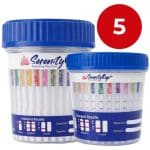
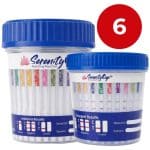
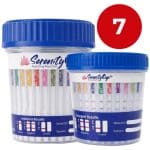
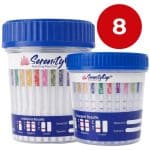
7 Panel Multi Dip Card
FREE SHIPPING ON ORDERS OVER 100 PIECES!*
12 Panel Now offers high-quality drug testing solutions designed to meet the demands
of professional environments. The 7 Panel Urine Dip Card is built specifically for forensic
applications, providing accurate and consistent results where precision matters most.
7 Panel Multi Dip Card
Reliable, lab-quality results with easy-to-use test kits.
350+ High-Demand SKUs
From everyday staples to specialty products:
- Multi-Dip Tests
- Drug Test Cups
- Oral Drug Test Swabs
- 60+ Drug Test Strips
- Cartridges COVID-19 Tests
- Gloves & PPE

220,000 Sq. Ft. Mega Warehouse

Same-Day Blind Drop Shipping

Lowest Wholesale Pricing. Highest Commissions. Period.

Private Label Available

Real-Time Partner Portal
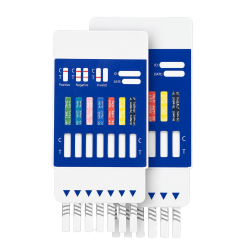
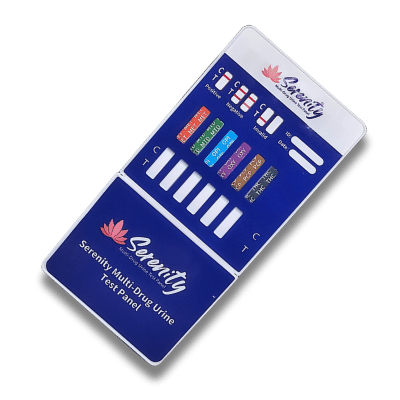
Dip card 7 Panel Detecting MET & OPI, CLIA Waived & FDA Approved, Serenity Multi-Level Dip Card- Low Price $0.74
AMP, BZO, COC, MET, OPI/MOR, OXY, THCCLIA WAIVED, FDA ApprovedAs low As$0.74 $0.74 - $1.13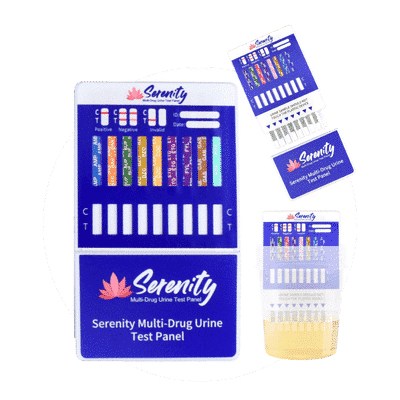
Dip card 6 Panel Detects OPI & OXY, Serenity Multi-Level Dip Card
BZO, COC, MET, OPI/MOR, OXY, THCCLIA WAIVEDAs low As$0.70 $0.70 - $1.03
Dip card 10 Panel CLIA, detecting OPI & BUP, CLIA Waived & FDA Approved, Serenity Multi-Level Dip Card. As low as $0.99
AMP, BUP, BZO, COC, MDMA, MET, MTD, OPI/MOR, OXY, THCCLIA WAIVED, FDA ApprovedAs low As$ 0.99 $0.99 - $1.59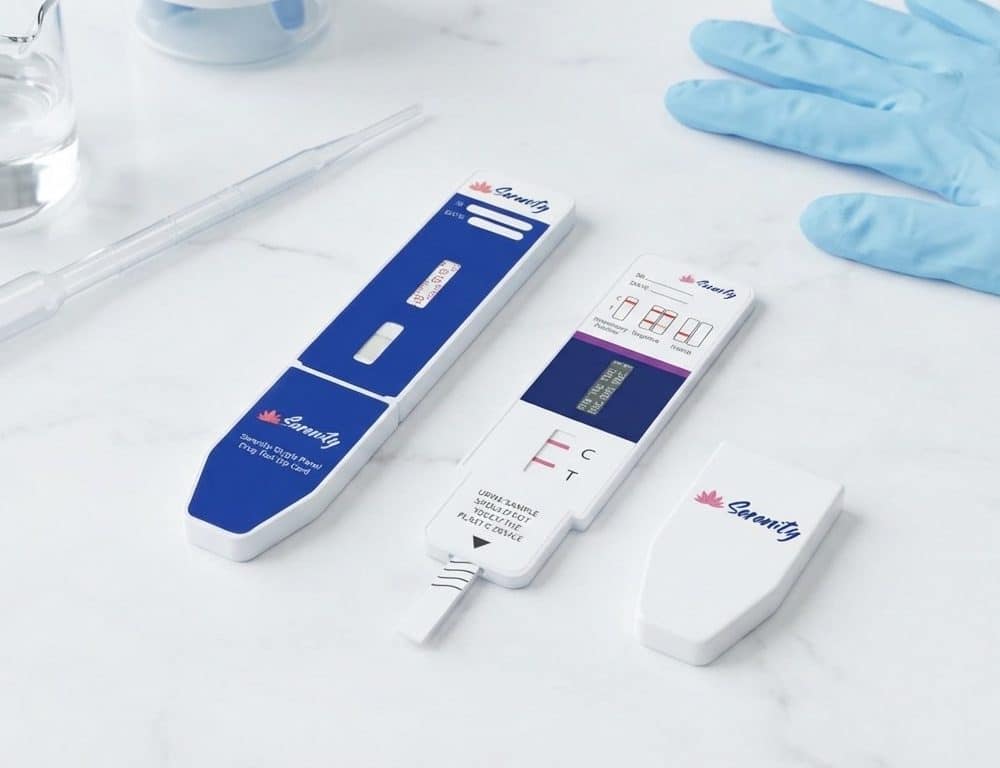
Dip Card ETG/500 Detecting Alcohol. Serenity Single Dip card. As low as $0.28
EtGForensic UseAs low As$0.28 $0.28 - $0.69
Dip Card FEN/20ng Detecting Fentanyl. Serenity Rapid Urine Drug Screening Test, As Low as $0.28 Per Test card
FENForensic UseAs low As$0.28 $0.28 - $0.697 Panel Drug Test Dip Cards
Seven-substance urine drug test dip cards screening Amphetamines, Benzodiazepines, Cocaine, Methamphetamine, Opiates, Oxycodone, and Marijuana in a single dip.
The critical distinction at this tier: Oxycodone is detected by its own dedicated OXY strip at 100 ng/mL, separate from the OPI analyte, because oxycodone does not reliably appear on the standard opiate immunoassay strip. From $1.09 per test. Same-day wholesale shipping before 3:00 PM EST.
| Substance | Abbreviation | Cutoff (Urine) | Detection Window |
|---|---|---|---|
| Amphetamines | AMP | 1000 ng/mL | 2 to 4 days |
| Benzodiazepines | BZO | 300 ng/mL | 3 days to several weeks |
| Cocaine | COC | 300 ng/mL | 2 to 4 days |
| Methamphetamine | MET | 1000 ng/mL | 2 to 4 days |
| Opiates / Morphine | OPI | 300 ng/mL | Up to 3 days |
| Oxycodone | OXY | 100 ng/mL | 2 to 4 days — dedicated strip required |
| Marijuana / THC | THC | 50 ng/mL | 3 to 30+ days |
Shop the 7 Panel Drug Test Dip Card (SKU SM-DOA-274) — from $1.09
What Is a 7 Panel Drug Test Dip Card and What Does It Detect?
A 7 panel drug test dip card screens for seven substances in a single urine dip — Amphetamines, Benzodiazepines, Cocaine, Methamphetamine, Opiates, Oxycodone, and Marijuana — with Oxycodone tested by its own dedicated OXY strip completely separate from the Opiate analyte.
At 12 Panel Now, the 7 Panel Drug Test Dip Card (SKU: SM-DOA-274) uses seven dedicated lateral flow immunoassay strips in a single card housing with photocopy-compatible result windows, delivering results in 5 minutes from a single urine sample. The OXY strip at 100 ng/mL is the defining analyte of the 7-panel tier and the primary reason programs move up from a 6-panel configuration.
As the manufacturer of the Serenity brand drug testing product line, 12 Panel Now produces all 7-panel dip cards under the same quality control standards applied across its full product range. According to the SAMHSA Drug-Free Workplace Program, oxycodone is classified separately from the standard opiate analyte in drug testing guidelines precisely because the two substance categories require distinct immunoassay systems to detect reliably.
Does Oxycodone Show Up on a Standard Opiate Drug Test?
No. Oxycodone does not reliably appear on a standard OPI or opiate immunoassay strip at typical clinical concentrations. This is one of the most consequential and most misunderstood facts in practical drug testing.
The standard opiate strip (OPI) uses antibodies designed to detect morphine and morphine-related metabolites including codeine and heroin metabolites at concentrations above the 300 ng/mL threshold. Oxycodone is a semi-synthetic opioid with a chemically distinct structure that does not adequately cross-react with morphine-specific antibodies at the standard cutoff.
A person taking OxyContin, Percocet, or generic oxycodone at therapeutic or supra-therapeutic doses will frequently produce a negative result on the OPI strip because the oxycodone molecule and its primary metabolites oxymorphone and noroxycodone do not trigger the morphine antibody at 300 ng/mL. The NIH research on immunoassay cross-reactivity for opioids documents that oxycodone demonstrates low cross-reactivity with morphine immunoassays and requires a dedicated oxycodone-specific analyte for reliable detection in urine drug screening.
The dedicated OXY strip at 100 ng/mL on the 7-panel dip card uses oxycodone-specific antibodies that react directly to oxycodone and its metabolites at concentrations consistent with recent use, closing the detection gap that the OPI strip leaves open.
Why Is Oxycodone the Most Clinically Important Substance the OPI Strip Misses?
Oxycodone is among the most commonly misused prescription opioids in the United States, and a testing program that relies on the OPI strip alone will systematically miss every oxycodone-positive specimen in its population.
According to SAMHSA’s 2024 National Survey on Drug Use and Health, oxycodone products including OxyContin and Percocet are among the prescription pain relievers most frequently misused by Americans aged 12 or older, part of the broader 7.6 million Americans who misused prescription opioids in the past year.
For pain management clinics that prescribe oxycodone and need to confirm patient compliance — monitoring whether prescribed oxycodone is actually being taken rather than diverted — the OXY strip is not optional.
It is the only analyte that provides meaningful information about oxycodone adherence. For employers in industries where opioid impairment is a safety risk, running a panel without OXY means a worker impaired by oxycodone use can pass the opiate portion of a drug test entirely.
For probation and drug court programs monitoring participants for opioid abstinence, a 5-panel or 6-panel test without OXY is systemically inadequate for any participant with a documented oxycodone use history.
What Other Common Opioids Are Also Missed by the Standard OPI Strip?
The detection gap created by the OPI strip’s morphine-specific antibodies extends beyond oxycodone to several other widely misused and prescribed opioids. Fentanyl — which has its own dedicated FEN strip at higher panel counts — is not detected by the OPI strip at any clinically encountered concentration, as documented in NIH opioid immunoassay cross-reactivity research.
Hydrocodone (Vicodin) shows variable cross-reactivity with the OPI strip and may or may not produce a positive result depending on the specific antibody formulation and the dose consumed. Buprenorphine (Suboxone) requires a dedicated BUP strip, typically at a 10 ng/mL cutoff, and will not appear on the OPI strip. Methadone requires its own MTD strip and is similarly invisible to OPI.
The 7-panel dip card directly addresses the most common of these gaps — oxycodone — while still requiring separate panels for fentanyl (available as a single panel fentanyl add-on), buprenorphine, and methadone. Programs that need to cover oxycodone, buprenorphine, and methadone simultaneously alongside the standard substance baseline should evaluate the 10 through 19 panel dip card formats that include OXY, BUP, and MTD as dedicated analytes.
Who Uses the 7 Panel Drug Test Dip Card and in Which Settings?
The 7 panel drug test dip card is used primarily by pain management clinics, opioid treatment programs, probation offices, employers in industries with documented oxycodone misuse risk, and any program that previously ran a 5-panel or 6-panel test and discovered its OPI results were failing to capture oxycodone positives in the population.
Pain management clinics are the single most common institutional buyer for the 7-panel dip card because they simultaneously need to verify patient compliance with prescribed oxycodone (positive OXY result expected) and screen for illicit substance use (positive on any other strip unexpected).
Suboxone and buprenorphine clinics sometimes use the 7-panel for patients who have prior oxycodone histories and need oxycodone use detection as part of comprehensive relapse monitoring even though their primary MAT medication BUP is not on this panel.
Probation programs managing participants with documented oxycodone use disorders use the 7-panel because it provides oxycodone detection that a 5-panel or 6-panel format cannot deliver, closing the most commonly exploited gap in standard drug court screening.
Construction, healthcare staffing, and transportation employers in regions with elevated prescription opioid misuse rates use the 7-panel to ensure that oxycodone impairment cannot evade their drug-free workplace program through the OPI strip gap.
How Is the 7 Panel Dip Card Different From the 7 Panel Drug Test Cup at 12 Panel Now?
Both the 7 panel dip card and the 7 panel drug test cup deliver seven-substance urine screening with results in 5 minutes. The dip card format uses a separate clean collection container — the donor urinates into a collection cup, then the card strips are dipped into the specimen for 10 to 15 seconds before capping and reading.
The drug test cup format integrates collection and testing in one device where the donor urinates directly into the cup, results are read through the test windows without opening the sealed container, and a built-in temperature strip validates specimen authenticity. The cup provides stronger chain-of-custody documentation and tamper-evident collection integrity for programs with legal or compliance accountability requirements.
The dip card at $1.09 provides a lower cost-per-test with equivalent immunoassay accuracy for high-volume programs where collection oversight is direct and result photocopying through the card’s transparent windows is the primary documentation method. Programs in clinical settings or those facing legal defensibility requirements typically choose the cup. Programs conducting high-volume field testing, mobile screening events, or internal compliance monitoring at scale typically choose the dip card.
What Is the OXY Cutoff Level and How Does It Work?
The OXY strip on the 7 panel drug test dip card detects oxycodone and its primary metabolites at a 100 ng/mL cutoff — a more sensitive threshold than the 300 ng/mL OPI cutoff on the same card.
The lower 100 ng/mL threshold for OXY reflects both the greater potency of oxycodone compared to morphine and the clinical context in which oxycodone detection is most relevant. Pain management patients on therapeutic oxycodone doses will typically produce urine concentrations well above 100 ng/mL, making the OXY strip reliably positive for compliance monitoring purposes.
Individuals who have recently used illicit oxycodone at recreational doses will similarly produce concentrations above the 100 ng/mL threshold. The 100 ng/mL cutoff aligns with the SAMHSA Mandatory Guidelines for Federal Workplace Drug Testing Programs threshold for oxycodone as a separately specified analyte.
A result at or above 100 ng/mL on the OXY strip is a presumptive positive requiring GC-MS or LC-MS/MS laboratory confirmation before any employment, clinical, or compliance action is taken. A result below 100 ng/mL indicates oxycodone is either absent or present below the detection threshold, but does not rule out oxycodone use that occurred more than 4 days before the test.
How Long Does Oxycodone Stay Detectable in a Urine Drug Test?
Oxycodone is detectable in urine for approximately 2 to 4 days following a single dose in most individuals. In chronic users taking oxycodone daily at therapeutic doses, the detection window can extend to 3 to 5 days because oxymorphone and noroxycodone metabolites accumulate with repeated dosing and clear more slowly than after a single-use episode.
The 100 ng/mL OXY cutoff is sensitive enough to detect concentrations consistent with therapeutic use within the 2 to 4 day post-dose window for most adults with normal renal function. Body weight, age, hepatic metabolism rate, hydration status, and urinary pH all influence individual clearance and can shorten or extend the detectable window beyond the typical range.
For compliance monitoring purposes in pain management — where the clinical question is whether the patient took their prescribed dose within the past 48 to 72 hours — the 2 to 4 day detection window of the OXY strip at 100 ng/mL is appropriate and sufficient. For programs monitoring for illicit oxycodone abstinence rather than compliance, the detection window provides a meaningful check on recent use without the extended multi-week window that THC produces in chronic cannabis users.
Collection timing relative to the last known or suspected use is relevant to result interpretation, and the Drug Screening Results Guide provides additional guidance on detection window considerations across substance categories.
What Does the 7 Panel Drug Test NOT Detect?
The 7 panel dip card does not detect fentanyl, methadone, buprenorphine, MDMA, barbiturates, PCP, K2/synthetic cannabinoids, kratom, tramadol, xylazine, or any substance beyond its seven dedicated strips.
The OPI strip detects morphine, codeine, and heroin metabolites but not fentanyl — and with seven panels available, the 7-panel dip card still does not include a FEN analyte. Programs whose population has known fentanyl exposure risk and who are running a 7-panel should add the single panel fentanyl dip card as a targeted supplement.
The HHS Federal Register notice of January 2025 adding fentanyl to the federal authorized testing panel effective July 7, 2025 makes the absence of FEN from any sub-8-panel format increasingly notable for programs that measure their testing against the federal standard. Similarly, the 7-panel does not include buprenorphine, so programs monitoring Suboxone or Subutex patients for MAT compliance require a panel that includes a dedicated BUP strip at 10 ng/mL.
Programs needing OXY, BUP, MTD, and FEN coverage simultaneously alongside the standard baseline analytes should evaluate the 10 through 12 panel dip card formats that include all four as dedicated strips.
Is the 7 Panel Dip Card the Right Format for Pain Management Drug Testing?
For many pain management programs, the 7-panel dip card is the minimum adequate format. A program that prescribes oxycodone as its primary analgesic and runs a 5-panel or 6-panel test without OXY is not screening for the substance most relevant to its clinical population. The 7-panel dip card at $1.09 provides OXY detection alongside BZO, MET, AMP, COC, OPI, and THC coverage, addressing the core opioid-benzodiazepine co-use risk documented in CDC overdose mortality data while simultaneously confirming the oxycodone-specific compliance question.
Programs that also prescribe methadone or buprenorphine, or that monitor patients on MAT alongside oxycodone patients, need a higher-panel configuration that includes MTD and BUP alongside OXY. For straightforward oxycodone-prescribing pain practices that need to confirm patient compliance and screen for illicit stimulant, cannabis, and sedative use, the 7-panel dip card provides a cost-effective and clinically complete solution at a price point well below the 10 and 12-panel formats.
The OSHA Drug-Free Workplace program guidelines recognize that panel configuration should reflect the specific substance risk profile of the monitored population, which for pain management programs means the OXY analyte is a clinical necessity rather than an optional add-on.
How Accurate Is the 7 Panel Drug Test Dip Card?
The 7 panel drug test dip card delivers 99% accuracy across all seven analytes when administered correctly per manufacturer instructions. As the manufacturer of the Serenity brand drug testing product line, 12 Panel Now produces the 7-panel dip card to the same quality standards applied across its full multi-panel range, with FDA clearance for its designated use classification.
The OXY strip at 100 ng/mL is among the more sensitive analytes on the panel because its 100 ng/mL threshold is lower than most other strips on the card, making it more susceptible to result variation from procedural deviations. Dipping for less than 10 seconds reduces the volume of specimen that contacts the antibody reaction zone and can produce a false negative on the OXY strip even when oxycodone is present above threshold.
Reading results outside the 5 to 10 minute window reduces OXY strip result reliability more significantly than for higher-cutoff strips. Any presumptive positive on the OXY strip or any other strip must be confirmed by GC-MS or LC-MS/MS laboratory analysis before any employment, clinical, or legal consequence is applied.
The SAMHSA Drug-Free Workplace FAQ confirms that all rapid immunoassay screening results, including oxycodone-specific OXY strips, are preliminary only and that laboratory confirmation is the mandatory step before any consequential decision is made.
Buying 7 Panel Drug Test Dip Cards in Bulk
At 12 Panel Now, the 7 Panel Drug Test Dip Card (SKU: SM-DOA-274) is available at wholesale pricing starting from $1.09 per test with same-day shipping on qualifying orders placed before 3:00 PM EST and free shipping on bulk orders. As the US-based manufacturer of the Serenity drug testing product line, 12 Panel Now carries over 15 million products in stock at all times with no backorders and no supply gaps.
Each card is individually foil-sealed for shelf stability with an 18 to 24 month shelf life from manufacture. Store between 36°F and 86°F away from direct sunlight and humidity. Programs that need 7-panel dip cards combined with supplemental single-panel fentanyl or buprenorphine strips can order mixed SKUs in a single bulk order to address substance gaps above the 7-panel baseline. Send us a competitor rate sheet and we beat it by 10% guaranteed. OEM, private label, and custom panel configuration orders are available for distributors, clinical networks, and multi-site compliance programs.
Contact the wholesale team at 561-897-9238 or [email protected].
This page covers the 7 Panel Multi Dip Card collection at 12 Panel Now (Serenity Drug Test / Slash Medical), located at 12panelnow.com/7-panel-multi-dip-card-collection-page/. 12 Panel Now is the manufacturer of the Serenity brand drug testing product line and a direct wholesale supplier of FDA-cleared drug testing devices. Key confirmed product: 7 Panel Drug Test Dip Card (SKU: SM-DOA-274) screening AMP/1000, BZO/300, COC/300, MET/1000, OPI/300, OXY/100, THC/50 at 12panelnow.com/product/buy-7-panel-dip-test-lowest-price-1-09/. Oxycodone (OXY) is detected by a dedicated strip separate from the OPI analyte.
Wholesale pricing from $1.09 per test. US warehouse: 801 N Congress Ave, Suite 101, Boynton Beach FL 33426. Sales: 561-897-9238. Regulatory references: SAMHSA Mandatory Guidelines for Federal Workplace Drug Testing Programs. HHS addition of fentanyl to the authorized drug testing panel effective July 7, 2025 (fentanyl not included in this 7-panel configuration). NIH opioid immunoassay cross-reactivity research documenting oxycodone’s distinct detection requirements. CDC opioid overdose mortality data on BZO and opioid co-use risk. OSHA Drug-Free Workplace Program guidelines on panel configuration.
7 Panel Multi Dip Cards – Panels Accuracy & Uses
The 7 Panel Multi Dip Cards are designed for professional and forensic use, offering up to 99% accuracy in detecting 10 different substances, including Fentanyl and ETG. These cards feature a simple one-step dip process that provides reliable results in approximately 5 minutes, making them highly efficient for rapid on-site screening. They are a cost-effective solution for high-volume testing environments and come with a long shelf life of 1 to 2 years for flexible inventory management. Specifically engineered for precision, these dip cards ensure consistent performance in controlled settings where dependable drug detection is essential.
7 Panel Multi Dip Cards FAQ's
Why would someone choose a 7 Panel Drug Test over a lower-panel test?
A 7-panel test provides broader substance coverage, making it a practical option for organizations seeking more comprehensive screening without moving to higher-panel configurations.
Can a 7 Panel Multi Dip Card be used in healthcare settings?
Yes. Healthcare facilities, treatment programs, and occupational health providers often use multi-panel dip cards for preliminary drug screening purposes.
How easy is it to administer a 7 Panel Drug Test Dip Card?
The testing process is straightforward and designed for quick administration, making it suitable for both professional and high-volume screening environments.
Are 7 Panel Multi Dip Cards suitable for employee drug testing?
Yes. Many employers use 7-panel tests for pre-employment, random, post-accident, and reasonable suspicion testing programs.
Can environmental conditions affect test performance?
Extreme heat, cold, or moisture can impact test reliability. Following proper storage and handling guidelines helps ensure consistent results.
What should be done if a specimen appears contaminated?
A new specimen should generally be collected according to the organization’s testing procedures to maintain screening integrity.
Can a 7 Panel Drug Test be incorporated into a compliance monitoring program?
Yes. Many organizations use 7-panel testing as part of workplace safety, treatment compliance, court-ordered monitoring, and rehabilitation programs.
What advantages do dip card tests offer compared to laboratory-only testing?
Dip cards provide rapid preliminary screening results on-site, helping organizations make timely decisions while reserving laboratory testing for confirmation when needed.
How often should organizations replace stored drug test inventory?
Inventory should be monitored regularly and rotated according to expiration dates to ensure optimal performance and reliability.
Is a 7 Panel Multi Dip Card appropriate for high-volume testing operations?
Yes. The simple testing process, quick turnaround time, and cost efficiency make 7-panel dip cards a popular choice for large-scale screening programs.