A parent’s guide to at-home drug testing: From conversation to contract

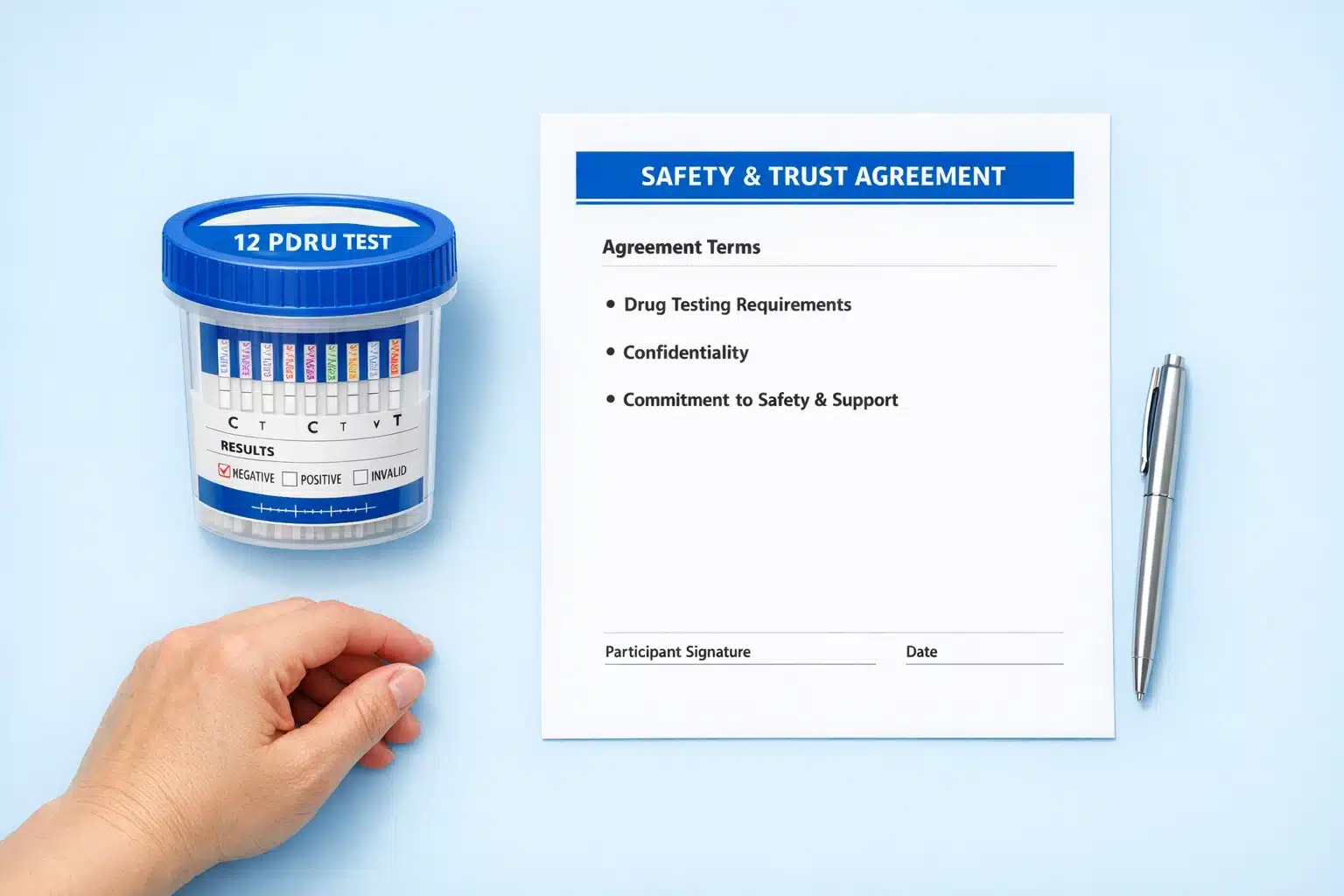
Research from the American Academy of Pediatrics (AAP) reveals a challenging truth: random drug testing, on its own, has almost no effect on a teen’s decision to use drugs. Studies show 34% of teens at schools with testing programs still intended to use substances, compared to 33% at schools without them. This tells us that an at-home drug test isn’t a silver bullet. It’s a tool, and its effectiveness depends entirely on how you use it.
When used as a weapon, it breaks trust. But when used as part of a larger conversation about safety and support, it can become a powerful way to help your child navigate difficult situations. This guide provides a framework for using at-home testing ethically and effectively, moving beyond a simple “gotcha” to build a foundation of mutual trust.
We’ll cover the ethical considerations, the technical details of reading a test, communication scripts for tough conversations, and even what to do in the frightening event you find an unidentified pill.
The ethics first-aid kit: A tool for support, not a polygraph
The impulse to test a child in secret is understandable, driven by fear and a need for certainty. However, data suggests this approach often backfires. According to clinical advice, an estimated 80% of secret tests damage the parent-child relationship, creating an environment of suspicion rather than support.
The goal isn’t just to get a negative result; it’s to reinforce family values around health and safety. The most successful approach frames testing as a collaborative effort. It’s a support system that gives your teen a concrete reason to refuse peer pressure and a way to earn back trust and privileges if they’ve made mistakes.
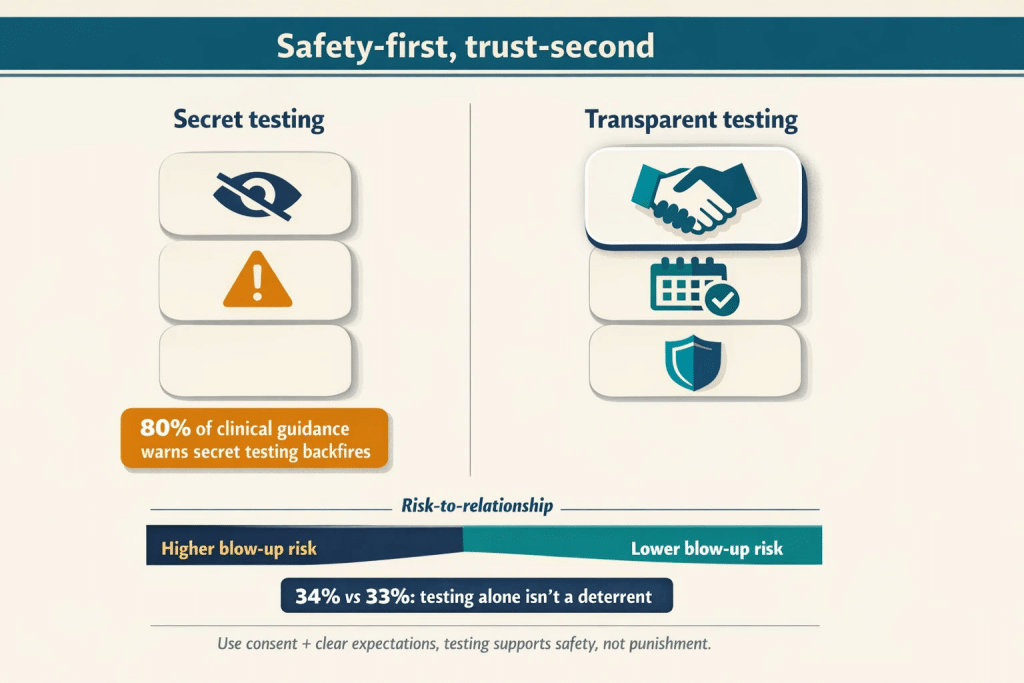
A decision framework to help parents choose transparency: consent and clear expectations reduce conflict, while secret testing increases relationship risk and rarely deters use on its own.
Before you ever open a test, establish the ground rules:
- Why are we testing? Explain that this is about health and safety, not punishment. It’s a tool to help them stay on track or get back on track.
- What happens if the test is positive? Define the consequences ahead of time. These should be logical and focused on support, such as loss of privileges, required counseling, or family therapy, not just punitive actions.
- What happens if the test is negative? This is just as important. Consistent negative tests should lead to positive outcomes, like more freedom, later curfews, or other earned privileges.
The technical decoder: How to read and understand the results
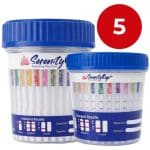
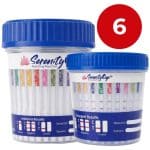
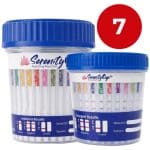
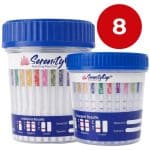
Once you’ve established the “why,” you need to be confident in the “how.” Misinterpreting a result can cause unnecessary conflict. At-home urine tests, like the CLIA-waived and FDA-approved multi-panel urine cups we offer, are highly reliable when used correctly.
Here are the three most critical components to understand.
Understanding the test codes
You have a result, but the codes look like alphabet soup. This is one of the most common points of confusion for parents. Use this chart to decode the abbreviations you’ll find on a typical 12-panel test.

Decode common UA panel abbreviations quickly, then use the interpretation sidebar to decide what to do next—especially when results are unclear or lines are faint.
| Abbreviation | Substance | Common Names |
|---|---|---|
| AMP | Amphetamine | Adderall, Dexedrine, Speed |
| BAR | Barbiturates | Phenobarbital, Downers |
| BZO | Benzodiazepines | Xanax, Valium, Klonopin |
| COC | Cocaine | Coke, Crack |
| MDMA | Ecstasy | Molly, E |
| MET | Methamphetamine | Meth, Crystal, Crank |
| MOP | Morphine/Opiates | Heroin, Morphine, Codeine |
| MTD | Methadone | Dolophine |
| OXY | Oxycodone | Percocet, OxyContin |
| PCP | Phencyclidine | Angel Dust |
| THC | Marijuana | Pot, Weed, Cannabis |
| BUP | Buprenorphine | Suboxone |
Interpreting the lines: a faint line is still a line
This is the single most important rule of reading a urine test: any line in the test region (T), no matter how faint, is a negative result.
- Two Lines (C and T): Negative. The control line (C) confirms the test worked, and the test line (T) confirms the drug was not detected above the cutoff level.
- One Line (C only): Positive (Non-Negative). The control line (C) appears, but the test line (T) does not. This indicates the drug was detected.
- No Lines or T Line Only: Invalid. The test did not run correctly. You will need to use a new one.
Checking for tampering
Concerned about fake samples? High-quality test cups have a built-in temperature strip. A valid human urine sample should register between 90-100°F (32-38°C) within a few minutes of collection. If the temperature is outside this range, you can be confident the sample was tampered with.
The script library: What to say when things get difficult
Knowing what to do is one thing; knowing what to say is another. When emotions are high, conversations can quickly derail. Here are some simple, respectful scripts to handle common objections.

Use a simple script-and-steps map to keep the conversation calm: respond to objections, agree on rules, choose a plan, and tie increased freedom to consistent follow-through.
If they say: “You don’t trust me!”
- You can say: “This isn’t just about trust, it’s about safety. My job is to help you stay safe, and this is one tool we can use together to make sure that happens. When we see consistent negative tests, we can talk about earning more freedom, because you’ll be proving you can make safe choices.”
If they say: “I don’t have to pee right now.”
- You can say: “That’s okay. We agreed testing would be part of our routine, so we can wait. Let’s sit here together and have some water until you’re ready. The test needs to be done today as we discussed.”
If they refuse to test:
- You can say: “Refusing to test is a choice, and we agreed that it will have the same consequence as a positive test. I really hope you’ll reconsider, because I want to work through this with you. But the rule we set together stands.”
The key is to remain calm and return to the agreement you made beforehand. This depersonalizes the conflict and reframes it as a matter of upholding a previously established boundary.
What to do if you find a pill
Finding an unidentified pill or substance is one of a parent’s worst fears, especially with the ongoing fentanyl crisis. It’s critical to act quickly but carefully.
Important: A urine drug test cannot identify a pill. A urine drug test only detects metabolites of a substance after it has been consumed. To identify a physical substance, you need different tools.

When you find a pill, speed matters—but so does accuracy. Follow this three-step protocol to reduce risk, understand tool limits, and choose the safest next action.
Step 1: Secure the substance safely
Assume any unknown substance is dangerous. Handle it with gloves if possible, and place it in a sealed bag or container. Keep it away from children and pets. Do not flush it down the toilet, as this can contaminate water supplies.
Step 2: Identify or test the substance
You have two primary options for identifying a pill:
- Pill Identifiers: Use online resources like the Drugs.com Pill Identifier or the Poison Control helpline. You will need to enter any imprints, the color, and the shape of the pill. This is the safest first step.
- Harm Reduction Tests: If you suspect the pill is an illicit substance, fentanyl test strips can detect the presence of fentanyl. These tests require dissolving a small portion of the pill in water and are designed for harm reduction. They will not identify other drugs, only the presence or absence of fentanyl.
Step 3: Start a conversation
Once you have more information, approach your child with concern, not accusation.
- You can say: “I found this in your room and I’m worried. I used a pill identifier and it looks like [Pill Name], or I tested it and it contains a dangerous substance. We need to talk about this right now because your safety is my number one priority.”
The freedom contract: Turning testing into a positive outcome
The most effective at-home testing programs are collaborative. Instead of imposing a system, work with your teen to create a “Freedom Contract.” This is a written agreement that outlines the terms of the testing and connects it directly to tangible rewards.
A contract might include:
- The Schedule: Random tests on a weekly or bi-weekly basis.
- The Rules: What constitutes a pass, a fail, or a refusal.
- The Consequences for a Positive Test: A clear, pre-agreed list of actions (e.g., loss of car keys for two weeks, mandatory counseling session).
- The Rewards for Negative Tests: A clear, pre-agreed list of earned privileges (e.g., four consecutive negative tests result in a later curfew; eight consecutive tests result in an overnight stay at a friend’s).
By putting it in writing, you create a clear, unemotional framework that both you and your child can refer to. It transforms the testing process from a power struggle into a transparent path toward rebuilding trust and earning independence.
At 12 Panel Now, we provide the tools, but you provide the strategy. By combining reliable, affordable testing with a thoughtful, ethics-first approach, you can protect your child’s health while strengthening your relationship.