Employee Assistance Program (EAP): The Manager’s Playbook for Substance Abuse Intervention and Recovery

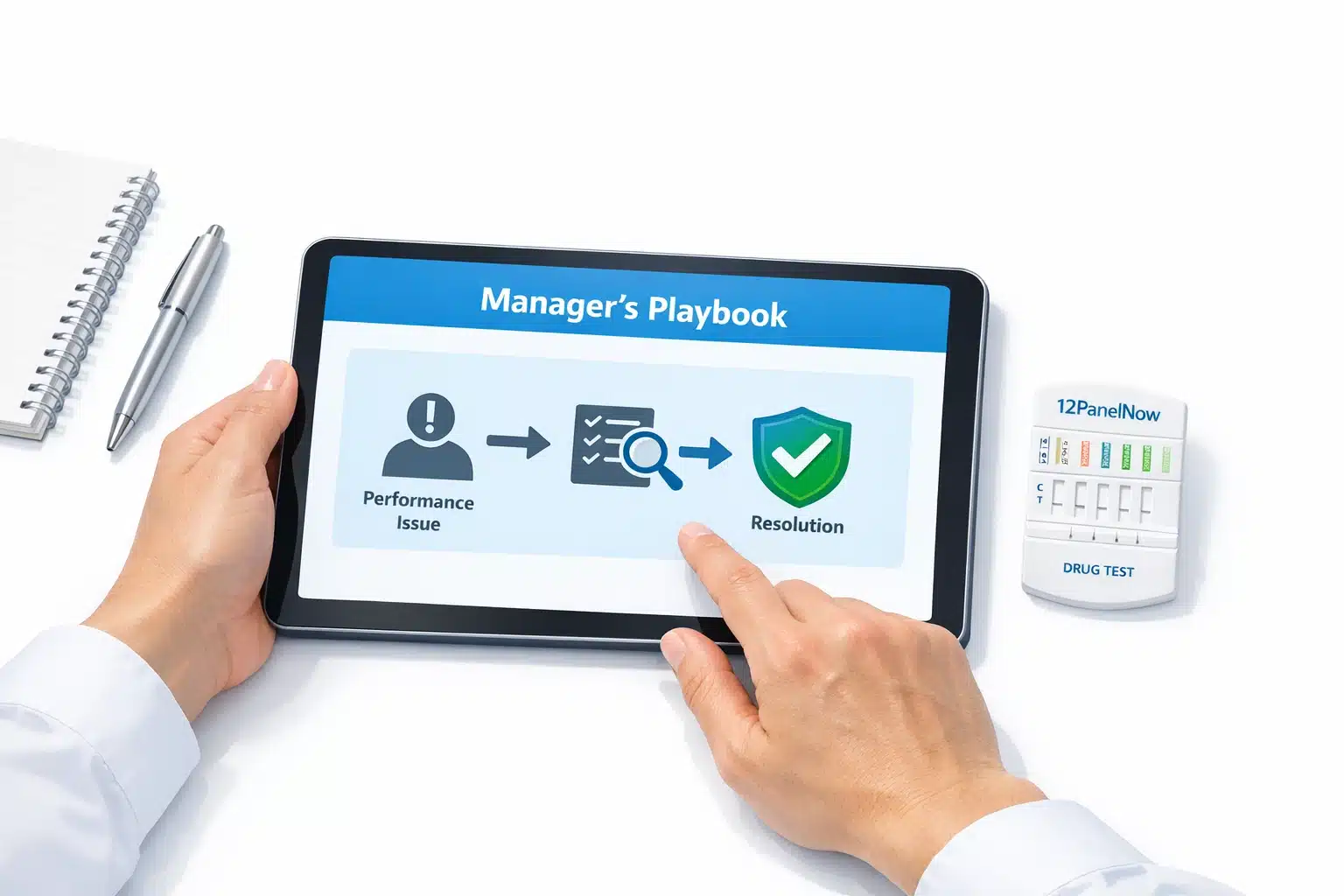
When an employee shows signs of a substance use disorder, managers often feel trapped between two difficult choices: immediate termination or a complex, uncertain path of support. The decision is frequently driven by a critical question: Is it cheaper to fire and re-hire, or to invest in rehabilitation? The data provides a clear answer. Employee Assistance Programs (EAPs) consistently return between $3 and $10 for every $1 invested, making support not just a compassionate choice, but a financially sound one.
For HR leaders and business owners, navigating this process requires a tactical playbook that moves beyond simple drug detection. It’s about building a bridge from a performance issue to a supported recovery, all while protecting the organization from legal risk. This guide provides that framework, helping you manage difficult conversations, leverage your existing systems, and implement a structured return-to-work process that benefits both the employee and the business.
What Is an Employee Assistance Program (EAP)?
An Employee Assistance Program (EAP) is an employer-sponsored benefit that provides confidential assessment, short-term counselling, referrals, and support services to employees experiencing personal or work-related challenges. While many organisations associate EAPs primarily with substance abuse treatment, these programs often provide assistance for mental health concerns, stress management, family conflict, financial difficulties, grief, and legal issues that may impact workplace performance.
Modern Employee Assistance Programs are designed to encourage early intervention before workplace issues escalate into disciplinary actions or safety incidents. By offering employees confidential access to professional resources, EAPs support healthier workplaces while reducing absenteeism, presenteeism, turnover, and productivity losses.
Why Employee Assistance Programs Matter
Supporting employees through an Employee Assistance Program benefits both individuals and employers. Early intervention often reduces the operational disruption associated with substance use disorders while helping organisations retain experienced employees whose knowledge and skills would otherwise be lost through termination.
Beyond improving employee wellbeing, EAPs contribute to workplace safety, stronger morale, improved productivity, lower recruitment costs, and reduced workers’ compensation exposure. For organisations operating safety-sensitive environments, integrating an Employee Assistance Program into broader workplace safety initiatives creates a proactive rather than reactive approach to employee health and performance.
The business case for recovery: more than just good faith
Relying on termination as a default policy creates a cycle of recruitment, training, and lost institutional knowledge. A recovery-ready workplace, in contrast, builds loyalty and retains valuable talent. The numbers show that supporting an employee through an EAP is one of the highest-return investments an organization can make.
According to the Employee Assistance Professionals Association (EAPA), organizations see a significant return on their EAP investment. This isn’t just about avoiding recruitment costs. It’s about restoring productivity. Research shows that substance-specific interventions can result in a 67% recovery rate from hazardous alcohol use within just 30 days. Furthermore, successful interventions restore approximately 39 hours of productive time per case over three months, a value of around $1,731 per employee.
Most compellingly, between 75% and 80% of employees who enter an EAP for substance-related issues successfully retain their jobs. This stands in sharp contrast to the high turnover costs and business disruption associated with firing and replacing an experienced team member.

A quick executive-ready view of why EAP-led recovery support often outperforms replacement: stronger retention, restored productivity, and a measurable ROI backed by cited sources.
Manager Responsibilities During Substance Abuse Intervention
Managers play a critical role in recognising performance concerns while avoiding assumptions about the underlying cause. Their responsibility is not to diagnose substance use disorders but to document objective workplace performance issues, involve Human Resources when appropriate, and ensure organisational policies are applied consistently.
Successful interventions rely on careful documentation, respectful communication, confidentiality, and collaboration between supervisors, HR professionals, Employee Assistance Programs, and occupational health resources. By following established procedures, managers help protect both employee rights and organisational interests throughout the intervention process.
The intervention bridge: from performance issue to EAP portal
The most challenging step for any manager is initiating the conversation. The key is to avoid accusation and focus strictly on observable, documented performance issues. You are not a diagnostician; you are a manager addressing job performance.
This conversation serves as a critical bridge, guiding the employee toward the resources available to them, often through your company’s Employee Self-Service (ESS) portal. Many employees are unaware of how to access these benefits, and a manager can provide the crucial link.
Here’s a simple script framework for that meeting:
- State the purpose: “Thanks for meeting. I want to talk about some specific observations regarding your work, like the missed deadlines on the quarterly report and your recent attendance record.”
- Present objective facts: Stick to documented evidence. “On Tuesday and Thursday of last week, you were more than an hour late, and the client report submitted on Wednesday contained several significant errors we had to correct.”
- Explain the business impact: Connect their performance to team and company goals. “When deadlines are missed, it puts the project timeline at risk and requires other team members to take on extra work.”
- Offer support via the EAP: This is the bridge. “Our company provides a resource for all employees to help manage challenges that might be affecting their work. It’s confidential and free. I can show you right now how to find the EAP information in our ESS portal.”
- Clarify next steps: “I need to see improvement in these specific areas. Let’s set a follow-up meeting for next week to check in on your progress.”
This approach keeps the conversation grounded in performance, mitigates legal risk, and makes the EAP an accessible, immediate tool for the employee.

A practical meeting map: stay grounded in observable performance, use careful language, and guide employees through the ESS portal to reach EAP help in real time.
Documentation and Reasonable Suspicion Best Practices
Accurate documentation is one of the most valuable tools available to employers managing workplace performance concerns. Supervisors should record objective observations relating to attendance, behaviour, work quality, safety violations, and productivity without making medical conclusions or personal assumptions.
When reasonable suspicion testing is permitted under organisational policy and applicable law, decisions should be based on specific, contemporaneous observations rather than rumours or speculation. Whenever possible, a second trained supervisor should corroborate observations before testing is initiated, strengthening both consistency and legal defensibility.
Navigating the legal safety net: ADA compliance for substance use disorders
One of the biggest concerns for employers is violating the Americans with Disabilities Act (ADA). The law creates a clear distinction that every HR manager must understand.
The ADA protects individuals with a history of substance abuse who are no longer engaging in the illegal use of drugs and have either successfully completed a supervised rehabilitation program or are currently participating in one. However, it does not protect individuals who are currently engaging in the illegal use of drugs.
This means an employer can enforce its drug-free workplace policy and take action based on a failed drug test. But if an employee asks for help or discloses a past issue, they may be protected. Your response must be consistent, documented, and based on your established company policy. A reliable drug testing program is the first step in creating that documentation.

A fast screening tool for HR: distinguish protection status, then route the situation into consistent next steps: documentation, consultation, and an EAP-based accommodation path.
Understanding the ADA Interactive Process
When an employee voluntarily discloses a substance use disorder or requests assistance, employers may need to engage in the ADA interactive process where applicable. This collaborative discussion helps determine whether reasonable accommodations are appropriate while ensuring employees remain capable of performing the essential functions of their position safely.
Participation in an Employee Assistance Program may form part of a broader accommodation strategy, but employers should continue evaluating workplace performance, safety requirements, and applicable organisational policies throughout the process. Maintaining thorough documentation of conversations, accommodations, and employment decisions helps support consistency and legal defensibility.
Confidentiality During Employee Assistance Program Referrals
Employee Assistance Programs rely on employee trust. Managers and Human Resources professionals should protect confidential information by sharing only the details necessary to administer workplace policies or accommodations. Employees should understand that participation in an EAP is generally confidential, while workplace performance expectations remain unchanged.
Respecting confidentiality encourages employees to seek assistance earlier, supports successful recovery outcomes, and reinforces organisational commitment to employee wellbeing.
Workplace Drug Testing and Employee Assistance Programs
An Employee Assistance Program complements rather than replaces a workplace drug testing program. Drug testing provides objective information regarding compliance with workplace policies, while an EAP offers confidential resources that help employees address the underlying issues affecting workplace performance. Together, these systems create a balanced approach that supports both accountability and recovery.
Employers frequently incorporate multiple testing scenarios into their workplace drug testing programs, including pre-employment, random, post-accident, reasonable suspicion, return-to-duty, and follow-up testing. Selecting the appropriate testing event depends on organisational policies, job responsibilities, applicable regulations, and documented workplace circumstances.
When laboratory-confirmed non-negative results occur, Medical Review Officer (MRO) oversight provides an additional layer of quality assurance by evaluating legitimate medical explanations before verified results are reported to the employer. This process strengthens confidence in employment decisions while supporting procedural fairness.
The Role of Return-to-Duty and Follow-Up Testing
Employees returning from rehabilitation may participate in return-to-duty and follow-up drug testing where permitted by organisational policy or applicable regulations. These testing events help verify continued compliance while supporting employee accountability throughout the recovery process.
Follow-up testing schedules should be documented clearly within Return-to-Work Agreements and administered consistently according to established workplace procedures. Employers should communicate expectations transparently while ensuring testing remains one component of a broader recovery and performance management strategy.
When an employee enters rehabilitation, two documents become essential tools for managing their transition back to work:
- Last Chance Agreement (LCA): This is a formal contract used when an employee’s job is at risk due to policy violations. It clearly outlines the performance, behavioral, and recovery-related expectations they must meet to maintain employment.
- Return-to-Work Agreement (RTWA): This document details the specific terms of an employee’s return after completing treatment. It often includes requirements for follow-up testing, participation in support groups, and regular check-ins.
These agreements create a structured, transparent, and legally defensible framework for supporting an employee’s recovery while upholding company standards.
Strengthening Last Chance Agreements
A Last Chance Agreement should clearly define the conditions required for continued employment, including compliance with workplace policies, participation in treatment where appropriate, successful completion of required testing, and expectations regarding attendance, workplace conduct, and performance improvement.
Clearly documented expectations reduce misunderstandings while demonstrating that employment decisions are based on objective workplace standards rather than inconsistent disciplinary actions.
Creating Effective Return-to-Work Agreements
A Return-to-Work Agreement establishes the roadmap for successful workplace reintegration following rehabilitation. In addition to outlining follow-up testing requirements, the agreement should describe communication expectations, supervisor check-ins, performance objectives, available Employee Assistance Program resources, and procedures for addressing future workplace concerns.
Well-developed agreements help both employers and employees understand their respective responsibilities while supporting long-term recovery and workplace success.
The tactical toolkit: structuring the return-to-work journey
A successful return from rehabilitation doesn’t happen in a single day. It requires a structured reintegration plan that sets the employee up for success and provides clarity for their team. This plan should include a clear timeline and expectations for the first days, weeks, and months.
A typical reintegration timeline might include:
- Day 1: A private check-in meeting with their manager and HR to review the RTWA and answer any questions.
- Week 1: Re-onboarding to any changed processes or projects. A team meeting to welcome them back without disclosing any confidential health information.
- Month 1: Regular, scheduled check-ins with their manager to discuss workload and progress.
- Month 3-6: Ongoing performance reviews and verification that all terms of the RTWA are being met, including any follow-up drug testing.
Using templates for your LCA and RTWA ensures consistency and saves valuable time. These tools transform the abstract idea of “support” into a concrete, actionable plan that protects the business and gives the employee the best possible chance of a successful recovery.

Show stakeholders what “support” looks like: a structured reintegration timeline paired with ready-to-use agreement templates that protect the business while helping employees succeed.
Building a Recovery-Ready Workplace Culture
Recovery-ready workplaces recognise that early intervention, education, and supportive leadership improve organisational resilience. Employers can encourage employees to seek assistance by communicating available Employee Assistance Program resources regularly, reducing stigma surrounding mental health and substance use disorders, and ensuring supervisors understand how to respond appropriately when performance concerns arise.
Organisations that integrate Employee Assistance Programs into broader workplace wellbeing initiatives often experience stronger employee engagement, improved retention, enhanced psychological safety, and greater confidence in organisational support systems. Combined with consistent workplace drug testing policies, these initiatives create environments where safety and employee wellbeing work together rather than competing with one another.
Common Employee Assistance Program Mistakes
Even organisations with well-established Employee Assistance Programs can limit their effectiveness through inconsistent implementation, poor communication, or inadequate manager training. Identifying these common challenges helps employers strengthen recovery outcomes while reducing legal and operational risks.
One of the most common mistakes is waiting until disciplinary action is imminent before introducing the Employee Assistance Program. Early referrals often provide employees with greater opportunities to address personal challenges before workplace performance deteriorates significantly.
Another frequent issue is inconsistent manager referrals. Employees performing similar roles should receive the same level of support and be managed according to documented workplace policies rather than individual management styles. Consistency helps strengthen organisational fairness while reducing potential employment disputes.
Some organisations also fail to educate employees about the confidential nature of Employee Assistance Programs. Misunderstandings regarding confidentiality may discourage employees from seeking help, limiting the effectiveness of available workplace resources.
Inadequate supervisor training can also undermine intervention efforts. Managers should understand how to recognise observable performance concerns, document workplace issues objectively, conduct respectful conversations, and refer employees appropriately without attempting to diagnose substance use disorders or mental health conditions.
Finally, many employers overlook the importance of structured follow-up after rehabilitation. Ongoing communication, scheduled check-ins, Return-to-Work Agreements, and coordinated Employee Assistance Program support help reinforce accountability while promoting long-term recovery success.
Choosing Reliable Workplace Drug Testing Supplies
Employee Assistance Programs and workplace drug testing programs work most effectively when supported by reliable testing procedures and professional-quality testing supplies. Accurate workplace drug testing provides the objective information needed to initiate performance-based conversations while ensuring organisational policies are applied consistently.
Many employers utilise urine drug test cups for pre-employment screening, oral fluid drug tests for reasonable suspicion and post-accident testing, and hair follicle drug testing for positions requiring longer detection windows. Selecting the appropriate testing method should align with workplace risks, organisational policies, and regulatory requirements.
Employers should also evaluate product quality, FDA clearance where applicable, CLIA-waived rapid testing options, storage requirements, inventory management, and supplier reliability. Working with an experienced testing supplier helps organisations maintain consistent workplace testing programs while supporting accurate specimen collection and dependable results.
Your next step: building a supportive and compliant program
Implementing a supportive recovery program is a strategic business decision, not just an HR initiative. It retains talent, restores productivity, and fosters a workplace culture where employees feel safe asking for help. The foundation of this entire process, however, starts with a clear, consistently enforced, and legally compliant drug-free workplace policy.
Accurate and reliable testing is the first step in identifying an issue. It provides the objective data needed to initiate a performance-based conversation and trigger your intervention playbook. Without a dependable testing protocol, managers are left to act on suspicion alone, increasing legal risk and delaying necessary support.
Ensure your program is built on a solid foundation. Explore our full range of CLIA-waived and FDA-approved drug test cups to equip your organization with the tools needed for the first, most critical step in maintaining a safe and productive workplace.