Specimen Validity: A Complete Guide to Pre-Analytical Sample Integrity

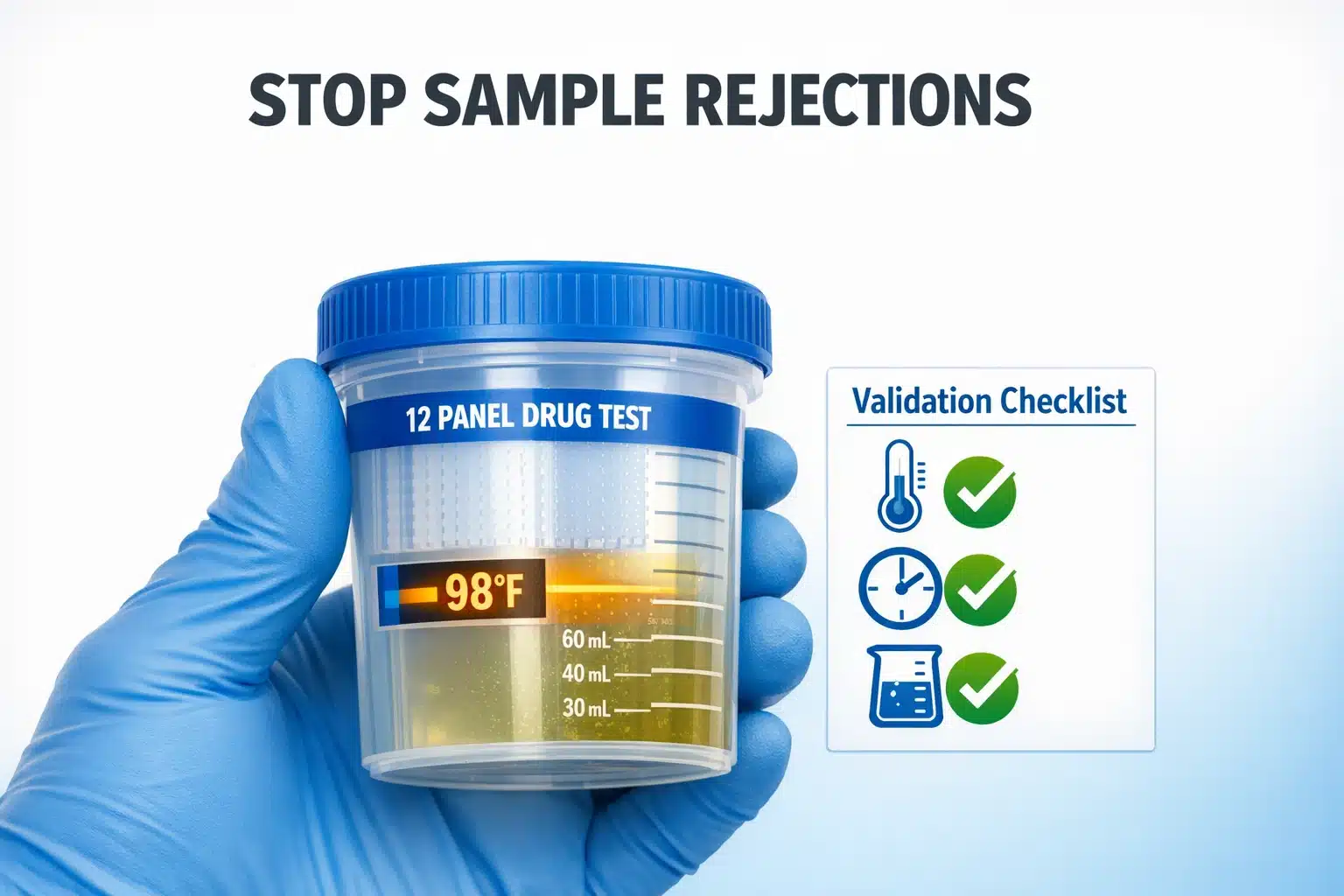
Up to 75% of all laboratory errors originate in the pre-analytical phase: the critical window between sample collection and analysis. While detailed collection instructions are common, most rejections and contaminated results stem from failures in validity checks, not the collection itself.
An invalid sample means wasted time, frustrated patients, and added operational costs. Adopting a validity-first protocol ensures that every sample sent for analysis is viable, accurate, and reliable from the moment it’s collected.
This guide moves beyond basic collection steps to focus on the four pillars of sample integrity: temperature, volume, time, and concentration.

What Is Specimen Validity?
Specimen validity refers to the process of confirming that a collected biological specimen accurately represents the donor or patient and remains suitable for laboratory analysis. A valid specimen has been collected according to established procedures, maintained under appropriate environmental conditions, and shows no evidence of substitution, dilution, contamination, or adulteration.
In urine drug testing, specimen validity provides an essential quality assurance checkpoint before analytical testing begins. Rather than identifying drug metabolites, specimen validity focuses on determining whether the sample itself meets acceptable physiological and procedural standards for reliable testing.
Maintaining specimen validity improves confidence in laboratory findings while supporting regulatory compliance, workplace safety, and consistent testing outcomes across a wide range of collection environments.
Why Pre-Analytical Quality Matters
The pre-analytical phase encompasses every step from specimen collection through laboratory receipt. Errors during this stage—including improper handling, delayed processing, inadequate sample volume, contamination, or incorrect storage—can compromise otherwise accurate laboratory testing.
Prioritizing pre-analytical quality reduces specimen rejection, minimizes unnecessary recollections, improves operational efficiency, and supports defensible testing practices. For organizations performing workplace drug testing, these quality controls also help protect the integrity of employment decisions by ensuring reliable specimens reach the laboratory.
The 4-Minute Window: Temperature Integrity
Temperature is the first line of defense against sample adulteration or substitution. According to the Department of Transportation’s gold standard rule (49 CFR Part 40), a urine specimen’s temperature must be between 90–100°F (32–38°C) and must be verified within four minutes of collection.
A reading outside this range can indicate a sample has been diluted, substituted, or stored improperly, rendering it invalid for testing. This strict four-minute window leaves little room for error. Manual temperature checks with external thermometers can be slow and introduce variables.
Temperature Verification Best Practices
Consistent temperature verification procedures help standardize specimen collection across different testing environments. Collectors should verify specimen temperature immediately after collection, document the reading within the required timeframe, and investigate any abnormal findings according to established workplace or laboratory protocols.
Using integrated temperature strips minimizes manual handling, reduces procedural variability, and simplifies compliance with established collection procedures. These built-in indicators improve workflow efficiency while strengthening the defensibility of specimen validity documentation.
The Advantage of Integrated Temperature Strips
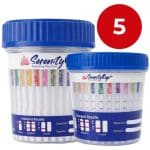
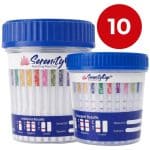
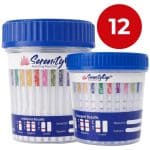
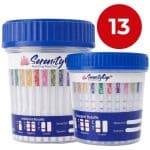
Modern drug test cups with built-in temperature strips streamline this critical step. The strip provides an immediate, clear reading, allowing collection staff to validate the sample on the spot without fumbling for separate equipment. This simple feature is one of the most effective ways to reduce friction and ensure compliance.
By making temperature verification an instant, integrated part of the process, you eliminate guesswork and drastically reduce the chances of accepting a compromised sample.

Understanding Specimen Validity Testing (SVT)
Specimen Validity Testing (SVT) consists of laboratory or point-of-care evaluations that determine whether a urine specimen demonstrates the expected characteristics of authentic human urine before drug test interpretation begins. Rather than detecting drugs directly, SVT evaluates specimen quality and identifies evidence of dilution, substitution, adulteration, or other forms of manipulation.
Common specimen validity measurements include creatinine concentration, specific gravity, pH, urine temperature, and additional adulterant indicators where appropriate. Evaluating these characteristics together provides a more comprehensive assessment of specimen integrity than relying on a single measurement alone.
Integrating specimen validity testing into collection workflows reduces the likelihood of inaccurate results, supports laboratory quality assurance, and strengthens the overall reliability of workplace drug testing programs.
Volume and Concentration: The Leading Cause of Re-Tests
Insufficient material is the single largest reason for sample recollection, accounting for a staggering 48% of all re-tests. A sample that is too small cannot be processed by laboratory analyzers or split for confirmation testing.
Most testing protocols require a minimum of 30–45 mL of urine. Collection cups should have clear, easy-to-read volume markings to ensure an adequate sample is provided before the patient or donor leaves the facility.
Beyond volume, the concentration of the sample matters. An overly diluted sample, which can appear pale or almost clear, may not have detectable levels of creatinine, a natural waste product. Laboratories use creatinine levels as a baseline for a valid sample. A low reading could signal intentional flushing or an invalid specimen.
The Shy Bladder Protocol: Managing Insufficient Volume
“Shy bladder,” or paruresis, is a common anxiety-driven condition that can prevent individuals from providing a sample. Without a clear protocol, this often leads to an “insufficient volume” rejection.
A structured and supportive approach can prevent this. The DOT’s shy bladder procedure offers a compliant framework that can be adapted for any testing environment.
- Initial Attempt: The individual is given a reasonable amount of time to provide a sample.
- Hydration: If unable, they are permitted to drink up to 40 ounces of fluid, distributed over a period of up to three hours.
- Documentation: All steps, including the time and amount of fluid consumed, should be documented carefully.
- Second Attempt: The individual attempts to provide a sample again within the three-hour window.
This process provides a calm, regulated pathway that respects the individual’s difficulty while maintaining the integrity of the collection protocol. It turns a potential rejection into a manageable event.

Common Causes of Invalid Specimens
Most invalid specimens originate during the pre-analytical phase rather than laboratory analysis. Common causes include insufficient sample volume, improper specimen temperature, excessive dilution, contamination, delayed processing, incorrect storage conditions, incomplete documentation, and specimen handling errors.
In workplace drug testing, additional causes of invalid specimens may include specimen substitution, adulteration, synthetic urine products, or improper collection procedures. Recognizing these issues early allows collection personnel to resolve problems before laboratory analysis begins, reducing unnecessary recollections and improving testing efficiency.
Developing standardized collection protocols helps minimize these preventable errors while improving specimen integrity across every stage of the testing process.
Comparing Laboratory and Point-of-Care Testing
Specimen validity supports both laboratory-based testing and point-of-care drug testing, although each testing environment has different operational requirements. Point-of-care testing allows rapid specimen evaluation immediately after collection, while laboratory analysis provides expanded analytical capabilities and confirmatory testing when needed.
Regardless of where testing occurs, specimen validity remains essential because accurate analytical results depend upon receiving an authentic, properly collected specimen. Establishing consistent collection procedures improves reliability across both rapid testing programs and laboratory workflows.
The Hidden Costs of an Invalid Sample
A rejected sample isn’t just an inconvenience; it carries direct and indirect costs that impact your organization’s efficiency and bottom line. Each re-test requires:
- Additional Staff Time: Scheduling, re-supervising collection, and reprocessing paperwork.
- More Consumables: Using another collection cup and associated supplies.
- Delayed Results: Pushing back timelines for hiring, treatment, or compliance verification.
- Negative Patient Experience: Causing frustration and anxiety for the individual who must return for another test.
Research shows that up to 30% of standard cultures can be contaminated due to poor pre-analytical preparation. When combined with insufficient volume, these preventable errors represent a significant operational drain.

Chain of Custody & Documentation
Although specimen validity focuses on sample quality, maintaining accurate chain of custody documentation remains equally important throughout the collection process. Every specimen should be documented from collection through laboratory receipt to demonstrate that it remained secure and was handled according to established procedures.
Proper documentation records collection times, specimen identification, temperature verification, transfers between personnel, and any observations that may affect specimen validity. These records provide traceability while supporting regulatory compliance and defensible workplace drug testing practices.
Consistent documentation procedures also reduce administrative errors by creating standardized workflows that collection personnel can follow regardless of testing location or specimen type.
Build Your Validity-First Protocol Today
Focusing on pre-analytical validity is the most effective strategy for improving the accuracy and efficiency of your drug screening program. By standardizing checks for temperature, volume, and concentration, you ensure that only viable samples move on to the lab.
Equipping your team with the right drug testing supplies, including cups with integrated temperature strips and clear volume markings, is the first step. These tools transform validity checks from a manual chore into a seamless, reliable part of your workflow.
Explore our full range of CLIA-waived and FDA-approved testing solutions to build a protocol that eliminates errors and delivers results you can trust.
Choosing Specimen Collection Supplies
The effectiveness of a specimen validity program depends on selecting collection supplies that support accurate, repeatable, and well-documented specimen collection. Collection cups with integrated temperature strips, clear volume markings, specimen validity testing (SVT) capabilities, and secure transport features simplify quality assurance while improving workflow efficiency.
Organizations should also consider whether testing products are FDA-cleared, CLIA-waived where appropriate, compatible with laboratory workflows, and designed to support standardized collection procedures. Professional-grade specimen collection supplies help reduce collection variability while strengthening specimen integrity from collection through laboratory analysis.
Selecting reliable collection equipment not only improves testing accuracy but also reduces administrative burden by minimizing invalid specimens, recollections, and documentation inconsistencies.
Common Specimen Validity Myths
Several misconceptions continue to influence specimen collection practices despite well-established laboratory guidance. Understanding these myths helps organizations strengthen specimen validity while reducing avoidable pre-analytical errors.
One common misconception is that collecting enough urine automatically guarantees a valid specimen. In reality, adequate volume represents only one component of specimen validity. Temperature, concentration, handling procedures, and specimen integrity all influence whether a sample is suitable for laboratory analysis.
Another myth suggests that pale or clear urine always represents a healthy specimen. Excessively diluted urine may produce abnormal creatinine concentrations or specific gravity values that require additional specimen validity evaluation before testing proceeds.
Some collection personnel assume temperature verification is optional if the specimen appears normal. However, prompt temperature verification remains one of the earliest safeguards against specimen substitution and improper handling.
It is also incorrect to believe that specimen recollections are unavoidable. Many invalid specimens can be prevented through standardized collection procedures, integrated specimen validity testing, collector training, and consistent documentation practices.
Choosing the Right Specimen Validity Protocol
Every organization has different operational requirements, testing objectives, regulatory responsibilities, and laboratory workflows. Developing an effective specimen validity protocol requires evaluating these factors while establishing standardized quality assurance procedures appropriate for the testing environment.
Occupational health providers, employers, healthcare organizations, laboratories, and regulated industries may implement different collection workflows, but each benefits from consistent specimen validity checks, documented procedures, and reliable collection supplies that support specimen integrity.
Regular protocol reviews help organizations adapt to changing regulatory guidance, advances in specimen collection technology, and evolving laboratory quality standards while continuously improving pre-analytical performance.