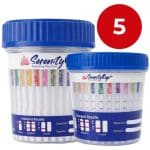
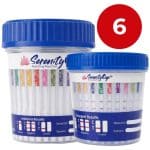
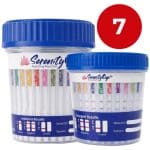
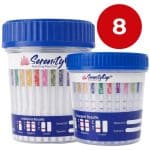
What Is a Non-DOT Drug Test?


If you have been asked to take a drug test for a job and the paperwork says “non-DOT drug test,” you may wonder what that actually means.
A non-DOT drug test is a drug or alcohol test that is not conducted under the U.S. Department of Transportation (DOT) drug-testing regulations in 49 CFR Part 40. Instead, the test is generally conducted under an employer’s workplace drug-testing policy and the laws that apply to that employer and location.
Unlike a DOT-regulated test, a non-DOT program can give an employer more flexibility in choosing the testing panel, specimen type, testing schedule, and other program details. For example, depending on the employer’s policy, a non-DOT test may use urine, oral fluid, or hair and may screen for additional substances beyond the DOT-required drug categories.
Key Takeaways
- A non-DOT drug test is conducted outside the DOT-regulated testing program.
- Non-DOT testing is commonly used by employers that are not subject to DOT drug-testing requirements.
- Employers may have more flexibility in selecting drug panels and testing methods.
- Common specimen types include urine, oral fluid, and hair.
- A non-DOT test may be used before employment, randomly, after an accident, or when there is reasonable suspicion, depending on company policy and applicable law.
- Non-DOT testing can include additional drugs that are not part of the standard DOT panel.
- State and local laws can affect when and how an employer may conduct workplace drug testing.
What Is a Non-DOT Drug Test?
A non-DOT drug test is a workplace drug or alcohol test that is not performed as a DOT-regulated test under 49 CFR Part 40.
The DOT rules establish specific procedures for drug and alcohol testing in federally regulated transportation workplaces. The U.S. Department of Transportation explains that Part 40 describes the required procedures for workplace drug and alcohol testing programs in the federally regulated transportation industry.
A non-DOT test, by contrast, is generally conducted according to an employer’s own drug-testing policy rather than the DOT testing framework.
For example, a manufacturing company, retail business, hospital, construction company, school, or other organization may establish a workplace drug-testing program even though its employees are not subject to DOT testing requirements.
The important point is that “non-DOT” describes the regulatory framework of the test. It does not automatically tell you:
- which drugs are being tested,
- what specimen will be collected,
- how frequently testing occurs,
- what cutoff levels apply,
- or what happens after a positive result.
Those details depend on the employer’s testing program and applicable laws.
Why Do Employers Use Non-DOT Drug Testing?
Employers may use non-DOT testing as part of a workplace safety or drug-free workplace program.
Depending on the organization, testing may be intended to:
- support workplace safety,
- reduce risks associated with impairment,
- comply with an industry or contractual requirement,
- satisfy an insurance or organizational requirement,
- screen applicants before employment,
- identify potential workplace substance-use concerns,
- or enforce an established drug-free workplace policy.
However, most private employers are not automatically required by federal law to maintain a drug-free workplace policy. There are important exceptions and additional legal requirements for certain employers, federal contractors and grantees, and certain safety- or security-sensitive workplaces.
This is why an employer’s drug-testing policy should be designed around the laws and requirements that apply to its particular workplace.
What Does a Non-DOT Drug Test Look For?
This is one of the most common questions about non-DOT testing.
There is no single universal non-DOT drug panel.
An employer can choose a testing panel based on its policy, industry, job requirements, and applicable law. A basic panel may screen for commonly tested drug classes, while an expanded panel may include additional substances.
Depending on the test ordered, a non-DOT drug screen may include:
- Marijuana or THC metabolites
- Cocaine metabolites
- Amphetamines
- Methamphetamine
- Opioids
- PCP
- Benzodiazepines
- Barbiturates
- Methadone
- Fentanyl
- Other prescription or illicit drug classes
The exact substances depend on the specific test panel.
This is a major difference from a DOT drug test. Under current DOT rules, DOT laboratories test for five drug categories: marijuana metabolites, cocaine metabolites, amphetamines, opioids, and PCP.
A non-DOT employer may order a different panel.
What Is a 5-Panel Non-DOT Drug Test?
A 5-panel non-DOT drug test generally refers to a test that screens for five drug categories.
However, it is important not to assume that every “5-panel” test is identical.
The exact substances included can depend on the laboratory, test provider, employer, and panel ordered.
For comparison, the current DOT five drug categories are:
- Marijuana metabolites
- Cocaine metabolites
- Amphetamines
- Opioids
- PCP
A non-DOT five-panel test may be designed to mirror a DOT-style panel, but the test is still non-DOT if it is not being conducted as a DOT-regulated test.
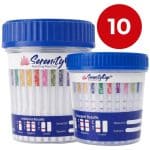
What Is a 10-Panel Non-DOT Drug Test?
A 10-panel non-DOT drug test expands the screening beyond a basic five-drug panel.
The exact ten substances can vary by test provider. An expanded panel may include drug classes such as:
- Marijuana
- Cocaine
- Amphetamines
- Opioids
- PCP
- Benzodiazepines
- Barbiturates
- Methadone
- Fentanyl
- Additional substances or drug classes
Always check the actual panel description rather than assuming that every 10-panel test screens for exactly the same substances.
Does a Non-DOT Drug Test Test for Alcohol?
It can, but alcohol is not automatically included in every non-DOT drug test.
Alcohol testing can be incorporated into a workplace testing program when the employer’s policy and applicable law allow or require it.
The method may be different from a drug test. For example, an employer may use a breath alcohol test or another appropriate alcohol-testing method.
For DOT-regulated testing, alcohol testing is governed by specific federal requirements. Non-DOT employers have more flexibility, but they still need to follow applicable laws and their established policies.
What Types of Non-DOT Drug Tests Are Available?
Non-DOT testing can use different specimen types.
Urine Drug Testing
Urine testing is one of the most common workplace drug-testing methods.
It can be used to detect drug metabolites and is widely available through occupational health clinics, laboratories, and drug-testing providers.
Employers may choose urine testing because it is familiar, practical, and suitable for many workplace testing programs.
Oral Fluid or Saliva Testing
Oral-fluid testing uses a saliva sample collected from the mouth.
It can provide a relatively recent-use detection window compared with some other testing methods.
Oral-fluid testing is also authorized under current DOT rules, but a non-DOT oral-fluid test is conducted under the employer’s non-DOT program rather than as a DOT test.
Hair Drug Testing
Hair testing may be selected when an employer wants a testing method that can provide a longer historical window of drug exposure.
However, hair testing is not the same as urine or oral-fluid testing, and detection windows vary by substance, individual factors, and testing methodology.
Hair testing is not authorized as a DOT drug-testing specimen under Part 40.
How Is a Non-DOT Drug Test Performed?
The exact procedure depends on the testing method and the employer’s program.
A typical workplace urine test may involve the following general process:
1. The Employee Receives a Testing Order
The employer or its testing provider directs the employee to a collection location or arranges an on-site collection.
2. Identity Is Verified
The collection process generally involves confirming the donor’s identity and documenting the test.
3. The Specimen Is Collected
For a urine test, the employee provides a urine specimen according to the collection site’s procedures.
For oral-fluid testing, the collector obtains a saliva specimen using the approved collection device.
4. The Specimen Is Processed
Depending on the program, the specimen may be screened at the collection site or sent to a laboratory.
5. Laboratory Testing May Follow
If laboratory testing is used, the specimen can undergo screening and, when required, confirmation procedures.
6. The Result Is Reported
The final result is reported according to the employer’s testing program.
The precise procedures, forms, laboratory requirements, medical review process, and chain-of-custody requirements can differ between non-DOT programs and DOT-regulated programs.
When Is a Non-DOT Drug Test Used?
An employer may use non-DOT testing at different points in the employment relationship.
Pre-Employment Drug Testing
Some employers require drug testing after a conditional job offer and before an applicant begins work.
Whether pre-employment testing is permitted and what rules apply depends on the employer’s location, job type, policy, and applicable law.
Random Drug Testing
Some employers include random testing in their workplace drug-testing policies.
Unlike DOT programs, random testing is not automatically required simply because a test is labeled non-DOT. The employer must follow its policy and applicable legal requirements.
Post-Accident Testing
An employer may have a policy requiring testing after certain workplace accidents or incidents.
The policy should clearly define when testing is triggered and should be applied consistently.
Reasonable-Suspicion Testing
Testing may also be permitted under a workplace policy when there are specific, documented reasons to suspect drug or alcohol impairment or prohibited substance use.
Employers should be careful to apply reasonable-suspicion policies consistently and lawfully.
Return-to-Duty and Follow-Up Testing
Some employers use return-to-duty or follow-up testing as part of their workplace programs.
The specific requirements depend on the employer’s policy and the laws applicable to that workplace.
Non-DOT vs. DOT Drug Test: What Is the Difference?
The simplest distinction is:
DOT testing follows federal DOT requirements. Non-DOT testing does not.
Here is a practical comparison:
| Feature | DOT Drug Test | Non-DOT Drug Test |
|---|---|---|
| Regulatory framework | 49 CFR Part 40 and applicable DOT agency rules | Employer policy and applicable laws |
| Who is covered | DOT-regulated employees in covered positions | Employees/applicants covered by an employer’s program |
| Drug panel | Federal DOT drug categories | Employer-selected panel |
| Specimen options | Urine or oral fluid | Depends on employer/program |
| Additional drugs | DOT specimen cannot be tested for unauthorized additional drugs | Additional drugs may be included if permitted |
| Alcohol testing | Specific DOT requirements apply | May be included depending on program |
| Random testing | Required in certain DOT programs | Not automatically required |
| Forms | DOT Federal CCF/ATF requirements | Non-DOT forms/processes |
| Consequences | Governed by DOT agency rules and employer policy | Generally governed by employer policy and applicable law |
DOT regulations specifically require DOT tests to remain separate from non-DOT tests. They also prohibit employers from using DOT custody-and-control forms for non-DOT testing programs.
Is a Non-DOT Drug Test Less Serious Than a DOT Test?
Not necessarily.
A non-DOT test is different, not automatically less important.
A positive non-DOT result can have significant employment consequences if the employer’s policy allows those consequences.
For example, an employer may have policies concerning:
- job eligibility,
- hiring decisions,
- suspension,
- termination,
- workplace safety restrictions,
- rehabilitation or assistance programs,
- or follow-up testing.
The consequences depend on the employer’s written policy, employment circumstances, and applicable law.
DOT testing has additional federally prescribed consequences for covered safety-sensitive employees. Non-DOT consequences generally come from the employer’s program rather than DOT regulations.
What Happens If You Fail a Non-DOT Drug Test?
A positive non-DOT drug test does not have one universal outcome.
The employer may follow its established policy, which could include:
- Reviewing the laboratory result.
- Applying any required medical review process.
- Considering legitimate medical explanations when applicable.
- Determining whether the result meets the employer’s policy definition of a violation.
- Taking the employment action permitted by the policy and applicable law.
The exact process can vary considerably.
This is another important difference from DOT testing, where federal regulations establish detailed procedures and responsibilities.
Can Prescription Medications Cause a Non-DOT Drug Test Positive?
Yes, some medications can potentially affect drug-testing results or produce compounds that require medical review, depending on the drug and test.
A screening result should not automatically be interpreted as proof of illegal drug use.
For this reason, laboratory confirmation and appropriate medical review can be important components of a workplace testing program.
Employees should accurately disclose legitimate prescription or medical information through the appropriate confidential process when requested. They should not stop taking a prescribed medication simply because they have an upcoming drug test without speaking to their healthcare professional.
Are Non-DOT Drug Tests Regulated?
This is a more complicated question than it may appear.
A non-DOT test is not regulated under the DOT’s Part 40 testing program, but that does not mean an employer can conduct testing without considering any legal requirements.
Workplace drug testing can be affected by:
- state laws,
- local laws,
- federal employment laws,
- disability protections,
- privacy requirements,
- collective bargaining agreements,
- industry requirements,
- and the employer’s own written policy.
SAMHSA notes that employers need to consider applicable federal requirements and workers’ rights when developing drug-free workplace programs. It also recommends that policies be implemented fairly and consistently.
For employers, legal review may be appropriate before implementing or changing a testing program.
Does a Non-DOT Test Use the Same Form as a DOT Test?
No.
DOT and non-DOT testing should be kept separate.
Under 49 CFR Part 40, employers must not use the DOT Federal Custody and Control Form or Alcohol Testing Form for non-DOT testing. DOT tests also have to be completely separate from non-DOT tests.
This distinction matters for employers that have both DOT-regulated and non-DOT employees.
For example, a company may have commercial drivers who are subject to DOT testing and office or warehouse employees who are tested under the company’s own non-DOT policy.
Can an Employer Perform Both DOT and Non-DOT Tests?
Yes, an employer can have workers who are subject to both types of testing, but the tests must be handled separately when required.
The DOT specifically states that DOT tests and non-DOT tests must be separate in all respects. If both are conducted in connection with an event, the DOT test takes priority and a separate specimen must be collected for the subsequent non-DOT test.
Employers should therefore have clear procedures for distinguishing DOT-covered employees and non-DOT employees.
How Long Does a Non-DOT Drug Test Take?
The timeline depends on the type of test and where it is processed.
A rapid or point-of-collection screen may provide an initial result quickly, while laboratory testing can take longer.
Factors that can affect turnaround time include:
- specimen type,
- laboratory workload,
- whether confirmation testing is necessary,
- whether a result requires review,
- collection-site procedures,
- weekends and holidays,
- and the employer’s testing provider.
Therefore, there is no single guaranteed turnaround time for every non-DOT drug test.
How Long Do Drugs Stay Detectable on a Non-DOT Drug Test?
There is also no universal detection period.
Detection depends on:
- the drug,
- dose,
- frequency of use,
- individual metabolism,
- specimen type,
- test sensitivity,
- cutoff levels,
- and the time between use and collection.
Urine, oral fluid, and hair testing can have different detection windows.
Because of these differences, a person should not assume that a specific drug will always be detected for a fixed number of days.
Non-DOT Drug Test vs. Regular Drug Test
People sometimes ask whether a “regular drug test” is different from a non-DOT drug test.
In many employment contexts, non-DOT testing is what people informally mean when they say a regular workplace drug test.
However, “regular drug test” is not a precise regulatory term.
The more useful question is:
Is the test being conducted under DOT regulations or under an employer’s non-DOT workplace testing program?
That distinction determines which rules and procedures apply.
Who Commonly Uses Non-DOT Drug Testing?
Non-DOT workplace testing can be used in many industries, including:
- Manufacturing
- Construction
- Healthcare
- Retail
- Hospitality
- Education
- Warehousing
- Professional services
- Energy
- Local government
- Some private transportation operations that are not DOT-covered
The specific requirements depend on the employer and jurisdiction.
What Should Employees Check Before Taking a Non-DOT Drug Test?
If you have been told to take a non-DOT drug test, consider asking the employer or testing provider:
- What type of test is being used?
- Is it urine, oral fluid, or hair?
- What drug panel is being ordered?
- Is it a 5-panel, 10-panel, or expanded panel?
- Is alcohol included?
- Is the specimen tested at a laboratory?
- When should the result be available?
- What policy governs the test?
- Are there state-specific requirements that apply?
You do not necessarily need to know every technical detail before taking the test, but understanding the testing method and panel can help you know what to expect.
What Should Employers Consider When Creating a Non-DOT Testing Program?
Employers should start with a clearly written policy.
The policy should explain, as appropriate:
- who is subject to testing,
- when testing can occur,
- which substances are included,
- which specimen types are used,
- how specimens are collected,
- how results are handled,
- what happens after a positive result,
- how legitimate medical explanations are addressed,
- how records are protected,
- and how the policy complies with applicable laws.
Consistency is especially important.
SAMHSA warns employers to consider potential legal issues involving privacy, wrongful discharge, discrimination, and other worker protections when implementing workplace drug-testing policies.
Frequently Asked Questions About Non-DOT Drug Tests
What is a non-DOT drug test?
A non-DOT drug test is a workplace drug or alcohol test conducted outside the DOT-regulated testing program under 49 CFR Part 40. It is generally based on an employer’s testing policy and applicable federal, state, and local requirements.
What does a non-DOT drug test test for?
It depends on the panel selected by the employer. A non-DOT test may screen for marijuana, cocaine, amphetamines, opioids, PCP, benzodiazepines, fentanyl, methadone, barbiturates, and other drug classes.
Is a non-DOT drug test the same as a 5-panel test?
No. A 5-panel test describes the number of drug categories being screened, while “non-DOT” describes the regulatory framework. A non-DOT test can use a five-panel, ten-panel, or expanded panel.
Is a 10-panel drug test non-DOT?
A 10-panel test can be used as a non-DOT test, but the number of drugs alone does not determine whether a test is DOT or non-DOT. The testing program and regulatory requirements determine that distinction.
Does a non-DOT urine test test for alcohol?
Not automatically. Alcohol testing can be included in some non-DOT workplace programs, but it depends on the employer’s policy and applicable law.
Can non-DOT drug testing include marijuana?
Yes. Marijuana/THC can be included in a non-DOT drug-testing panel. Whether an employer may test for marijuana and what employment consequences may follow can depend on applicable state and local laws.
Which is more serious: DOT or non-DOT drug testing?
Neither should be described simply as “more serious.” DOT testing carries specific federal requirements and consequences for covered safety-sensitive employees, while non-DOT testing can still have significant employment consequences under an employer’s policy.
What happens if you fail a non-DOT drug test?
The outcome depends on the employer’s policy and applicable law. Possible consequences can include further review, employment action, or follow-up requirements. There is no single consequence that applies to every non-DOT test.
Does non-DOT mean there are no regulations?
No. It means the test is outside the DOT Part 40 program. Employers may still have to comply with federal, state, local, privacy, disability, employment, and other applicable requirements.
Can a company have both DOT and non-DOT employees?
Yes. Some employers have both DOT-covered safety-sensitive employees and other employees who are tested under a company-specific non-DOT program. DOT and non-DOT testing must be kept separate as required by federal rules.
Is hair testing a DOT drug test?
No. Hair testing is not an authorized DOT drug-testing specimen under 49 CFR Part 40. Current DOT rules authorize urine and oral-fluid specimens for DOT drug testing.
Does a non-DOT drug test use the DOT custody and control form?
No. DOT rules specifically prohibit the use of DOT CCF and ATF forms in non-DOT drug and alcohol testing programs.
What Is a Non-DOT Drug Test?
A non-DOT drug test is a workplace drug or alcohol test that is conducted outside the federal DOT testing program.
The biggest difference is flexibility. A non-DOT employer may have more choice over the testing panel, specimen type, testing schedule, and workplace procedures, provided the program complies with applicable laws and the employer’s own policy.
A non-DOT test may be a 5-panel, 10-panel, or expanded drug test, and it may use urine, oral fluid, or hair, depending on the program. Alcohol testing may also be included.
If you are an employee, the most important thing to find out is what test panel and specimen type your employer ordered. If you are an employer, the most important step is to establish a clear, consistently applied testing policy that accounts for the laws applicable to your workplace.
For DOT-regulated testing, always distinguish the DOT requirements from a company-authorized non-DOT test. The Department of Transportation requires these programs to remain separate and establishes specific procedures for DOT testing under 49 CFR Part 40.