CLIA Waived and Fentanyl
FREE SHIPPING ON ORDERS OVER 100 PIECES!*
CLIA Waived refers to a certification under the Clinical Laboratory Improvement
Amendments (CLIA) that allows certain diagnostic tests to be performed easily
and safely outside of traditional laboratory settings, such as in clinics, workplaces,
or at home.
CLIA Waived and Fentanyl for Fast & Accurate Drug Testing
Reliable, lab-quality results with easy-to-use test kits.
350+ High-Demand SKUs
From everyday staples to specialty products:
- Multi-Dip Tests
- Drug Test Cups
- Oral Drug Test Swabs
- 60+ Drug Test Strips
- Cartridges COVID-19 Tests
- Gloves & PPE

220,000 Sq. Ft. Mega Warehouse

Same-Day Blind Drop Shipping

Lowest Wholesale Pricing. Highest Commissions. Period.

Private Label Available

Real-Time Partner Portal
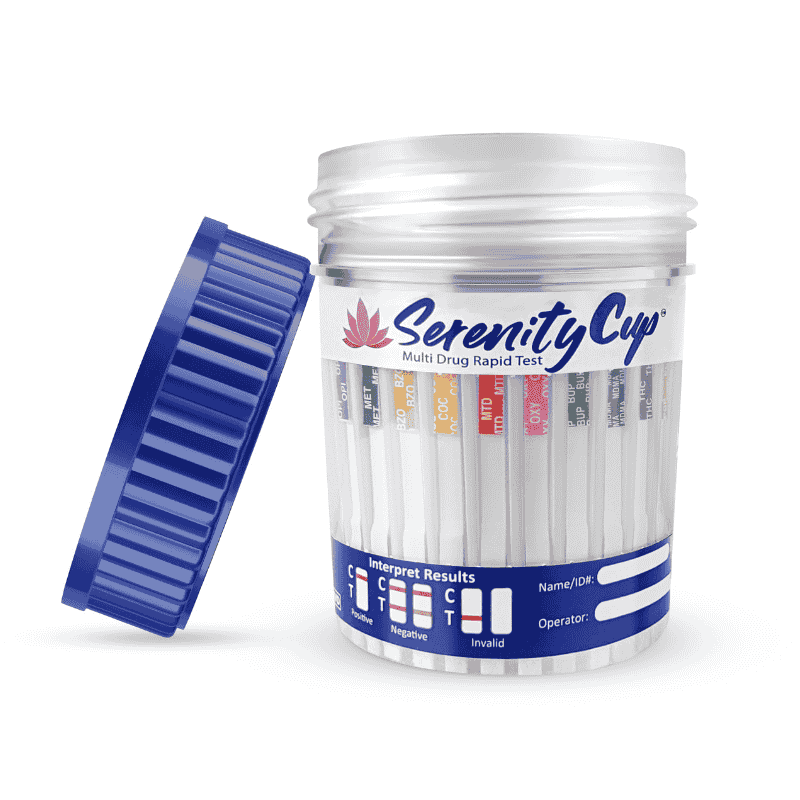
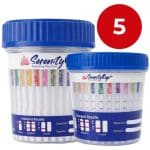
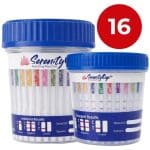
CLIA Waived 16 Panel Drug Test Cup, detects Fentanyl 1ng, PPX, TCA and TML FDA Approved – As low as $1.99
AMP, BAR, BUP, BZO, COC, MDMA, MET, MTD, OPI/MOR, OXY, PCP, PPX, TCA, THC, FEN 1ng/ml, TRACLIA WAIVEDAs low As$1.99 $1.99 - $3.39
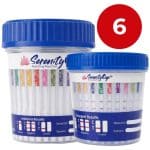
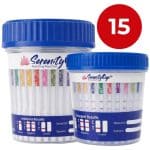
15 Panel Drug Test Cup Detects Fentanyl, Nor Fentanyl & EDDP, CLIA Waived- Clearance! As low as $1.89
AMP, BAR, BUP, BZO, COC, FEN, MDMA, MET, MTD, NFEN, OPI/MOR, OXY, PCP, THC, EDDP, FEN 1ng/mlCLIA WAIVEDAs low As$1.89 $1.89 - $3.09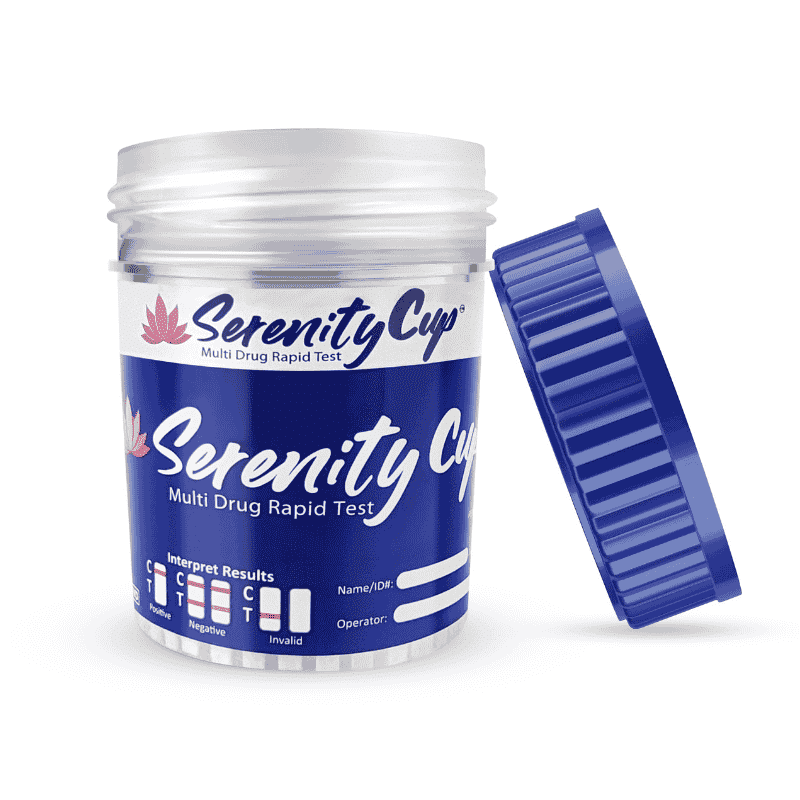
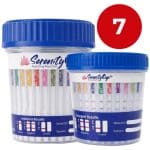
14 Panel Drug Test Cup detects Fentanyl, CLIA Waived with EDDP & TCA – Clearance! As low as $1.59
AMP, BAR, BUP, BZO, COC, FEN, MDMA, MET, MTD, OPI/MOR, OXY, TCA, THC, EDDP, FEN 1ng/mlCLIA WAIVEDAs low As$1.59 $1.59 - $2.99
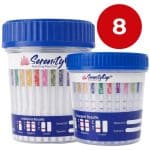
13 Panel Drug Test Detects Fentanyl 1ng: CLIA Waived & FDA Approved, As Low as $1.79
AMP, BAR, BUP, BZO, COC, FEN, MDMA, MET, MTD, OPI/MOR, OXY, PCP, THC, FEN 1ng/mlCLIA WAIVEDAs low As$1.79 $1.79 - $2.99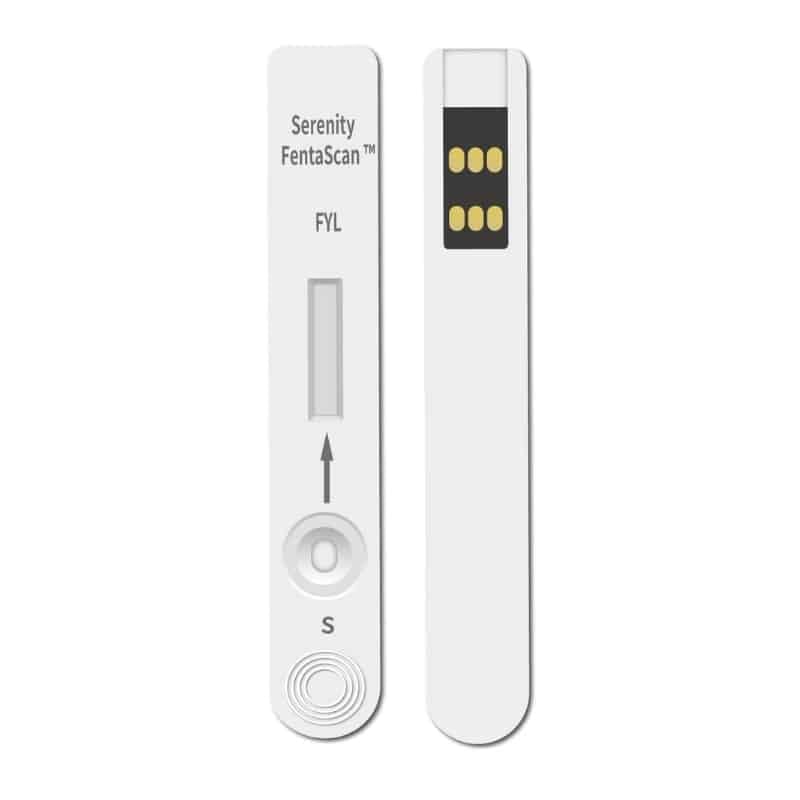
Clia Waived Fentanyl Instant Test, Comes with a FREE Digital Analyzer, As Low as $0.33 Per Test
FENCLIA WAIVEDAs low As$0.33 $0.33 - $0.79What Are CLIA Waived Fentanyl Drug Tests and Why Does the Distinction Matter?
A CLIA waived fentanyl drug test is a point-of-care screening device that carries two specific authorizations simultaneously. It has been cleared by the FDA and certified under the Clinical Laboratory Improvement Amendments of 1988 for use in non-laboratory clinical settings, and it includes a dedicated fentanyl analyte capable of detecting fentanyl in human specimens.
That combination is what separates clinical-grade fentanyl screening from the broader landscape of fentanyl-detecting products that carry only a Forensic Use Only classification. The CLIA Waived designation matters because the CDC confirms that every US facility performing laboratory testing on human specimens for health assessment is regulated under CLIA.
A physician office, outpatient clinic, pain management center, opioid treatment program, or hospital that administers a drug test and uses that result to inform patient care decisions is operating under CLIA jurisdiction. Using a Forensic Use Only device in that clinical context creates regulatory exposure.
Using a properly CLIA Waived device with a fentanyl analyte closes the compliance gap while providing the fentanyl-specific detection that patient care in the current opioid crisis demands.
At 12 Panel Now, the CLIA Waived with Fentanyl product category covers multiple formats — single-analyte fentanyl strips, multi-panel urine drug test cups, multi-panel dip cards, and the FentaScan digital analyzer system — giving clinical settings a full range of compliant options across every testing format they may already be running.
Why Is Fentanyl-Specific Testing Such a Critical Clinical Gap?
Fentanyl is a synthetic opioid approximately 50 to 100 times more potent than morphine and the leading driver of overdose mortality in the United States. CDC overdose surveillance data confirms that synthetic opioids, primarily illicit fentanyl, are involved in the vast majority of drug overdose deaths in the United States since 2016.
Despite this prevalence, standard opiate immunoassay strips labeled OPI or OPI/MOR on any drug test panel do not detect fentanyl. The antibodies on a standard opiate strip are designed to react to morphine, codeine, and heroin metabolites. Fentanyl has a completely different molecular structure and does not trigger the opiate analyte at any clinically encountered concentration.
A patient who has been using illicit fentanyl will test negative for opiates on any drug test that does not include a dedicated FEN strip, and their treating clinician will have no indication from the test result that fentanyl is the substance involved. This is not a theoretical gap. It is a documented public health failure that has contributed to missed clinical diagnoses, inappropriate treatment decisions, and preventable harm at scale.
The CLIA Waived fentanyl drug test products at 12 Panel Now directly address this gap by providing clinically authorized fentanyl detection at the point of care.
What Products Are Available in the CLIA Waived with Fentanyl Category?
The CLIA Waived with Fentanyl product category at 12 Panel Now spans four distinct product formats, each serving a different operational context within clinical and professional drug testing programs.
The CLIA Waived Urine Fentanyl Test Strip is a single-analyte immunoassay strip that detects fentanyl in urine at a 1 ng/mL cutoff, one of the most sensitive thresholds available in any point-of-care fentanyl product and designed for clinical environments where detecting even trace fentanyl concentrations is a patient safety priority.
The Serenity FentaScan Analyzer is a CLIA Waived digital fentanyl detection system that uses fluorescence-based analysis to deliver results with 100% specificity and no false positives at a 1 ng/mL cutoff, with a free analyzer unit included with qualifying bulk orders.
The CLIA Waived 13 Panel Urine Drug Test Dip Card with FEN screens for thirteen substances including fentanyl in a single compact dip card with photocopy-compatible result windows for streamlined documentation, available from $1.39 per unit.
The CLIA Waived 14 Panel Drug Test Cup with Fentanyl and the CLIA Waived 15 Panel Urine Drug Test Cup provide comprehensive multi-substance urine screening with fentanyl as a standard analyte in a self-contained cup format with integrated temperature strips and leak-proof lids, available from $1.59 per unit.
All products in this category carry FDA 510(k) clearance and a confirmed CLIA Waived designation, making them appropriate for physician offices, clinics, treatment centers, and hospital-based programs.
What Is the FentaScan Analyzer and How Is It Different From a Standard Fentanyl Strip?
The Serenity FentaScan Analyzer is a CLIA Waived digital fentanyl detection system that goes beyond the standard visual read immunoassay strip format by using fluorescence signal analysis to determine fentanyl presence.
A standard visual read fentanyl strip produces a line or the absence of a line, and interpreting faint lines requires trained judgment that can introduce inter-operator variability.
The FentaScan Analyzer reads the fluorescence output from the test cartridge electronically and reports a definitive positive or negative result, eliminating the visual interpretation variable entirely. It delivers 100% specificity at a 1 ng/mL cutoff, meaning no false positives are reported at the clinical fentanyl threshold, with results in approximately 5 minutes.
Cartridges are available from as low as $0.99 per test and a free FentaScan Analyzer unit is included with qualifying bulk orders by calling 561-897-9238.
For clinical settings already running fentanyl strips and encountering result interpretation challenges from faint or ambiguous lines, the FentaScan system provides the objectivity of an instrument-read result in a compact point-of-care format that requires no laboratory infrastructure.
All cartridges and accessories ship same day from the 12 Panel Now warehouse in Boynton Beach, FL.
What Is the Difference Between CLIA Waived and Forensic Use Only Drug Tests?
The distinction between CLIA Waived and Forensic Use Only is the most important compliance decision a professional buyer makes when selecting a fentanyl drug test, and it is one of the most frequently misunderstood product classifications in the drug testing industry.
Under FDA CLIA regulations, waived tests are those cleared by the FDA that are simple in operation and low-risk when performed correctly, making them appropriate for minimally trained operators in non-laboratory settings including physician offices, clinics, and treatment centers. A CLIA Waived test can be used to inform clinical decisions about patient care.
A Forensic Use Only device is designed for non-clinical screening environments including employment testing, law enforcement, correctional facilities, and compliance monitoring. It is not cleared for clinical diagnostic use. The regulatory implication is direct.
A clinical facility using a Forensic Use Only fentanyl test to make a patient care decision is using a device outside its cleared scope of use, which creates liability under CLIA regulations and could compromise the defensibility of any clinical decision made on the basis of that result.
The CMS CLIA program administered in partnership with FDA and CDC governs all clinical laboratory testing in the United States and applies to any facility testing human specimens for health assessment purposes.
Confirming CLIA Waived status before ordering fentanyl drug tests for any clinical or healthcare setting is a regulatory obligation, not an optional quality preference.
How Do You Verify That a Fentanyl Drug Test Is Truly CLIA Waived?
Verifying a CLIA Waived designation requires checking three specific elements before purchasing in volume. First, the product should carry an FDA 510(k) clearance number, which confirms the device has gone through the FDA premarket review process for its specific claimed application and panel configuration.
Second, the product label and packaging should explicitly state “CLIA Waived.” Phrases such as “CLIA compliant,” “lab quality,” or “waiver ready” carry no regulatory meaning and should be treated with caution.
Third, the FDA’s CLIA test categorization database allows any buyer to look up specific tests and analytes independently to confirm waived status before placing an order.
All fentanyl drug test products in the CLIA Waived with Fentanyl category at 12 Panel Now carry confirmed FDA 510(k) clearance and CLIA Waived designation. The 12 Panel Now guide on how to verify a rapid drug test is truly CLIA Waived provides a step-by-step verification guide for healthcare and clinical buyers who need to confirm product compliance before placing bulk orders.
Panel count alone does not confirm CLIA Waived status, and it is equally important to confirm that the fentanyl analyte specifically is included in the cleared version of any multi-panel product, since a CLIA Waived cup cleared without fentanyl does not automatically extend that designation to a newer panel configuration that adds FEN.
Why Is the Cutoff Level on a CLIA Waived Fentanyl Test So Important?
The cutoff level on a fentanyl drug test determines the concentration at or above which a positive result is generated. For fentanyl specifically, this number carries extraordinary clinical significance.
Fentanyl is approximately 50 to 100 times more potent than morphine, meaning dangerous concentrations in the body can exist at levels that are well below the cutoffs used on less sensitive products.
The CLIA Waived Urine Fentanyl Test Strip at 12 Panel Now detects fentanyl at a 1 ng/mL cutoff, one of the lowest thresholds available in any rapid point-of-care fentanyl product. This level is intentionally set to be sensitive enough to detect trace fentanyl concentrations associated with clinical exposure while remaining specific enough to avoid cross-reactive false positives from other opioids at typical therapeutic concentrations.
By comparison, some older or lower-sensitivity fentanyl configurations use cutoffs of 20 ng/mL or 200 ng/mL, which may miss low-level fentanyl exposure that is still clinically relevant in a patient presenting with opioid symptoms and no prior documented fentanyl use history.
For pain management clinics, rehabilitation and treatment centers, and opioid treatment programs where catching fentanyl exposure at the earliest identifiable concentration is a patient safety priority, the 1 ng/mL cutoff is the most clinically meaningful sensitivity available in the point-of-care format.
What Is the Difference Between a Harm Reduction Fentanyl Strip and a CLIA Waived Clinical Fentanyl Test?
This distinction is critical and widely misunderstood in both clinical and public health settings. Harm reduction fentanyl test strips distributed by public health programs and used to check drug samples or surfaces for fentanyl contamination are generally marketed as Forensic Use Only or for harm reduction purposes.
They are not cleared by the FDA for use on human biological specimens in a clinical context. They were designed for a different application entirely: detecting fentanyl in a drug sample rather than testing a patient’s urine in a clinical care setting.
Administering a harm reduction fentanyl strip on a patient’s urine sample in a physician office and using that result to inform clinical decisions would be outside the cleared scope of that product and would create regulatory compliance issues under CLIA.
A CLIA Waived clinical fentanyl test in the CLIA Waived with Fentanyl category at 12 Panel Now has been specifically cleared by the FDA for testing human specimens in clinical settings.
It has gone through the CLIA Waiver by Application process demonstrating that minimally trained operators can produce reliable results. And it carries the regulatory authorization needed for clinical diagnostic use.
The FDA’s CLIA Waiver by Application decision summaries document what each product goes through to earn waived status, confirming that CLIA Waived tests represent a meaningfully higher regulatory threshold than uncleared or forensic-use-only strips.
Who Needs a CLIA Waived Fentanyl Drug Test and in Which Clinical Settings?
The demand for CLIA Waived fentanyl drug tests is concentrated in healthcare and clinical environments where fentanyl screening is both a patient safety priority and a regulatory compliance requirement.
Pain management clinics prescribing opioids to patients with chronic pain need fentanyl-specific screening to identify patients who are obtaining illicit fentanyl in addition to their prescription, a combination that creates acute overdose risk.
Suboxone and buprenorphine clinics and methadone maintenance programs need CLIA Waived fentanyl testing to identify patients using illicit fentanyl alongside prescribed MAT medication, since fentanyl combined with buprenorphine or methadone significantly increases overdose risk.
Hospital emergency departments need CLIA Waived fentanyl tests to screen patients presenting with suspected opioid toxicity, since a standard OPI strip would return a negative result and mask the actual substance involved.
Inpatient and outpatient rehabilitation programs require CLIA Waived products specifically because their treatment decisions are clinical in nature and their testing must meet the regulatory standard appropriate for a healthcare setting.
Behavioral health programs conducting intake screening where fentanyl exposure is a documented population risk also require CLIA Waived status for any drug testing used to inform treatment planning.
According to SAMHSA’s 2024 National Survey on Drug Use and Health, 7.6 million Americans aged 12 or older misused prescription opioids in the past year, and illicit fentanyl has contaminated drug supplies far beyond the opioid user population alone, making fentanyl detection a clinical necessity across a broader patient population than existed even five years ago.
Does the New HHS Fentanyl Testing Mandate Require CLIA Waived Products?
The HHS Mandatory Guidelines adding fentanyl to the federal authorized drug testing panel, effective July 7, 2025, apply to federally mandated workplace drug testing programs. The CLIA Waived requirement is a separate regulatory framework that applies specifically to clinical healthcare settings under CMS jurisdiction. A federally mandated employer drug testing program does not require CLIA Waived products — it requires SAMHSA-certified laboratory confirmation.
A healthcare setting using drug tests to inform clinical decisions about patients does require CLIA Waived products.
Understanding this distinction prevents two common and costly purchasing errors: clinical facilities buying FUO products because they meet the federal workplace testing standard, and employer programs over-specifying CLIA Waived products for non-clinical use cases where they are not required.
Both the CLIA Waived fentanyl products and the Forensic Use Only fentanyl products at 12 Panel Now carry FDA 510(k) clearance and fentanyl-specific analytes. The correct choice between them is determined entirely by the setting in which they will be used and the regulatory framework governing that setting.
How Accurate Are CLIA Waived Fentanyl Drug Tests and How Should Results Be Used?
The CLIA Waived fentanyl drug test products at 12 Panel Now deliver 99% accuracy across the multi-panel formats and 100% specificity on the FentaScan Analyzer system.
The single-analyte CLIA Waived fentanyl strip at 1 ng/mL has been validated for clinical use through the FDA 510(k) clearance and CLIA Waiver by Application process, confirming that minimally trained operators can produce reliable results when following manufacturer instructions.
As with all rapid immunoassay screening tests, a presumptive positive result from a CLIA Waived fentanyl test requires confirmatory testing by a certified laboratory using GC-MS or LC-MS/MS before any clinical treatment decision, medication change, or patient management action is taken.
The CDC’s waived tests guidance notes explicitly that CLIA waived tests are not completely error-proof and that errors can occur when manufacturer instructions are not followed, with some waived tests carrying potential for serious health impact if performed incorrectly.
The CLIA Waived designation authorizes point-of-care clinical use. It does not eliminate the two-step screening-and-confirmation process that governs all rapid immunoassay drug testing in professional settings.
Pre-collection protocol adherence, precise administration per manufacturer instructions, and reading results within the specified time window are the three most important operational factors in achieving validated accuracy performance for any CLIA Waived fentanyl product.
What Are the CLIA Waived Multi-Panel Cups with Fentanyl Used For in Clinical Practice?
The CLIA Waived 15 Panel Urine Drug Test Cup and the CLIA Waived 14 Panel Drug Test Cup with fentanyl are designed for clinical settings that need comprehensive multi-substance urine screening including fentanyl in a single FDA-cleared device.
The 14 panel cup includes the EDDP analyte, which is the primary urinary metabolite of methadone, alongside fentanyl.This makes it particularly suited for opioid treatment and pain management programs that need to monitor both fentanyl exposure and methadone compliance in the same collection.
The 15 panel cup provides the broadest substance coverage available in a CLIA Waived cup format, covering fentanyl alongside the full prescription opioid and illicit substance baseline.
Both cups feature a leak-proof screw-top lid, an integrated temperature strip for specimen validity confirmation, a 120ml collection capacity, and all analyte results visible through the test windows without opening the cup.
These design elements directly serve clinical workflow requirements where specimen handling hygiene, result documentation, and collection integrity are daily operational priorities.
The CLIA Waived cup formats also allow clinical staff to add fentanyl screening capability within the same self-contained collection and testing workflow they are already running, without adopting an entirely new process or device format.
How Does the Fentanyl Crisis Make CLIA Waived Fentanyl Testing a Clinical Urgency?
The clinical case for CLIA Waived fentanyl drug testing is no longer theoretical. Quest Diagnostics’ 2025 Drug Testing Index reports that fentanyl positivity in random workforce testing reached 1.13% in 2024, with 60% of fentanyl-positive specimens also testing positive for at least one other substance.
CDC data documents that illicit fentanyl now contaminates drug supplies well beyond the opioid user population.
It has been found in cocaine, methamphetamine, counterfeit pills, and pressed tablets consumed by people with no opioid history and no tolerance to opioids, for whom even modest fentanyl exposure is potentially fatal.
In a clinical setting, a patient presenting with suspected stimulant overdose symptoms who receives a standard drug test showing cocaine positive but opiate negative will not receive fentanyl-appropriate clinical management if fentanyl is actually driving their presentation and the test cannot detect it.
Administering a CLIA Waived fentanyl drug test alongside or integrated into the standard panel changes that clinical picture entirely. A positive fentanyl result informs immediate treatment decisions including naloxone dosing, respiratory monitoring intensity, and disposition planning that a fentanyl-blind result simply cannot support.
The HHS fentanyl testing mandate effective July 7, 2025 reflects the federal government’s recognition that fentanyl detection can no longer be treated as an optional add-on in any serious drug testing program, and the CLIA Waived format ensures that clinical healthcare settings can meet that standard within the regulatory framework that governs their operations.
Are CLIA Waived Fentanyl Tests Available for Bulk and Wholesale Ordering?
Yes. All products in the CLIA Waived with Fentanyl category at 12 Panel Now are available at wholesale pricing with same-day shipping on qualifying orders placed before 3:00 PM EST and free shipping on bulk orders. The single-analyte CLIA Waived fentanyl strip starts from $0.99 per unit at volume.
The 13 panel CLIA Waived dip card with fentanyl starts from $1.39. The 14 and 15 panel CLIA Waived cups with fentanyl start from $1.79 and $1.59 respectively. The FentaScan Analyzer cartridges are available from $0.99 per cartridge with a free analyzer unit for qualifying bulk purchasers.
We carry over 15 million products in stock at all times with no backorders and no supply gaps.
Send us a competitor rate sheet and we beat it by 10% guaranteed. OEM, private label, and custom panel configuration orders are available for clinical networks, health systems, and multi-site treatment programs. Contact the wholesale team at 561-897-9238 or [email protected].
CLIA Waived Fentanyl Drug Tests at 12 Panel Now — Product Comparison
| Product | Format | FEN Cutoff | Panels | Best For | Price From |
|---|---|---|---|---|---|
| CLIA Waived Fentanyl Test Strip | Single analyte urine strip | 1 ng/mL | 1 (FEN only) | Add-on fentanyl screening to an existing panel | $0.99 |
| FentaScan Analyzer + Cartridge | Digital fluorescence reader | 1 ng/mL | 1 (FEN only) | 100% specificity, no false positives, clinical labs | $0.99 per cartridge |
| CLIA Waived 13 Panel Dip Card with FEN | Multi-panel dip card | 20 ng/mL | 13 | Clinical offices needing photocopy documentation | $1.39 |
| CLIA Waived 14 Panel Cup with FEN and EDDP | Self-contained urine cup | 20 ng/mL | 14 | OTP and pain clinics needing FEN plus methadone metabolite | $1.79 |
| CLIA Waived 15 Panel Cup with FEN | Self-contained urine cup | 20 ng/mL | 15 | Broadest clinical multi-substance coverage with fentanyl | $1.59 |
CLIA Waived and Fentanyl Drug – Drug Panels, Accuracy, Detection Times & Uses
A 10 Panel Drug Test Cup is a reliable and comprehensive urine drug screening solution designed to detect ten commonly abused substances in a single, easy-to-use test. These 10 panel urine drug test cups are widely used in workplaces, healthcare facilities, rehabilitation centers, and forensic testing environments for fast, accurate, and convenient drug screening.
With a broader detection range than lower-panel tests, 10 panel drug test cups are ideal for routine workplace testing, compliance programs, clinical monitoring, and forensic applications. Their all-in-one design minimizes handling while delivering rapid and dependable results, making them an efficient choice for high-volume screening environments.
CLIA Waived and Fentanyl Drug Test Cup FAQ's
Can a standard opioid drug test detect fentanyl?
No. Standard opioid or opiate drug tests are typically designed to detect substances such as morphine, codeine, and heroin metabolites. Because fentanyl has a different chemical structure, it often goes undetected unless the test includes a dedicated fentanyl (FEN) analyte. This is why fentanyl-specific testing has become an essential component of modern drug screening programs.
How long does fentanyl stay detectable in urine?
The detection window depends on several factors, including dosage, frequency of use, metabolism, hydration levels, and overall health. In most cases, fentanyl can be detected in urine for 1–3 days after use, while norfentanyl, its primary metabolite, may remain detectable for a longer period. Tests that include both FEN and NFYL provide a more complete picture of recent fentanyl exposure.
Why do healthcare providers prefer CLIA Waived fentanyl tests?
Healthcare providers prefer CLIA Waived fentanyl tests because they offer rapid results, simple operation, and regulatory compliance for point-of-care testing. These tests are designed for use in clinical environments where quick screening information can assist with patient monitoring, treatment compliance, and risk assessment.
What is the difference between fentanyl and norfentanyl testing?
Fentanyl testing detects the parent drug, while norfentanyl testing detects the primary metabolite produced after the body processes fentanyl. Including both analytes in a test panel can help extend the detection window and provide stronger evidence of fentanyl exposure compared to testing for fentanyl alone.
Can CLIA Waived fentanyl drug tests help identify specimen tampering?
Many integrated drug test cups include specimen validity features such as temperature strips that help verify the sample was recently provided. While these features do not guarantee specimen authenticity, they can help identify potential substitution or collection issues and support proper testing protocols.
Are CLIA Waived fentanyl drug tests suitable for telehealth and remote monitoring programs?
Yes. Many healthcare organizations and monitoring programs use CLIA Waived fentanyl drug tests because they provide fast, easy-to-administer screening without requiring a complex laboratory setup. Their simplicity and rapid turnaround make them practical for decentralized testing programs.
What factors can affect fentanyl drug test results?
Several factors can influence test results, including specimen quality, storage conditions, collection procedures, timing of testing, medication use, and adherence to manufacturer instructions. Following proper collection and testing protocols helps maximize accuracy and reliability.
Why is fentanyl screening becoming a standard part of drug testing programs?
The increasing prevalence of fentanyl in illicit and counterfeit substances has made fentanyl screening a priority across healthcare, treatment, and monitoring settings. Adding fentanyl detection helps organizations identify exposure that may otherwise go undetected on traditional drug panels.
How do multi-panel fentanyl drug tests improve testing efficiency?
Multi-panel tests combine fentanyl screening with detection for multiple additional substances in a single device. This reduces testing time, minimizes specimen handling, lowers operational costs, and provides a more comprehensive substance use profile from one collection.
What should buyers look for when choosing a CLIA Waived fentanyl drug test supplier?
Buyers should evaluate product certifications, FDA clearance status, manufacturing quality standards, inventory availability, shipping reliability, customer support, wholesale pricing, and private label capabilities. Selecting an experienced supplier helps ensure consistent product quality and dependable fulfillment for ongoing testing programs.
All products carry FDA 510(k) clearance and CLIA Waived designation for use in clinical and non-laboratory healthcare settings. FEN cutoff levels shown reflect the fentanyl-specific analyte threshold for each product.
All presumptive positive results require GC-MS or LC-MS/MS laboratory confirmation before any clinical, treatment, or compliance action is taken. Prices reflect wholesale volume pricing and are subject to change. Contact 12 Panel Now for current bulk pricing at 561-897-9238.
This page covers CLIA Waived Fentanyl Drug Tests at 12 Panel Now, located at 12panelnow.com/clia-waived-fentanyl-drug-tests/ with the associated product category at 12panelnow.com/product-category/clia-waived-with-fent/.
Products covered include the CLIA Waived Urine Fentanyl Test Strip at 1 ng/mL, the Serenity FentaScan Analyzer with CLIA Waived Cartridge, the CLIA Waived 13 Panel Urine Drug Test Dip Card with FEN, the CLIA Waived 14 Panel Drug Test Cup with FEN and EDDP, and the CLIA Waived 15 Panel Urine Drug Test Cup with FEN. All products are FDA 510(k) cleared and CLIA Waived.
Regulatory references: FDA Clinical Laboratory Improvement Amendments of 1988, 42 USC 263a and 42 CFR 493. CMS CLIA program administered in partnership with FDA and CDC. HHS Mandatory Guidelines adding fentanyl to the authorized drug testing panel, effective July 7, 2025. SAMHSA 2024 National Survey on Drug Use and Health.
CDC CLIA Waived Tests Program. Warehouse: 801 N Congress Ave, Suite 101, Boynton Beach FL 33426.