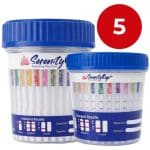
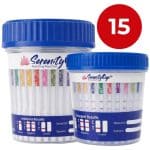
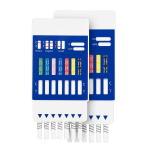
12-Panel Drug Test Cup With Alcohol And Fentanyl

At 12 Panel Now, we are the largest drug test supplier in the country, with over 15 million products in stock at any given time. As the manufacturer of the Serenity Cup brand, we pass those savings directly to our customers while maintaining the quality standards that major institutions depend on. Our products are 99% accurate, CLIA waived, and FDA approved across most of our product lines, and we are trusted by organizations including the US Army, federal and state courts, probation offices, jails, rehab centers, and government agencies nationwide. When we speak of drug testing, it stems from our experience supplying millions of tests to professionals who use them every day.

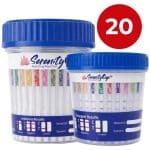
12 Panel Urine Drug Test Cup (90ml ) detects Alcohol (ETG) & Fentanyl – As low as $1.49****
AMP, BUP, BZO, COC, EtG, FEN, MET, MTD, OPI/MOR, OXY, PCP, THCForensic UseAs low As$1.49 $1.49 - $2.29What Does A 12 Panel Drug Test With Alcohol And Fentanyl Actually Detect?
A standard 12-panel drug test with alcohol and fentanyl screens for thirteen distinct substances in a single urine sample. The twelve core drug panels typically include THC (marijuana), cocaine, opiates, methamphetamine, amphetamines, benzodiazepines, barbiturates, methadone, oxycodone, buprenorphine, MDMA, and tricyclic antidepressants. The alcohol panel tests for EtG (ethyl glucuronide), a metabolite that indicates alcohol consumption within the past 80 hours, and the fentanyl panel targets fentanyl and its primary metabolite, norfentanyl.
EtG is worth understanding separately from a standard alcohol breathalyzer reading. Unlike a breath test that only detects active intoxication, EtG testing in urine can flag recent alcohol use even after the effects have fully worn off. This makes it particularly valuable in court-ordered programs, probation monitoring, and workplace return-to-duty situations where abstinence from alcohol is required.
The fentanyl panel addresses a gap that older, standard drug test cups could not fill. Traditional opiate panels screen for morphine-based compounds and do not reliably detect synthetic opioids like fentanyl. Because fentanyl is structurally different from natural opiates, a dedicated fentanyl-specific panel is necessary for accurate detection. The CDC opioid epidemic history documents how illegally manufactured fentanyl and its analogs have largely saturated the illegal drug supply, driving the third wave of the opioid overdose epidemic. Together, the EtG and fentanyl additions make this cup significantly more comprehensive than a basic multi-panel screen.
Why Combining EtG Alcohol And Fentanyl In One Cup Matters
The decision to include both EtG alcohol and fentanyl detection in a single cup reflects a meaningful shift in how drug testing programs are built today. Substance use patterns have changed, and testing panels that made sense a decade ago may no longer reflect the risks that administrators, clinicians, and compliance officers are actually managing. There are three key reasons why this combination has become a practical standard for many testing programs:
The Fentanyl Crisis Has Changed What A Complete Screen Looks Like
Fentanyl is now one of the most commonly encountered substances in overdose cases across the United States, yet it goes undetected by traditional opiate panels. For facilities, employers, and programs that rely on drug testing as part of a safety or compliance framework, screening without a dedicated fentanyl panel leaves a critical blind spot. For more on how fentanyl detection works, see our fentanyl testing information resource.
The CDC’s CDC overdose prevention overview documents that approximately 69% of all 2023 overdose deaths involved synthetic opioids, primarily illegally made fentanyl, underscoring the urgency of updated screening protocols. Adding fentanyl detection to a 12-panel cup brings the screening up to date with current substance use realities.
Alcohol Remains One Of The Most Frequently Misused Substances
Despite the focus on illicit drugs, alcohol misuse continues to be among the most prevalent concerns flagged in workplace, court, and treatment settings. For national data on substance use and overdose trends informing these testing priorities, see the CDC drug overdose data resources. Standard drug test cups do not include alcohol screening by default, which means programs that require abstinence can miss violations without an EtG panel. Including EtG in the cup closes that gap without requiring a separate test.
Consolidating Panels Reduces Cost And Complexity
Running separate tests for alcohol and fentanyl alongside a standard multi-panel cup adds time, cost, and room for procedural error. A single cup that covers all required substances simplifies the collection process, reduces supply chain complexity, and lowers the per-test cost. For high-volume programs that regularly manage dozens or hundreds of specimens, that consolidation has a measurable operational impact.12 Panel Now carries over 15 million products in stock, with same-day shipping available on bulk orders.
How To Read And Interpret Results From A 12 Panel EtG Fent Cup
Reading results from a 12-panel ETG fent cup is straightforward once you understand what the indicators mean and how the test is designed to work. Each panel on the cup produces a visible result within a set time window, and correctly interpreting those lines is essential for anyone administering or reviewing tests. There are three key aspects of result interpretation that every user should understand:
What The Lines On The Cup Actually Mean
A common source of confusion is the inverse relationship between lines and results on an immunoassay drug test cup. A line appearing next to a panel indicates a negative result, meaning the substance was not detected at or above the cutoff level. The absence of a line indicates a presumptive positive, meaning the substance was detected and the specimen should be sent to a certified laboratory for confirmation before any formal action is taken.
How The EtG Alcohol Panel Result Differs
The EtG panel follows the same line-based reading format as the drug panels, but its detection window is notably longer than most other substances on the cup. A positive EtG result can reflect alcohol consumption that occurred up to 80 hours prior to the test, depending on the amount consumed and individual metabolism. This extended window is what makes EtG a more reliable indicator of recent alcohol use compared to standard breath or saliva-based alcohol testing.
Understanding Fentanyl Panel Cutoff Levels
The fentanyl panel on the cup is calibrated to a specific cutoff concentration, typically 20 ng/mL for norfentanyl, which is the primary metabolite of fentanyl in urine. Results at or above this threshold will produce a presumptive positive, while trace amounts below the cutoff will read negative. As with all panels on the cup, a presumptive positive fentanyl result should always be confirmed by a licensed laboratory, particularly in legal, clinical, or employment-related contexts.
Accuracy, Compliance, And What To Look For In A 12 Panel Cup with EtG Alcohol Fentanyl
Not all drug test cups are manufactured to the same standard, and for programs where results carry real consequences, compliance credentials matter as much as convenience. Understanding what regulatory designations actually mean helps buyers make informed decisions and ensures the tests they rely on meet the requirements of their specific setting. There are three compliance and quality factors worth evaluating when selecting a 12-panel cup with EtG alcohol fentanyl:
What CLIA Waived And FDA Approved Actually Mean
A CLIA-waived status means a test has been reviewed by the Centers for Medicare and Medicaid Services and classified as simple enough to be performed outside of a traditional laboratory setting, such as in a clinic, workplace, or field environment. FDA 510(k) clearance indicates the test has been reviewed for safety and effectiveness. Together, these designations confirm that a cup meets established federal standards for point-of-care diagnostic testing.
Why Cutoff Levels And Panel Calibration Matter
Each panel on a drug test cup is calibrated to a specific cutoff concentration, which determines the threshold at which a result is reported as positive. Cups with inconsistent or non-standard cutoff levels can produce results that do not align with industry or program requirements. Buyers should verify that the cutoff concentrations on any cup they purchase match the standards set by their program, employer guidelines, or applicable regulatory frameworks.
Shelf Life And Storage Requirements
A drug test cup is only as reliable as its storage conditions and remaining shelf life allow. Most quality cups carry a 24-month shelf life from the date of manufacture, but exposure to extreme heat, humidity, or direct sunlight can compromise reagent integrity before that date. Always check the expiration date on each lot and store cups in a controlled environment to ensure consistent, accurate results throughout the product’s usable life.
Who Uses A Fentanyl Alcohol Drug Test Cup And In What Settings?
The fentanyl alcohol drug test cup has found consistent adoption across a wide range of professional and institutional settings, reflecting how broadly the need for comprehensive screening has grown. Different environments use this cup for different reasons, but the common thread is the need for a single, efficient test that covers the substances most relevant to their populations. Here is a closer look at three of the most common settings where this cup is put to use:
Workplace And Occupational Health Programs
Employers in safety-sensitive industries such as transportation, construction, manufacturing, and healthcare have strong incentives to screen for both alcohol and synthetic opioids. A fentanyl alcohol drug test cup allows occupational health administrators to run a thorough screen during pre-employment, random, post-incident, or return-to-duty testing without managing multiple test types. Browse our 12-panel drug tests collection for available configurations. The consolidated format keeps the collection process efficient and ensures consistent results across a high volume of specimens.
Court-Ordered And Probation Monitoring Programs
Probation officers and court program coordinators often work with individuals who are required to remain abstinent from both alcohol and controlled substances as a condition of their supervision. A cup that includes EtG and fentanyl detection alongside a standard multi-panel screen gives supervisors a more complete picture of compliance. This reduces the need for supplemental testing and supports more defensible documentation when results are used in formal proceedings.
Rehabilitation And Substance Use Treatment Facilities
Treatment centers use drug testing as a clinical tool to monitor patient progress, verify abstinence, and inform care decisions throughout the recovery process. Given the prevalence of fentanyl in the current drug supply and the frequency of alcohol use disorders among patients in treatment, a cup that screens for both is particularly well-suited to this environment. Results from point-of-care testing in these settings should always be confirmed by a licensed laboratory before guiding formal clinical or discharge decisions.
Frequently Asked Questions About 12 Panel Drug Test With Alcohol And Fentanyl
Is a 12-panel drug test with alcohol and fentanyl the same as a 14-panel test?
Not exactly. The panel count in a cup’s name typically refers only to the core drug panels. When alcohol (EtG) and fentanyl are added, they are often labeled as additional panels rather than being counted in the base number, so a 12-panel cup with both additions may functionally screen for 14 substances total.
Can the EtG panel detect alcohol from mouthwash or hand sanitizer?
In rare cases, incidental exposure to alcohol-containing products such as mouthwash or certain foods may produce a low-level EtG reading. However, a result reflecting significant alcohol consumption is generally not attributable to incidental exposure alone. Program administrators should consider the concentration level and context when reviewing borderline results.
How long does fentanyl stay detectable in urine?
Fentanyl and its metabolite norfentanyl are typically detectable in urine for one to three days after last use, though this varies based on the dose, frequency of use, and individual metabolism. Because detection windows can be short, timely specimen collection is important for accurate results.
Are these cups suitable for at-home use?
Yes. Many multi-panel cups with EtG and fentanyl are designed for ease of use outside of clinical settings, making them accessible for personal or family use at home. Results are readable without special equipment, though any presumptive positive should be confirmed by a licensed laboratory before acting on the result.
What is the difference between a forensic use cup and a CLIA waived cup?
A CLIA-waived cup is cleared for use in point-of-care settings such as clinics, workplaces, and treatment facilities. A forensic-use-only cup is intended for non-clinical applications, such as law enforcement or investigative purposes, and is not cleared for medical diagnostic use. Buyers should select the appropriate designation based on how and where results will be used.
Can these cups detect fentanyl analogs like carfentanil or acetylfentanyl?
Standard fentanyl panels are calibrated to detect fentanyl and norfentanyl at established cutoff levels. Cross-reactivity with fentanyl analogs varies by product, and some analogs may not be detected reliably by a standard fentanyl panel. For programs with specific concerns about analog detection, laboratory confirmation testing offers a more comprehensive analysis.
How should used test cups be disposed of?
Used drug test cups contain biological material and should be treated as biohazardous waste. Disposal should follow applicable local, state, and federal guidelines for handling specimens, which typically involve sealed biohazard bags and designated waste disposal containers. Facilities should ensure staff are trained on proper handling and disposal procedures.