14 Panel Drug Test Cups

At 12 Panel Now, we are the largest drug test supplier in the country, with over 15 million products in stock at any given time. As the manufacturer of the Serenity Cup brand, we pass those savings directly to our customers while maintaining the highest industry standards. Our drug test cups are 99% accurate, CLIA-waived, and FDA-approved across most product lines, and we are trusted by major institutions, including the US Army, federal and state courts, probation offices, rehab and detox centers, and government agencies nationwide. When it comes to drug testing, we have the experience and the inventory to back up everything we recommend.
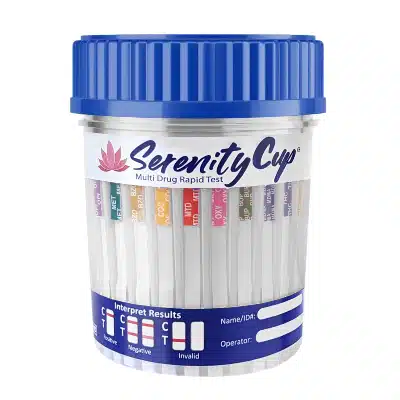
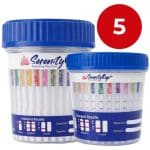
14 Panel Urine Test detects Adulterants, TRA, ETG, K2 & FEN, As low as $1.79
ADLTX, AMP, BUP, BZO, COC, EtG, FEN, K2, MDMA, MET, MTD, OPI/MOR, OXY, THC, TRAForensic UseAs low As$1.79 $1.79 - $2.59
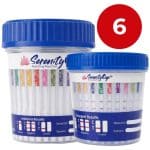
14 Panel test Cup, Multi Drug detects ETG, FEN, MOP & Adulterants, As low as $1.79
ADLTX, AMP, BAR, BUP, BZO, COC, EtG, FEN, MDMA, MET, MTD, OPI/MOR, OXY, PCP, THCForensic UseAs low As$1.79 $1.79 - $2.59
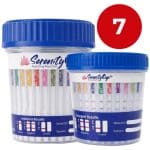
14 Panel Urine Drug test detects HCG, ETG and FEN, as Low as $1.79
AMP, BAR, BUP, BZO, COC, EtG, FEN, hCG, MDMA, MET, MTD, OPI/MOR, OXY, THCForensic UseAs low As$1.79 $1.79 - $2.59
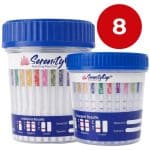
14 Panel Drug Test Cup detects PCP, (ETG) Alcohol & Fentanyl-120ml Large Cup, As low as $1.79
AMP, BAR, BUP, BZO, COC, EtG, FEN, MDMA, MET, MTD, OPI/MOR, OXY, PCP, THCForensic UseAs low As$1.79 $1.79 - $2.59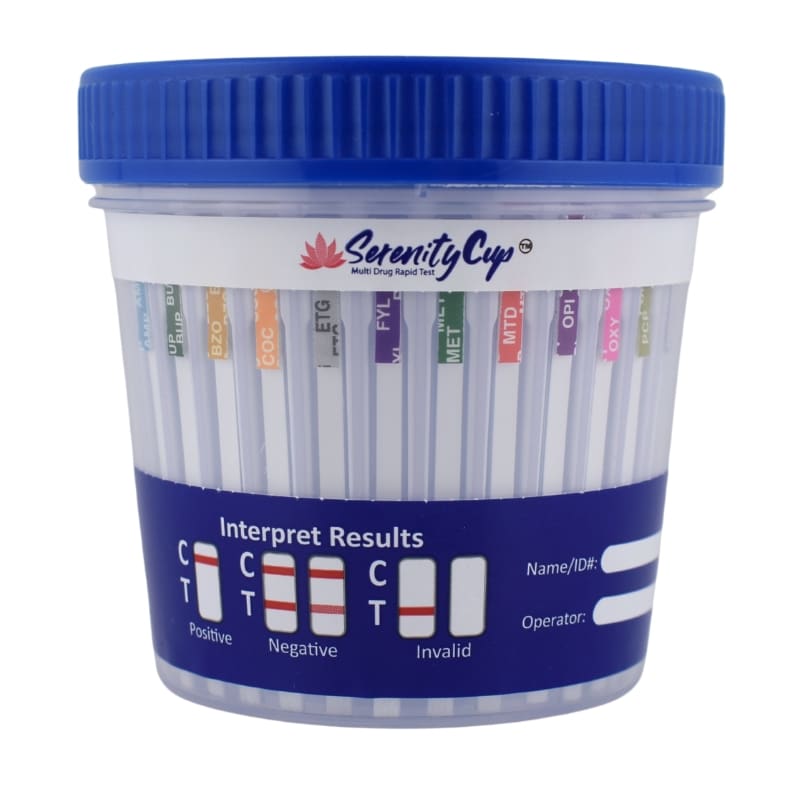
14 Panel Urine Drug Test Cup 90ML Detects PPX, OPI/2000, TCA & Adulterants, As low as $1.69
ADLTX, AMP, BAR, BUP, BZO, COC, MDMA, MET, MTD, OPI/MOR, OXY, PCP, PPX, TCA, THCCLIA WAIVEDAs low As$1.69 $1.69 - $2.29
14 Panel Urine Test Cup, 90ML detects K2, PPX, OPI/300 & TRA- As low as $1.69
AMP, BAR, BUP, BZO, COC, K2, MDMA, MET, MTD, OPI/MOR, OXY, PCP, PPX, TRAForensic UseAs low As$1.69 $1.69 - $2.29
14 Panel Drug Test Cup 90ml Detecting Alcohol (ETG) & Fentanyl as low as $1.59 Per cup
AMP, BAR, BUP, BZO, COC, EtG, FEN, MDMA, MET, MTD, OPI/MOR, OXY, PCP, THCForensic UseAs low As$1.59 $1.59 - $2.39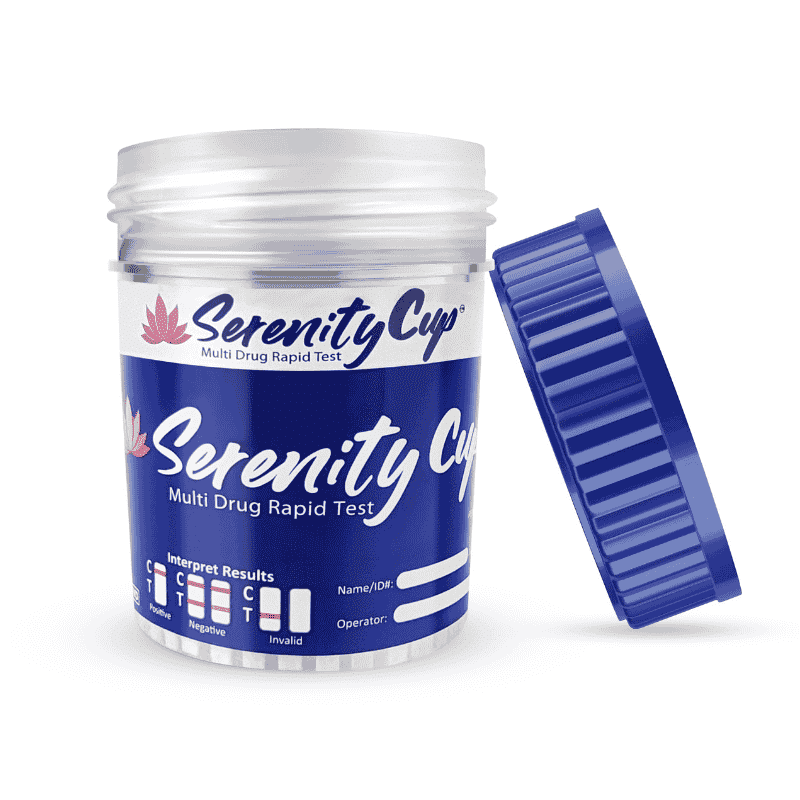
14 Panel Drug Test Cup detects Fentanyl, CLIA Waived with EDDP & TCA – Clearance! As low as $1.39
AMP, BAR, BUP, BZO, COC, FEN, MDMA, MET, MTD, OPI/MOR, OXY, TCA, THC, EDDP, FEN 1ng/mlCLIA WAIVEDAs low As$1.39 $1.39 - $2.29Check out our Blog

Troubleshooting Invalid Drug Test Results: A Step-by-Step Guide
Posted by 12 Panel Now Use this quick matrix to classify the result pattern first—then choose the correct…
Learn More
Presumptive vs. confirmed drug test positives: The path to definitive results
Posted by 12 Panel Now A presumptive positive is an early warning, not a final verdict. This process…
Learn More
How to read a drug test: Your guide to faint lines, ghost lines, and confident results
Posted by 12 Panel Now A faint line can still mean a negative result. Use this gallery to…
Learn MoreWhat Does A 14 Panel Drug Test Screen For?
A 14-panel drug test screens for fourteen distinct substances in a single urine sample, making it one of the most comprehensive point-of-care testing options available. The standard panel typically includes amphetamines, methamphetamine, cocaine, marijuana (THC), opiates, oxycodone, benzodiazepines, barbiturates, methadone, buprenorphine, tricyclic antidepressants, phencyclidine (PCP), ecstasy (MDMA), and propoxyphene, though exact configurations can vary by manufacturer.
This level of coverage is particularly valuable in settings where substance misuse patterns are unpredictable or where multiple drug classes need to be monitored simultaneously. A 14 panel urine drug test eliminates the need to run separate tests for individual substances, streamlining the screening process without sacrificing accuracy or reliability.
It is worth noting that a positive result on any immunoassay-based cup should be confirmed by a licensed laboratory using GC-MS or LC-MS testing before any formal action is taken. Point-of-care tests are designed for preliminary screening, and confirmatory testing ensures that results hold up in clinical, legal, or employment contexts.
How To Read A14 Panel Cup: Step-by-Step
Reading a 14-panel drug test cup correctly is essential to getting reliable, actionable results. The process is straightforward, but knowing what to look for in the result window makes a significant difference in how confidently results can be interpreted. Here is a breakdown of the three key stages of reading a 14-panel cup:
Collecting The Sample And Activating The Test
The urine sample is collected directly into the cup, which contains integrated test strips behind a sealed result window. Once the sample reaches the minimum fill line, the built-in reagents activate automatically. No additional steps are needed to initiate the test, reducing the risk of handling errors and keeping the process hygienic and self-contained.
Understanding The Lines: What Positive And Negative Look Like
Each panel in the result window corresponds to a specific substance. A single line next to a panel label indicates a negative result, meaning the substance was not detected above the cutoff threshold. Two lines, or no line at all, signal a presumptive positive. This is one of the most commonly misunderstood aspects of immunoassay testing, so careful attention to the result window is important.
When To Record And What to Do Next
Results should be read within the manufacturer-specified window, typically between 5 and 8 minutes after sample collection. Reading results too early or too late can affect accuracy. Any presumptive positive result should be documented and referred for confirmatory laboratory testing before any formal decisions are made based on the outcome.
Who Uses A 14 Panel Urine Drug Test And Why
The 14-panel urine drug test is one of the most versatile screening tools available, used across a wide range of professional and personal contexts. Its broad coverage of substances makes it a practical choice wherever comprehensive monitoring is a priority. Here is a look at three of the most common use cases:
Workplace And Occupational Testing
Employers in safety-sensitive industries such as transportation, construction, and healthcare often require broad-spectrum screening to meet regulatory obligations and protect their workforce. NIOSH data on NIOSH substance use workplace conditions show that workplace overdose deaths increased nearly 500% from 2012 to 2020, underscoring the need for comprehensive panel coverage. A 14-panel drug screen covers a wide enough range of substances to address the most common misuse patterns seen in occupational settings, making it a reliable choice for pre-employment screening, random testing programs, and post-incident investigations.
Courts, Probation, And Criminal Justice Monitoring
Probation officers and court-mandated programs rely on comprehensive panels to monitor compliance across multiple substance categories simultaneously. Individuals in diversion programs, drug courts, or on supervised release may be subject to testing for a broad range of controlled substances, and a 14-panel cup provides the coverage needed to fulfill those monitoring requirements efficiently and accurately. Employers supporting employees through these programs can reference NIOSH’s workplace recovery programs guidance for strategies to maintain compliance while supporting recovery.
Rehabilitation And Recovery Programs
Rehab centers, detox facilities, and outpatient recovery programs use multi-panel cups to track sobriety progress and detect potential relapse across several substance categories at once. For clinical staff managing patients with histories of polysubstance use, a wider panel reduces the chance that a secondary substance goes undetected during routine screening. NIOSH’s guidance on NIOSH opioids in workplace settings addresses how opioid use disorder affects both employee health and workplace safety simultaneously.
14 Panel Drug Screen: Accuracy, Compliance, And What To Look For
Not all drug test cups are manufactured to the same standard, and understanding what separates a reliable product from an inferior one is important before making a purchasing decision. Accuracy, regulatory compliance, and product certifications are the three factors that matter most when evaluating a 14-panel drug screen. Here is what buyers should look for:
Accuracy Rates And Cutoff Thresholds
A quality 14-panel cup should deliver consistent results at or above the 99% accuracy mark when used correctly. Cutoff thresholds, which are the concentration levels at which a substance triggers a positive result, are standardized in line with SAMHSA guidelines for most panels. Buyers should verify that the product they use meets these thresholds, as cups with non-standard cutoffs can yield inconsistent or misleading results.
CLIA Waiver And FDA Approval
A CLIA-waived status means a test has been approved for use in non-laboratory settings without requiring a Certificate of Compliance or Accreditation. FDA 510(k) clearance indicates the product has been reviewed and deemed substantially equivalent to a legally marketed device. Both designations are important indicators of product quality and regulatory standing, particularly for healthcare providers, clinics, and any organization subject to federal oversight.
Forensic Use Versus Clinical Use Designations
Some drug test cups are designated for forensic use only, meaning they are intended for law enforcement or legal proceedings rather than clinical screening. Others carry full CLIA-waived and FDA-approved status for use in medical or occupational settings. Confirming the correct designation for the intended application ensures the product is being used within its approved scope and that results carry the appropriate weight in the relevant context.
Bulk Ordering And Shelf Life: What Buyers Should Know
For organizations that conduct regular drug testing, purchasing in bulk is one of the most practical ways to manage costs and maintain a consistent supply. Understanding how shelf life, shipping timelines, and volume pricing work together helps buyers make smarter procurement decisions. Here is what to keep in mind when ordering 14-panel cups in larger quantities:
Shelf Life And Storage Considerations
A 24-month shelf life is standard across quality drug test cups, giving organizations ample time to work through bulk inventory without concerns about product expiration. Proper storage conditions matter as well. Cups should be kept at room temperature, away from direct sunlight and humidity, to maintain reagent integrity throughout the product’s usable life. Checking the expiration date on each lot before use is a simple yet important step to maintain testing accuracy.
Volume Pricing And Wholesale Options
Bulk purchasing significantly reduces the per-unit cost of drug test cups, which adds up quickly for facilities running high volumes of tests each month. Many suppliers offer tiered wholesale pricing based on order quantity, making it worthwhile to evaluate total monthly testing needs before placing an order. Locking in a consistent supplier with guaranteed pricing also eliminates the cost variability that comes with frequent one-off purchases. 12 Panel Now offers wholesale pricing with over 15 million products in stock and same-day shipping on bulk orders placed before 3:00 PM EST.
Shipping Timelines And Order Cutoffs
For organizations that cannot afford gaps in their testing supply, understanding shipping timelines is just as important as pricing. Same-day shipping for bulk orders placed before 3:00 PM EST Monday through Friday ensures stock arrives quickly without the expense of expedited handling. Factoring in lead times and maintaining a reasonable inventory buffer helps avoid disruptions to routine testing schedules.
Frequently Asked Questions About the 14-Panel Drug Test
Can a 14-panel drug test detect synthetic opioids like fentanyl?
Standard 14-panel configurations do not typically include fentanyl, as it requires a dedicated panel due to its distinct chemical structure. If fentanyl screening is a priority, look for cups that explicitly list it as one of the included panels or add a separate fentanyl test strip.
Is a prescription medication likely to cause a false positive on a 14-panel cup?
Certain legally prescribed medications can trigger a presumptive positive on immunoassay-based tests. This is one of the key reasons confirmatory laboratory testing is recommended before any formal action is taken based on a point-of-care result.
How long do drugs stay detectable in urine for a 14-panel drug test?
Detection windows vary by substance, frequency of use, metabolism, and hydration levels. Most substances remain detectable in urine anywhere from 24 hours to 30 days, with marijuana typically having the longest window among commonly tested drugs.
Are 14-panel drug test cups suitable for home use?
Yes. Many 14-panel cups are designed for ease of use, with no clinical training required. However, buyers should verify whether the product they are purchasing carries a CLIA waiver for non-laboratory settings or is designated for forensic use only.
What is the difference between a 14-panel cup and a dip card with 14 panels?
A cup integrates the collection vessel and the test strips into a single self-contained unit, while a dip card requires a separate collection container. Cups are generally preferred in professional settings for their convenience, tamper-evident features, and reduced handling risk.
Can results from a 14-panel cup be used in court?
Point-of-care drug test results are typically considered presumptive and, on their own, are not sufficient for legal proceedings. Confirmatory testing through a certified laboratory is required for results to carry evidentiary weight in a court or legal context.
How many tests are typically included in a bulk order of 14-panel cups?
Bulk orders can range from boxes of 25 to cases of several hundred units, depending on the supplier. Buyers should confirm the exact count per case before ordering and factor in their average monthly testing volume to determine the most cost-effective quantity.