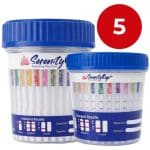
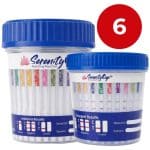
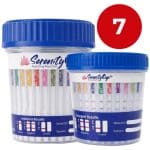
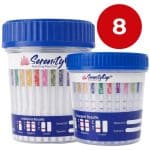
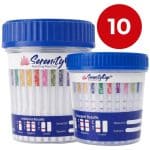
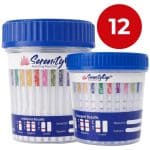
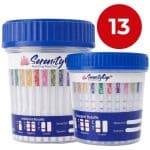
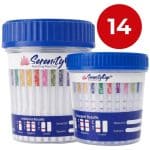
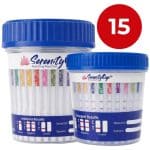
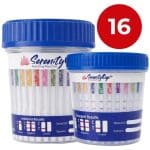
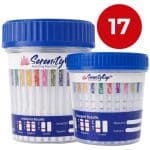
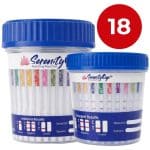
18-Panel Drug Test Cups

At 12 Panel Now, we are the largest drug test supplier in the country, with over 15 million products in stock at all times. As the manufacturer of the Serenity Cup brand, we are able to pass savings directly to our customers without sacrificing accuracy or compliance. Our drug test cups are 99% accurate, CLIA waived, and FDA approved across most product lines, and we are trusted by major institutions, including the US Army, courts, probation offices, rehab centers, law enforcement agencies, and government organizations nationwide. When it comes to broad-spectrum drug testing, few products in our lineup offer the depth and reliability of the 18-panel urine drug test.
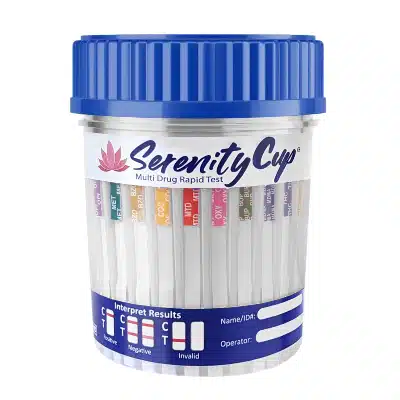
18 Panel Multi-Drug Urine Test Cup : GAB, KRA, KET, FEN, ETG, TRA & More, as low as $2.29
ADLTX, AMP, BAR, BUP, BZO, COC, EtG, FEN, GAB, KET, KRA, MDMA, MET, MTD, OPI/MOR, OXY, PCP, THC, TRAForensic UseAs low As$2.29 $2.29 - $3.19
18 Panel Drug Test Cup: Adulterants, Kratom, Fentanyl & ETG – As low as $2.29
ADLTX, AMP, BAR, BUP, BZO, COC, EtG, FEN, KET, KRA, MDMA, MET, MTD, OPI/MOR, OXY, PCP, THC, TRAForensic UseAs low As$2.29 $2.29 - $3.09
18 Panel Urine Test Cup detects XYL, KRA, FEN, ETG, TRA & KET, as low as $2.29
AMP, BAR, BUP, BZO, COC, EtG, FEN, KET, KRA, MDMA, MET, MTD, OPI/MOR, OXY, PCP, THC, TRAForensic UseAs low As$2.29 $2.29 - $3.09
18 Panel Urine Test Cup detects ETG, FEN, KET, TRA & TCA, As low as $2.09 Per Cup
AMP, BAR, BUP, BZO, COC, EtG, FEN, KET, MDMA, MET, MTD, OPI/MOR, OXY, PCP, TCA, THC, TRAForensic UseAs low As$2.09 $2.09 - $3.09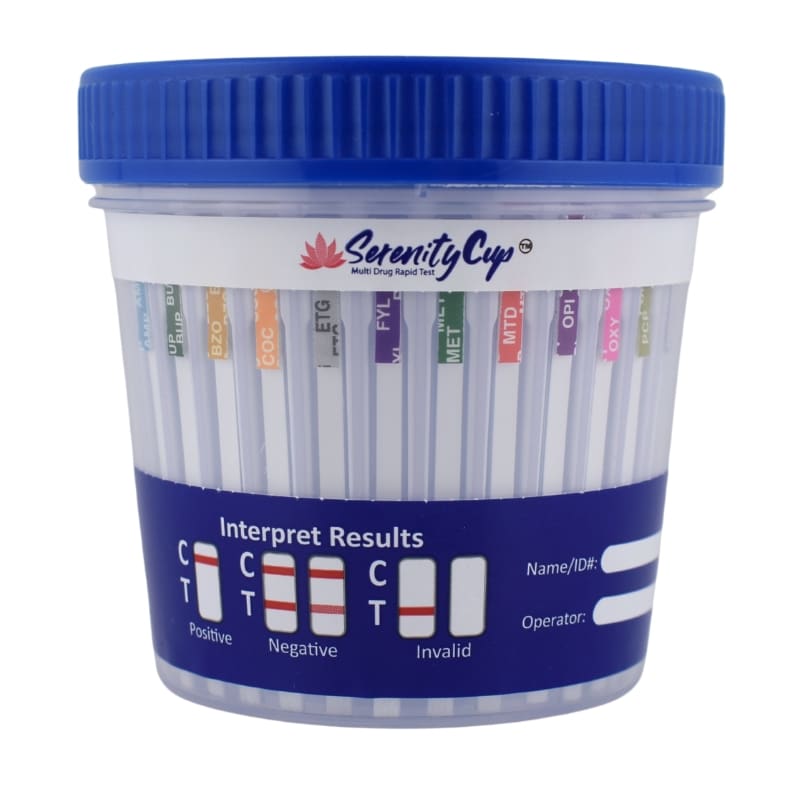
18 Panel Urine Test Cup (90ml) KRA, ETG, FEN, K2, KET, TRA & Adulterants, as low as $1.89
ADLTX, AMP, BAR, BUP, BZO, COC, EtG, FEN, K2, KET, KRA, MDMA, MET, MTD, OPI/MOR, OXY, PCP, THC, TRAForensic UseAs low As$1.89 $1.89 - $2.59
18 Panel Drug Test Cup 90ml KRA, K2, TRA, ETG, & FEN, as low as $1.99
AMP, BAR, BUP, BZO, COC, EtG, FEN, K2, KET, KRA, MDMA, MET, MTD, OPI/MOR, OXY, PCP, THC, TRAForensic UseAs low As$1.99 $1.99 - $2.59Check out our Blog

Troubleshooting Invalid Drug Test Results: A Step-by-Step Guide
Posted by 12 Panel Now Use this quick matrix to classify the result pattern first—then choose the correct…
Learn More
Presumptive vs. confirmed drug test positives: The path to definitive results
Posted by 12 Panel Now A presumptive positive is an early warning, not a final verdict. This process…
Learn More
How to read a drug test: Your guide to faint lines, ghost lines, and confident results
Posted by 12 Panel Now A faint line can still mean a negative result. Use this gallery to…
Learn MoreWhat Does An 18-panel Drug Screen Test For?
An 18-panel drug screen is designed for situations where a standard panel count simply is not enough. With substance misuse patterns shifting rapidly across the country, broader screening has become a practical necessity for many organizations and programs. Here is a breakdown of what an 18-panel urine drug test typically covers:
The Core Substances: Familiar Drugs That Remain High Priority
The foundation of any multi-panel test includes the substances most commonly flagged in workplace, clinical, and court settings. These typically include marijuana (THC), cocaine (COC), amphetamines (AMP), methamphetamine (METH), opiates (OPI), phencyclidine (PCP), benzodiazepines (BZO), and barbiturates (BAR). These substances have been central to drug testing programs for decades and remain among the most frequently detected across all testing environments.
Prescription Drugs And Opioids: Closing The Gap On Misuse
One of the key reasons organizations move to higher panel counts is to catch prescription drug misuse that lower-panel tests miss entirely. An 18-panel drug screen commonly adds oxycodone (OXY), hydrocodone (HYD), methadone (MTD), buprenorphine (BUP), and tramadol (TRA) to the lineup. These are controlled substances with legitimate medical uses, but their potential for misuse makes them critical targets in clinical, rehabilitation, and court-ordered testing programs.
Emerging And Specialty Substances: Staying Ahead Of The Curve
As the drug landscape continues to evolve, broader panels have expanded to include substances that were rarely screened for just a few years ago. Fentanyl (FEN), MDMA (MDMA), and other specialty markers are increasingly included at the 18-panel level to address real-world detection needs. For a broader context on fentanyl’s prevalence in the drug supply, SAMHSA provides fentanyl detection guidance covering detection resources and overdose prevention strategies.
For organizations serving populations at higher risk of polysubstance use, this extended coverage can make a meaningful difference in the accuracy and completeness of testing programs.
How An 18-panel Cup Works: Collection, Reading, And Results
For anyone new to urine drug testing, understanding how a cup-based test functions can help set accurate expectations for the screening process. The 18-panel cup is designed to make collection, testing, and result interpretation as straightforward as possible, with no additional equipment or lab processing required for an initial screen. Here is a step-by-step look at how the process works:
Step One: Specimen Collection
The integrated design of a drug test cup means that collection and testing happen in a single container. The donor provides a urine sample directly into the cup, which includes a built-in temperature strip to verify specimen validity. This on-the-spot verification helps identify substituted or adulterated samples before the test even begins, adding a layer of reliability to the collection process.
Step Two: Reading The Results
Once the specimen reaches the required temperature range and adequate volume, the test activates automatically. Results appear on the built-in panel window in the cup, typically within 2 to 5 minutes. Each panel displays either one line or two lines: one line indicates a presumptive positive for that substance, while two lines indicate a negative result. Reading the cup requires no additional tools or training beyond the instructions provided.
Step Three: Confirming And Documenting Results
Cup-based tests provide fast, presumptive results that are well-suited for initial screening purposes. However, any positive result should be sent to a licensed laboratory for confirmation before being used in a legal, employment, or clinical context. Proper documentation of the collection process, temperature reading, and observed results is also recommended to maintain the chain of custody and program integrity.
Who Uses An Eighteen Panel Drug Test And Why
The 18-panel drug test occupies a specific place in the drug testing landscape, favored by programs and organizations that require thorough, broad-spectrum screening. Its extended panel count makes it a practical choice wherever the stakes of an incomplete result are high. Here is a closer look at the settings where this level of coverage is most commonly applied:
Rehabilitation And Treatment Centers
Residential treatment and detox facilities rely on high-panel tests to monitor patients throughout the recovery process. A broader panel helps clinical staff identify polysubstance use, track compliance with medication-assisted treatment protocols, and flag relapse early. Substances like buprenorphine, methadone, and benzodiazepines are frequently relevant in these settings, making the extended coverage of an 18-panel urine drug test especially valuable for ongoing patient monitoring.
Courts, Probation, And Diversion Programs
Court-ordered testing programs operate under strict accountability requirements, where missing a substance can have serious consequences for program integrity. Probation officers and diversion coordinators often require tests that go beyond standard panels to reflect the full scope of a participant’s substance use. The breadth of an 18-panel drug screen makes it a trusted option in these high-accountability environments where accuracy and completeness are non-negotiable.
Employers In High-Risk Or Safety-Sensitive Industries
Workplaces where employee impairment poses a direct safety risk, such as transportation, construction, and manufacturing, often opt for higher panel counts to protect both workers and the public. Standard pre-employment panels may not capture prescription opioids or newer substances that are increasingly present in the workforce. A broader screen gives safety-sensitive employers greater confidence that their testing program reflects current substance use trends.
CLIA Waived And FDA Approved: What Compliance Means For Your Testing Program
Regulatory compliance is not a background detail in drug testing; it is a foundational requirement for any program that needs its results to hold up under scrutiny. Understanding what CLIA waived and FDA-approved actually mean helps organizations make informed decisions about the products they use. Here is what these designations mean in practical terms:
What CLIA Waived Means For Point-of-Care Testing
CLIA, or the Clinical Laboratory Improvement Amendments, establishes quality standards for laboratory testing in the United States. The CMS CLIA program overview provides a comprehensive overview of the regulatory framework governing point-of-care testing across all U.S. clinical and compliance settings.
A CLIA-waived designation means a test has been classified as simple to use, with a low risk of error when following the manufacturer’s instructions. For organizations conducting on-site screening, this classification allows trained non-laboratory personnel to administer tests without requiring a full clinical lab setup, making it a practical standard for workplaces, probation offices, and treatment facilities.
What FDA Approval Means For Test Accuracy and Reliability
FDA approval or clearance indicates that a drug test has met federal standards for safety and effectiveness. For drug test cups, this typically refers to FDA 510(k) clearance, which confirms the product performs as intended and produces reliable results. Choosing an FDA-approved test gives organizations confidence that the product has been evaluated against established benchmarks, reducing the risk of unreliable screening results that could compromise a testing program.
Why These Designations Matter When Selecting A Test
Not all drug tests on the market carry both designations, and the difference matters significantly depending on how results will be used. Tests used in clinical, employment, or court settings should meet recognized compliance standards to ensure results are defensible and appropriate for the context. Confirming that a product is both CLIA waived and FDA approved is a straightforward but important step in building a testing program that meets professional and institutional standards. Facilities establishing a testing program can review the CLIA certificate application process on the CMS website to determine their certification requirements. Every test in the 12 Panel Now lineup meets both designations across most product lines.
Frequently Asked Questions About 18-panel Urine Drug Test
What is the difference between an 18-panel drug test and a 12-panel drug test?
The primary difference is substance coverage. A 12-panel test covers the most commonly screened drugs, while an 18-panel test adds substances such as fentanyl, tramadol, buprenorphine, and MDMA. Organizations with more complex screening needs typically increase panel counts to close gaps left open by standard tests.
How long do substances stay detectable in urine for an 18-panel urine drug test?
Detection windows vary by substance, metabolism, and frequency of use. THC can remain detectable for several weeks in heavy users, while cocaine and methamphetamine typically clear within a few days. These are general guidelines only and should not be used to predict or interpret individual results.
Can an 18-panel cup detect synthetic opioids like fentanyl?
Yes, many 18-panel cups include a dedicated fentanyl panel. Given fentanyl’s prevalence in the current drug supply, its inclusion at the 18-panel level has become increasingly standard. Always verify the specific panel configuration before purchase to confirm which substances are included.
Are 18-panel drug test cups suitable for home use?
Yes, cup-based tests are straightforward enough for use outside clinical settings and require no specialized training. As with any screening test, presumptive positive results should be confirmed by a licensed laboratory before significant decisions are made.
How should 18-panel drug test cups be stored to maintain accuracy?
Store drug test cups at room temperature, away from direct sunlight, humidity, and temperature extremes. Most products carry a 24-month shelf life when stored correctly. Always check the expiration date before use.
What happens if a specimen falls outside the valid temperature range?
A specimen outside the accepted range of 90 to 100 degrees Fahrenheit may indicate tampering or substitution. If the temperature strip shows an invalid reading, the standard protocol is to document the anomaly and collect a new specimen under direct observation.
Can an 18-panel drug screen be used as a standalone result for legal or employment decisions?
No. Presumptive positive results from a point-of-care test should always be confirmed by a licensed laboratory before being used in legal, employment, or clinical contexts. GC-MS confirmation is the accepted standard for high-stakes applications.
How many panels does a drug test need for a court-ordered program?
Panel requirements vary by jurisdiction and program guidelines. Many court-ordered and probation programs opt for higher panel counts, such as an 18-panel drug screen, to ensure comprehensive coverage across both common and prescription substances. Always consult the specific requirements of the overseeing court or agency when selecting a test for legal compliance purposes.
What does a single line on one panel of an 18-panel cup mean?
A single line on any individual panel indicates a presumptive positive result for that specific substance. Two lines indicate a negative result. An invalid result, where no lines appear on a panel, means the test should be repeated with a new cup. Always refer to the product’s instructions for accurate interpretation of results.
Is an 18-panel urine drug test reusable?
No. Drug test cups are single-use only. Once a specimen has been collected and the test has activated, the cup cannot be reset or reused. Using a fresh cup for each collection is essential for maintaining result accuracy and preventing cross-contamination between specimens.