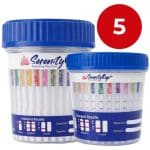
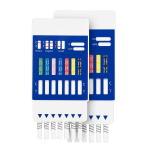
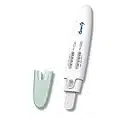
20 Panel Drug Test Cups

At 12 Panel Now, we are the largest drug test supplier in the country, with over 15 million products in stock at any given time. As the manufacturer of the Serenity Cup brand, we supply 99% accurate, CLIA-waived, and FDA-approved drug testing products to some of the most demanding institutions in the country, including the US Army, federal and state courts, probation offices, rehab centers, and government agencies. When it comes to high-panel testing, we know what accuracy, compliance, and reliability actually look like in the field.

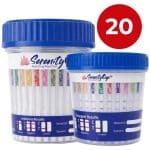
20 Panel Drug Test Cup detects GAB, KRA, KET, TRA, K2, ETG, FEN and Adulterants- as Low as $2.49
6MAM, ADLTX, AMP, BAR, BUP, BZO, COC, EtG, FEN, GAB, K2, KET, KRA, MDMA, MET, MTD, OPI/MOR, OXY, PCP, THC, TRAForensic UseAs low As$2.49 $2.49 - $3.29
20 Panel Urine Test Cup (90ml) detects GAB, KRA, FEN , As low as $1.79
6MAM, ADLTX, AMP, BAR, BUP, BZO, COC, EtG, FEN, GAB, K2, KET, KRA, MDMA, MET, MTD, OPI/MOR, OXY, PCP, THC, TRAForensic UseAs low As$1.79 $1.79 - $2.79Check out our Blog

Troubleshooting Invalid Drug Test Results: A Step-by-Step Guide
Posted by 12 Panel Now Use this quick matrix to classify the result pattern first—then choose the correct…
Learn More
Presumptive vs. confirmed drug test positives: The path to definitive results
Posted by 12 Panel Now A presumptive positive is an early warning, not a final verdict. This process…
Learn More
How to read a drug test: Your guide to faint lines, ghost lines, and confident results
Posted by 12 Panel Now A faint line can still mean a negative result. Use this gallery to…
Learn MoreWhat Does A 20 Panel Drug Test Actually Screen For?
A 20-panel drug test is designed to detect a broad spectrum of substances in a single urine sample, making it one of the most comprehensive cup-based screening tools available. Standard panels typically cover well-known substances such as marijuana (THC), cocaine, opiates, amphetamines, methamphetamine, benzodiazepines, barbiturates, methadone, oxycodone, and phencyclidine (PCP), among others.
Where a 20-panel cup goes further is in its coverage of emerging and often-overlooked substances. Depending on the specific configuration, panels may also include fentanyl, tramadol, buprenorphine, gabapentin, kratom, ketamine, and other drugs that have become increasingly relevant in both clinical and compliance settings. This level of coverage is particularly valuable in environments where polysubstance use is a known concern.
It is worth noting that panel configurations can vary between manufacturers and product lines, so reviewing the included analytes before purchasing is always recommended. Results from any urine-based screening tool should be confirmed by a licensed laboratory when used in legal, clinical, or employment-related contexts.
Who Uses A 20 Panel Drug Screen And Why?
A 20-panel drug screen is not a one-size-fits-all product, and the organizations that rely on it tend to have specific, high-stakes reasons for doing so. Broad panel coverage is often a requirement rather than a preference in settings where substance use patterns are complex or where legal and regulatory accountability is involved. The following are some of the most common contexts where a 20-panel cup is the appropriate choice:
High-Supervision Legal And Correctional Settings
Courts, probation departments, and correctional facilities frequently require wide-panel testing because the populations they monitor may have histories involving multiple substances. A higher panel count reduces the likelihood that a relevant substance will go undetected, which matters significantly when testing is tied to sentencing conditions, parole compliance, or court-ordered rehabilitation programs.
Clinical And Rehabilitation Environments
Detox centers, residential treatment facilities, and outpatient clinics use broad-spectrum testing to monitor patient progress and identify relapse patterns across a range of substances. In these settings, comprehensive screening supports clinical decision-making and helps staff respond appropriately to the full picture of a patient’s substance use history.
Workplace And Staffing Programs
Employers in safety-sensitive industries, along with staffing agencies managing large workforces, often opt for higher panel counts to address the wider variety of substances that may impair performance or judgment on the job. Thorough screening also supports legal defensibility in the event that a workplace incident leads to an investigation. Employers can review the applicable federal drug testing laws through SAMHSA’s employer resources.
How To Read A Twenty Panel Cup Result
Reading a twenty-panel cup correctly is essential for anyone responsible for administering or interpreting drug screens in a professional setting. The process is straightforward, but understanding what each line means and how to handle edge cases will prevent misinterpretation. Here is a breakdown of the key elements to know before reading a result:
Understanding The Control And Test Lines
Each panel on the cup displays two possible lines: a control line (C) and a test line (T). The control line must always appear to confirm that the test functioned correctly. If a test line also appears, regardless of how faint, the result for that substance is considered negative. A missing test line alongside a present control line indicates a presumptive positive for that specific substance.
What An Invalid Result Means
An invalid result occurs when the control line is missing, indicating the test did not perform as intended. This can happen due to an improper sample, a compromised specimen, or incorrect storage or handling of the product. An invalid result should never be interpreted as either positive or negative, and the test should be repeated using a new cup and a fresh specimen.
Next Steps After A Presumptive Positive
A presumptive positive screening result is not a confirmed result. It indicates that the concentration of the substance in the sample exceeded the panel’s detection threshold. In legal, clinical, or employment contexts, a presumptive positive should always be sent to a licensed laboratory for confirmatory testing before any formal action is taken.
20 Panel vs. Lower Panel Count Cups: When More Panels Matter
Choosing between a 20-panel drug test and a lower-panel option is a decision based on the specific needs of the testing program, not simply a preference for more coverage. Panel count directly affects which substances are detected, and gaps in coverage can have real consequences depending on the setting. Here is a closer look at how a 20-panel cup compares to lower panel alternatives across three key considerations:
Substance Coverage And Detection Gaps
Browsing our full range of drug test cups can help narrow down whether a 5- or 10-panel option covers the most commonly tested substances for standard workplace or general screening programs, or whether broader coverage is needed. However, as substance use patterns shift and emerging drugs become more prevalent, lower panel counts can leave meaningful gaps. A 20-panel drug test addresses those gaps by including substances like fentanyl, gabapentin, kratom, and buprenorphine that rarely appear on entry-level cups.
Matching Panel Count To Population Risk
Not every testing program requires the same level of coverage. A general pre-employment screen for a low-risk office role has different requirements than one administered in a probation office or a residential treatment facility. Higher-risk populations with documented histories of polysubstance use are better served by a broader panel count that reflects the actual substances most likely to be present.
Cost Considerations Across Panel Counts
Higher panel counts typically come at a slightly higher per-unit cost, which is a relevant factor for programs managing large testing volumes. However, the cost difference between a 10 and a 20-panel cup is often marginal when purchased in bulk, and the added coverage can reduce the need for follow-up testing with supplemental strips or additional cups for substances not included in a lower panel count.
What To Look For When Buying A 20-Panel Urine Drug Test
Purchasing a 20-panel urine drug test requires more than simply comparing prices, especially when results will be used in compliance, clinical, or legal contexts. The product’s quality, certification status, and supplier reliability all play a role in whether a testing program holds up under scrutiny. Here are the most important factors to evaluate before placing an order:
Certification And Regulatory Compliance
At minimum, look for products that are CLIA waived and FDA approved, as these designations indicate the test has met established standards for accuracy and intended use in non-laboratory settings. For a broader overview of federal standards governing drug testing programs, see SAMHSA drug testing resources. Some products are designated for forensic use only, which affects how results can be applied. Reviewing certification status before purchasing ensures the product is appropriate for the specific program or setting where it will be used.
Shelf Life And Storage Requirements
A product’s shelf life directly affects its value, particularly for organizations that purchase in bulk. Look for cups with a shelf life of at least 24 months to reduce waste and allow for larger order quantities without risk of expiration. Storage requirements also matter, as refrigerated or climate-controlled cups can create logistical challenges for facilities that store inventory on-site.
Supplier Reliability And Order Fulfillment
Consistent availability and fast fulfillment are critical for programs that test regularly or at high volume. A reliable supplier should maintain sufficient stock to fulfill large orders without delay and offer clear shipping timelines. 12 Panel Now maintains over 15 million products in stock with same-day shipping available on bulk orders. For time-sensitive programs, same-day shipping options on bulk orders can make a significant operational difference when supplies run low unexpectedly.
Frequently Asked Questions About 20-Panel Drug Tests
What is the difference between a screening test and a confirmatory test?
A screening test, such as a urine drug test cup, provides a presumptive result based on immunoassay technology. A confirmatory test, typically conducted by a licensed laboratory using methods like GC-MS, provides a definitive result. For the federal program context on this distinction, see the SAMHSA workplace testing FAQs. Screening cups are designed for initial detection, not final determination.
Can a 20-panel drug test detect synthetic cannabinoids like K2 or Spice?
Some 20 panel configurations include a panel specifically for synthetic cannabinoids such as K2 and Spice. However, not all cups are configured the same way, so reviewing the list of included analytes before purchasing is important if synthetic cannabinoid detection is a priority.
How long do most substances remain detectable in urine?
Detection windows vary by substance, frequency of use, metabolism, and hydration levels. THC, for example, may be detectable for several weeks in heavy users, while substances like cocaine or methamphetamine typically clear within a few days. These are general ranges and not guarantees of detection or clearance timing.
Are drug test cups affected by common medications?
Certain prescription and over-the-counter medications can trigger a presumptive positive on specific panels due to cross-reactivity. This is one reason why confirmatory laboratory testing is recommended before taking any formal action based solely on a screening result.
What should be done if a test result is questioned by the person being tested?
If a subject disputes a result, the appropriate response is to send the specimen to a certified laboratory for confirmatory testing. Chain of custody procedures should be followed from the point of collection to maintain the integrity of the sample and the defensibility of the result.
How should used drug test cups be disposed of?
Used drug test cups contain biological material and should be treated as biohazardous waste. Disposal should follow applicable local, state, and federal regulations for handling and discarding specimens and medical waste. Facilities should have a disposal protocol in place before beginning any testing program.
Is a 20-panel drug test appropriate for random workplace testing programs?
A 20-panel cup can be used in workplace testing programs, though the appropriate panel count depends on the industry, regulatory requirements, and the substances most relevant to the workforce being tested. Consulting with a compliance officer or occupational health professional can help determine whether a 20-panel configuration aligns with program requirements.