Drug Testing Supplies: Ensuring Safe Patient Care


Finding reliable drug testing supplies can feel overwhelming when patient safety and regulatory compliance are at stake. For healthcare administrators in American rehabilitation centers, maintaining strict accuracy is vital for substance abuse screening and recovery monitoring. With drug testing supplies ranging from urine test kits to saliva swabs and secure documentation materials, selecting the right products supports comprehensive patient screening and ensures your facility’s practices align with trusted standards from the American Society of Addiction Medicine.
Table of Contents
- Defining Drug Testing Supplies in Rehabilitation
- Types of Drug Testing Supplies for Screening
- How Drug Testing Kits Ensure Accurate Results
- Legal and Regulatory Standards for Use
- Responsibilities and Best Practices for Facilities
Key Takeaways
| Point | Details |
|---|---|
| Importance of Drug Testing Supplies | Drug testing supplies are essential for effective substance abuse treatment and monitoring patient recovery progress. |
| Diverse Testing Methods | Rehabilitation centers utilize a range of testing methods, including urine, saliva, hair follicle, and blood testing, to accurately assess substance use patterns. |
| Accuracy Through Verification | Implementing a two-step testing process with initial screenings followed by confirmatory testing ensures the reliability of drug test results. |
| Legal Compliance and Protocols | Facilities must adhere to regulatory standards and develop comprehensive training and documentation protocols to ensure patient rights and testing integrity. |
Defining Drug Testing Supplies in Rehabilitation
Drug testing supplies represent critical tools for healthcare professionals managing substance abuse treatment programs. These specialized equipment and materials enable systematic monitoring and assessment of patient recovery progress. Comprehensive drug testing guidelines from the American Society of Addiction Medicine highlight the critical importance of precise biological sample collection and analysis.
In rehabilitation settings, drug testing supplies typically encompass several essential categories of equipment. These include sterile sample collection containers, multi-panel screening test kits, calibrated testing reagents, and secure chain-of-custody documentation materials. Each component serves a specific purpose in tracking patient substance use patterns and supporting evidence-based treatment strategies. The primary goal remains creating a standardized, scientifically rigorous approach to monitoring patient recovery.
Healthcare facilities utilize different types of drug testing supplies based on specific clinical requirements. Urine-based testing remains the most common method, involving disposable collection cups, instant screening devices, and laboratory confirmation tools. Some advanced rehabilitation centers also incorporate blood, saliva, and hair follicle testing supplies to provide comprehensive substance screening capabilities. These varied testing approaches allow medical professionals to detect recent and historical drug usage patterns with increasing precision.
Pro tip: Invest in high-quality, FDA-approved drug testing supplies that provide consistent, accurate results and maintain strict chain-of-custody documentation protocols.
Types of Drug Testing Supplies for Screening
Rehabilitation centers and healthcare facilities rely on diverse drug testing supplies to comprehensively monitor patient substance use patterns. Screening tools for substance assessment range from simple urine test kits to advanced multi-panel diagnostic devices designed to detect various controlled substances with precision and reliability.
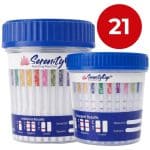
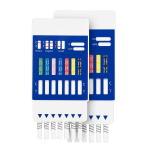
The primary categories of drug testing supplies include biological sample collection tools, immunoassay screening kits, and confirmatory testing equipment. Urine-based testing remains the most prevalent method, utilizing disposable collection cups with integrated testing strips capable of detecting multiple drug classes simultaneously. These multi-panel screening kits can identify substances like marijuana, cocaine, opiates, amphetamines, and benzodiazepines within a single testing procedure.
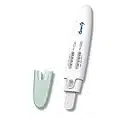
Beyond traditional urine testing, rehabilitation centers increasingly employ alternative screening methods. Saliva-based testing supplies offer rapid, non-invasive screening with shorter detection windows, making them ideal for immediate substance use identification. Hair follicle testing supplies provide extended historical substance use tracking, enabling medical professionals to understand long-term usage patterns. Blood testing supplies remain the most precise method, offering comprehensive toxicology screening with the highest accuracy for complex medical assessments.
Here’s a quick comparison of the most commonly used drug testing methods in rehabilitation settings:
| Method | Detection Window | Invasiveness | Typical Use Case |
|---|---|---|---|
| Urine Testing | 1–5 days | Non-invasive | Routine screening |
| Saliva Testing | Few hours–2 days | Very non-invasive | Immediate detection, onsite tests |
| Hair Follicle | Up to 90 days | Minimally invasive | Long-term usage tracking |
| Blood Testing | Hours–days | Invasive | Detailed toxicology, confirmation |
Pro tip: Select drug testing supplies that provide comprehensive screening capabilities and maintain strict quality control protocols to ensure consistent and reliable results.
How Drug Testing Kits Ensure Accurate Results
Drug testing kits rely on sophisticated scientific methodologies to provide reliable and precise substance screening results. Clinical testing guidelines emphasize a comprehensive approach that includes multiple verification stages to minimize errors and ensure patient safety.
The accuracy of drug testing kits depends on several critical factors. First, high-quality reagents and calibrated testing strips are essential for detecting specific drug metabolites with minimal false positives or negatives. Immunoassay screening techniques form the initial detection layer, utilizing antibody-based reactions that identify the presence of specific substance markers. Rehabilitation centers typically employ multi-panel test kits that can simultaneously screen for various controlled substances, allowing for a comprehensive assessment of potential drug use.
Confirmatory testing represents the gold standard for ensuring result accuracy. After an initial positive screening, advanced techniques like gas chromatography-mass spectrometry (GC-MS) are used to definitively verify the presence of specific substances. These secondary testing methods provide an additional layer of precision, cross-checking initial results and eliminating potential false positives. Medical professionals follow strict chain-of-custody protocols to maintain sample integrity, documenting every step of the testing process to ensure legal and medical reliability.
Pro tip: Always implement a two-step testing process with initial screening followed by confirmatory testing to maximize the accuracy and reliability of drug test results.
Legal and Regulatory Standards for Use
Drug testing in healthcare and rehabilitation settings must adhere to stringent legal and regulatory frameworks that protect patient rights and ensure testing integrity. Federal workplace drug testing guidelines establish comprehensive standards for specimen collection, laboratory certification, and confidential result management, creating a structured approach to substance screening.
The regulatory landscape for drug testing is complex, involving multiple federal agencies with overlapping jurisdictions. The Substance Abuse and Mental Health Services Administration (SAMHSA) provides core guidelines for standardized testing protocols, while the Department of Transportation (DOT) mandates specific requirements for transportation industry workers. These regulations dictate critical aspects of drug testing, including acceptable testing methods, specimen handling procedures, medical review officer responsibilities, and privacy protection mechanisms.
Key regulatory standards encompass several crucial dimensions of drug testing practice. Laboratories must maintain strict certification through the Clinical Laboratory Improvement Amendments (CLIA), ensuring technical competence and reliability of testing processes. Chain-of-custody documentation, scientifically validated testing methodologies, and robust quality control mechanisms are mandatory. Healthcare facilities must also navigate complex privacy regulations like HIPAA, which mandates strict confidentiality of patient medical information and test results.
Pro tip: Regularly review and update your drug testing protocols to maintain compliance with the most current federal and state regulatory requirements.
Responsibilities and Best Practices for Facilities
Healthcare facilities implementing drug testing programs must establish comprehensive protocols that balance scientific accuracy, legal compliance, and patient confidentiality. Federal workplace drug testing protocols provide essential guidelines for maintaining professional standards and protecting patient rights during substance screening processes.
Key responsibilities for facilities include developing robust training programs for staff involved in drug testing procedures. Medical personnel must receive specialized instruction in proper specimen collection techniques, understanding chain-of-custody documentation, and maintaining strict confidentiality standards. Critical training components should cover handling biological samples, recognizing potential contamination risks, and implementing standardized testing protocols that minimize human error and ensure consistent, reliable results.
Facilities must also establish comprehensive quality management systems that integrate multiple layers of verification and oversight. This includes maintaining detailed documentation of testing procedures, implementing regular equipment calibration and maintenance schedules, and creating clear protocols for managing positive test results. Medical review officers play a crucial role in interpreting complex test results, requiring advanced knowledge of pharmacology, toxicology, and medical screening standards. Successful drug testing programs require continuous staff education, periodic protocol reviews, and a commitment to adapting to evolving regulatory requirements.
Review this summary of essential responsibilities for facilities conducting drug testing:
| Responsibility | Why It Matters | Impact on Quality |
|---|---|---|
| Staff training in sample handling | Reduces collection errors | Ensures result validity |
| Maintaining chain-of-custody records | Prevents legal challenges | Preserves evidence |
| Regular equipment calibration | Minimizes false results | Sustains accuracy |
| Written policy manual | Standardizes procedures | Aids compliance |
Pro tip: Develop a comprehensive written policy manual that details every aspect of your drug testing procedure, ensuring consistent implementation and legal compliance.
Get Reliable Drug Testing Supplies for Safe Patient Care
Managing substance abuse treatment demands precision and trust in every component of your drug testing workflow. This article highlights the challenges of maintaining accuracy, legal compliance, and chain-of-custody while using high-quality drug testing kits and supplies. Ensuring patient safety through consistent results and comprehensive screening methods can be difficult without access to dependable resources.
At 12 Panel Now we specialize in providing trusted drug testing supplies designed to empower healthcare facilities with reliable tools to monitor patient recovery. Whether you require multi-panel urine test kits or specialized screening equipment we have products that meet FDA-approved standards to help you maintain strict quality control and adherence to regulatory protocols. Learn more about our range in the Drug Test – 12PanelNow | 12 Panel Drug Test | Free Shipping category for options tailored to your clinical needs.
Enhance your drug testing program today by choosing supplies that ensure accuracy and legal compliance. Explore our Complete Drug Test Knowledge Base – 12 Panel Now to understand which products fit your testing protocols best. If you have questions about drug testing methods or best practices our Drug Testing FAQs: Unravel the Mysteries about Drug Testing can provide helpful insights.
Visit 12 Panel Now now to find high-quality drug testing supplies that help you ensure safe patient care with confidence.
Frequently Asked Questions
What are drug testing supplies used for in rehabilitation?
Drug testing supplies are essential tools for monitoring and assessing patient recovery from substance abuse. They enable healthcare professionals to systematically evaluate substance use patterns and support evidence-based treatment strategies.
What types of testing methods are available with drug testing supplies?
Drug testing supplies typically include urine, saliva, hair follicle, and blood testing kits. Each method has its own detection window, invasiveness level, and specific use cases, with urine testing being the most common among them.
How do drug testing kits ensure accurate results?
Drug testing kits rely on high-quality reagents and sophisticated screening methods, such as immunoassays and confirmatory testing techniques like gas chromatography-mass spectrometry (GC-MS). These multi-layered processes help minimize errors and ensure reliable results.
What legal and regulatory standards do drug testing supplies have to meet?
Drug testing supplies must adhere to strict legal and regulatory standards, including guidelines from organizations like SAMHSA and DOT. These regulations cover specimen collection, laboratory certification, chain-of-custody protocols, and the confidentiality of patient test results.
Recommended
- How Substance Abuse Impacts Patient Safety – 12PanelNow | 12 Panel Drug Test | Free Shipping
- Top 7 Drug Testing Supplies for Healthcare Facilities – 12PanelNow | 12 Panel Drug Test | Free Shipping
- Workplace Drug Testing Checklist: 8 Essential Steps – 12PanelNow | 12 Panel Drug Test | Free Shipping
- How to Use Test Cups for Accurate Drug Screening
- Hair Analysis Test 2025: Discover Your Health Insights | MyHair