7-Step Employee Drug Testing Checklist for Workplaces


Over 65 percent of employers in the United States now conduct some form of workplace drug testing. With workplace safety on the line and strict legal guidelines to follow, a clear and effective drug testing program can make all the difference. Setting up a policy that respects both your employees and your organization helps you reduce risks, avoid costly mistakes, and build a culture of trust and compliance.
Table of Contents
- 1. Define Your Employee Drug Testing Policy
- 2. Choose the Right Drug Testing Kits
- 3. Train Staff on Collection Procedures
- 4. Ensure Chain of Custody Documentation
- 5. Maintain Employee Confidentiality
- 6. Follow Legal and Regulatory Guidelines
- 7. Review and Update Testing Protocols
Quick Summary
| Takeaway | Explanation |
|---|---|
| 1. Define a Clear Drug Testing Policy | Establish guidelines that include prohibited behaviors, testing procedures, and consequences to protect the organization and employees. |
| 2. Choose Certified Testing Kits | Select drug testing kits based on test panel coverage, detection windows, and accuracy to ensure reliable results while respecting privacy. |
| 3. Train Staff Thoroughly | Provide comprehensive training on collection procedures and confidentiality to maintain test integrity and professionalism during the process. |
| 4. Maintain Chain of Custody | Document all details related to specimen handling to ensure transparency and defend against legal challenges related to testing procedures. |
| 5. Regularly Update Policies | Continually review and revise drug testing protocols to align with changing regulations, technological advancements, and organizational needs. |
1. Define Your Employee Drug Testing Policy
A comprehensive drug testing policy is the foundation of a safe and productive workplace. By establishing clear guidelines, you protect both your organization and your employees from potential risks associated with substance abuse.
According to the Substance Abuse and Mental Health Services Administration, developing a robust drug testing policy involves several critical components. Your policy should explicitly outline prohibited behaviors, testing procedures, and consequences for violations.
Start by defining the scope of your policy. This means determining which employees will be subject to testing such as:
- Pre employment screening
- Random testing
- Post accident testing
- Reasonable suspicion testing
- Return to work testing
Ensure your policy complies with federal and state regulations. SAMHSA guidelines emphasize the importance of understanding legal requirements that protect both employer and employee rights.
A well-crafted policy communicates expectations transparently, reduces workplace safety risks, and creates a clear framework for maintaining a drug free environment. Your documentation should be precise, fair, and consistently applied across your entire organization.
2. Choose the Right Drug Testing Kits
Selecting appropriate drug testing kits is a critical step in maintaining a safe and productive workplace. The right testing approach can provide accurate insights while respecting employee privacy and legal standards.
SAMHSA workplace resources highlight the importance of using certified testing facilities and understanding different specimen collection methods. When choosing drug testing kits, you need to consider several key factors that will impact your testing effectiveness.
Your drug testing kit selection should be guided by several critical considerations:
- Test Panel Coverage: Determine which substances you want to screen
- Detection Window: Understand how long different drugs remain detectable
- Collection Method: Choose between urine, oral swab, hair, or blood tests
- Accuracy and Sensitivity: Select kits with high reliability ratings
The FDA provides guidance on evaluating the accuracy of drug abuse tests. Multi panel kits offer comprehensive screening capabilities and can detect multiple substances in a single test.
Consider your specific workplace environment when selecting testing kits. Some industries require more rigorous testing protocols than others. For instance, safety sensitive positions might need more frequent or more extensive screenings compared to office based roles.
Remember that the goal is not just detection but creating a safe work environment that supports employee health and organizational productivity. Your drug testing kit choice should balance thoroughness with respect for individual privacy and legal compliance.
3. Train Staff on Collection Procedures
Proper training of staff in drug testing collection procedures is crucial for maintaining the integrity and legal compliance of your workplace screening program. Without comprehensive training, you risk compromising test results and potentially creating legal vulnerabilities.
SAMHSA workplace resources emphasize the critical importance of training supervisors and staff on detecting and responding to potential workplace substance use scenarios.
Your staff training should cover several key areas:
- Confidentiality Protocols: Ensuring privacy and legal compliance
- Specimen Collection Methods: Understanding proper handling techniques
- Documentation Requirements: Maintaining accurate and defensible records
- Chain of Custody: Tracking specimens to prevent tampering
The goal of training is not just technical competence but creating a professional and respectful environment during the testing process. Employees conducting drug tests must understand the sensitivity of the procedure and approach it with professionalism.
SAMHSA workplace toolkit recommends developing comprehensive training modules that include both theoretical knowledge and practical skill development. This means not just explaining procedures but practicing them through structured scenarios and role playing exercises.
Effective training transforms drug testing from a potentially confrontational process into a standardized workplace safety protocol. When staff are well prepared they can conduct tests with confidence transparency and minimal disruption to workplace operations.
4. Ensure Chain of Custody Documentation
Chain of custody documentation is the critical backbone of a legally defensible and scientifically valid drug testing process. Without meticulous record keeping your entire testing program could be compromised.
SAMHSA workplace resources emphasize the critical importance of conducting drug tests through certified facilities that maintain rigorous documentation standards. These records are your organizational shield against potential legal challenges.
Your chain of custody documentation should capture several key elements:
- Specimen Identification: Unique tracking numbers for each sample
- Collection Details: Time date and location of specimen collection
- Personnel Information: Names and signatures of all personnel handling the specimen
- Transfer Logs: Documented handoffs between collection testing and storage stages
Office of Justice Programs guidelines recommend creating a comprehensive paper trail that tracks every single interaction with the drug testing specimen. This means recording who collected the sample when it was collected how it was transported and who received it at each stage.
Think of chain of custody documentation like a detailed travel log for your drug test specimen. Each transition point requires careful documentation that proves the integrity of the testing process. This protects both the employer and the employee by ensuring transparency and preventing potential tampering or mishandling.
Implementing a robust chain of custody process is not just about compliance. It is about creating a systematic approach that demonstrates your commitment to fair accurate and professional workplace drug testing.
5. Maintain Employee Confidentiality
Confidentiality is the cornerstone of a respectful and legally compliant drug testing program. Your employees must feel assured that their personal health information will be handled with the utmost discretion and professionalism.
SAMHSA workplace resources emphasize the critical importance of protecting the confidentiality of employee drug testing records. This means creating robust protocols that shield sensitive information from unauthorized access.
Your confidentiality strategy should include several key protective measures:
- Limited Access: Restrict drug test result information to essential personnel only
- Secure Storage: Use locked physical files or encrypted digital systems
- Formal Consent: Obtain written permission before sharing any test results
- Need to Know Basis: Share information only when absolutely required
SAMHSA guidelines on avoiding legal problems recommend establishing clear communication channels that respect employee privacy. This means creating transparent policies that explain exactly how and when test results might be disclosed.
Think of confidentiality as a protective shield. Your goal is to balance workplace safety with individual privacy rights. Every piece of information about an employee’s drug test should be treated as highly sensitive personal medical data.
By prioritizing confidentiality you demonstrate respect for your employees and protect your organization from potential legal challenges. A well designed confidentiality protocol shows that your drug testing program is about safety not punishment.
6. Follow Legal and Regulatory Guidelines
Navigating the complex landscape of drug testing regulations requires more than good intentions. Your workplace drug testing program must be a carefully constructed legal framework that protects both your organization and your employees.
SAMHSA federal laws resource highlights the critical importance of understanding comprehensive legal requirements that govern workplace drug screening. These regulations vary significantly across different states and industries.
Key legal considerations for your drug testing program include:
- State Specific Regulations: Understand local laws governing drug testing
- Employee Rights Protection: Ensure fair and non discriminatory testing procedures
- Accommodation Requirements: Address medical marijuana and prescription drug scenarios
- Consent and Notification: Obtain proper written permissions
SAMHSA guidelines for avoiding legal problems recommend consulting legal experts to develop a comprehensive approach. This means creating policies that are not just compliant but also transparent and respectful.
Your drug testing policy should read like a carefully crafted legal document. Every word matters. Every procedure needs justification. The goal is creating a system that prioritizes workplace safety while maintaining individual employee dignity.
Remember that legal compliance is an ongoing process. Regulations change. Your policies must evolve. Stay informed and proactive to protect both your workforce and your organization.
7. Review and Update Testing Protocols
Static drug testing protocols are a recipe for potential legal and operational challenges. Your workplace drug testing strategy must be a living document that evolves with changing regulations technological advances and organizational needs.
SAMHSA workplace resources emphasize the critical importance of regularly reviewing and updating drug testing policies to ensure continued effectiveness and legal compliance.
Key areas to focus on during protocol reviews include:
- Technological Advancements: Assess new testing methodologies
- Legal Landscape: Track changes in state and federal regulations
- Industry Best Practices: Benchmark against current standards
- Organizational Changes: Align protocols with company growth
SAMHSA guidelines for avoiding legal problems recommend consulting legal experts when modifying workplace drug testing policies. This ensures that your updates are not just comprehensive but also legally sound.
Think of your drug testing protocol like a software system. Regular updates prevent vulnerabilities. Periodic reviews catch potential issues before they become significant problems. Your goal is creating a dynamic adaptive approach that protects both your workforce and your organization.
Consider scheduling annual or biannual comprehensive reviews. Document every change. Train supervisors on new protocols. Transparency and consistent communication are your strongest allies in maintaining an effective drug testing program.
Below is a comprehensive table summarizing the main points and strategies for implementing an effective employee drug testing program as discussed throughout the article.
| Main Step | Key Points & Actions | Benefits/Outcomes |
|---|---|---|
| Define Drug Testing Policy | Outline prohibited behaviors, testing procedures, and consequences. Comply with regulations. | Protects organization and employees. Reduces safety risks. |
| Choose the Right Testing Kits | Consider test panel coverage, detection window, collection method, and accuracy. Use certified facilities. | Provides accurate insights. Respects privacy and legal standards. |
| Train Staff on Collection | Ensure confidentiality, teach collection methods, document requirements, and chain of custody. | Maintains testing integrity. Avoids legal vulnerabilities. |
| Ensure Chain of Custody | Track specimens with unique IDs, document collection details, personnel info, and transfer logs. | Legally defensible process. Prevents tampering or mishandling. |
| Maintain Employee Confidentiality | Limit result access, secure storage, obtain consent, and share on a need-to-know basis. | Demonstrates respect for employees. Protects from legal challenges. |
| Follow Legal and Regulatory Guidelines | Understand state laws, protect employee rights, handle medical scenarios, and maintain consent. | Ensures non-discriminatory, compliant procedures. |
| Review and Update Protocols | Assess technology, track legal changes, benchmark practices, and align with company growth. | Keeps the program effective and compliant. Avoids potential legal and operational issues. |
Streamline Your Workplace Drug Testing with Trusted Supplies
Creating a thorough employee drug testing program means tackling challenges such as choosing reliable testing kits, maintaining strict chain of custody, and ensuring confidentiality. You want to protect your workforce while staying compliant and confident in every step. That is why having access to high-quality, dependable drug testing supplies can make all the difference.
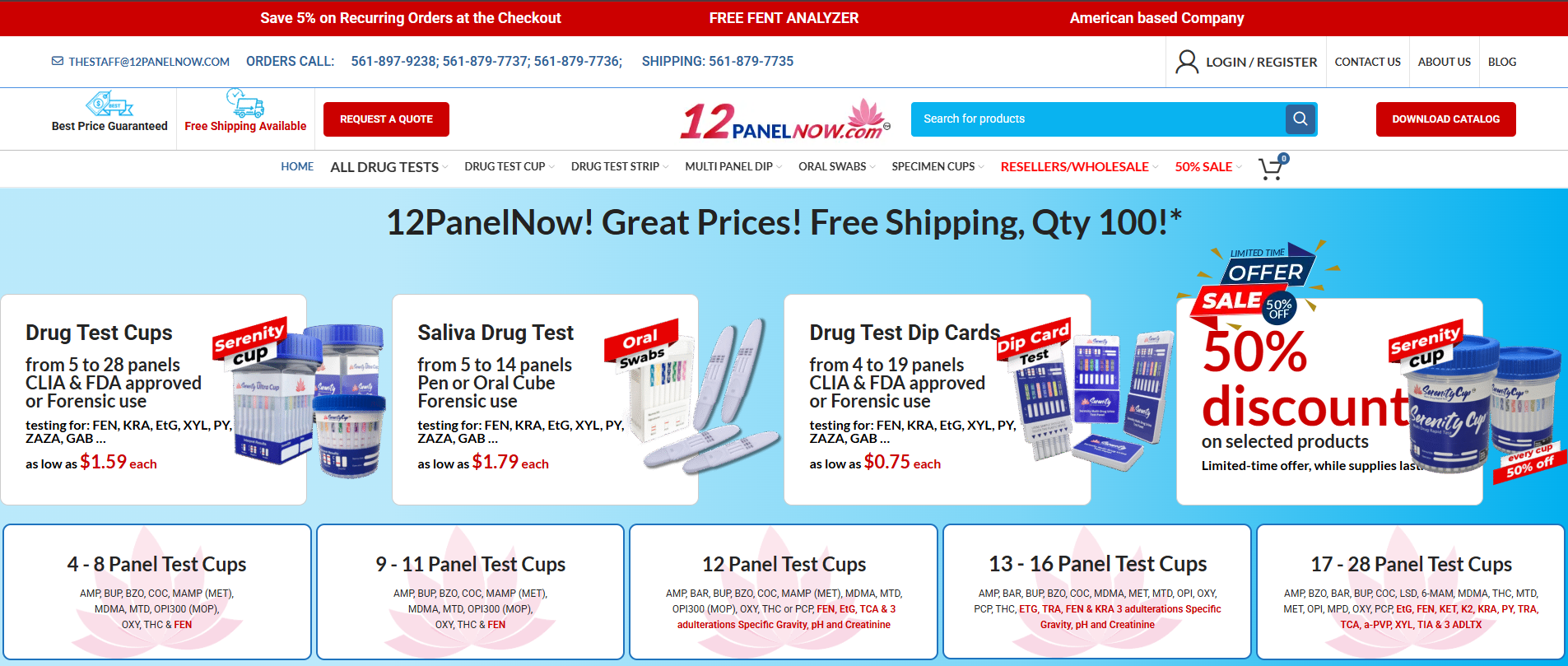
Discover a wide selection of trusted drug test kits and essential resources at 12 Panel Now. Whether you are setting up pre-employment screening or conducting random tests, our products align with the best practices discussed in the Complete Drug Test Knowledge Base – 12 Panel Now. Get answers to your pressing questions in our Drug Testing FAQs: Unravel the Mysteries about Drug Testing. Don’t wait to build a safer, more transparent workplace — explore our offerings today at 12 Panel Now and take control of your drug testing program with confidence.
Frequently Asked Questions
What are the key components of a comprehensive employee drug testing policy?
A comprehensive employee drug testing policy should include prohibited behaviors, testing procedures, and consequences for violations. Define specific testing scopes such as pre-employment, random, and post-accident testing to ensure clarity and safety.
How do I choose the right drug testing kits for my workplace?
When selecting drug testing kits, consider test panel coverage, detection windows, collection methods, and accuracy ratings. Aim to choose kits that balance thoroughness with respect for employee privacy, ensuring compliance with legal standards.
What training should staff receive on drug testing collection procedures?
Staff should receive training on confidentiality protocols, specimen collection methods, documentation requirements, and chain of custody handling. Conducting role-playing exercises can enhance their preparedness and professionalism in executing these procedures.
How do I maintain chain of custody documentation for drug tests?
Maintain chain of custody documentation by capturing specimen identification, collection details, personnel information, and transfer logs. This meticulous record-keeping helps ensure the integrity and legality of your drug testing process, protecting both the employer and employee.
What measures should I take to ensure employee confidentiality during drug testing?
Implement measures such as limited access to test results, secure storage of records, formal consent protocols, and sharing information only on a need-to-know basis. Prioritizing confidentiality helps foster trust and respect in your workplace while staying compliant with legal requirements.
How often should I review and update my drug testing protocols?
Review and update your drug testing protocols at least annually to ensure they align with legal changes, technological advancements, and best practices. Regular updates safeguard your program’s effectiveness and demonstrate your commitment to a safe, compliant workplace.
Recommended
- Workplace Drug Testing Checklist: 8 Essential Steps – 12PanelNow | 12 Panel Drug Test | Free Shipping
- 7 Best Practices for Drug Testing Every Organization Should Know – 12PanelNow | 12 Panel Drug Test | Free Shipping
- Ultimate Guide to Custom Drug Panels – 12PanelNow | 12 Panel Drug Test | Free Shipping
- Substance Abuse vs. Workplace Productivity: Key Insights – 12PanelNow | 12 Panel Drug Test | Free Shipping