How to Conduct Drug Testing: Step-by-Step Guide for 2025

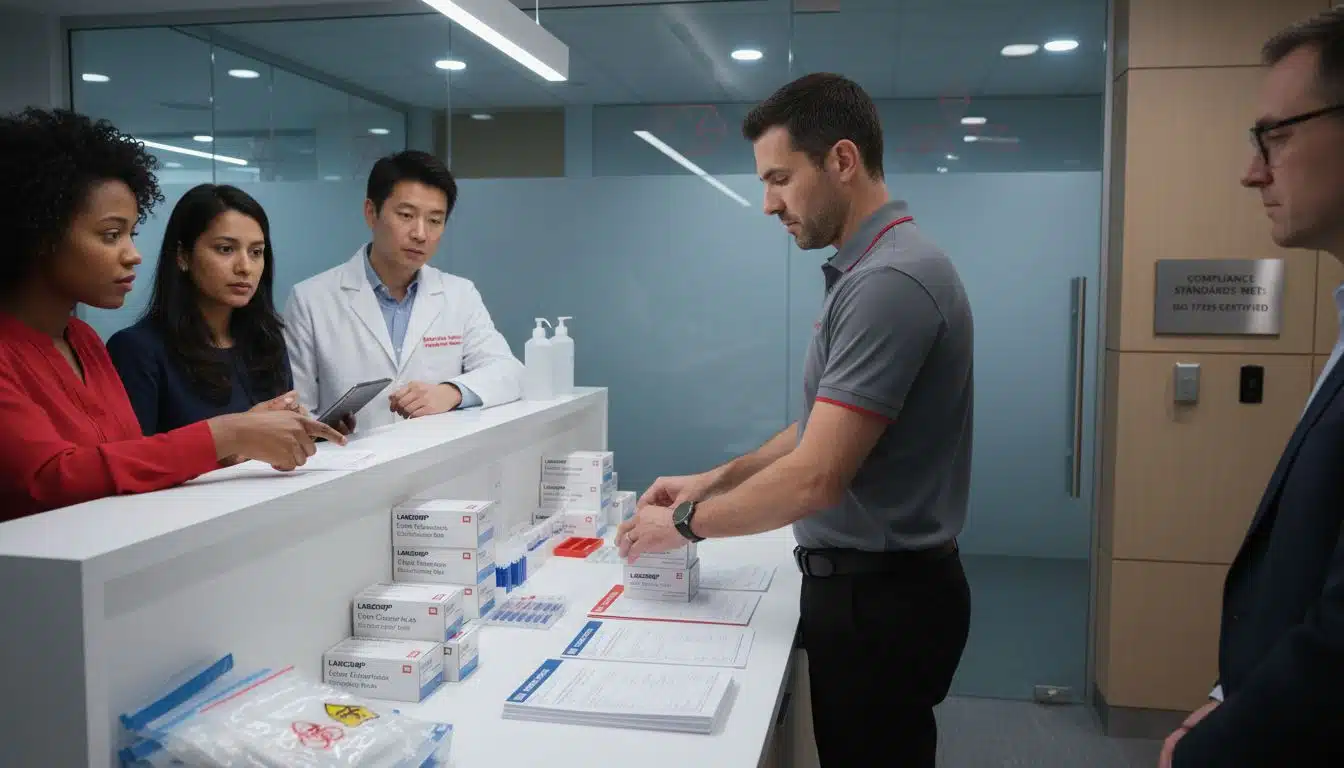
Mistakes in workplace drug testing can lead to serious consequences, including legal challenges and compromised safety. Nearly 40 percent of drug tests are thrown out due to improper procedures or inaccurate supplies. Following the right steps protects your business and upholds employee trust. This guide breaks down the entire drug testing process so you can confidently manage everything from choosing supplies to interpreting results.
Table of Contents
- Step 1: Choose The Appropriate Drug Testing Supplies
- Step 2: Set Up The Testing Area And Gather Materials
- Step 3: Collect And Label The Specimen Correctly
- Step 4: Administer The Drug Test According To Instructions
- Step 5: Interpret And Verify The Test Results
- Step 6: Dispose Of Materials And Document The Process
Quick Summary
| Key Point | Explanation |
|---|---|
| 1. Select proper drug testing supplies | Choose supplies based on specific testing needs and ensure compliance with regulations for accurate results. |
| 2. Prepare a secure testing environment | Set up a clean, private space to collect specimens, minimizing contamination risks and ensuring participant comfort. |
| 3. Conduct thorough specimen collection | Follow detailed protocols for specimen collection, including proper labeling to maintain integrity and facilitate verification. |
| 4. Administer tests according to guidelines | Ensure that testing procedures are clear and followed strictly, promoting participant understanding and comfort throughout the process. |
| 5. Document procedures and dispose materials properly | Maintain complete records of each step and dispose of materials according to safety regulations to ensure compliance and safety. |
Step 1: Choose the appropriate drug testing supplies
Selecting the right drug testing supplies is critical for accurate and legally defensible screening. According to the Department of Transportation, your testing approach will depend on the specific type of drug screening you plan to conduct.
When choosing drug testing supplies, you need to consider several key factors. The Substance Abuse and Mental Health Services Administration recommends evaluating your specific testing requirements first. These may include determining whether you need urine tests, oral fluid tests, or other screening methods. Each type of test requires different collection devices and materials.
For most professional settings, you will want to focus on comprehensive panel tests that screen for multiple substances. Look for supplies that include:
- Clean collection containers
- Secure specimen transport bags
- Chain of custody documentation forms
- Tamper evident seals
- Testing strips or cassettes with clear result indicators
Always verify that your chosen supplies meet federal and state regulatory standards. Quality testing supplies ensure reliable results and protect both the testing organization and the individuals being screened. Choosing the Right Drug Test: Essential Tips for Accurate Results can provide additional guidance on making the best selection.
In the next step, you will learn how to prepare your testing environment and equipment for accurate specimen collection.
Step 2: Set up the testing area and gather materials
Preparing a professional drug testing environment requires careful attention to detail and specific organizational protocols. According to the U.S. Anti-Doping Agency, establishing a secure and private testing area is fundamental to maintaining the integrity of the drug screening process.
The testing area should be clean, well-lit, and designed to ensure participant privacy and comfort. The Department of Transportation recommends selecting a space that minimizes potential contamination and allows for proper specimen handling. Your setup should include a dedicated table or workspace with the following materials:
- Sterile collection containers
- Disposable gloves
- Sanitizing wipes
- Clipboards with chain of custody forms
- Pens with permanent ink
- Sealed specimen packaging materials
- Temperature measurement devices
Ensure the area has good lighting, a washbasin for hand hygiene, and a secure location to store collected specimens. Create a barrier or privacy screen to protect the participant during sample collection. Chain of Custody Checklist for Emergency Drug Testing can provide additional guidance on maintaining proper documentation and sample integrity.
Once your testing area is prepared, you will be ready to move forward with specimen collection and initial documentation.
Step 3: Collect and label the specimen correctly
Proper specimen collection and labeling are critical to maintaining the integrity and reliability of drug testing results. According to the U.S. Anti-Doping Agency, meticulous attention to detail during the collection process prevents potential errors and ensures legal defensibility.
The Department of Transportation provides comprehensive guidelines for precise specimen collection. When collecting a sample, follow these key steps carefully:
- Ask the participant to wash their hands before specimen collection
- Use clean gloves and sterile collection containers
- Observe the collection process to prevent tampering
- Confirm the specimen meets minimum volume requirements
- Document the collection time and participant details
Careful labeling is equally important. Each specimen container must include:
- Unique identification number
- Date and time of collection
- Collector’s initials
- Participant identification information
After collection, immediately secure the specimen and complete the chain of custody form. Best Practices for Storing Oral Fluid Samples offers additional insights into proper sample management. Maintain strict protocols to preserve sample integrity and prevent potential contamination.
With the specimen collected and labeled, you are now ready to prepare it for laboratory analysis.
Step 4: Administer the drug test according to instructions
Administering a drug test requires precision and adherence to strict professional protocols. The Department of Transportation provides comprehensive guidelines to ensure accurate and compliant testing procedures.
The Substance Abuse and Mental Health Services Administration recommends following a systematic approach when conducting drug tests. Begin by reviewing the testing instructions carefully and explaining the process to the participant. Ensure they understand each step and feel comfortable with the procedure:
- Verify the participant’s identity using official documentation
- Explain the testing process and obtain informed consent
- Demonstrate proper specimen collection technique
- Provide clear instructions about privacy and observation protocols
- Confirm the participant understands the testing procedure
Pay close attention to maintaining a neutral and professional demeanor throughout the testing process. Avoid making participants feel uncomfortable or judged.
Workplace Drug Testing Checklist: 8 Essential Steps can provide additional guidance on creating a respectful testing environment.
With the test administered according to instructions, you are now prepared to move forward with specimen processing and documentation.
Step 5: Interpret and verify the test results
Interpreting drug test results requires precision and a thorough understanding of professional verification protocols. The Substance Abuse and Mental Health Services Administration emphasizes the critical role of accurate result interpretation in maintaining workplace safety and legal compliance.
The Department of Transportation provides comprehensive guidelines for verifying test outcomes. When reviewing results, follow these essential steps:
- Compare the test results against established screening thresholds
- Confirm the chain of custody documentation is complete
- Check for any potential contamination or collection irregularities
- Validate the test using approved laboratory confirmation methods
- Distinguish between presumptive and confirmed positive results
Careful interpretation is crucial. Preliminary positive results require additional confirmatory testing before any definitive actions are taken. Look for consistent patterns and ensure all documentation supports the findings. False positives can occur, so professional scrutiny is essential.
Recommend consulting with a Medical Review Officer for complex or ambiguous results. This additional expert review helps ensure the most accurate and fair interpretation of drug test outcomes.
Step 6: Dispose of materials and document the process
Proper disposal of testing materials and comprehensive documentation are critical final steps in the drug testing process. The Department of Transportation provides strict guidelines to ensure safe and compliant material disposal.
The Substance Abuse and Mental Health Services Administration emphasizes the importance of meticulous documentation. Begin by securely disposing of used collection materials through these systematic steps:
- Separate biohazardous materials into designated containment bags
- Use approved medical waste disposal containers
- Sanitize all work surfaces thoroughly
- Destroy any temporary documentation with personal information
- Seal and label waste containers according to safety regulations
Complete the chain of custody form with precise and accurate information. Document every step of the testing process including collection time collection method test results and any observations. This comprehensive record protects both the testing organization and the individual being tested.
With materials properly disposed and documentation completed you have successfully concluded the drug testing process.
Simplify Your Drug Testing Process with Trusted Supplies
Conducting drug testing involves many detailed steps such as choosing the right supplies, preparing a proper testing area, and correctly collecting and labeling specimens. The stakes are high—you need accuracy, compliance, and reliable results every time. Feeling overwhelmed by all the necessary protocols can be frustrating and stressful. That is why using high-quality, compliant drug testing tools is critical to meeting your professional standards with confidence.
Take control of your drug screening process today by exploring our selection at Drug Test – 12PanelNow | 12 Panel Drug Test | Free Shipping. You can also deepen your understanding of best practices through our Complete Drug Test Knowledge Base – 12 Panel Now. Whether you are setting up a workplace screening or a clinical environment, 12 Panel Now provides trusted supplies designed to support every step outlined in the 2025 guide. Visit 12 Panel Now now to equip yourself with dependable tools and streamline your testing with ease.
Frequently Asked Questions
How do I choose the right supplies for drug testing?
Selecting the right drug testing supplies depends on the type of screening you plan to conduct. Focus on comprehensive panel tests that include clean collection containers, tamper evident seals, and documentation forms, ensuring they comply with regulatory standards.
What steps are involved in setting up a drug testing area?
To set up a proper drug testing area, select a clean, private space with adequate lighting and necessary materials such as sterile collection containers, disposable gloves, and chain of custody forms. Ensure the environment promotes participant privacy and prevents contamination during the testing process.
How can I ensure the specimen collection is conducted properly?
Proper specimen collection involves using clean gloves, sterile containers, and verifying participant identity. Document the collection time and participant details immediately to maintain the test’s integrity and ensure legal defensibility.
What should I do if the drug test results are positive?
If a drug test returns positive results, confirm the findings with a Medical Review Officer and conduct further confirmatory testing. Ensure you have comprehensive documentation to support the process before taking any definitive actions.
How should I dispose of testing materials after the process?
Dispose of testing materials by separating biohazardous items into designated containers and sanitizing all work surfaces thoroughly. Label waste accordingly and ensure compliance with safety regulations to protect everyone involved in the process.
What documentation is necessary throughout the drug testing process?
Complete documentation includes chain of custody forms, collection time, method, and participant information. Maintain records of any observations or abnormalities during the process to protect the rights of both the testing organization and the individual tested.
Recommended
- Workplace Drug Testing Checklist: 8 Essential Steps – 12PanelNow | 12 Panel Drug Test | Free Shipping
- 7-Step Employee Drug Testing Checklist for Workplaces – 12PanelNow | 12 Panel Drug Test | Free Shipping
- 7 Best Practices for Drug Testing Every Organization Should Know – 12PanelNow | 12 Panel Drug Test | Free Shipping
- Ultimate Guide to Custom Drug Panels – 12PanelNow | 12 Panel Drug Test | Free Shipping