False Positives in Drug Testing – Impact on Rehab Centers

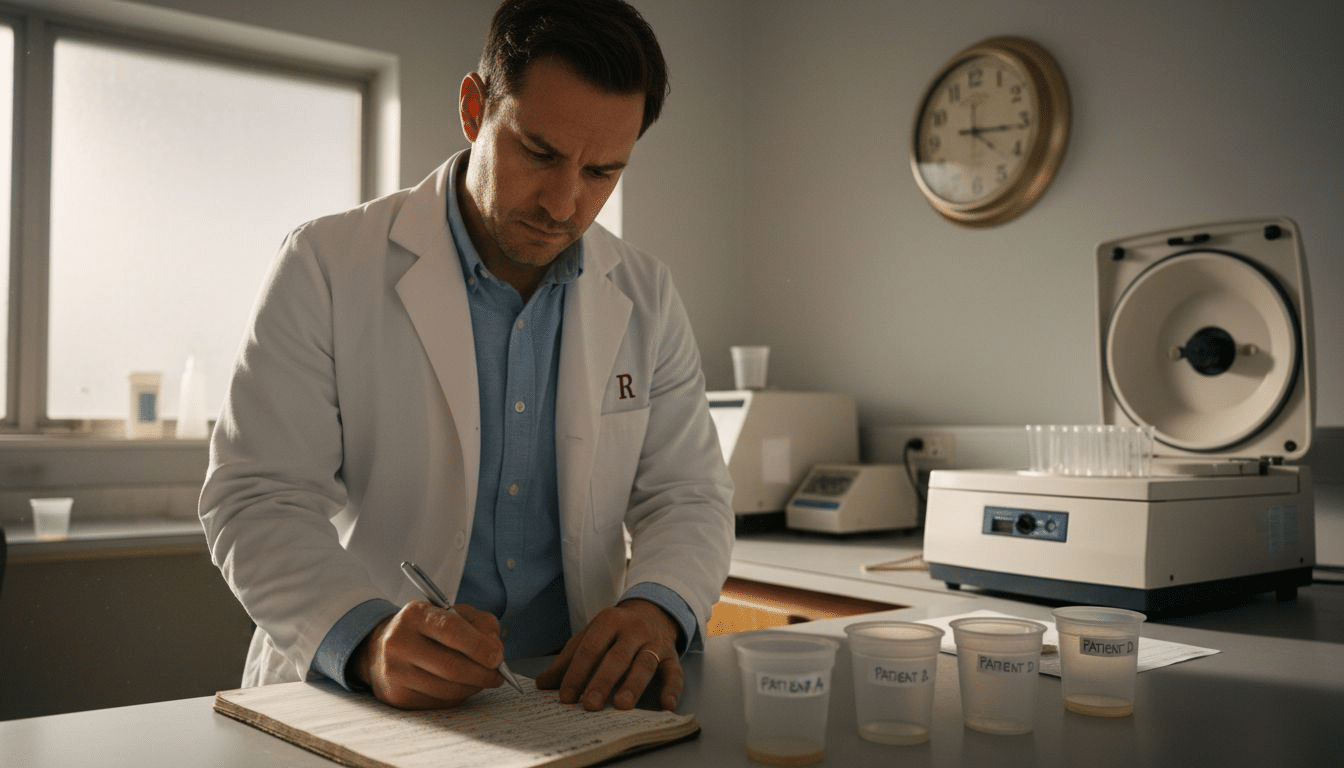
A single confusing drug test result can disrupt a patient’s recovery journey, raising questions that demand immediate answers. For American rehabilitation providers, understanding the science behind false positives is vital for both clinical accuracy and maintaining patient trust. This overview gives practical insight into why false positives occur, the role of confirmatory testing, and how improved protocols can protect treatment integrity in drug and alcohol rehabilitation settings.
Table of Contents
- What Is a False Positive in Drug Testing
- Common Causes of False Positive Results
- Types of Drugs Likely to Cause False Positives
- Impact on Patient Care and Compliance
- Reducing Risks and Preventing False Positives
Key Takeaways
| Point | Details |
|---|---|
| Understanding False Positives | False positives in drug testing can arise from various factors, impacting treatment plans and patient trust. |
| Importance of Confirmatory Testing | Confirmatory testing is essential for accurate diagnosis and preventing misinterpretation of results. |
| Sources of False Positives | Prescription medications, over-the-counter drugs, and certain foods can mistakenly trigger positive drug test results. |
| Strategies for Prevention | Implementing comprehensive patient reviews and advanced testing methods can significantly reduce the risk of false positives. |
What Is a False Positive in Drug Testing
A false positive in drug testing occurs when a screening test incorrectly indicates the presence of a specific drug in a biological sample, despite no actual drug use. These inaccurate results can arise from various factors that trigger a misleading chemical reaction in drug screening methods.
False positives are complex diagnostic errors that can happen during initial immunoassay screening tests, which use antibodies to detect drug molecules. These tests are designed to be sensitive but not always specific, meaning they might react to chemically similar substances beyond the targeted drug. Common scenarios leading to false positives include:
- Prescription medication interactions
- Over-the-counter drug interference
- Certain foods or supplements
- Naturally occurring metabolic compounds
- Cross-reactivity with similar molecular structures
Rehabilitation centers must understand that false positives are not just statistical anomalies but significant challenges that can dramatically impact patient treatment plans and personal trust. Confirmatory testing becomes critical in verifying initial screening results and preventing potential misdiagnosis.
False positive drug tests can create substantial emotional and professional consequences for individuals undergoing rehabilitation.
The scientific process for identifying false positives typically involves a two-step verification approach. Initial immunoassay screening is followed by more precise confirmation techniques like gas chromatography-mass spectrometry (GC-MS), which provide definitive chemical identification.
Here is a summary of confirmation testing methods and their roles in drug screening:
| Method | Description | Benefit to Patient Care |
|---|---|---|
| Immunoassay Screening | Initial rapid antibody-based screen | Quick, low-cost preliminary check |
| Gas Chromatography-Mass Spectrometry | Advanced, highly specific analysis | Definitive identification, reduces misdiagnosis |
| High-Performance Liquid Chromatography | Separates and identifies compounds | Useful for complex or uncommon cases |
Pro tip: Always recommend confirmatory testing before making clinical decisions based on initial drug screening results.
Common Causes of False Positive Results
False positive drug test results stem from complex interactions between screening methods and various substances. Drug screening immunoassays can produce inaccurate outcomes due to molecular similarities and cross-reactivity, creating significant challenges for rehabilitation centers and medical professionals.
Multiple categories of substances can trigger false positive results, including:
- Prescription medications
- Over-the-counter pharmaceutical products
- Herbal supplements and vitamins
- Common food items
- Personal care products
- Underlying medical conditions
Specific examples demonstrate how seemingly unrelated substances can cause misleading test results. Pseudoephedrine, a common cold medication, might register as an amphetamine. Certain antidepressants can be mistaken for benzodiazepines, while poppy seed consumption could potentially indicate opiate use.
False positive results can create substantial emotional and professional complications for patients seeking rehabilitation services.
Rehabilitation centers must implement rigorous verification protocols to prevent misdiagnosis. Confirmatory testing using advanced techniques like gas chromatography-mass spectrometry provides definitive chemical identification, ensuring accurate patient assessment and treatment planning.
Pro tip: Implement a comprehensive review process that includes medical history assessment and confirmatory testing before making treatment decisions based on initial screening results.
Types of Drugs Likely to Cause False Positives
Drug screening procedures can produce misleading results across multiple medication categories. Amphetamine immunoassays frequently demonstrate complex cross-reactivity with various substances, creating significant challenges for accurate diagnostic interpretation.
Multiple drug categories are prone to generating false positive results:
- Antidepressant medications
- Cold and allergy treatments
- Antibiotics
- Pain management pharmaceuticals
- Herbal supplement compounds
- Psychiatric medication
- Hormone replacement therapies
Specific medications known to trigger false positives include pseudoephedrine, which can register as an amphetamine, and certain antidepressants like bupropion that might mimic benzodiazepine signatures. Antibiotics such as rifampin and medications for Parkinson’s disease can also produce unexpected screening outcomes.
False positive results can dramatically alter patient treatment protocols and psychological well-being.
Confirmatory testing remains the gold standard for distinguishing between actual drug use and medication-induced screening anomalies. Advanced analytical techniques like gas chromatography-mass spectrometry provide definitive chemical identification, protecting patients from potential misdiagnosis.
Pro tip: Develop a comprehensive medication review protocol that systematically cross-references patient prescriptions with potential immunoassay interference factors.
Impact on Patient Care and Compliance
False positive drug test results can create profound disruptions in substance abuse treatment, potentially undermining the entire rehabilitation process. Drug testing consequences extend far beyond simple screening, affecting patients’ psychological well-being, treatment access, and long-term recovery trajectories.
The potential negative impacts of false positive results include:
- Unwarranted program dismissal
- Loss of treatment privileges
- Damaged therapeutic relationships
- Psychological trauma and mistrust
- Potential legal and professional repercussions
- Interruption of continuous care
- Diminished patient motivation
Rehabilitation centers must recognize that incorrect drug screening results can trigger cascading negative consequences. A single false positive might lead to premature discharge, which disrupts carefully constructed treatment plans and potentially pushes vulnerable patients away from critical support systems.
Misinterpreted drug test results can transform a healing environment into a punitive one, undermining the fundamental goals of rehabilitation.
Comprehensive verification protocols are essential to mitigate these risks. By implementing rigorous confirmatory testing and maintaining open communication with patients, rehabilitation centers can preserve trust and ensure accurate, compassionate treatment approaches.
Pro tip: Establish a transparent review process that allows patients to provide context and documentation before making any treatment-altering decisions based on initial screening results.
Reducing Risks and Preventing False Positives
Mitigating false positive risks requires a comprehensive, multi-layered approach that integrates scientific precision with clinical expertise. Drug testing modifications can significantly enhance screening accuracy and reliability in rehabilitation settings.
Key strategies for preventing false positives include:
- Implementing advanced confirmatory testing
- Documenting comprehensive patient medical histories
- Training staff on potential interference factors
- Using multiple screening methodologies
- Maintaining rigorous sample collection protocols
- Developing clear review and verification procedures
- Utilizing sophisticated analytical techniques
Rehabilitation centers must adopt a holistic approach that goes beyond initial screening. This involves understanding the complex biochemical interactions that can trigger false positives and developing nuanced protocols that protect patient integrity and treatment continuity.
Precision in drug screening is not just about technology, but about maintaining human dignity and trust in the rehabilitation process.
Confirmatory testing remains the gold standard for eliminating false positive risks. Techniques like gas chromatography-mass spectrometry provide definitive chemical identification, allowing healthcare providers to make informed, accurate decisions about patient treatment plans.
The following table highlights strategies for minimizing false positives in rehabilitation settings:
| Strategy | Implementation Example | Outcome Achieved |
|---|---|---|
| Comprehensive Patient History | Interview and medication review | Identifies sources of interference |
| Staff Training | Regular workshops on drug testing | Fewer sample processing errors |
| Multiple Testing Methods | Use of two or more technologies | Cross-verification improves accuracy |
| Patient Communication | Open discussions on results | Builds trust, reduces anxiety |
Pro tip: Create a standardized workflow that mandates clinical review and patient consultation before making any treatment-altering decisions based on initial drug screening results.
Ensure Accurate Drug Screening with Trusted Supplies from 12 Panel Now
False positive results in drug testing present a serious challenge for rehabilitation centers. These misleading outcomes can disrupt patient care, damage trust, and alter treatment plans unfairly. The article emphasizes the critical need for reliable testing methods, comprehensive patient history reviews, and confirmatory testing to avoid costly mistakes. If your facility is committed to minimizing these risks, having access to high-quality, dependable drug testing supplies is essential.
12 Panel Now offers a full range of trusted drug testing supplies designed to support healthcare professionals and rehab centers striving for precision and accuracy. By equipping your team with the right screening tools, you can reduce the chance of false positives and help protect patient dignity. Our supplies are crafted to complement confirmatory testing protocols and rigorous screening processes highlighted in the article.
Take control of your drug screening accuracy today. Visit 12 Panel Now to explore our selection of reliable products and empower your staff with quality supplies that meet the demands of precise drug testing. Don’t let false positives undermine your rehabilitation efforts. Act now to enhance testing confidence and patient care.
Frequently Asked Questions
What are false positives in drug testing?
A false positive in drug testing occurs when a screening test incorrectly indicates the presence of a specific drug in a biological sample, despite no actual drug use.
What causes false positive results in drug tests?
False positive results can be caused by prescription medications, over-the-counter drugs, herbal supplements, certain foods, personal care products, and underlying medical conditions. These substances may trigger misleading reactions during screening.
How can rehabilitation centers mitigate false positives?
Rehabilitation centers can mitigate false positives by implementing advanced confirmatory testing, documenting comprehensive patient medical histories, training staff on potential interference factors, and maintaining rigorous sample collection protocols.
Why is confirmatory testing important in drug testing?
Confirmatory testing is essential because it uses more precise methods, such as gas chromatography-mass spectrometry, to accurately identify substances and reduce the risk of misdiagnosis from initial screening results.
Recommended
- Study: Drug Testing’s Impact on Long-Term Sobriety – 12PanelNow | 12 Panel Drug Test | Free Shipping
- 7 Essential Drug Testing Facts for Rehab Centers
- How Substance Abuse Impacts Patient Safety – 12PanelNow | 12 Panel Drug Test | Free Shipping
- What Is a False Positive Drug Test? Complete Guide