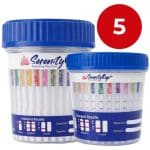
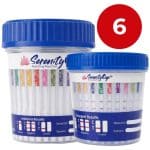
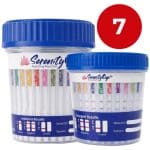
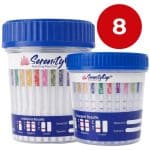
Workplace Drug Testing: Confirm 21 Substances & Prevent Tampering with Integrated Adulteration Checks.


Workplace drug testing has changed. Employers are no longer screening for only a short list of traditional substances. Many programs now need to account for emerging drugs, synthetic compounds, alcohol markers, and attempts to tamper with samples. An outdated screening approach can leave serious gaps.
At 12 Panel Now, we believe workplace testing should be broader, more practical, and easier to manage. When safety, compliance, productivity, and liability are at stake, organizations need tools that do more than cover a few common substances. They need a test cup that screens across a wide panel while also helping flag adulterated samples before they compromise the process.
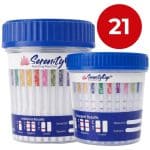
A 21-panel drug test cup with integrated adulteration checks delivers that advantage. It supports fast screening, broad coverage, and greater confidence in the result in one format built for busy employers, staffing agencies, treatment settings, and occupational health workflows.
Why workplace drug testing requires broader coverage
Traditional drug screening panels still matter, but the substance landscape has expanded. Alongside familiar drugs of abuse, many workplaces now want visibility into newer or less commonly screened substances that can still affect attendance, behavior, reaction time, judgment, and overall safety.
A broad-spectrum drug test cup reduces uncertainty by screening multiple categories in a single collection. Instead of relying on a limited panel and hoping it covers current risks, administrators can use a more comprehensive option that better matches today’s testing needs.
This approach is especially useful in environments where impairment creates higher risk, such as:
- Transportation and logistics
- Construction and skilled trades
- Warehousing and manufacturing
- Staffing and high-turnover hiring
- Clinical and treatment settings
- Government and contracted workforces
In these settings, a broader panel can improve screening effectiveness and provide a stronger first step in the decision-making process.
The value of confirming 21 substances in one cup
One of the biggest advantages of a 21-panel cup is efficiency. Instead of managing multiple tests or worrying that your panel may miss substances of concern, one integrated device can simplify collection and reduce operational friction.
A comprehensive cup can screen for a wide range of analytes, including high-interest and emerging categories such as psilocybin, kratom, xylazine, K2/spice, tramadol, ketamine, fentanyl, and EtG, while also including adulteration checks. That combination matters because it addresses two priorities at once: substance detection and sample integrity.
For employers, this means:
- Less complexity during collection
- Faster screening at the point of care or onsite
- Less need to manage separate tests
- Better visibility into potential substance use patterns
- More confidence that the sample has not been altered
When your testing program needs to move quickly without losing visibility, a 21-panel cup offers a practical balance of convenience and scope.
Emerging substances employers can no longer ignore
Drug trends change, and workplace testing programs have had to keep up. Several substances now getting more attention can be missed if your current panel is too limited.
Psilocybin
As public discussion around psychedelic substances has grown, psilocybin has become more relevant in some testing environments. Even where laws and policies vary, employers in safety-sensitive settings may still need screening options that match workplace standards.
Kratom (KRA)
Kratom is often marketed as an herbal product, but its effects and misuse potential make it a concern in many professional settings. Organizations that want a clearer picture of employee substance use risk may benefit from including kratom on a broader panel.
Xylazine
Xylazine has become a growing concern because of its presence in illicit drug mixtures. In testing environments where emerging compounds matter, adding xylazine to the panel can close an important gap.
K2/Spice
Synthetic cannabinoids remain relevant because they can be unpredictable and may not show up on standard THC-only tests. A cup that includes K2 helps employers look beyond conventional cannabis screening.
Tramadol and Ketamine
Prescription and clinical-use substances can also create workplace concerns when misused. Tramadol and ketamine may affect cognitive and physical performance, making them valuable additions to a more comprehensive testing program.
Fentanyl
Fentanyl remains one of the most urgent substances in drug testing because of its potency and prevalence. Including fentanyl on a panel can strengthen an employer’s ability to identify serious risk early.
EtG
EtG testing adds another layer by screening for alcohol exposure over a longer window than immediate breath alcohol methods. For certain workplace programs, that can be a useful complement to standard drug screening.
These substances show why many organizations are moving beyond basic panels. The workplace risks tied to impairment, misuse, and hidden exposure are too significant to rely on narrow screening alone.
Why adulteration checks are essential
Substance detection is only part of a trustworthy testing process. Sample tampering remains a persistent challenge in workplace testing, especially when individuals try to dilute, substitute, or chemically alter urine to affect the outcome. Without adulteration checks, even a broad panel can be undermined by an invalid specimen.
Integrated adulteration testing helps identify signs that a sample may not be suitable for interpretation. That can include indicators of abnormal sample characteristics or the presence of agents intended to interfere with the chemistry of the test.
For employers and administrators, built-in adulteration checks offer several advantages:
- They support sample integrity at the time of collection
- They help identify suspicious specimens quickly
- They reduce the chance of relying on compromised results
- They improve consistency in workplace testing protocols
- They help protect the credibility of your program
In practical terms, adulteration checks are a safeguard. They help make sure the result reflects the specimen provided, not a manipulated sample meant to evade detection.

How integrated cups improve workflow
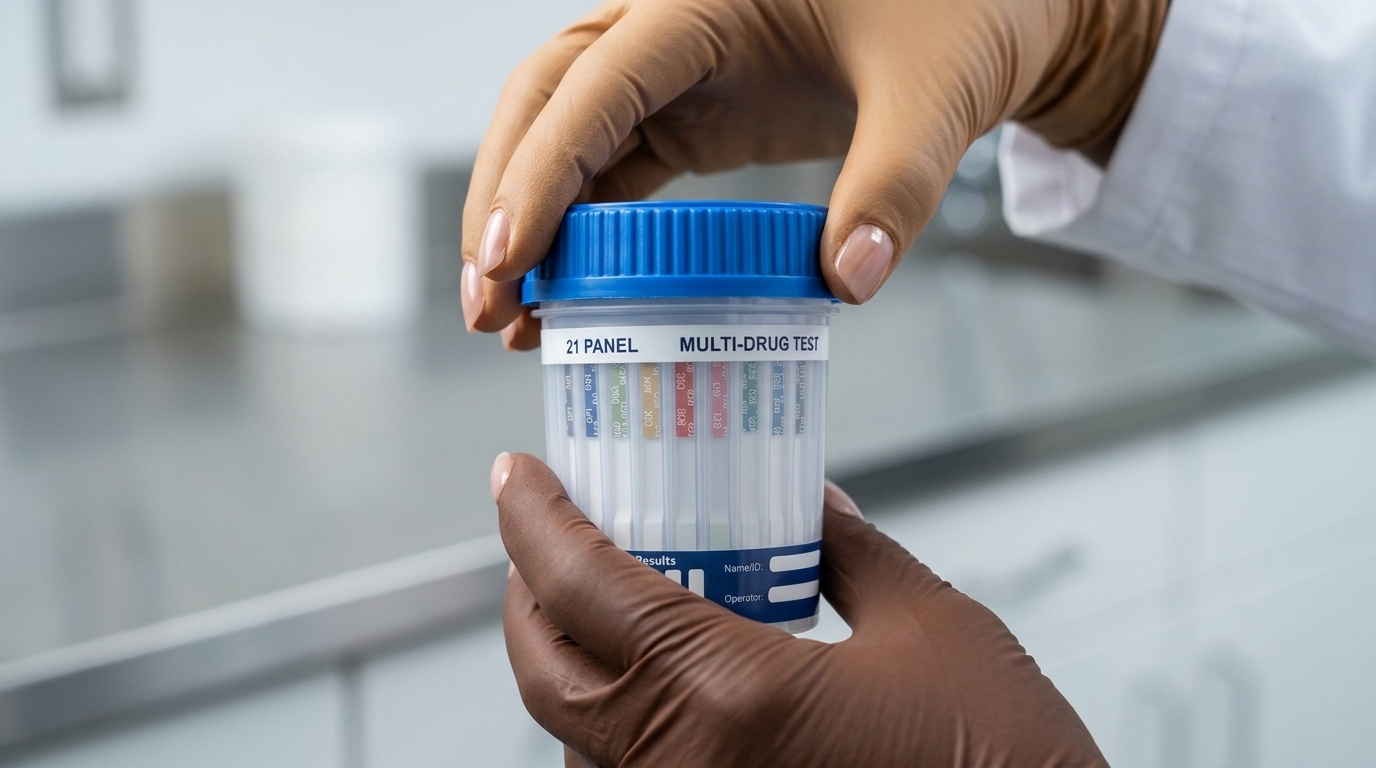
Workplace testing programs often run under time pressure. Hiring decisions need to move, post-incident protocols cannot stall, and reasonable suspicion or random testing depends on a process that is efficient and manageable. A test cup that combines broad drug screening with adulteration checks helps streamline those demands.
Instead of piecing together separate components, collectors can use a single device designed to simplify the screening event. That can help with:
- Reducing collection errors
- Improving turnaround at the collection site
- Making staff training easier
- Supporting standardized handling procedures
- Increasing convenience for both administrators and donors
For organizations running high-volume screening, these workflow gains add up quickly. A cup that is easy to use and broad in scope can help maintain consistency without making the process harder than it needs to be.
Supporting safer workplaces and better decision-making
Drug testing is not just about enforcing policy. It also supports safer work environments, reduces risk exposure, and helps employers make informed decisions with reliable tools. When testing programs lack breadth or specimen integrity controls, they can produce incomplete information when clarity matters most.
A more complete test cup strengthens an employer’s approach in several ways:
Improved hiring confidence: Pre-employment screening becomes more informative when the panel reflects current substance concerns.
Stronger post-incident response: After an accident or safety event, broader testing can provide more meaningful insight.
Better deterrence: Employees are less likely to attempt misuse or tampering when the program clearly uses comprehensive screening tools.
Program credibility: Broad panels with adulteration checks show that an employer takes consistency and integrity seriously.
Better tools support better outcomes, whether your organization is screening one applicant or managing a large testing program across multiple sites.
Choosing the right test cup for your workplace program
When evaluating workplace drug testing products, it helps to look beyond panel count alone. The right device should match your organization’s operational needs, risk profile, and testing goals.
Key considerations include:
- Substance coverage: Does the cup include both standard and emerging drugs relevant to your environment?
- Adulteration checks: Does it help identify tampered or invalid specimens?
- Ease of use: Can staff administer it efficiently with minimal confusion?
- Speed: Does it support timely screening decisions?
- Value: Can you get broad coverage at a cost that fits your program?
Cost matters, especially for high-volume buyers, but value is about more than price per unit. A low-cost cup that includes advanced substance coverage and adulteration screening can reduce added steps, extra devices, and avoidable uncertainty.
That is why many organizations look for solutions that expand screening capability without increasing operational burden.
The 12 Panel Now advantage
At 12 Panel Now, we focus on practical testing solutions built for real-world demands. Buyers want more than a basic product listing. They want reliable, cost-effective options that reflect the substances and specimen issues they are actually dealing with.
Our 21-panel drug test cup is designed for customers who need expanded detection in a simple, efficient format. With coverage that includes psilocybin, kratom, xylazine, K2, tramadol, ketamine, fentanyl, EtG, and integrated adulteration checks, it supports a stronger workplace screening strategy without unnecessary complexity.
Affordability matters too. When a high-coverage cup is available at a low per-unit price, organizations can strengthen their screening programs without stretching their budget.
Conclusion
Workplace drug testing works best when it reflects current risks, supports fast administration, and helps protect against tampered specimens. A 21-panel cup with adulteration checks gives employers a more complete tool for screening a broader range of substances while improving confidence in specimen validity. For organizations ready to strengthen their testing program with expanded coverage and strong value, 21 Panel Drug Test Cup, Psilocybin, KRA, Xylazine, K2, TRA, KET, FEN, ETG & ADLTX, Low price $2.89 is a smart choice from 12 Panel Now.