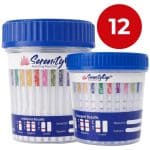
12 Panel Drug Test: Everything You Need to Know

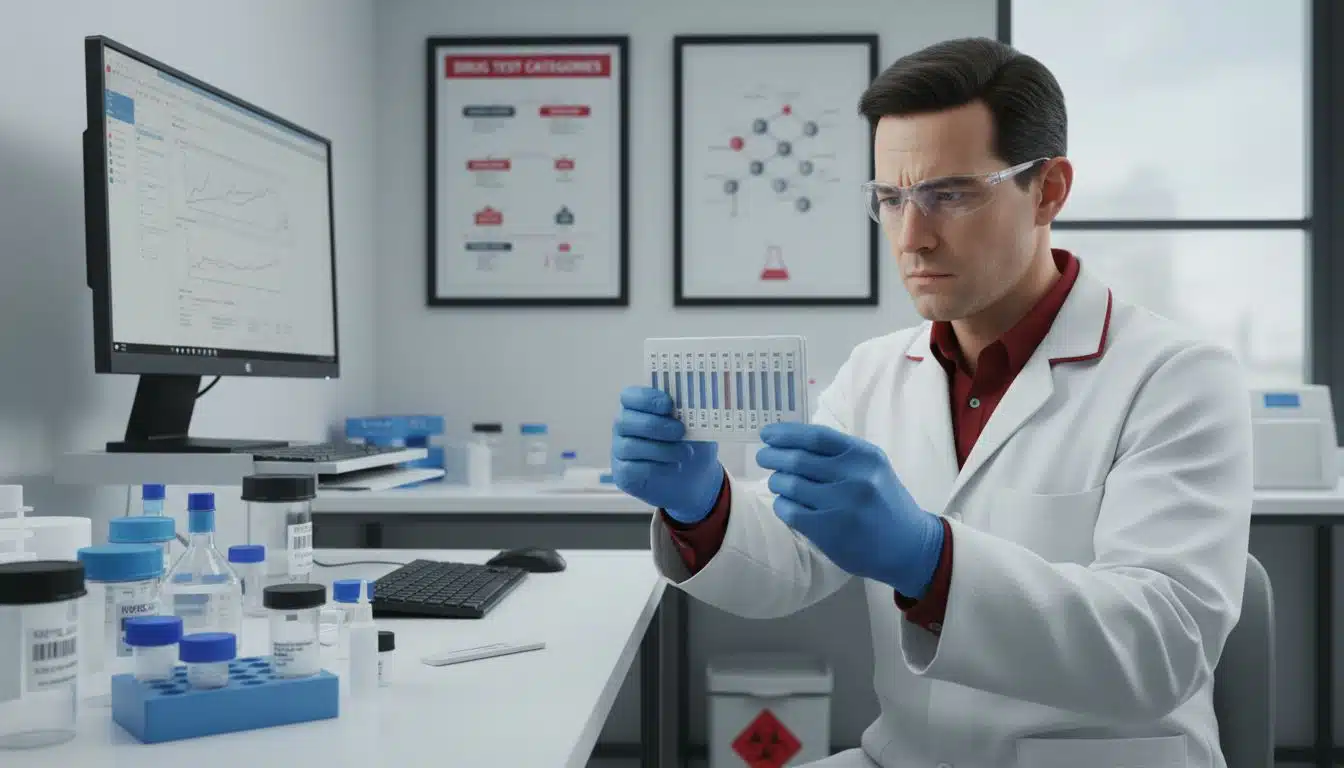
Over 50 percent of american employers now use advanced drug screening to protect workplace safety and public health. As concerns about substance use rise, understanding what a 12 panel drug test covers has never been more important. This guide breaks down how these comprehensive tests work, which substances they detect, and why they matter for anyone needing a clear assessment of drug exposure in medical, legal, or employment settings.
Table of Contents
- What Is a 12 Panel Drug Test?
- Which Substances Are Detected and Why
- How 12 Panel Drug Test Kits Work
- Applications in Clinics and Rehabilitation Centers
- Legal Guidelines and Result Interpretation
- Common Limitations and Best Practices
Key Takeaways
| Point | Details |
|---|---|
| Comprehensive Testing | A 12 panel drug test screens for twelve substances, providing a thorough assessment of potential drug use. |
| Rapid Results | Results from initial screenings are typically available within minutes, allowing for quick identification of substance use. |
| Critical Applications | Used in healthcare and workplace settings, these tests help monitor treatment compliance and detect potential relapses. |
| Limitations | Test results can have false positives and do not quantify substance presence; confirmation with lab testing is recommended. |
What Is a 12 Panel Drug Test?
A 12 panel drug test is a comprehensive screening method designed to detect the presence of twelve different substances simultaneously, providing healthcare professionals, employers, and rehabilitation centers with an extensive overview of potential drug use. This advanced testing approach goes beyond traditional drug screenings by expanding the range of detectable substances, offering a more thorough assessment of an individual’s chemical substance exposure.
The typical 12 panel drug test includes screening for both illicit drugs and prescription medications, covering a wide spectrum of potentially problematic substances. These typically include common drugs such as:- Marijuana (THC)- Cocaine- Amphetamines- Methamphetamines- Opiates- Phencyclidine (PCP)- Benzodiazepines- Barbiturates- Methadone- Ecstasy/MDMA- Oxycodone- Buprenorphine
Unlike more basic drug tests that might only identify 5 or 6 substances, the 12 panel test provides a more comprehensive chemical profile.
This makes it particularly valuable in settings like addiction treatment centers, workplace screening programs, pain management clinics, and legal compliance environments where understanding a complete substance use history is critical.
The testing process typically involves collecting a urine sample, which is then analyzed using immunoassay technology to detect the presence of these twelve different drug classes. Results are usually available within minutes for initial screening, with confirmation testing conducted through more precise methods like gas chromatography mass spectrometry (GC/MS) for any potentially positive results. Learn more about comprehensive drug screening techniques.
Which Substances Are Detected and Why
A 12 panel drug test comprehensively screens for substances that pose significant health risks and have a high potential for abuse. According to MedlinePlus, the typical 12 panel drug test identifies a range of substances including prescription medications and illicit drugs that can dramatically impact an individual’s physical and mental well-being.
The substances detected typically include critical drug categories:- Amphetamines: Stimulant drugs with high addiction potential- Barbiturates: Central nervous system depressants- Benzodiazepines: Anti-anxiety medications with abuse risks- Cannabinoids (THC): Active compounds in marijuana- Cocaine: Powerful stimulant with severe health consequences- Methadone: Synthetic opioid used in addiction treatment- Opiates: Derived from opium, including heroin and prescription painkillers- Phencyclidine (PCP): Hallucinogenic substance- Ecstasy/MDMA: Synthetic drug with psychological effects
TestGuide research highlights that these substances are included due to their substantial potential for misuse and the significant health and safety risks they present. By detecting these drugs, healthcare providers, employers, and rehabilitation centers can identify potential substance abuse issues early, enabling timely intervention and support.
Learn more about advanced drug screening techniques.
Understanding the rationale behind each detected substance is crucial. Some drugs like opiates and benzodiazepines can lead to severe physical dependence, while stimulants like cocaine and methamphetamines can cause profound psychological and physiological damage. The comprehensive nature of a 12 panel drug test allows for a holistic assessment of an individual’s potential substance use, providing critical insights for medical professionals, addiction specialists, and workplace safety managers.
How 12 Panel Drug Test Kits Work
According to Pathology research, 12 panel drug test kits utilize sophisticated immunoassay methods to detect the presence of multiple substances in a urine sample. These advanced screening tools function through a precise chemical interaction that allows healthcare professionals and employers to quickly identify potential drug use across twelve different substance categories.
The testing process involves several critical steps:
- Sample Collection: A clean urine sample is collected in a sterile container
- Immunochemical Reaction: Each panel contains specific antibodies designed to react with particular drug metabolites
- Color Indicator Response: When a drug is present, a chemical reaction produces a visible color change
- Result Interpretation: Technicians analyze the color intensity and compare it against predefined threshold levels
Modern 12 panel drug test kits are engineered for rapid and accurate screening, typically providing results within 5-10 minutes. The immunoassay technology allows for qualitative detection, meaning the test identifies whether a substance is present above a certain concentration level.
While these initial screenings are highly sensitive, positive results are usually confirmed through more advanced laboratory testing methods like gas chromatography-mass spectrometry (GC/MS) to ensure absolute accuracy. Learn more about comprehensive drug screening techniques.
The sensitivity and specificity of these test kits make them invaluable in various settings. From workplace safety protocols to addiction treatment centers, the ability to quickly and reliably screen for multiple substances provides critical insights into potential substance abuse, helping organizations make informed decisions about health, safety, and potential intervention strategies.
Applications in Clinics and Rehabilitation Centers
According to Massachusetts Health resources, 12 panel drug tests play a critical role in clinical and rehabilitation settings by providing healthcare professionals with comprehensive insights into patient substance use. These advanced screening tools are not just diagnostic instruments, but powerful strategic resources that enable targeted therapeutic interventions and personalized treatment planning.
The specific applications of 12 panel drug tests in clinical environments include:
- Treatment Compliance Monitoring: Tracking patient adherence to prescribed recovery protocols
- Relapse Detection: Identifying potential substance use during rehabilitation
- Therapeutic Adjustment: Providing objective data to modify treatment strategies
- Risk Assessment: Evaluating potential dangers and designing appropriate intervention plans
NCBI research highlights that these tests serve as objective measurement tools, offering healthcare providers immediate and accurate information about a patient’s substance use patterns. By providing timely and comprehensive feedback, clinicians can make informed decisions about treatment progression, potential medication adjustments, and ongoing support strategies. Explore comprehensive drug screening techniques.
Beyond individual patient management, 12 panel drug tests contribute to broader rehabilitation goals. They help create accountability, support transparent communication between patients and healthcare providers, and provide empirical evidence of recovery progress. These tests are particularly valuable in medication-assisted treatment programs, mental health facilities, and specialized addiction recovery centers where precise monitoring can significantly impact patient outcomes and long-term rehabilitation success.
Legal Guidelines and Result Interpretation
According to Cornell Law, legal guidelines for 12-panel drug tests are complex and require meticulous attention to specific regulatory standards. Mandatory substances for testing include marijuana metabolites, cocaine metabolites, opioids, amphetamines, phencyclidine, and alcohol, with precise protocols governing how these screenings must be conducted and interpreted.
The interpretation process involves several critical considerations:
- Cutoff Concentrations: Specific threshold levels for each substance
- Detection Windows: Varying timeframes for substance detection
- Cross-Reactivity Potential: Understanding potential interference between substances
- Confirmatory Testing: Requirement for secondary verification of positive results
SAMHSA guidelines emphasize the importance of confirmatory testing, typically using advanced methods like gas chromatography-mass spectrometry (GC-MS) to validate initial screening results. This two-step approach helps mitigate the risk of false positives and ensures legal and medical accuracy. Explore comprehensive drug screening techniques.
Legal frameworks surrounding drug testing are intricate, balancing individual privacy rights with workplace safety and medical intervention needs. Proper result interpretation requires understanding not just the technical aspects of testing, but also the broader legal and ethical implications. Organizations must navigate these complexities carefully, ensuring that drug testing procedures are conducted with scientific precision, legal compliance, and respect for individual rights.
Common Limitations and Best Practices
According to NCBI research, 12-panel drug tests, while comprehensive, come with inherent limitations that require careful consideration and strategic interpretation. Understanding these potential challenges is crucial for healthcare professionals, employers, and rehabilitation specialists to ensure accurate and fair assessment of an individual’s substance use history.
Key limitations of 12-panel drug tests include:
- False Positive Risks: Cross-reactivity with medications or dietary supplements
- Narrow Detection Windows: Varying timeframes for different substances
- Qualitative Nature: Screening provides presence/absence data, not quantity
- Metabolic Variations: Individual metabolism can impact test results
- Limited Context: Test results do not explain reasons for substance presence
Best practices for mitigating these limitations involve a comprehensive and nuanced approach. Professionals should:
- Confirm positive results with more precise laboratory testing
- Consider an individual’s medical history and current prescriptions
- Understand the specific detection windows for each substance
- Use multiple testing methods for comprehensive screening
- Maintain strict chain of custody for test samples Learn more about comprehensive drug screening techniques.
Ultimately, 12-panel drug tests are powerful tools when used with scientific rigor and compassionate understanding. They provide valuable insights, but should never be the sole basis for judgment. Contextual interpretation, combined with professional expertise and additional assessment methods, ensures a holistic and fair approach to understanding an individual’s substance use profile.
Elevate Your Drug Screening with Trusted 12 Panel Test Supplies
Understanding the importance of accurate and comprehensive drug testing is essential for healthcare, workplace safety, and rehabilitation success. This article highlights key challenges such as ensuring rapid results, avoiding false positives, and covering a broad range of substances—all critical to making informed decisions and protecting lives. The detailed knowledge you just gained about the 12 panel drug test’s capabilities and complexities can now be matched with reliable testing tools that make your screening process seamless and dependable.
At 12 Panel Now, we specialize in providing high quality drug testing supplies that empower your organization to tackle these challenges with confidence. Whether you need kits that quickly detect multiple substances or resources to deepen your understanding, we have you covered. Explore our full range of options in the Drug Test collection designed for professionals who demand precise performance every time.
Ready to enhance your drug testing program with trusted supplies and expert resources Take the next step by visiting 12 Panel Now to find everything necessary for reliable screening. For answers to your specific questions, our Drug Testing FAQs offer valuable insights. Get the tools and knowledge that help you make timely, accurate decisions today.
Frequently Asked Questions
What substances are included in a 12 panel drug test?
A 12 panel drug test typically screens for substances such as marijuana (THC), cocaine, amphetamines, methamphetamines, opiates, PCP, benzodiazepines, barbiturates, methadone, ecstasy/MDMA, oxycodone, and buprenorphine.
How does a 12 panel drug test work?
The test involves collecting a urine sample, which is then analyzed using immunoassay technology. Each panel contains specific antibodies that react with certain drug metabolites, producing a visual color change to indicate the presence of drugs.
How quickly can I expect results from a 12 panel drug test?
Results from a 12 panel drug test are typically available within 5-10 minutes for initial screenings. However, confirmatory testing using more precise methods may take longer.
What are the limitations of a 12 panel drug test?
Limitations of a 12 panel drug test include the potential for false positives due to cross-reactivity, narrow detection windows for certain substances, and the qualitative nature of the test, which indicates presence rather than quantity.
Recommended
- What Is a 12 Panel Drug Test? Complete Overview – 12PanelNow | 12 Panel Drug Test | Free Shipping
- How to Choose Multi-Panel Drug Tests: Complete Guide – 12PanelNow | 12 Panel Drug Test | Free Shipping
- 7 Key Advantages of 12 Panel Drug Tests for Organizations – 12PanelNow | 12 Panel Drug Test | Free Shipping
- The Best 12 Panel Drug Test on the Market from 12 Panel Now