What Is Xylazine and Why Testing Matters Today


Xylazine, originally developed for veterinary use, is now a growing concern in the U.S. due to its presence in illegal drugs, often mixed with opioids like fentanyl. Known as “tranq” or the “zombie drug”, it complicates overdose treatments since naloxone (Narcan) does not reverse its effects. Many users unknowingly consume xylazine, increasing health risks and making detection critical.
Key Points:
- What is Xylazine? A sedative for animals, not FDA-approved for humans, now found in illicit drugs.
- Health Risks: Overdose treatment challenges, accidental exposure, and unknown presence in drugs.
- Testing Importance: Helps healthcare providers, workplaces, and communities identify exposure.
- Detection Tools: Test strips, multi-panel drug tests, oral fluid tests, and lab-based toxicology.
Organizations like 12PanelNow provide xylazine-specific test strips and multi-panel tests, ensuring accurate detection. Early testing can help reduce risks and improve safety in healthcare, workplaces, and public health programs.
Why Xylazine Is a Public Health Problem
Health Risks of Xylazine
The growing presence of xylazine in illicit drug supplies poses serious health challenges. Its effects remain poorly understood, making it harder to manage overdoses and provide effective treatment. This uncertainty increases the danger for individuals who may unknowingly come into contact with the drug.
Accidental Exposure and Overdose Risk
Xylazine often goes unnoticed in illegal drugs, leaving users unaware of its presence. This lack of transparency complicates overdose management and makes harm reduction efforts more difficult. Without clear knowledge of xylazine’s inclusion, both users and healthcare providers face greater challenges in addressing its effects. Raising awareness about this hidden risk is essential.
Government and Public Health Responses
Government agencies and public health organizations are stepping up efforts to address the xylazine problem. They’re focusing on improving data collection, expanding educational initiatives, and refining treatment protocols. These actions aim to better equip healthcare professionals and support harm reduction strategies. Advanced testing methods to detect xylazine are becoming increasingly important in this fight.
New Xylazine Testing Methods
Why Xylazine Testing Is Needed
With xylazine increasingly impacting public health and its hidden presence in drug supplies, finding reliable ways to test for it has become essential. Unlike traditional drug tests, which weren’t designed to detect xylazine, new methods are needed to close this gap. Healthcare providers, employers, and community organizations all require tools to identify this substance before it causes harm.
In healthcare settings, xylazine testing is crucial for assessing patients who may have been exposed. Emergency departments, in particular, need to know what substances are involved in overdose cases. Without this information, treating complications becomes much harder – especially since xylazine doesn’t respond to standard overdose reversal medications like naloxone. This lack of detection leaves medical professionals working in the dark.
Workplace safety programs also face challenges as xylazine-contaminated drugs infiltrate employee populations. Current employment drug screenings don’t detect xylazine, meaning impaired workers could unknowingly endanger themselves and others, especially in safety-sensitive roles. To uphold safety standards, companies need testing methods that include xylazine.
Community health programs are another critical area where xylazine testing plays a role. These programs need accessible tools to monitor the spread of xylazine in local drug supplies. Accurate data about circulating substances enables public health officials to allocate resources effectively and design interventions tailored to specific areas.
Current Xylazine Testing Technologies
Modern testing technologies have stepped up to tackle the challenge of detecting xylazine, offering several practical solutions. For instance, multi-panel drug tests now include xylazine, delivering quick results for multiple substances in one device.
Single-use test strips are another option, providing simple positive or negative results through a color change. These strips are portable and easy to use, making them ideal for field testing and community outreach efforts.
Oral fluid testing is gaining traction as well. This method detects recent xylazine use without the privacy concerns or logistical issues tied to urine sample collection. It’s particularly useful in workplace settings and treatment facilities.
For more precise results, laboratory-based toxicology testing uses advanced techniques to identify and measure xylazine levels in biological samples. While these tests take longer, they provide detailed and definitive results.
Additionally, point-of-care devices offer a balance between speed and accuracy, delivering lab-quality results in just 15–30 minutes. These devices are especially helpful for healthcare facilities and treatment centers that need quick yet reliable answers.
These advancements are helping bridge the detection gaps that have existed until now.
Solving Detection Problems
New protocols, alongside advanced testing technologies, are addressing long-standing issues with xylazine detection. One major problem has been the underreporting of xylazine exposure due to its absence in routine testing. Many healthcare facilities and testing programs haven’t updated their procedures, allowing the substance to spread undetected and creating a false sense of security.
To simplify testing, CLIA-waived and FDA-approved test kits now offer reliable results without requiring specialized personnel. These kits make it easier for organizations to implement xylazine testing on a broader scale without needing highly trained lab technicians.
Integrating xylazine testing into existing drug screening programs has also streamlined the process. Instead of creating separate protocols, organizations can add xylazine detection to their current procedures. This approach reduces costs, simplifies implementation, and ensures more comprehensive monitoring.
Proper training is equally important. Ensuring that tests are used and interpreted correctly – and that results are communicated effectively – helps maximize the impact of these tools.
Finally, quality control measures built into testing systems minimize errors. Features like internal controls, standardized procedures, and thorough documentation ensure consistent and accurate detection of xylazine, helping to improve overall reliability in practice.
What You Should Know About Xylazine
sbb-itb-99fc241
How Xylazine Testing Is Used
Xylazine testing has become a practical tool for improving public health and safety, thanks to advancements in detection methods.
Healthcare Settings
In healthcare, xylazine testing plays a key role in toxicological assessments. By using advanced lab techniques, medical professionals can determine whether a patient has been exposed to xylazine. This information helps guide clinical care and adds to the understanding of substance exposure as part of a broader medical evaluation. These insights align with efforts in workplaces and rehabilitation centers to mitigate risks.
Workplace and Rehabilitation Centers
Rehabilitation centers have embraced xylazine test strips as an essential harm reduction tool. These small, paper-based strips allow individuals to test their drug supplies, enabling more informed decisions about usage. In April 2023, Canada approved xylazine test strips for detecting the substance in urine samples and for drug checking purposes. Programs in rehab centers provide anonymous testing options and promote safer consumption practices.
Priced at $349.00 per box of 100, these test strips have been shown to detect xylazine with 100% accuracy when it is the dominant substance in a sample, and a 22.2% detection rate overall during pilot studies. This affordability and effectiveness make them a valuable tool in harm reduction initiatives.
Community and Public Health Programs
Community programs are also leveraging xylazine testing to support harm reduction efforts. Many outreach initiatives distribute xylazine test strips alongside naloxone kits and clean needles, forming part of a broader strategy to reduce drug-related risks. Drug checking services allow individuals to anonymously submit samples and receive detailed feedback about their drug supply.
Public health departments use the data from these testing programs to identify emerging trends and shape targeted educational campaigns. Additionally, community drug checking services provide tailored education based on test results, empowering individuals with specific information about the risks tied to their drug use.
To expand access, nonprofit organizations may benefit from alternative pricing options, ensuring these tools are more widely available for community-based harm reduction efforts.
Drug Testing Products from 12PanelNow
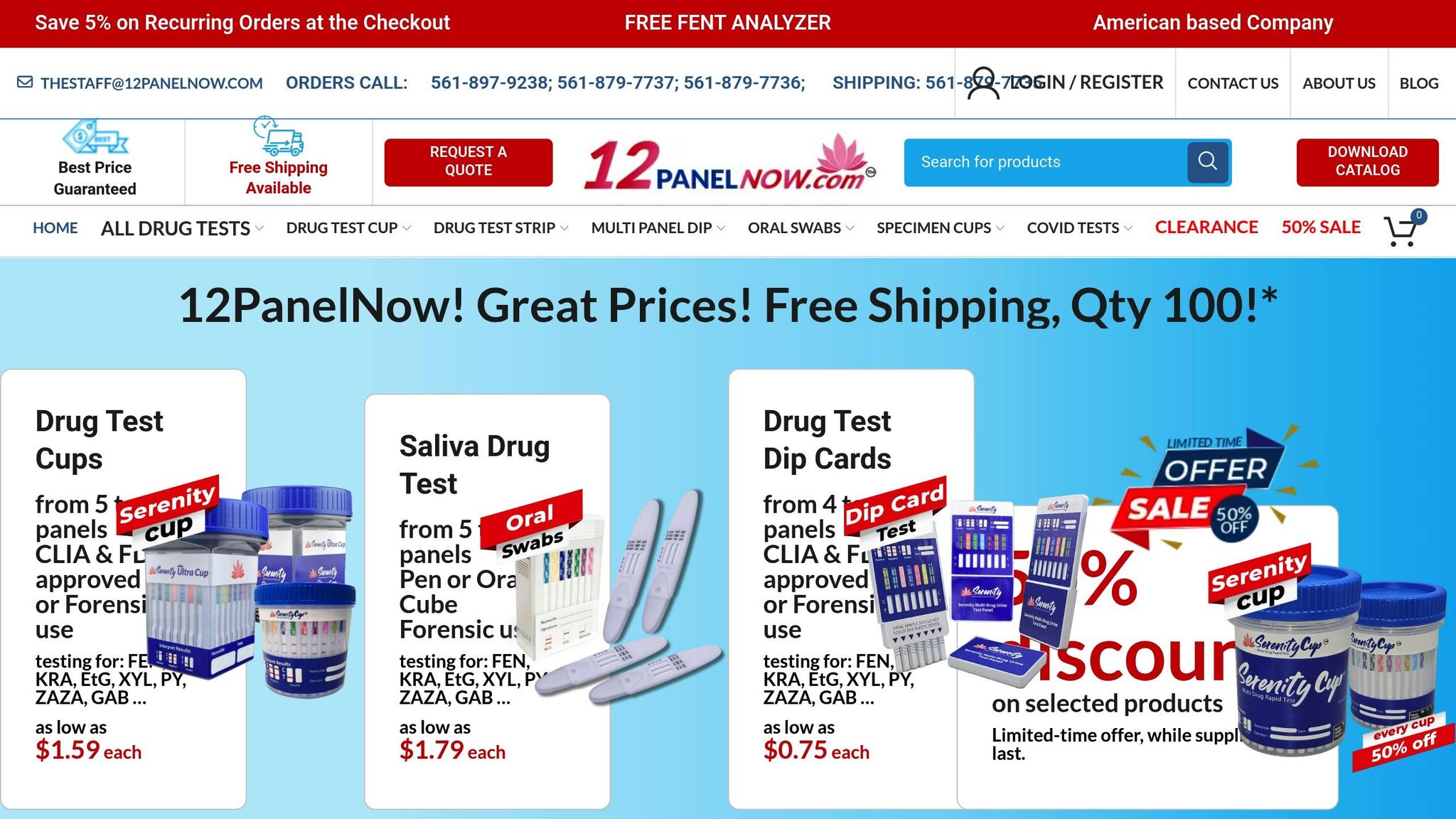
To tackle the challenges of detecting substances like xylazine, 12PanelNow offers specialized drug testing solutions. These products are designed to meet the needs of healthcare providers, workplaces, and community organizations, ensuring accurate and reliable screening for xylazine and other substances.
Available Testing Products
12PanelNow provides Xylazine Test Strips (XYL Dip Sticks), a single-panel solution specifically designed to detect xylazine. These strips are ideal for organizations focused on screening for this particular substance.
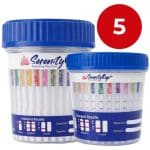
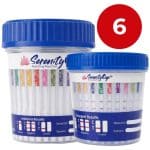
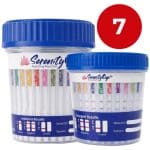
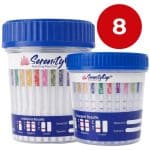
For broader testing needs, the company offers custom-branded multi-panel cups that include xylazine detection. These forensic-grade cups feature a 1,000 ng/ml cutoff level, allowing organizations to create testing panels tailored to their specific requirements.
In addition to these, 12PanelNow’s product lineup includes multi-panel cups, oral swabs, and harm reduction kits. This diverse range ensures that organizations can integrate xylazine testing into their overall substance screening programs with ease and reliability.
Key Features and Benefits
12PanelNow’s xylazine testing products deliver 99% accuracy, supported by stringent quality controls. The multi-panel cups include built-in temperature strips and leak-resistant designs, ensuring dependable sample handling. Many of these products are CLIA-waived and FDA-approved, meeting regulatory standards for professional use.
Cost efficiency is another key advantage. Xylazine Test Strips are available in bulk, with prices starting at $0.85 per strip for orders of 25 and dropping to $0.77 per strip for orders of 200. This tiered pricing makes xylazine testing affordable for organizations of all sizes.
To support urgent testing needs, same-day shipping is available, enabling organizations to respond quickly to emerging concerns in their communities or workplaces.
Benefits for Professionals
The features of 12PanelNow’s products provide tangible benefits across various professional settings. Healthcare professionals gain access to forensic-grade tools that ensure regulatory compliance. Workplace and rehabilitation administrators can customize multi-panel tests to include xylazine detection alongside other substances.
Community organizations and public health programs benefit from the flexible ordering options and competitive pricing. Whether ordering small quantities for targeted initiatives or bulk supplies for larger programs, organizations can find solutions that fit their budgets and needs. This flexibility helps support harm reduction efforts and community-based testing programs, which are vital in addressing the growing xylazine crisis at a local level.
Why Xylazine Testing Matters Today
The growing presence of xylazine in illicit drugs is creating serious public health concerns. This emerging issue demands effective testing methods, as outlined below.
Healthcare providers, workplace administrators, and community organizations are grappling with a substance that presents unique treatment challenges. Early detection is critical to ensure timely medical care and improved outcomes.
Reliable testing solutions play a key role in addressing these challenges. The impact of undetected xylazine use goes beyond individual health – it strains emergency departments with more complex cases, pushes rehabilitation centers to adapt their protocols, and forces workplaces to enhance their screening processes to uphold safety. Without proper testing systems, these organizations risk operating with incomplete information, leaving gaps in their ability to address the substances affecting their patients, employees, and communities.
12PanelNow offers FDA-approved testing solutions designed to meet these challenges head-on. Our tests are CLIA-waived, FDA-approved, and, in some cases, suitable for forensic applications. These tools provide healthcare professionals and other stakeholders with the reliability needed to tackle the evolving drug landscape.
Delaying the implementation of robust xylazine testing increases the risk of undetected exposure, which can lead to worsening health outcomes. Organizations that prioritize testing today will be better equipped to safeguard their communities and respond effectively to this growing crisis.
Xylazine testing serves as a cornerstone for a proactive public health strategy in a rapidly changing drug environment. By providing accessible and dependable testing solutions, 12PanelNow enables healthcare providers, employers, and community leaders to stay ahead of emerging threats and protect the well-being of those they serve.
FAQs
How does xylazine affect the effectiveness of overdose treatments like naloxone?
Xylazine, often mixed with opioids like fentanyl, creates a unique challenge in overdose situations. The go-to medication for opioid overdoses, naloxone, is ineffective against xylazine. While naloxone can counteract the opioid effects in cases of mixed overdoses, it does nothing to address xylazine’s sedative impact.
If an overdose is suspected, administering naloxone remains essential due to the frequent presence of opioids in such cases. However, it’s equally important to seek immediate medical care to manage xylazine-related symptoms, such as extreme sedation or slowed breathing. Quick intervention can make a critical difference when dealing with this dangerous drug combination.
What risks could workplaces face if employees are using xylazine?
If employees are using xylazine, it can create serious challenges in the workplace. Productivity might drop, absenteeism could rise, and turnover rates may spike. The sedative effects of xylazine can also hinder job performance and increase the risk of accidents or injuries, putting everyone’s safety at stake.
On top of that, xylazine use can make overdose situations harder to handle. Emergency responses may become more complicated, potentially leading to severe health consequences. Raising awareness and implementing testing measures are key steps to ensuring a safer and more efficient work environment.
How can community health programs include xylazine testing in their harm reduction efforts?
Community health programs can integrate xylazine testing into harm reduction efforts by offering reliable testing tools like xylazine test strips. These tools enable individuals to detect xylazine in drug samples, potentially lowering the risks of overdose and other serious health issues.
However, it’s crucial to inform users that xylazine might not be evenly mixed within drug supplies. This means a negative test result doesn’t necessarily guarantee the entire batch is free of xylazine. Pairing testing with straightforward, easy-to-understand information can help individuals make safer decisions and contribute to improving public safety.
Related Blog Posts
- Drug Testing FAQs: Common Questions Answered
- Fentanyl Testing in Pre-Employment Panels
- How Fentanyl Test Strips Work: A Complete Guide for Safe Testing
- What Is Mitragynine? Understanding Kratom and How It’s Detected