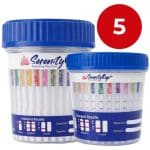
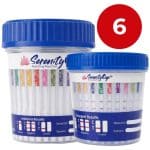
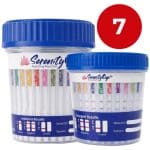
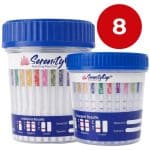
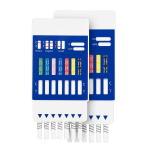
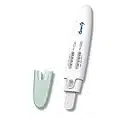
Cotinine / Nicotine Drug Test Strips

When a workplace wellness program, insurance underwriting process, or court-ordered compliance check requires proof of tobacco use, a standard multi-panel drug test will not get the job done. Nicotine itself clears the body quickly, but cotinine, the primary metabolite produced when the body breaks down nicotine, lingers in urine for days to weeks, depending on usage levels. If your testing program needs reliable, documentation-ready evidence of tobacco or nicotine use, you need a test designed specifically to detect it.
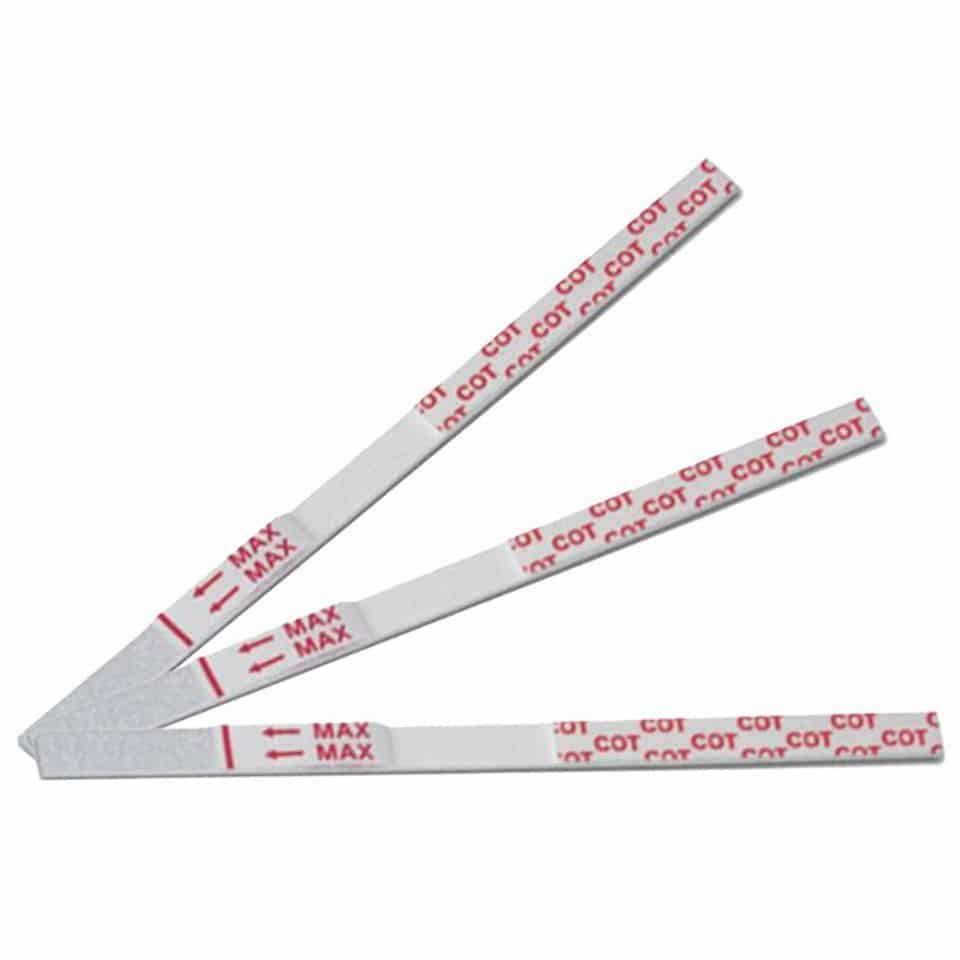
Cotinine, Nicotine Urine Test
COTFDA Approved, 510(K)As low As$0.39 $0.39 - $0.59Check out our Blog

Troubleshooting Invalid Drug Test Results: A Step-by-Step Guide
Posted by 12 Panel Now Use this quick matrix to classify the result pattern first—then choose the correct…
Learn More
Presumptive vs. confirmed drug test positives: The path to definitive results
Posted by 12 Panel Now A presumptive positive is an early warning, not a final verdict. This process…
Learn More
How to read a drug test: Your guide to faint lines, ghost lines, and confident results
Posted by 12 Panel Now A faint line can still mean a negative result. Use this gallery to…
Learn MoreHow A Cotinine Urine Test Works And What It Actually Detects
When the body processes nicotine, whether from cigarettes, cigars, chewing tobacco, patches, or vaping products, it converts it into a metabolite called cotinine. Unlike nicotine itself, which exits the body within hours, cotinine has a much longer detection window. For a full breakdown of how Cotinine behaves in the body and why it is the preferred marker for nicotine detection, our knowledge base entry covers the science in detail. In urine, cotinine is typically detectable for 2 to 4 days in light or occasional users and up to 3 weeks or longer in heavy, long-term tobacco users.
A cotinine urine test works by identifying the presence of cotinine in a urine sample above a specific concentration threshold, commonly set at 200 ng/mL. This cutoff level is designed to distinguish between meaningful nicotine exposure and trace environmental contact, such as secondhand smoke. The test does not identify what form of nicotine was consumed, only whether cotinine is present at or above the detection threshold.
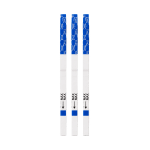
Cotinine test strips are lateral flow immunoassay devices, the same core technology used in most standard drug test strips. A urine sample is applied to the strip, and results appear within minutes. A negative result, meaning cotinine was detected above the cutoff, displays one line. A positive result, meaning no cotinine was found above the threshold, displays two lines. Confirming presumptive results with a licensed laboratory is recommended in clinical or legal contexts.
Where Nicotine Test Strips Are Used And What To Look For When Buying
Nicotine test strips serve a range of professional and personal testing needs, and understanding where they fit into existing programs helps buyers make more informed purchasing decisions. Knowing the common use cases also makes it easier to evaluate which product specifications matter most for a given setting. Here are three key areas to consider before purchasing:
Workplace Wellness And Insurance Compliance
Many employers and insurance providers require documented proof of tobacco-free status as part of wellness incentive programs or premium adjustment policies. A nicotine drug test provides a simple, non-invasive way to verify compliance without sending employees or applicants to an off-site lab. Results are available within minutes, making the process practical for high-volume HR departments managing large workforces.
Rehabilitation And Cessation Program Monitoring
Tobacco test strips are also used in rehabilitation settings and structured cessation programs where accountability is part of the treatment model. Counselors and program administrators use cotinine testing to track progress, reinforce milestones, and provide objective data to support patient care plans. The non-invasive urine-based format fits easily into routine check-ins without disrupting the flow of a session.
What To Look For In A Cotinine Test Strip
When selecting a cotinine test strip, the most important factors are the detection cutoff level, regulatory clearance, and shelf life. A 200 ng/mL cutoff is the industry standard for most professional applications. Products that are CLIA waived and carry a 24-month shelf life are better suited for facilities managing ongoing inventory and compliance documentation requirements. Browse our full range of dip test kits to find cotinine strips that meet your cutoff, certification, and volume requirements.
How To Read A Cotinine Test Strip Result Accurately
Reading a cotinine test strip correctly is just as important as choosing the right product, and misinterpreting results is one of the most common issues buyers encounter when using rapid test strips for the first time. Understanding the line logic behind lateral flow immunoassay strips eliminates confusion and ensures results are documented accurately. Here is a breakdown of what each result indicator means and how to handle them:
One Line Vs. Two Lines: Understanding The Result Logic
Cotinine test strips follow the same inverse result logic used across most immunoassay-based drug test strips. Two lines indicate a negative result, meaning cotinine was not detected at or above the cutoff concentration. One line indicates a positive result, meaning cotinine was detected above the threshold. The control line must always appear for the result to be considered valid, regardless of the outcome.
What To Do With A Faint Line
A faint second line still counts as a negative result. The intensity of the line does not indicate the concentration level of cotinine in the sample. Any visible second line, no matter how light, is read as negative. Disregarding faint lines is one of the most frequent errors in strip-based testing and can lead to inaccurate documentation, particularly in compliance-driven settings.
When To Send Results For Laboratory Confirmation
Rapid test strips are designed for preliminary screening, not definitive determination. In workplace compliance programs, legal proceedings, or clinical documentation, any presumptive positive result should be confirmed by a certified laboratory using gas chromatography-mass spectrometry or an equivalent method. This step protects both the testing organization and the individual being tested from decisions based solely on a screening result.
Frequently Asked Questions About Cotinine Urine Tests
Can secondhand smoke cause a positive result on a cotinine urine test?
Secondhand smoke typically introduces cotinine at levels well below the standard 200 ng/mL cutoff. In most cases, passive exposure alone will not produce a positive result.
Does vaping trigger a positive cotinine test result?
Yes. Vaping delivers nicotine, which the body metabolizes into cotinine. A cotinine test strip does not distinguish between delivery methods, so any nicotine source can trigger a positive result.
How should urine samples be collected for cotinine test strips?
Samples should be collected in a clean specimen cup at room temperature. Samples that are too hot, too cold, or visibly contaminated may affect accuracy and should be recollected.
Are cotinine test strips affected by common medications?
Certain medications may interfere with immunoassay-based strips. If a result is unexpected or disputed, laboratory confirmation is the appropriate next step to rule out cross-reactivity.
What is the shelf life of cotinine test strips?
Most professional-grade cotinine test strips carry a 24-month shelf life when stored at room temperature, away from direct sunlight and humidity. Always check the expiration date before use.
Can cotinine test strips detect nicotine replacement therapy products?
Yes. Patches, gums, lozenges, and inhalers all introduce nicotine into the body, which converts to cotinine. The strip will detect this metabolite regardless of its source.
How soon after quitting tobacco will a cotinine test return a negative result?
Light users typically clear cotinine within 2 to 4 days. Heavy or long-term users may test positive for up to 3 weeks or longer, depending on metabolism and usage history.