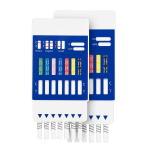
Cocaine Drug Test Strips

A single failed drug test can have serious consequences for workplaces, treatment programs, or court-mandated cases. When cocaine use is the concern, accuracy and speed are paramount. Organizations need reliable results without the delays or high costs of laboratory screening.
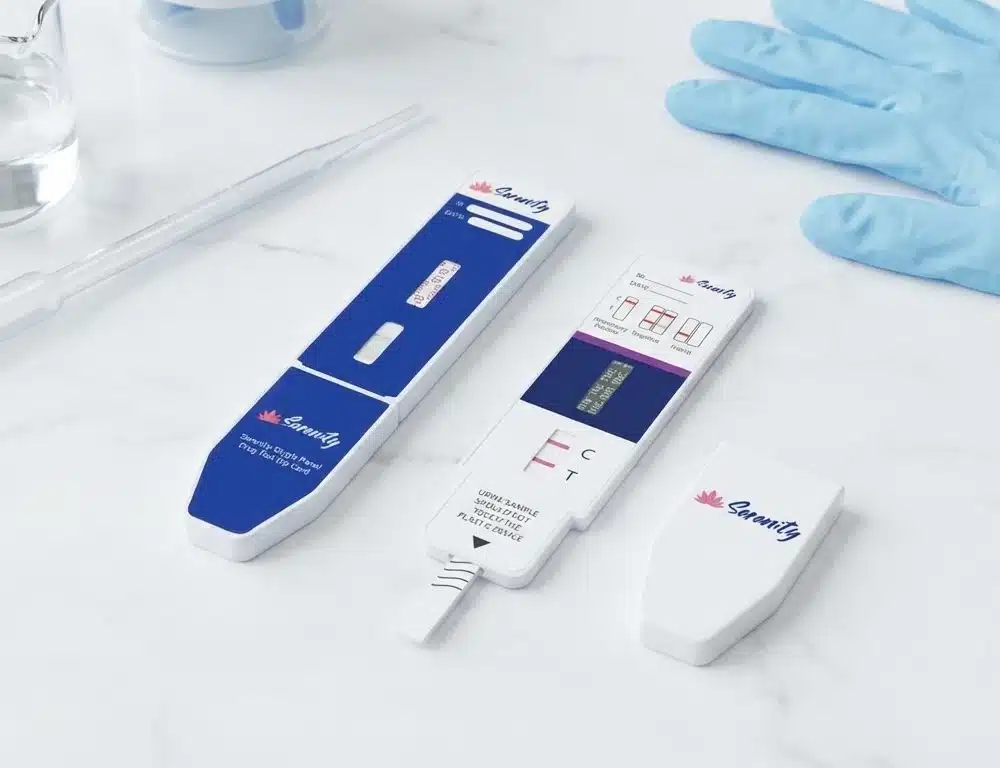
Dip Card COC/300 Detecting Cocaine. Serenity Instant Urine Drug Screening Card
COCCLIA WAIVED, FDA ApprovedAs low As$0.49 $0.49 - $0.69
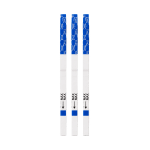
Cocaine Drug Test, Single Drug Test Strip
COCForensic UseAs low As$0.39 $0.39 - $0.59Check out our Blog

Troubleshooting Invalid Drug Test Results: A Step-by-Step Guide
Posted by 12 Panel Now Use this quick matrix to classify the result pattern first—then choose the correct…
Learn More
Presumptive vs. confirmed drug test positives: The path to definitive results
Posted by 12 Panel Now A presumptive positive is an early warning, not a final verdict. This process…
Learn More
How to read a drug test: Your guide to faint lines, ghost lines, and confident results
Posted by 12 Panel Now A faint line can still mean a negative result. Use this gallery to…
Learn MoreHow A Cocaine Drug Test Strip Works
Cocaine dip test strips are immunoassay-based testing devices designed to detect the presence of cocaine and its primary metabolite, benzoylecgonine, in a urine sample. When urine is introduced to the strip, it travels up the absorbent membrane and interacts with antibodies that are specifically sensitized to react with cocaine metabolites. The result appears within minutes, making it one of the fastest and most straightforward screening methods available.
The mechanism relies on a competitive binding process. When cocaine metabolites are present in the urine at or above the designated cutoff level, they compete with the drug conjugate on the test strip, preventing a visible line from forming in the test region. When no metabolites are detected, a clear line appears. This is why a single line on a cocaine drug test strip indicates a positive result, while two lines indicate a negative.
As these strips test a single substance rather than multiple panels, they are well suited for targeted screening where cocaine is the specific substance of concern. They require no instrumentation, no laboratory setup, and minimal training to use correctly, which makes them a practical option for clinics, compliance programs, and individual use alike. For any result that will be used in a legal or clinical context, confirmation through a licensed laboratory is always recommended.
What The COC Drug Test Strip Detects And For How Long
COC drug test strips detect benzoylecgonine, a metabolite of cocaine, and are calibrated to specific cutoff concentrations to determine a positive or negative result. Key factors for accuracy include the detection window, individual metabolism speed, and the specific cutoff level of the test, according to best practices.
What The Strip Actually Targets
A cocaine drug test strip does not detect cocaine itself in most cases. It is primarily designed to detect benzoylecgonine, the metabolite produced as the body breaks down cocaine. Benzoylecgonine lingers in urine longer than cocaine does, making it a more reliable marker for recent use. Most strips are calibrated to a cutoff of 300 ng/mL, which is the standard threshold recognized by federal workplace drug testing guidelines.
How Long Cocaine Shows Up In Urine
Detection windows vary depending on frequency of use, metabolism, hydration levels, and overall health. For occasional users, benzoylecgonine is typically detectable in urine for two to four days after last use. For heavy or chronic users, that window can extend to several weeks. These are general estimates, and individual results will vary, which is why urine screening is considered a point-in-time assessment rather than a definitive measure of use history.
Substances That May Affect Results
Certain medications and compounds can interfere with immunoassay-based tests and produce unexpected results. While cocaine test strips are highly specific, some topical anesthetics containing cocaine derivatives or related compounds may trigger a response. Any unexpected or disputed result should be sent to a certified laboratory for confirmatory testing before any formal action is taken.
Reading Your Cocaine Urine Test Results Accurately
Knowing how to read a cocaine urine test correctly is just as important as administering it properly. A misread result can lead to unnecessary confusion, wrongful conclusions, or missed detections that undermine the entire purpose of testing. There are three key aspects of result interpretation that every user should understand:
The Line Logic: What Appears And What It Means
Result lines on a cocaine urine test can be counterintuitive for first-time users. Two lines mean negative, and one line means positive. Even a very faint second line is still considered a negative result, as long as it is visible. The control line confirms the test functioned correctly, while the test line reflects whether cocaine metabolites were detected above the cutoff threshold. Both lines must be evaluated together for an accurate reading.
What An Invalid Result Looks Like
An invalid result occurs when no control line appears, regardless of whether a test line is visible or not. This typically indicates a problem with the sample, the testing procedure, or the strip itself. Common causes include urine that is too dilute, a compromised specimen, or an expired test strip. When an invalid result appears, the test should be discarded and the screening repeated with a new strip and a fresh sample.
Timing Your Reading Window
Reading results outside the recommended window can produce unreliable conclusions. Most cocaine test strips should be read between two and five minutes after the urine sample makes contact with the strip. Reading too early may not allow the reaction to complete, while waiting too long can cause lines to fade or shift in appearance. Always follow the manufacturer’s instructions for the specific strip being used.
When To Use A Cocaine Test Kit vs. A Multi-Panel Cup
Choosing between a standalone cocaine test kit and a multi-panel drug test cup depends largely on the scope of the testing program and the specific substances of concern. Both formats deliver accurate, rapid results, but they serve different operational needs. There are three scenarios worth considering when deciding which format is the right fit:
When A Single-Substance Strip Makes Sense
A cocaine test kit is the ideal choice when monitoring is limited to that specific substance. This is particularly effective for targeted follow-ups after a positive result, focused treatment compliance, or personal testing. Single-substance strips provide a cost-effective solution for high-frequency screening, eliminating the expense of irrelevant panels.
When A Multi-Panel Cup Is The Better Option
Workplace drug testing programs, probation monitoring, and pre-employment screening typically require testing for multiple substances at once. In these settings, a multi-panel cup covers cocaine alongside other commonly abused substances in a single, self-contained test. This reduces handling time, simplifies the collection process, and produces a broader picture of substance use without requiring multiple individual strips or additional steps.
When Both Formats Work Together
Some testing programs use both formats strategically. A multi-panel cup may serve as the primary screening tool, while single cocaine test strips are kept on hand for targeted retesting or for situations where only one substance needs to be confirmed quickly. This approach balances thoroughness with efficiency and gives administrators flexibility without overspending on unnecessary panels for every test administered.
Accuracy, Compliance, And Confirming Results
Accuracy is the foundation of any credible drug testing program, and understanding how it is measured helps set realistic expectations for what a rapid test can and cannot do. Cocaine test strips are designed to meet rigorous performance standards, but there are important compliance considerations that go beyond the strip itself. Three points are essential for anyone administering or relying on these tests:
How Accuracy Is Measured In Rapid Test Strips
Rapid cocaine test strips are validated against established cutoff concentrations and measured for both sensitivity and specificity. A 99% accuracy rate means the strip performs correctly in the vast majority of screenings when used as directed. Accuracy depends on proper storage, correct administration, and using strips within their stated shelf life. Expired or improperly stored strips can compromise results regardless of the product’s baseline performance rating.
CLIA Waiver And FDA Approval: What They Mean For Your Program
A CLIA waived designation means a test has been approved for use outside of a traditional laboratory setting, making it suitable for clinics, offices, and field environments. FDA approval or clearance indicates the product has met federal standards for safety and performance. For organizations operating under regulatory oversight, using CLIA waived and FDA reviewed products is an important part of maintaining a defensible and compliant testing program.
When Laboratory Confirmation Is Required
Rapid test strips are screening tools, not definitive diagnostic instruments. Results intended for legal, employment, or clinical action must be confirmed by a certified laboratory using specific methods like GC-MS. This step protects both the administrator and the donor, remaining the standard for professional drug testing programs.
For reliable, high-volume screening solutions, 12 Panel Now offers a comprehensive inventory of FDA-approved and CLIA-waived testing supplies. Explore our full range of urine tests today to ensure your program maintains the highest standards of accuracy and compliance. For more information on our cocaine drug test strips and other testing kits, you can visit our drug test knowledge base.
Frequently Asked Questions About Cocaine Drug Test
Can a cocaine drug test strip detect crack cocaine?
Yes. Crack cocaine metabolizes the same way as powder cocaine, producing benzoylecgonine as the primary byproduct. A standard cocaine test strip will detect use of either form.
How should cocaine test strips be stored to maintain accuracy?
Store strips at room temperature, away from direct sunlight, heat, and moisture. Keep them in their original sealed packaging until use and always check the expiration date before testing.
Is a urine sample the only specimen type compatible with cocaine test strips?
Most cocaine test strips are designed specifically for urine. Benzoylecgonine concentrates in urine at detectable levels longer than in saliva or blood, making urine the preferred specimen type.
What is the standard cutoff concentration for cocaine test strips?
The standard cutoff is 300 ng/mL of benzoylecgonine, which aligns with federal workplace drug testing guidelines and is the calibration point for most commercially available strips.
Can secondhand cocaine exposure cause a positive result?
Passive exposure is extremely unlikely to produce a positive result at the standard 300 ng/mL cutoff. Incidental environmental contact generally produces metabolite levels well below the detection threshold.
How many strips typically come in a bulk order?
Cocaine test strips are commonly available in boxes of 25, 50, or larger bulk quantities. Bulk purchasing reduces per-unit cost and suits facilities with ongoing or high-volume testing needs.
Are cocaine test strips suitable for use in schools or juvenile programs?
They can be used in educational settings provided the program complies with local regulations and obtains appropriate consent. Administrators should consult legal counsel to ensure policies align with applicable guidelines.