The Best EtG Alcohol Tests for Monitoring Sobriety (Ranked)

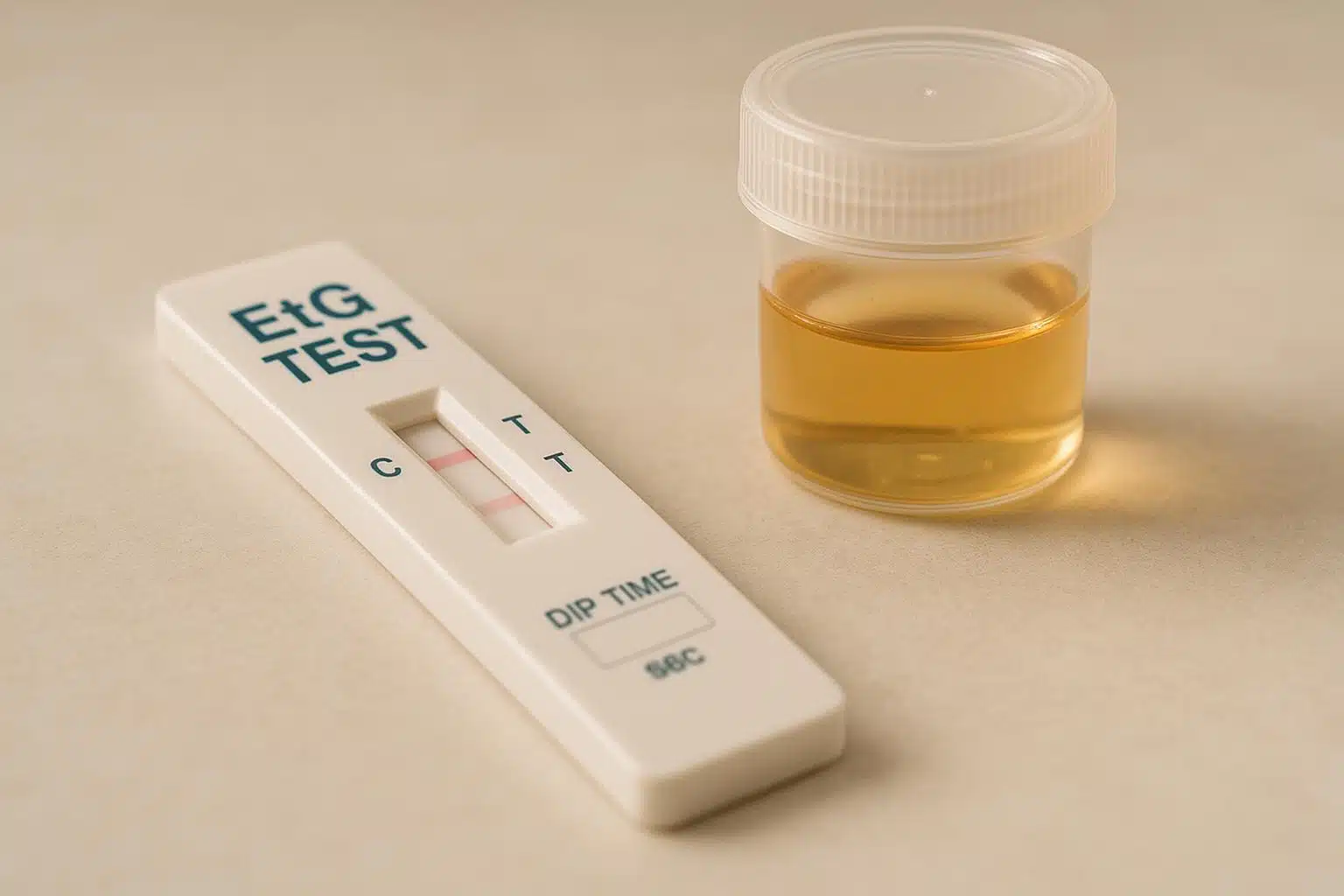
For sobriety monitoring, a breathalyzer answers the wrong question. It tells you whether someone is drinking right now — but abstinence programs, sober-living homes, and people in recovery need to know whether someone drank at all in the last few days.
That’s what an EtG test does. EtG (ethyl glucuronide) is a metabolite the body produces only after alcohol is consumed, and it stays detectable for roughly 80 hours after drinking — far longer than the hours a breath or blood test covers. That long window is the entire reason EtG is the standard for sobriety verification.
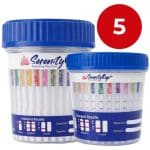
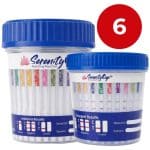
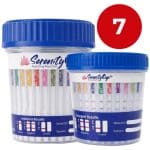
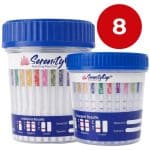
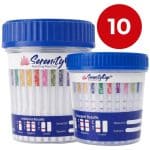
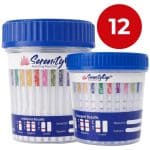
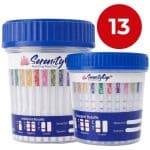
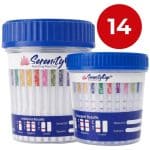
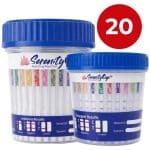
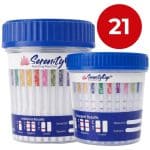
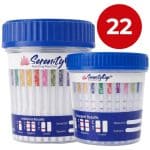
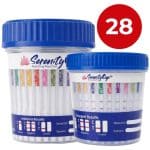
Here’s how to choose one, built around our EtG urine test at a 300 ng/mL cutoff, from $0.29 per test.
What Is the Best EtG Alcohol Test for Monitoring Sobriety?
The best EtG alcohol test for sobriety monitoring is a 300 ng/mL EtG urine test, which detects alcohol consumption for roughly 80 hours after drinking, far longer than a breathalyzer’s few hours. The 300 ng/mL cutoff is the sweet spot: sensitive enough to catch actual drinking, high enough to filter most incidental exposure from mouthwash and sanitizer that causes false alarms at lower cutoffs.
Our EtG urine test starts at $0.29, cheap enough to test frequently, and frequency is what makes monitoring work. From there, buy in bulk for structured programs, keep singles on hand for random accountability, pair EtG with a breath test when you also need immediate impairment status, and add lab confirmation on non-negatives that carry a real consequence. Test frequently and unpredictably, keep the cutoff consistent across everyone, and treat monitoring as support for recovery rather than only surveillance.
Why the cutoff number matters most
The 300 ng/mL cutoff is the detail that decides whether a test fits your program. A lower cutoff (like 100 ng/mL) is extremely sensitive and can flag incidental exposure — hand sanitizer, mouthwash, some foods — which creates false-positive drama in a recovery setting.
A higher cutoff misses light drinking. The 300 ng/mL level is the widely used middle ground for sobriety monitoring: sensitive enough to catch actual drinking, high enough to reduce incidental-exposure noise. Whichever product you choose, know its cutoff before you standardize on it.
1. Best overall for sobriety monitoring: EtG Urine Test at 300 ng/mL
The default. The EtG urine strip at 300 ng/mL gives you the ~80-hour detection window at a per-test cost low enough (from $0.29) to test frequently — and frequency is what makes monitoring work. It’s the right tool for sober-living house checks, outpatient program monitoring, and personal accountability in early recovery. Simple to read, inexpensive enough that testing multiple times a week is realistic.
2. Best for structured programs: EtG tests in bulk
Sober-living homes and treatment programs testing multiple residents on a schedule should buy the same 300 ng/mL EtG test in bulk. The per-test cost drops toward the low end, which matters when you’re running dozens of tests a week. Consistent testing across residents also keeps the program fair — everyone on the same cutoff, same cadence.
3. Best for random-schedule accountability: EtG singles kept on hand
For an individual in recovery working with a sponsor, coach, or family member on random accountability testing, single EtG strips kept on hand let you test on an unpredictable schedule — which is more meaningful than a test everyone can plan around. The randomness is the feature; the ~80-hour window means even a few tests a week give real coverage.
4. Best paired approach: EtG + a breath test for a complete picture
EtG tells you whether someone drank in the last few days; a breath test tells you whether they’re impaired now. For programs that need both — say, a resident returning to the house — running EtG for the abstinence record and a breath device for immediate status covers both questions. They’re complementary, not competing.
5. Best for confirmation-ready monitoring: EtG with lab confirmation on non-negatives
When an EtG result carries a real consequence — a program violation, a housing decision — the best practice is an instant EtG screen backed by lab confirmation on any non-negative. The instant strip is the inexpensive frequent screen; the lab confirms before anything serious happens. Budget for confirmation on the small number of non-negatives, not every test.
How to monitor sobriety well
Test frequently and somewhat unpredictably — the ~80-hour window means 2–3 tests a week leaves few gaps, and randomness prevents planning around it. Know your cutoff and keep it consistent across everyone in a program.
Educate residents about incidental exposure (avoid alcohol-based mouthwash and sanitizer before testing) so a positive means what you think it means. And treat monitoring as support for recovery, not just surveillance — the goal is helping someone stay sober, and a positive is information to act on with care, not only a rule to enforce.
Our alcohol test comparison for probation and workplace monitoring covers the compliance-driven side; this article is the recovery and sober-living companion to it.
FAQ
How long after drinking can EtG detect alcohol?
Roughly up to 80 hours, far longer than breath or blood tests. That’s why it’s used for abstinence monitoring rather than impairment.
Can EtG give a false positive from mouthwash or sanitizer?
Incidental exposure can register, especially at low cutoffs. A 300 ng/mL cutoff reduces this, and avoiding alcohol-based products before testing helps further.
Is EtG better than a breathalyzer for sobriety?
For monitoring abstinence over days, yes — a breathalyzer only shows current impairment. Use a breath test when the question is “are they impaired now.”
Should EtG positives be confirmed?
Yes, when a consequence follows. Confirm non-negative instant results at a lab before acting.