ETG Alcohol Urine Test Kits

Breath-based alcohol screening tells you what is happening at a single point in time. For programs that need a broader picture, one that reflects whether someone consumed alcohol over the past several days rather than just in the past few hours, urine-based ETG testing is the more appropriate tool. The ETG alcohol urine test detects ethyl glucuronide, a byproduct the body produces as it processes alcohol, which lingers in urine well beyond the window that a breathalyzer can capture. That extended lookback is precisely what makes it a staple of sobriety monitoring, court compliance programs, and alcohol-free workplace policies.
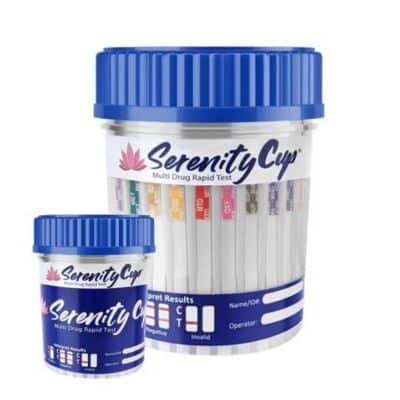
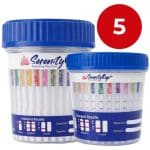
18 Panel Urine Test Cup detects XYL, KRA, FEN, ETG, TRA & KET, as low as $2.29
AMP, BAR, BUP, BZO, COC, EtG, FEN, KET, KRA, MDMA, MET, MTD, OPI/MOR, OXY, PCP, THC, TRAForensic UseAs low As$2.29 $2.29 - $3.09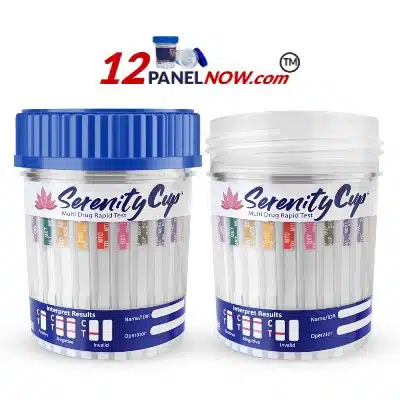
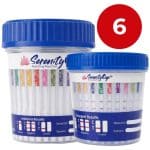
15 Panel Drug Test Detects Kratom, ETG Alcohol, Fentanyl & Adulteration- As low as $1.89
ADLTX, AMP, BUP, BZO, COC, EtG, FEN, KRA, MDMA, MET, MTD, OPI/MOR, OXY, PCP, THCForensic UseAs low As$1.89 $1.89 - $2.99
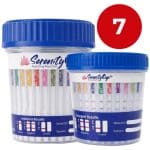
14 Panel Drug Test Cup detects PCP, (ETG) Alcohol & Fentanyl-120ml Large Cup, As low as $1.79
AMP, BAR, BUP, BZO, COC, EtG, FEN, MDMA, MET, MTD, OPI/MOR, OXY, PCP, THCForensic UseAs low As$1.79 $1.79 - $2.59
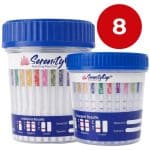
14 Panel Urine Drug Test Cup 90ML Detects ETG, FEN, TRA, K2 & Adulterants, As low as $1.59
ADLTX, AMP, BUP, BZO, COC, EtG, FEN, K2, MDMA, MET, MTD, OPI/MOR, OXY, THC, TRAForensic UseAs low As$1.59 $1.59 - $2.39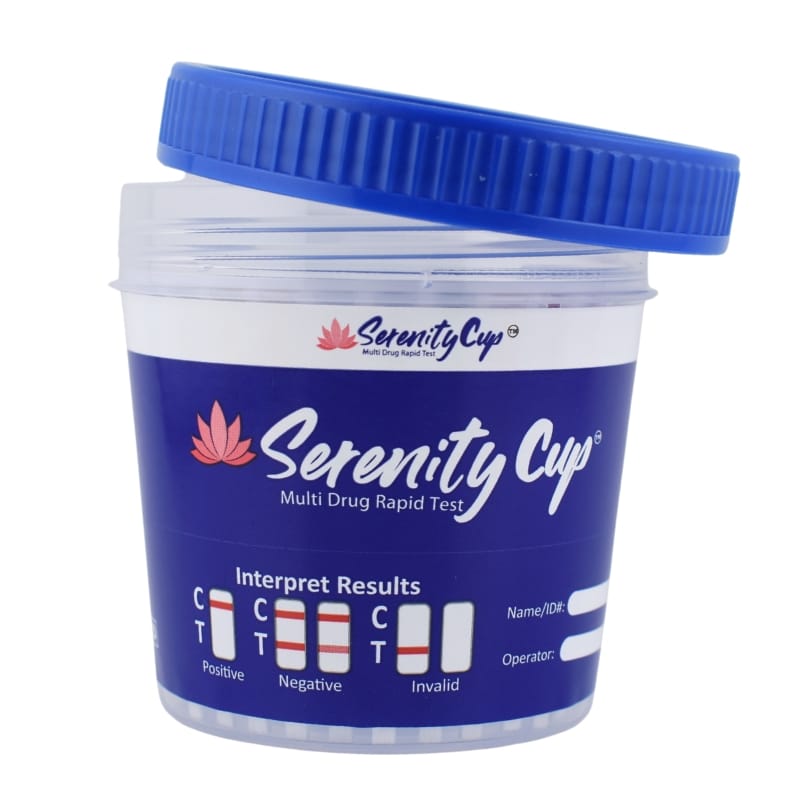
6 Panel Drug Test Cup 90ml Detecting FEN, KRA, ETG, XYL and K2 Serenity Cup, As low as $0.99
EtG, FEN, K2, KRA, OPI/MOR, XYLForensic UseAs low As$ 0.99 $0.99 - $1.59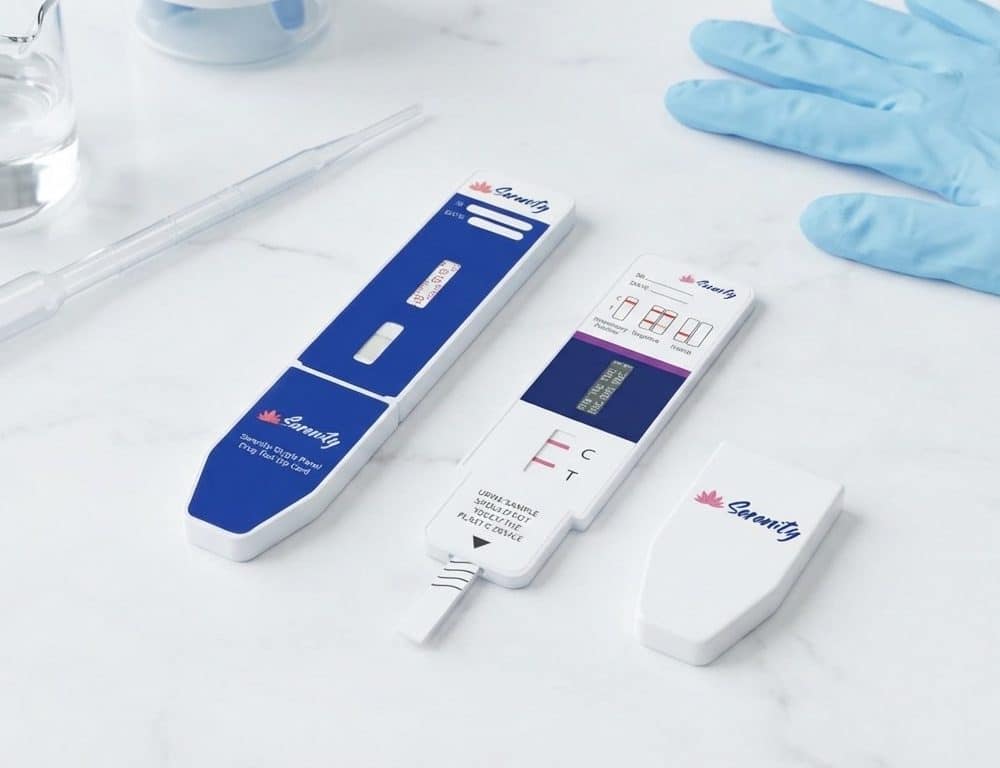
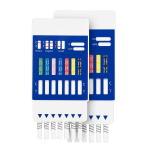
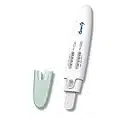
Dip Card ETG/300 Detecting Alcohol. Serenity Single Dip card.
EtGForensic UseAs low As$0.49 $0.49 - $0.69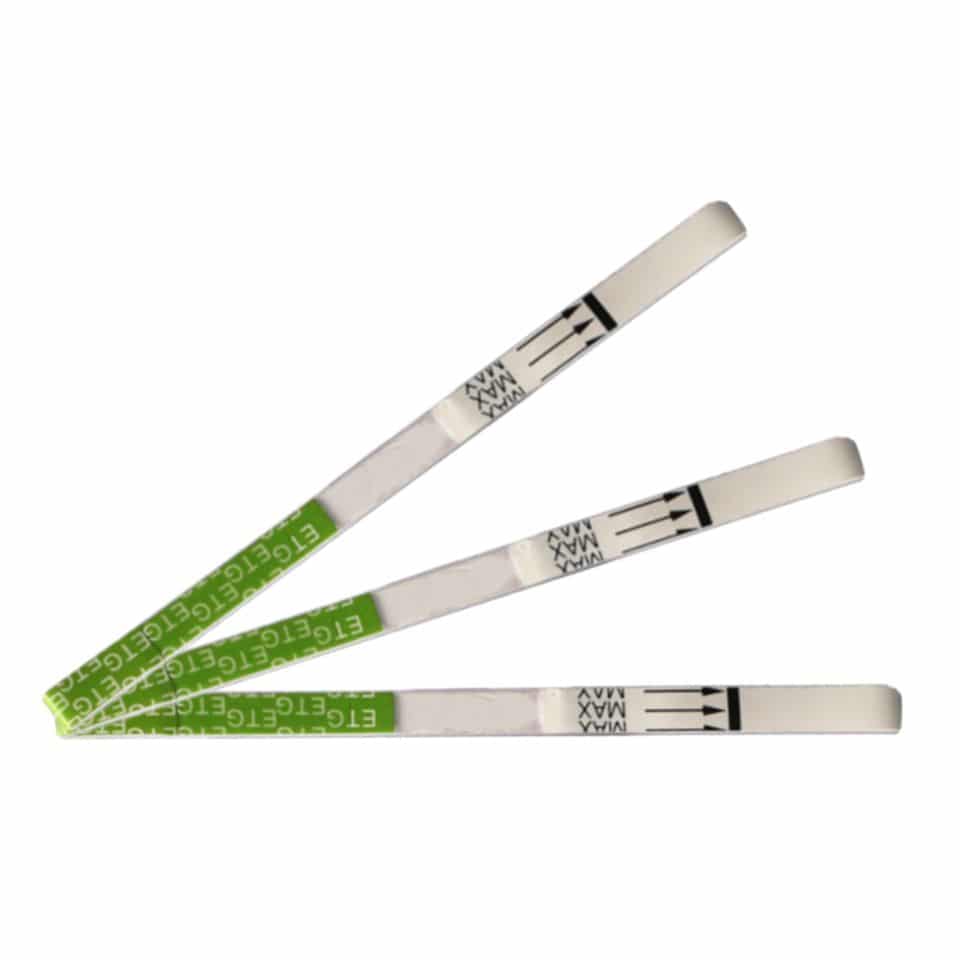
ETG Test Strip, Urine Alcohol Test — Detect Alcohol Use for Up to 80 Hours After Consumption
EtGForensic UseAs low As$0.49 $0.49 - $0.69Check out our Blog

Troubleshooting Invalid Drug Test Results: A Step-by-Step Guide
Posted by 12 Panel Now Use this quick matrix to classify the result pattern first—then choose the correct…
Learn More
Presumptive vs. confirmed drug test positives: The path to definitive results
Posted by 12 Panel Now A presumptive positive is an early warning, not a final verdict. This process…
Learn More
How to read a drug test: Your guide to faint lines, ghost lines, and confident results
Posted by 12 Panel Now A faint line can still mean a negative result. Use this gallery to…
Learn MoreHow The ETG Alcohol Urine Test Works
The ETG alcohol urine test operates on an immunoassay platform, the same foundational technology used across most rapid urine-based drug screening products.
Rather than targeting alcohol itself, the test is calibrated to detect ethyl glucuronide, which the body generates as a byproduct when metabolizing ethanol. Because ethyl glucuronide clears from the body more slowly than alcohol does, urine-based ETG screening can indicate alcohol consumption from a window of roughly 24 to 80 hours prior, depending on individual factors such as hydration, metabolism, and the amount consumed.
The test functions through a competitive binding reaction. When ethyl glucuronide is present in the specimen at or above the designated cutoff concentration, it interferes with the binding process on the test strip, producing a visible result. Most programs use a cutoff of 500 ng/mL as the standard threshold, though some opt for a lower 300 ng/mL cutoff for more sensitive monitoring. The choice of cutoff level should align with the specific goals of the testing program and be established in advance of administration.
It is worth noting that an ETG alcohol urine test produces a preliminary screening result, not a confirmed finding. Any presumptive positive result that carries formal program consequences should be forwarded to an accredited laboratory for confirmatory testing before any action is taken.
ETG Urine Test Kit Formats We Carry
Different programs have different operational setups, and the format of the ETG urine test kit matters for how efficiently a program can run. We carry several configurations to accommodate a range of testing environments and screening scopes, all backed by our commitment to quality and compliance.
Standalone ETG Test Strips
Standalone ETG test strips are designed for programs that screen exclusively for alcohol markers. Each strip is dipped into a collected urine specimen and produces a readable result within minutes. This format is straightforward to administer, requires no additional equipment, and is cost-effective for high-frequency alcohol monitoring. For facilities that handle separate drug and alcohol screening processes, standalone strips allow ETG testing to be conducted without involving a multi-substance cup.
Multi-Panel Drug Test Cups With ETG
For programs that need to screen for both alcohol markers and other substances from a single urine specimen, our drug test cups are available in configurations that include an ETG panel alongside other commonly screened substances. This format simplifies the collection process: one specimen, one cup, one reading, rather than coordinating multiple individual tests for a single donor.
Multi-panel cups with ETG integration are particularly well suited to court supervision programs and treatment facilities that monitor both alcohol and substance use simultaneously. The consolidated approach also reduces per-test costs for high-volume programs, which is one reason our multi-panel configurations remain among the most requested products in our catalog.
Bulk And Wholesale ETG Supply Options
Programs that conduct ETG testing regularly benefit from maintaining a standing supply rather than reordering reactively. We offer wholesale pricing across our ETG product catalog, with same-day shipping available on orders placed within our daily cutoff window and fast nationwide fulfillment to keep programs stocked. Volume buyers can also work directly with our team to set up arrangements that match their testing cadence and budget.
Programs And Industries That Rely On The ETG Alcohol Test
The ETG alcohol test has found consistent adoption across a range of professional settings, largely because of the gap it fills between real-time breath screening and the kind of retrospective documentation that many programs require. Several distinct groups rely on it as a standard part of their monitoring toolkit.
Court And Probation Programs
Courts and probation offices that require participants to abstain from alcohol as part of a supervision order need a screening method that can document compliance between check-ins. Standard urine drug panels do not screen for alcohol, and breathalyzers are limited to same-time detection. The ETG alcohol urine test addresses both gaps, providing a retrospective indicator of alcohol use that covers the period between appointments. Results that will be referenced in formal legal proceedings should always be confirmed by a certified laboratory.
Alcohol Monitoring In Program Settings
Residential and outpatient programs that include alcohol abstinence as a program requirement use ETG testing to track participant compliance on a scheduled or random basis. The multi-day detection window is particularly useful in outpatient contexts, where participants move between the program environment and their daily lives and may not be under direct observation at all times. Regular ETG screening provides program administrators with a consistent data point for assessing adherence to program expectations.
Employer Alcohol Policies
Employers in safety-sensitive industries who maintain alcohol-free workplace policies that go beyond same-time presence use ETG testing as one layer of their compliance framework. This is more common in sectors such as transportation, construction, and facilities where recent alcohol consumption may be relevant to safety considerations. Organizations implementing ETG-based programs should work with legal counsel to confirm their policies align with applicable regulations before rolling them out.
Resellers And Distributors
Resellers and distributors supplying drug testing products to end users across these sectors source ETG test kits from us directly, taking advantage of our wholesale pricing, broad inventory, and same-day shipping to reliably serve their customers. Our product range and inventory depth make it practical to carry ETG testing products alongside a full drug testing catalog without managing multiple supplier relationships. The combination of competitive pricing and over 350 test variations means resellers can meet virtually any client requirement from a single source.
How To Read An Alcohol ETG Test Strip Accurately
Accurate result interpretation is as important as proper administration. Misreading a line on an alcohol ETG test strip is one of the most common sources of avoidable errors in rapid testing programs.
Line Logic On An ETG Strip
The result logic on an ETG test strip follows the same pattern as other immunoassay-based rapid tests, which can be counterintuitive for first-time administrators. Two lines, one in the control region and one in the test region, indicate a negative result, meaning ethyl glucuronide was not detected at or above the cutoff threshold. One line appearing only in the control region indicates a presumptive positive. Even a faint line in the test region is still read as a negative result and should not be treated as a positive.
Invalid Results And What To Do
If no line appears in the control region, the result is considered invalid regardless of what appears in the test region. Invalid results typically indicate a problem with the specimen, the test strip, or the collection process. The appropriate response is to void the test and administer a fresh strip using a new specimen. Do not attempt to interpret or act on an invalid result.
Timing The Reading Window
Most ETG test strips should be read between five and ten minutes after the specimen contacts the strip. Reading too early may not allow the reaction to complete fully, and reading too late can cause lines to shift or fade in ways that make the result unreliable. Always follow the specific manufacturer instructions included with the product, as timing guidance can vary slightly between configurations.
What To Verify Before Ordering ETG Alcohol Urine Test Kits
Purchasing ETG testing products for a professional program involves more than selecting a product and placing an order. A few key factors are worth confirming before committing to a supplier or a specific product configuration.
Regulatory Credentials
For programs operating under any form of regulatory oversight, the compliance credentials of the products they use matter. CLIA waived status and FDA approval indicate that a product has been reviewed and cleared for use in professional screening settings. These designations are important for maintaining a defensible testing record, particularly in legal and compliance-driven contexts. Every ETG product in our catalog meets these standards.
Cutoff Concentration And Sensitivity
Confirming the cutoff concentration of the ETG kit before ordering helps avoid mismatches between the product and the program’s monitoring goals. A 500 ng/mL cutoff is the most widely used standard. A 300 ng/mL cutoff is more sensitive and is sometimes selected by programs with stricter abstinence monitoring requirements. Our team can help identify which configuration fits a given program’s needs.
Shelf Life And Order Quantity
ETG test products carry a stated shelf life that should factor into order quantity decisions, particularly for bulk purchases. Ordering more product than a program can use before the expiration date reduces the effective value of a bulk order. Our ETG kits carry a shelf life that supports reasonable bulk purchasing, and our team can provide guidance on order sizing based on a program’s testing frequency.
Frequently Asked Questions About ETG Alcohol Urine Tests
How far back can an ETG alcohol urine test detect alcohol use?
The detection window varies depending on individual factors and the amount consumed, but ethyl glucuronide is generally detectable in urine for a range of 24 to 80 hours after consumption. This is a general range, not a guaranteed timeframe, and results should be interpreted accordingly. You can find more details on our ETG drug tests page.
Is a 300 ng/mL or 500 ng/mL cutoff better for my program?
The right cutoff depends on the sensitivity level your program requires. A 500 ng/mL cutoff is the most widely used and is appropriate for standard monitoring. A 300 ng/mL cutoff is more sensitive and may be appropriate for programs with stricter abstinence requirements. Programs should determine their cutoff in advance and apply it consistently.
Can incidental sources of alcohol cause a positive ETG result?
At the standard 500 ng/mL cutoff, incidental sources such as certain foods, mouthwash, or hand sanitizer are generally considered unlikely to produce a positive result. Programs using a lower cutoff should be aware that sensitivity increases along with the cutoff reduction and should factor this into their result review process.
Do ETG test strips require any special equipment to use?
Standalone ETG test strips require only a collected urine specimen and the strip itself. No additional equipment, instrumentation, or laboratory setup is needed. Results are readable within minutes using the line logic described in the product instructions.
How should ETG test kits be stored to maintain accuracy?
ETG test kits should be stored at room temperature, away from direct sunlight, moisture, and temperature extremes. Keep kits in their original sealed packaging until use and always verify the expiration date before administering a test.
Can ETG testing be used alongside standard drug panel testing?
Yes. Programs that monitor both alcohol and other substances can use standalone ETG strips alongside standard drug test cups, or select a multi-panel cup configuration that includes ETG as an integrated panel. Both approaches work from a single urine collection per donor.
Are your ETG test products available for bulk purchase?
Yes. We offer wholesale pricing on ETG test kits across our full catalog, with same-day shipping and fast nationwide fulfillment. High-volume buyers can contact our team to discuss supply arrangements that fit their program’s testing volume and schedule.