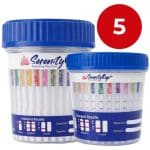
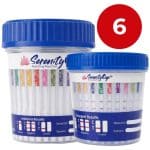
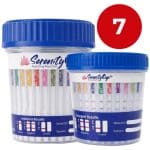
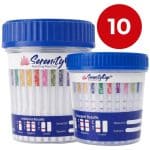
Does Acid Show Up on a Urine Drug Test?

Quick Answer
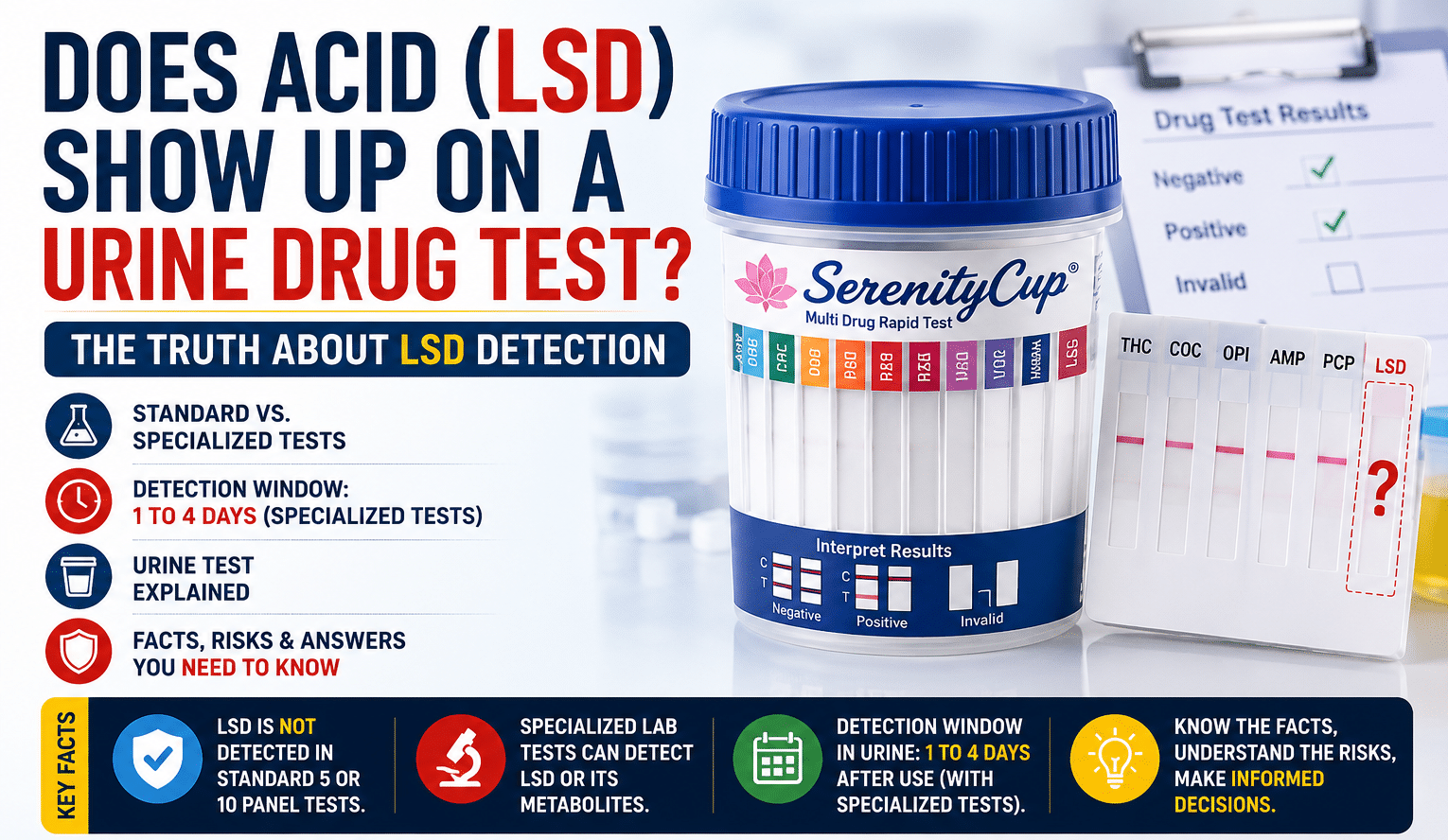
Acid (LSD) usually does not show up on a standard urine drug test. Most routine workplace, pre-employment, and multi-panel urine drug screens are designed to detect commonly tested substances such as marijuana (THC), cocaine, amphetamines, opioids, PCP, benzodiazepines, and other drugs depending on the panel.
LSD, or lysergic acid diethylamide, is generally not included in standard 5-panel or many routine multi-panel drug tests. However, a laboratory can perform a specialized urine test specifically designed to detect LSD or its metabolites.
Because LSD is rapidly metabolized and present in urine at relatively low concentrations, specialized analytical methods may be required. The exact detection period depends on the test method, specimen, dose, timing, metabolism, and other factors.
Does Acid Show Up on a Urine Drug Test?
What Is Acid (LSD)?
Acid is a common street name for LSD (lysergic acid diethylamide), a powerful psychedelic or hallucinogenic substance.
LSD can significantly alter perception, mood, sensory experiences, and the sense of time. It is commonly associated with effects such as:
- Visual hallucinations
- Altered perception of time
- Distorted sensory experiences
- Changes in mood
- Increased heart rate
- Sweating
- Dilated pupils
- Anxiety or panic
- Impaired judgment
Other names associated with LSD include acid, blotter acid, dots, Lucy, yellow sunshine, and window pane.
From a drug-testing perspective, however, the important distinction is that LSD is not routinely included in many standard drug screening panels.
That means a person can use LSD and still receive a negative result on a routine urine drug test—not necessarily because the substance has completely left the body, but because the test may not be designed to look for LSD in the first place.
Does Acid Show Up on a Urine Drug Test?
Usually, no—not on a standard urine drug test.
Most routine urine drug screens use immunoassay technology to screen for a predefined group of drug classes. The substances included depend on the specific test panel.
For example, a traditional 5-panel drug test commonly screens for:
- Marijuana/THC
- Cocaine
- Amphetamines
- Opioids
- PCP
LSD is generally not one of these standard targets.
Therefore, if a urine specimen is tested using a routine panel that does not contain an LSD assay, the test is not expected to report LSD as a positive result.
Important distinction
There is a major difference between:
“LSD is not detected by this test”
and
“LSD cannot be detected in urine.”
The first statement may be true for a standard drug screen. The second is not.
Specialized laboratory testing can be used when LSD detection is specifically requested.
Why Doesn’t LSD Show Up on Most Standard Drug Tests?
There are several reasons LSD is not routinely included in standard urine drug screening.
1. Standard panels test specific drug classes
A drug test does not automatically detect every drug that may be present in a urine sample.
Each panel is configured to detect particular substances or metabolites. If LSD is not one of the analytes included in the test, the test is not designed to identify it.
2. LSD is active at very small amounts
LSD is pharmacologically potent, meaning relatively small quantities can produce noticeable effects.
This creates additional analytical challenges because the amount of parent LSD available for detection can be quite low.
3. LSD is rapidly metabolized
After ingestion, LSD is metabolized relatively quickly. The body converts LSD into several metabolites, some of which may remain at higher concentrations than the parent compound.
One metabolite of particular interest in specialized urine testing is:
2-oxo-3-hydroxy-LSD, sometimes abbreviated as O-H-LSD.
4. Specialized laboratory methods may be necessary
Detecting LSD can require more sensitive analytical techniques than those used in routine screening.
Laboratories may use methods such as:
- Liquid chromatography
- Tandem mass spectrometry
- LC-MS/MS
- UHPLC-MS/MS
- Confirmatory laboratory testing
These methods are different from a basic point-of-care immunoassay used for many routine drug screens.
Does a 5-Panel Drug Test Detect Acid?
A typical 5-panel urine drug test does not test for LSD (acid).
A conventional 5-panel screening generally focuses on major drug categories such as:
| Drug class | Common target |
|---|---|
| Marijuana | THC |
| Cocaine | Cocaine metabolite |
| Amphetamines | Amphetamine/methamphetamine |
| Opioids | Opioid class/analytes |
| PCP | Phencyclidine |
LSD is not normally part of this standard configuration.
However, drug-test panels can vary by manufacturer, employer, laboratory, agency, and testing program. Therefore, the specific test configuration should always be checked rather than assuming every 5-panel test is identical.
Does a 10-Panel Drug Test Detect LSD?
Generally, a standard 10-panel drug test does not include LSD.
A 10-panel test expands the number of substances being screened compared with a basic 5-panel test, but adding more drugs to a panel does not automatically mean LSD is included.
Depending on the configuration, a 10-panel test may include substances such as:
- THC
- Cocaine
- Amphetamines
- Methamphetamine
- Opioids
- PCP
- Benzodiazepines
- Barbiturates
- Methadone
- Propoxyphene or another designated drug class
The exact substances vary between test manufacturers and testing programs.
Always check the analyte list for the specific panel.
Does a 12-Panel Drug Test Detect Acid?
Not necessarily.
The term 12-panel drug test describes the number of drug targets included in a particular test configuration, not a universal list of substances.
Some 12-panel tests may screen for combinations of:
- THC
- Cocaine
- Amphetamines
- Methamphetamine
- Opioids
- PCP
- Benzodiazepines
- Barbiturates
- Methadone
- Oxycodone
- Buprenorphine
- MDMA
Other configurations can be different.
Therefore, a 12-panel urine drug test should not automatically be assumed to detect LSD.
If the test’s listed analytes do not include LSD or an LSD-specific metabolite, the test is not intended to screen for acid.
Can a Urine Test Specifically Detect LSD?
Yes.
Although standard urine drug screens generally do not include LSD, specialized urine testing can detect LSD or its metabolites.
Laboratory testing can use highly sensitive analytical techniques to identify very small quantities of a substance or its metabolic products.
For LSD, laboratories may investigate the parent drug as well as metabolites such as 2-oxo-3-hydroxy-LSD.
This distinction is important because a specialized LSD test is fundamentally different from asking whether LSD will appear on a routine workplace drug screen.
How Long Does Acid Stay in Urine?
The answer depends on what type of test is being used.
There is no single guaranteed detection window for every person or every urine test.
Specialized testing may detect LSD-related compounds for a relatively short period following use, while the exact window can vary according to:
- Dose
- Time since use
- Individual metabolism
- Liver function
- Kidney function
- Test sensitivity
- Laboratory method
- Specific analyte being measured
- Urine concentration
- Sample collection timing
Some published sources report that specialized urine testing may detect LSD or its metabolites for roughly one to several days, but this should not be interpreted as a guaranteed timeframe for every test.
Why detection windows vary
Drug detection is not simply a matter of asking how long a drug “stays in the body.”
A substance can be present at a concentration below a particular test’s detection capability.
Therefore:
Presence in the body ≠ guaranteed positive test result.
The test’s cutoff, sensitivity, specimen type, and analytical method all matter.
What Does a Specialized LSD Urine Test Look For?
A specialized urine test may target LSD itself, metabolites, or both, depending on the laboratory method.
One metabolite frequently discussed in LSD testing is:
2-Oxo-3-Hydroxy-LSD
This is a metabolite formed when the body processes LSD.
Because metabolites can occur at different concentrations and persist differently from the original drug, specialized testing may target metabolites rather than relying exclusively on the parent compound.
Advanced laboratory methods such as LC-MS/MS can provide much greater analytical specificity than a basic immunoassay screening test.
LSD Detection Windows, Test Types & What Results Mean
How Long Does LSD Stay in the Body?
LSD is absorbed and metabolized relatively quickly.
Its effects can last considerably longer than the period during which high concentrations of the parent compound remain in the bloodstream.
This is an important distinction:
How long LSD’s effects last is not the same as how long LSD can be detected by a drug test.
Detection depends on the specimen and analytical method.
How Long Can LSD Be Detected in Urine?
Urine is commonly used for drug screening because it is relatively easy to collect and can provide a longer detection period than blood for many substances.
For LSD, however, routine urine screening generally does not include the drug.
A specialized urine test may be capable of detecting LSD or its metabolites for a limited period following use.
Published estimates vary, with some sources reporting detection for approximately 1–4 days under certain testing conditions.
However, this range should be treated as an estimate rather than a guaranteed result.
A negative specialized test does not necessarily prove that LSD was never used, particularly if:
- The sample was collected outside the test’s detection window.
- The concentration was below the laboratory cutoff.
- The test targeted a different analyte.
- The specimen was unsuitable.
- The analytical method had different sensitivity.
Can a Blood Test Detect LSD?
Yes. Specialized laboratory analysis can detect LSD in blood.
However, the detection window in blood is generally much shorter than the potential detection period associated with some urine testing.
Blood testing is more commonly used in specific clinical, forensic, or investigative situations rather than routine workplace drug screening.
Advanced laboratory methods may be required because LSD concentrations can be very low.
Can a Saliva Test Detect Acid?
LSD is not routinely included in standard oral-fluid drug testing panels.
A specialized laboratory method could potentially be used to investigate LSD in oral fluid, but this is different from a standard workplace saliva panel.
When someone asks whether a mouth swab drug test detects acid, the correct answer is therefore:
It depends on the substances included in the specific oral-fluid test. Standard oral-fluid panels generally do not include LSD.
Can a Hair Test Detect LSD?
Hair testing can provide a much longer retrospective detection period for many drugs because substances and their metabolites can become incorporated into growing hair.
However, LSD presents analytical challenges because it is active at very low doses.
Specialized hair analysis may be possible, but hair testing for LSD is not comparable to routine workplace drug screening and is not commonly included in ordinary drug-test panels.
Acid vs. Standard Drug Tests: What You Need to Know
The biggest misconception surrounding LSD drug testing is that every drug test checks for every drug.
It doesn’t.
A drug test is an analytical test with a defined target list.
For example:
A THC test looks for THC or a specified THC metabolite.
A cocaine test looks for cocaine-related analytes.
An LSD-specific test is designed to detect LSD or its relevant metabolites.
If LSD isn’t included in the panel, the test generally isn’t going to suddenly identify it simply because it is present in the specimen.
Can LSD Cause a False Positive for Another Drug?
LSD is structurally and pharmacologically different from most substances included in common urine immunoassay panels.
Therefore, LSD itself is not generally expected to produce a positive result for common drug classes such as THC, cocaine, amphetamines, opioids, or PCP.
However, immunoassay screening tests can occasionally produce unexpected or cross-reactive results for various reasons.
If an unexpected positive occurs, a confirmatory laboratory test can help determine whether the initial screening result represents the target substance.
What Happens If a Drug Test Is Positive?
A screening result is not always the final answer.
Many drug-testing programs distinguish between:
Screening test
An initial test designed to rapidly identify specimens that may contain a target drug or drug class.
Confirmatory test
A more specific laboratory analysis used to identify and quantify a particular substance or metabolite.
Confirmatory testing can involve sophisticated analytical techniques such as mass spectrometry.
This is especially important when the result has employment, legal, medical, athletic, or other significant consequences.
Why Cutoff Levels Matter in LSD Testing
A drug test does not simply ask:
“Is any amount of LSD present?”
Instead, testing generally involves an analytical cutoff or reporting threshold.
The concentration in the specimen must meet the criteria established by the particular test or laboratory before the result is reported as positive.
This is why two tests performed at different times or using different analytical methods may not produce identical results.
Important factors include:
- Cutoff concentration
- Test sensitivity
- Specificity
- Sample type
- Drug concentration
- Metabolite concentration
- Collection timing
- Laboratory methodology
Factors That Can Affect LSD Detection in Urine
Several variables can influence whether specialized testing identifies LSD or its metabolites.
Time Since Use
The longer the interval between use and sample collection, the more likely concentrations may decline.
Dose
The amount taken can influence the amount of drug and metabolites available for detection.
Individual Metabolism
People metabolize substances at different rates.
Liver and Kidney Function
The liver plays a major role in drug metabolism, while the kidneys are involved in eliminating many metabolites through urine.
Test Method
An immunoassay, specialized laboratory assay, and mass-spectrometry-based test do not necessarily have the same analytical capabilities.
Detection Cutoff
A substance may be present but below the concentration required for a positive report.
Specimen Quality
The characteristics of a urine specimen can also affect analytical interpretation.
Is LSD Included in Every Multi-Panel Drug Test?
No.
This is one of the most important points for anyone researching multi-panel drug testing.
The number of panels does not automatically tell you every substance included in the test.
A 12-panel, 14-panel, or 16-panel drug test can have different configurations depending on the manufacturer or testing program.
For this reason, always review the specific analyte list.
If LSD is not listed, you should not assume the test screens for acid.
Does Acid Show Up on a DOT Drug Test?
A standard U.S. DOT-regulated urine drug test is designed around a specific federally regulated panel.
LSD is not part of the standard DOT drug-testing panel.
However, employers and organizations can have additional testing policies outside the federally regulated panel where legally permitted.
Therefore, the distinction between a DOT panel and an employer’s broader testing program is important.
Does Acid Show Up on a Pre-Employment Drug Test?
In most routine pre-employment drug screens, LSD is not a standard target.
Many employers use common drug-testing panels that focus on substances such as:
- THC
- Cocaine
- Amphetamines
- Opioids
- PCP
- Benzodiazepines or other substances depending on the panel
If an employer specifically requests LSD testing, a specialized laboratory test may be ordered.
Does Acid Show Up on a Probation or Court Drug Test?
It depends on the testing program.
Probation, court, rehabilitation, and forensic programs may use broader or customized testing than a basic workplace screen.
If LSD testing is specifically ordered, a specialized test can be used.
Therefore, the safest answer is:
A routine panel may not detect LSD, but a customized or specialized forensic drug test can be designed to look for it.
Does LSD Stay Longer Than THC?
You should not compare detection windows simply by asking which drug “stays longer.”
THC and LSD have different pharmacokinetics, metabolites, testing methods, and routine panel availability.
For THC, standard urine drug testing commonly targets THC metabolites.
For LSD, standard urine panels generally do not include an LSD target.
So the practical question is not only how long the substance remains in the body, but also:
Is the test actually designed to detect it?
Standard Urine Drug Test vs. Specialized LSD Test
| Feature | Standard Urine Drug Screen | Specialized LSD Test |
|---|---|---|
| LSD routinely included? | Usually no | Yes, if specifically ordered |
| Common workplace use | Yes | Less common |
| Tests common drug classes | Yes | May target LSD |
| LSD metabolite analysis | Usually no | Possible |
| Advanced analytical methods | Not always | Often required |
| Designed specifically for LSD? | No | Yes |
| Detection depends on cutoff | Yes | Yes |
Key Takeaway: Does Acid Show Up on a Urine Drug Test?
If you’re asking “does acid show up on a urine drug test?”, the most accurate answer is:
Acid (LSD) usually does not show up on a standard urine drug test because LSD is not routinely included in common drug-testing panels. However, specialized laboratory urine testing can detect LSD or its metabolites when LSD testing is specifically ordered.
A 5-panel, 10-panel, or 12-panel test should therefore not automatically be assumed to include LSD. The actual analyte list determines what the test can detect.
Frequently Asked Questions
Does acid show up on a urine drug test?
Usually not on a standard urine drug screen. LSD is not routinely included in many common drug panels. A specialized urine test can be ordered specifically to detect LSD or its metabolites.
Does LSD show up on a 5-panel drug test?
No, LSD is generally not included in a standard 5-panel drug test. A typical 5-panel focuses on common drug classes such as THC, cocaine, amphetamines, opioids, and PCP.
Does LSD show up on a 10-panel drug test?
Generally, no. A standard 10-panel test typically does not include LSD, although exact configurations vary by manufacturer and testing program.
Does LSD show up on a 12-panel drug test?
Not necessarily. A 12-panel test does not have one universal drug list. You need to check the specific test’s analytes to determine whether LSD is included.
How long does acid stay in urine?
Specialized urine testing may detect LSD or its metabolites for a relatively short period after use, with published estimates varying from roughly one to several days. The actual detection window depends on the test method, cutoff, timing, dose, metabolism, and other factors.
Can a standard drug test detect LSD?
Usually not. Standard drug screens generally focus on predefined drug classes and do not routinely include LSD.
Can a special drug test detect acid?
Yes. Specialized laboratory testing can be used to detect LSD or specific LSD metabolites in biological specimens.
What LSD metabolite is detected in urine?
One important metabolite associated with LSD testing is 2-oxo-3-hydroxy-LSD. Specialized laboratory methods may target this or other relevant analytes.
Can LSD cause a false positive on a drug test?
LSD is not generally expected to cause a positive result for common drug classes such as THC, cocaine, amphetamines, opioids, or PCP. Unexpected screening results should be evaluated with appropriate confirmatory testing.
Does a urine test detect LSD better than a blood test?
The answer depends on the testing method and collection timing. Blood generally provides a shorter detection window, while specialized urine testing can identify LSD-related compounds for a longer period under some circumstances.
Does a mouth swab test detect acid?
LSD is not routinely included in standard oral-fluid drug panels. Specialized testing may be possible when specifically requested.
Can a hair drug test detect LSD?
Specialized hair analysis may be capable of detecting LSD-related compounds, but LSD is not commonly included in routine hair drug-testing panels.
Does a DOT drug test test for LSD?
LSD is not part of the standard DOT-regulated drug-testing panel. Additional testing may be subject to separate employer or program requirements.
Does acid show up on a pre-employment drug test?
Most routine pre-employment drug screens do not test for LSD. Whether LSD is tested depends on the specific panel and testing program.
Can a 12-panel drug test detect every drug?
No. The number “12-panel” refers to the number of targets in a particular configuration. It does not mean the test detects every possible drug.
Why doesn’t LSD show up on a normal drug test?
Because the test is designed to detect specific drugs or metabolites. If LSD is not one of the test’s targets, the standard screen is not designed to identify it.
What is the difference between a screening test and a confirmatory test?
A screening test provides an initial result, often using immunoassay technology. A confirmatory test uses a more specific analytical method to identify a particular drug or metabolite.
Can a drug test be negative even if LSD was used?
Yes. A routine test may be negative simply because it does not include LSD. Even a specialized test can produce a negative result if the substance or metabolite is below the laboratory’s reporting threshold or the specimen is collected outside the applicable detection period.
Does the number of panels determine whether LSD is tested?
No. A higher panel number does not automatically mean LSD is included. Always check the actual analyte list.
What should I check before choosing a urine drug test?
Check the panel configuration, individual analytes, cutoff levels, specimen type, intended use, regulatory status, and whether the test is designed to detect the specific substance of interest.