



Drug Screening Accuracy: Complete Guide for 2024


Drug Screening Accuracy: Complete Guide for 2024
Did you know that over 22 million drug tests are conducted each year in the United States alone? With drug screening playing such a huge role in workplaces and medical settings, many people still misunderstand what these tests actually reveal. Misconceptions about accuracy and reliability can lead to serious consequences for both individuals and organizations. Understanding the facts behind drug testing and how results are measured clears up confusion and helps everyone make more informed decisions.
Table of Contents
- Defining Drug Screening Accuracy And Common Myths
- Types Of Drug Screening Tests Explained
- How Drug Test Accuracy Is Measured
- Legal Standards And Industry Guidelines
- Factors That Affect Drug Screening Results
Key Takeaways
| Point | Details |
|---|---|
| Drug Tests Are Not Infallible | Drug screening accuracy is influenced by various factors including medications, metabolism, and testing procedures, making interpretation of results complex. |
| Different Types of Testing Methods | Common drug tests include urine, blood, saliva, and hair, each with distinct detection windows, sample types, and advantages. |
| Importance of Confirmatory Testing | Initial drug screening results should be validated through confirmatory laboratory tests to ensure reliability and accuracy. |
| Legal Considerations in Drug Testing | Organizations must navigate legal frameworks ensuring test accuracy, employee privacy, and compliance with relevant laws like the ADA. |
Defining Drug Screening Accuracy and Common Myths
Drug screening accuracy is far more nuanced than most people realize. Drug tests are specialized tools designed to detect the presence of specific substances in biological samples like urine, blood, or hair. According to the FDA, these tests are typically qualitative, meaning they indicate whether a drug is present but not its precise quantity or concentration.
Contrary to popular belief, drug screening is not an infallible process. As research from the National Institute on Drug Abuse indicates, these tests cannot diagnose substance use disorders or determine the frequency and severity of drug use. Multiple factors can influence test results, including:
- Certain medications
- Specific foods
- Individual metabolism rates
- Testing procedure inconsistencies
- Laboratory processing variations
Understanding these complexities is crucial for interpreting drug test results accurately. For a deeper exploration of testing methods, check out our saliva test kits guide, which provides additional insights into detection techniques and potential challenges in drug screening accuracy.
Types of Drug Screening Tests Explained
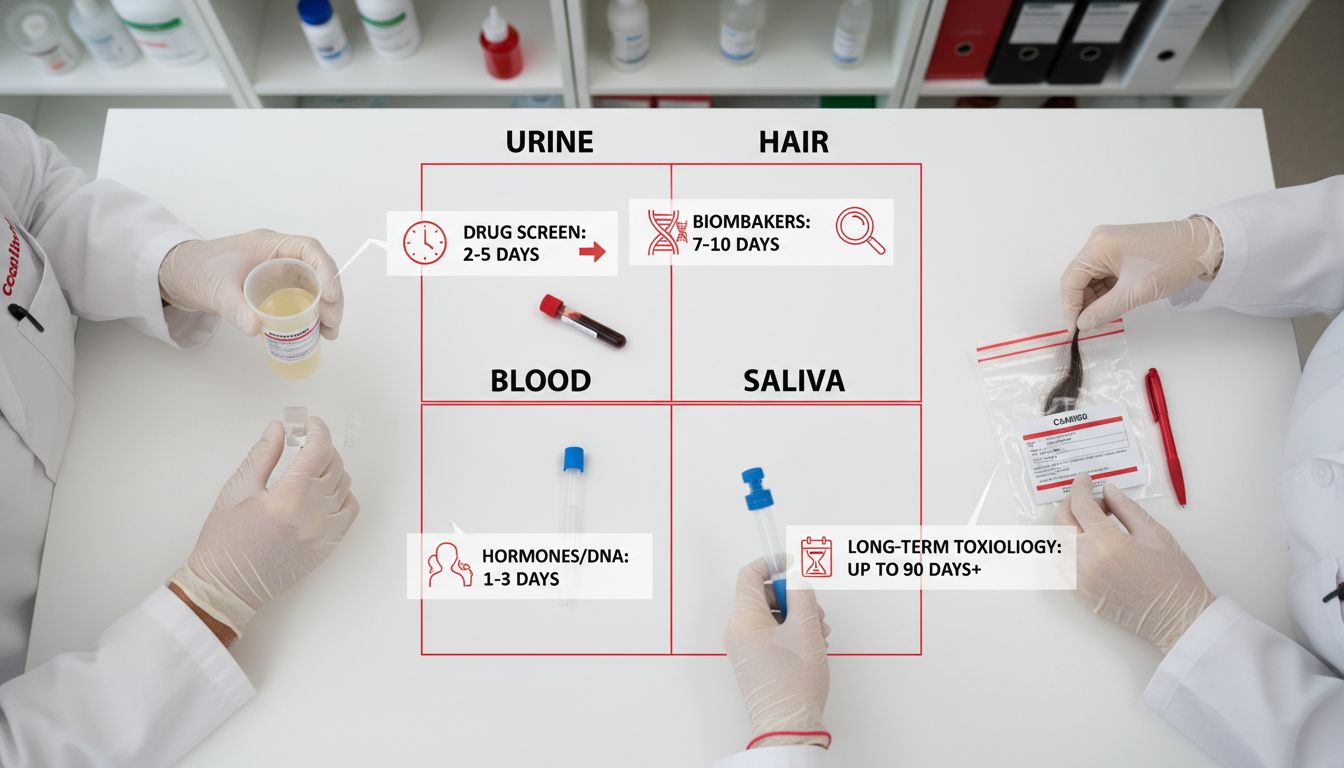
Drug screening involves multiple testing methods, each with unique characteristics and detection capabilities. According to Cleveland Clinic, the most common types of drug tests include urine, blood, saliva, and hair tests. Understanding these different approaches helps organizations and individuals choose the most appropriate screening method.
Here’s a comparison of common drug screening methods:
| Test Type | Detection Window | Sample Type | Key Advantages |
|---|---|---|---|
| Urine | 1-7 days | Urine | Wide substance range Cost-effective Non-invasive |
| Blood | Hours-2 days | Blood | High accuracy Detects recent use |
| Saliva | 1-48 hours | Saliva | Simple collection Rapid results |
| Hair | Up to 90 days | Hair | Long detection window Hard to adulterate |
Urine Tests are the most frequently utilized drug screening method. They offer several advantages:
- Wide detection range for multiple substances
- Cost-effective screening option
- Relatively non-invasive collection process
- Capable of detecting recent drug use
For those looking to understand multi-panel testing strategies in depth, our guide on choosing multi-panel drug tests provides comprehensive insights into selecting the right testing approach for specific needs. Each testing method offers unique benefits, and the selection depends on factors like detection window, substances being tested, and specific screening requirements.
How Drug Test Accuracy Is Measured
Measuring drug test accuracy is a complex process involving two critical metrics: sensitivity and specificity. According to the National Institute on Drug Abuse, these metrics help determine the reliability of drug screening methods. Sensitivity measures a test’s ability to correctly identify individuals using drugs, while specificity evaluates the test’s capability to accurately rule out false positives.
Multiple factors can impact drug test accuracy:
- Timing of the test relative to drug use
- Potential cross-reactivity with other substances
- Individual metabolic differences
- Sample collection and handling procedures
Initial screening tests often require confirmatory laboratory testing to verify results. The FDA recommends additional verification to ensure the most accurate outcomes.
For those seeking deeper insights into testing methodologies, our guide comparing oral swab and urine tests provides comprehensive information about different testing approaches and their unique accuracy considerations.
Legal Standards and Industry Guidelines
Drug testing in professional environments is governed by a complex framework of legal standards that protect both employers and employees. According to the Substance Abuse and Mental Health Services Administration, federal laws like the Americans with Disabilities Act (ADA) play a critical role in shaping drug testing policies, particularly regarding discrimination protections for individuals with substance use treatment histories.
Key legal considerations in drug testing include:
- Ensuring test accuracy and precision
- Maintaining sensitivity and specificity of testing methods
- Implementing robust quality assurance practices
- Protecting employee privacy rights
- Maintaining consistent testing protocols
Navigating these legal complexities requires careful strategy. The Office of Justice Programs emphasizes the importance of comprehensive legal compliance in drug testing programs. For organizations seeking structured guidance, our workplace drug testing checklist provides a systematic approach to developing legally sound testing procedures that balance organizational needs with employee rights.
Factors That Affect Drug Screening Results
Drug screening results are influenced by a complex interplay of biological, environmental, and procedural factors. According to the FDA, multiple variables can significantly impact the accuracy and reliability of drug tests, making it crucial to understand these potential influences.
Key factors affecting drug screening results include:
- Individual metabolism: How quickly a person’s body processes and eliminates substances
- Drug use frequency and quantity: Recent and long-term consumption patterns
- Time elapsed since drug use: Detection windows vary by substance and testing method
- Cross-reactivity with medications: Potential interactions with prescription or over-the-counter drugs
- Sample collection and handling procedures: Potential for contamination or improper storage
The National Institute on Drug Abuse emphasizes that confirmatory testing is essential to validate initial results. For professionals navigating the complexities of drug screening, our guide on false positives provides deeper insights into understanding and mitigating potential testing inaccuracies.
Ensure Drug Screening Accuracy with Trusted Testing Supplies
Understanding the complexity of drug screening accuracy is essential for reliable results. The challenges of sensitivity, specificity, and factors like metabolism or sample handling can feel overwhelming. You want testing supplies that not only meet legal standards but also help minimize false positives and maximize detection reliability.
Take control of your drug screening process today with high-quality tools from 12 Panel Now. Our selection supports various testing methods like urine, saliva, and more, designed to help you meet your screening goals confidently. Don’t settle for uncertainty when your results impact health, safety, and compliance. Visit 12 Panel Now now and equip yourself with reliable drug testing supplies tailored for professionals.
Explore our resources including the guide on choosing multi-panel drug tests and the comparison of oral swab and urine tests to optimize your screening approach.
Frequently Asked Questions
What is drug screening accuracy?
Drug screening accuracy refers to the reliability of drug tests in detecting the presence of specific substances in biological samples, indicating whether drugs are present but not their precise quantity.
What factors can affect drug screening results?
Factors that can affect drug screening results include individual metabolism, frequency and quantity of drug use, time elapsed since drug use, cross-reactivity with medications, and sample collection and handling procedures.
How is the accuracy of drug tests measured?
The accuracy of drug tests is measured through two key metrics: sensitivity, which assesses the test’s ability to correctly identify drug use, and specificity, which evaluates the test’s capability to rule out false positives.
What are the common types of drug screening tests?
Common types of drug screening tests include urine, blood, saliva, and hair tests. Each method has unique detection windows, sample types, and advantages depending on the context of use.
Recommended
- Drug Testing FAQs: Common Questions Answered – 12PanelNow | 12 Panel Drug Test | Free Shipping
- 5 Best Drug Test Cups for Workplace Screening – 12 Panel Now
- Ultimate Guide to Bulk Drug Test Purchasing – 12PanelNow | 12 Panel Drug Test | Free Shipping
- Oral Swab vs Urine Tests: Which Is Better? – 12PanelNow | 12 Panel Drug Test | Free Shipping