Drug Test Collector Training: How to Qualify, Stay Compliant & Build a Collection Business

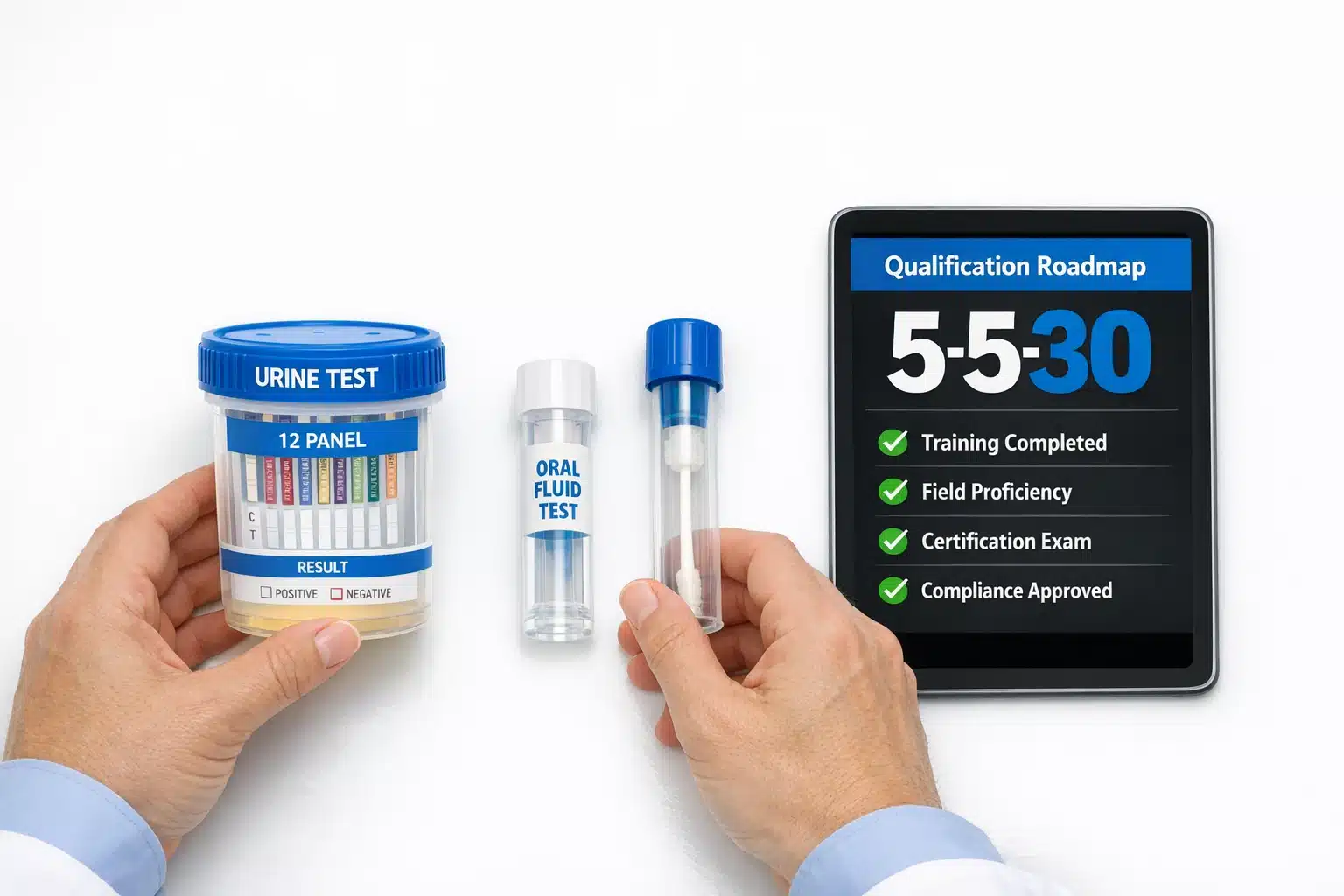
Every qualified drug test collector operates under the “5-5-30” rule: you must perform 5 mock collections to get qualified, you must renew your qualification every 5 years, and you have just 30 days to complete error-correction training after making a “fatal flaw.” This isn’t just regulatory trivia; it’s the framework that separates a compliant, profitable collection business from one vulnerable to audits, fines, and lawsuits.
Whether you’re an in-house safety officer seeking DOT qualification or an entrepreneur mapping out a mobile collection business, the goal is the same: achieve and maintain a defensible, qualified status. This guide moves beyond basic procedures to provide a strategic roadmap for navigating the training, ethics, and business decisions you’ll face in 2026.

Use this roadmap to quickly identify your collection path, what rules apply, and whether oral fluid testing is operational yet—so you train and invest in the right direction.
Who Needs Drug Test Collector Training?
Drug test collector training supports a wide range of professionals beyond traditional collection sites. As workplace drug testing expands across transportation, healthcare, manufacturing, construction, education, and government sectors, qualified collectors continue to be in demand.
Common candidates for collector qualification include occupational health professionals, human resources personnel, safety managers, third-party administrators (TPAs), independent contractors, mobile collection providers, and entrepreneurs launching drug testing businesses. Many employers also invest in training in-house staff to improve scheduling flexibility while maintaining compliance with federal or company testing policies.
Understanding your intended collection environment helps determine whether DOT, non-DOT, urine, oral fluid, or multi-program training best aligns with your professional goals.
Your first step: Understanding “Qualification” vs. “Certification”
Many training providers use the term “certification,” but according to the Department of Transportation’s 49 CFR Part 40, collectors are officially “qualified.” This isn’t just semantics; it’s a critical distinction. Qualification means you have successfully completed two specific components of training, proving you can handle collections according to federal regulations.
Claiming to be “certified” when the DOT doesn’t use that term can be a red flag during an audit. True qualification is about provable competence, not just a certificate of completion.
Decoding the two components of DOT training
Becoming a qualified collector under 49 CFR Part 40 requires mastering both procedural knowledge and hands-on skills. The training is intentionally split into two parts to ensure you can perform flawlessly under real-world pressure.

See what each DOT training component actually covers, what proof you need, and why the 5-5-30 rule matters for staying qualified and audit-ready.
- Component 1: Procedural Rules & Knowledge: This is the foundational theory, typically completed online. You’ll learn the step-by-step process for urine and/or oral fluid collection, security protocols, and how to handle documentation like the Federal Drug Testing Custody and Control Form (CCF).
- Component 2: Proficiency Demonstration: This is where theory meets practice. You must perform five error-free mock collections under the direct observation of a qualified monitor. These collections must include two normal scenarios, one “shy bladder” scenario, and two scenarios involving refusal to test. This hands-on evaluation is non-negotiable for DOT qualification.
Finding a qualified monitor for your five mock collections is often the biggest hurdle for new collectors. Look for established collectors, training organizations, or professional associations in your area that offer this service.
Understanding the Five Mock Collection Requirements
The mock collections required during drug test collector training are intentionally designed to expose candidates to situations they are likely to encounter during actual workplace collections. Rather than testing memorization alone, proficiency demonstrations evaluate decision-making, professionalism, and procedural accuracy under controlled conditions.
Each scenario focuses on different regulatory requirements. Standard collections confirm proper documentation and specimen handling, while refusal and shy bladder scenarios assess whether collectors can follow federal procedures without improvising or introducing compliance risks.
Many first-time candidates discover that documentation accuracy—not specimen collection itself—is the most challenging aspect of proficiency demonstrations. Careful attention to specimen identification numbers, collector signatures, timing requirements, donor instructions, and chain-of-custody documentation significantly improves success during qualification assessments.
Maintaining Collector Qualification
Completing drug test collector training is only the beginning of maintaining long-term compliance. Federal requirements emphasize ongoing competency, meaning collectors must remain current with regulatory changes, refresher training, and proficiency expectations throughout their careers.
Under the DOT’s “5-5-30” framework, collectors must complete refresher qualification every five years and successfully perform new mock collections if required. In addition, any fatal flaw requiring error-correction training must be addressed within 30 days to restore compliance.
Employers also play an important role by maintaining qualification records, monitoring collector performance, documenting corrective actions, and ensuring collectors continue following current federal guidance as regulations evolve.
The ethical edge: Navigating real-world collection challenges
Following the checklist is mandatory, but ethical conduct is what builds trust and protects you from liability. Your training prepares you for the rules, but experience prepares you for the people.
Consider these common “grey area” scenarios that basic training often overlooks:
- Donor Privacy and Gender Identity: The SAMHSA 2024 Urine Specimen Collection Handbook emphasizes donor dignity. When conducting an observed collection, especially involving transgender donors, professionalism and respect are paramount. Your procedures must be consistent and non-discriminatory, always prioritizing the donor’s privacy within the bounds of the regulation.
- Managing an Anxious or Aggressive Donor: A collection site, whether it’s a brick-and-mortar clinic or the back of a work truck, can be a tense environment. Your role is to remain calm, professional, and in control. De-escalation techniques and a firm, clear understanding of the refusal-to-test criteria are your most important tools.
- The “Shy Bladder” Protocol: The regulations provide a clear, multi-step process for when a donor cannot provide a sufficient specimen. Your ethical duty is to follow this process exactly, providing the donor with up to three hours and 40 ounces of fluid, without exerting pressure or showing frustration.
Your professionalism in these moments defines your reputation.
Fatal flaw prevention: Your shield against compliance risk
A “fatal flaw” is a collection error so significant that it requires the laboratory to cancel the test. These are not minor clerical mistakes; they are procedural failures that compromise the integrity of the specimen. Common examples include a broken specimen seal, a mismatched specimen ID on the bottle and the CCF, or a missing collector signature.

Turn audit anxiety into action: follow the checklist, watch the common risk triggers, and know exactly what to do if a fatal flaw happens.
If a fatal flaw is identified, you must undergo error-correction training within 30 days. The best strategy is prevention. A meticulous, step-by-step approach to every single collection is your only defense. Always double-check labels, seals, and signatures before the donor leaves your presence.
Collection Site Best Practices
Whether operating from a permanent clinic or a mobile collection vehicle, collectors should establish standardized workflows that promote efficiency while protecting specimen integrity. A well-organized collection environment supports regulatory compliance and improves the donor experience.
Collection areas should be prepared before appointments begin, with all required documentation, collection supplies, tamper-evident materials, personal protective equipment, and shipping materials readily available. Minimizing unnecessary interruptions helps maintain chain-of-custody integrity throughout the collection process.
Collectors should also verify equipment functionality, maintain adequate inventory levels, and routinely inspect collection supplies for expiration dates or damaged packaging before use. These simple operational habits contribute to smoother daily operations and reduce unnecessary delays.
Recordkeeping & Audit Readiness
Comprehensive recordkeeping forms the foundation of every compliant drug testing program. Accurate documentation demonstrates that collectors followed approved procedures while providing employers and auditors with evidence supporting regulatory compliance.
Important records include qualification documentation, mock collection evaluations, refresher training certificates, corrective action records, standard operating procedures, and internal quality assurance reviews. Maintaining organized files simplifies regulatory inspections while reducing administrative burden during client audits.
Routine internal audits provide opportunities to identify documentation gaps before external inspections occur. Reviewing chain-of-custody forms, specimen logs, collector qualifications, and training records on a scheduled basis helps maintain a culture of continuous compliance rather than reactive correction.
The mobile collector’s blueprint: From qualification to business
For entrepreneurs, qualification is just the beginning. Launching a mobile drug testing business requires a strategic plan and an initial investment that industry analysis places between $9,000 and $22,000. Your focus should be on building a reliable, professional, and compliant operation from day one.

Evaluate the real startup cost, prioritize must-have purchases, and stage add-ons—especially if you’re waiting on DOT oral fluid lab readiness to expand services.
Your startup checklist must include:
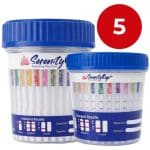
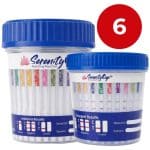
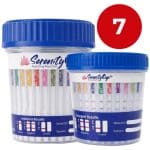
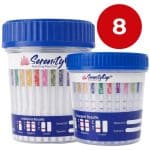
- Essential Supplies: Your reputation depends on the quality of your tools. Start with a reliable stock of CLIA-waived supplies, including multi-panel urine analysis cups, specimen bags, and temperature strips.
- Lab Partnership: As a collector, you don’t perform the analysis. You need an account with a SAMHSA-certified laboratory. Research their turnaround times, customer support, and integration with third-party administrators (TPAs).
- Insurance: Secure general liability and professional liability (Errors & Omissions) insurance. This is non-negotiable protection for your business.
Career Opportunities for Qualified Collectors
Drug test collector training opens opportunities across multiple industries. Qualified collectors may work in occupational health clinics, hospitals, mobile collection companies, manufacturing facilities, transportation organizations, third-party administrators, government agencies, staffing firms, and independent consulting businesses.
Many experienced collectors eventually expand beyond specimen collection by offering workplace drug testing program management, on-site employer services, compliance consulting, or training support for additional collection personnel. These expanded services create new revenue opportunities while strengthening long-term client relationships.
As oral fluid testing becomes more widely adopted, qualified collectors who develop expertise across multiple specimen types will be well positioned to meet evolving employer requirements.
Essential Equipment for Professional Collectors
Professional collectors rely on more than specimen cups alone. Maintaining an efficient collection program requires dependable equipment, organized inventory management, and consistent quality standards.
A complete collection toolkit typically includes collection cups, oral fluid devices, Federal Drug Testing Custody and Control Forms (CCFs), tamper-evident specimen seals, specimen transport bags, temperature strips, personal protective equipment (PPE), secure shipping materials, and appropriate cleaning supplies.
Investing in professional-grade equipment improves collection consistency while reducing unnecessary delays, documentation errors, and specimen handling issues. Reliable supplies support both collector confidence and client satisfaction.
The 2026 oral fluid opportunity
While the DOT authorized oral fluid testing in 2023, the industry is still in a transitional period as laboratories complete the rigorous HHS certification process. This “waiting period” creates a strategic opportunity.
By the time labs are fully operational and accepting samples at scale in 2026, collectors who are already qualified for oral fluid collection will have a significant first-mover advantage. They can offer this less-invasive method immediately, capturing clients who have been waiting for the new federal standard. Preparing now means you can market this service the moment it becomes widely available, positioning your business ahead of the competition. Stocking reliable, oral swabs ensures you are ready to meet this emerging demand.
Your next step is clear
Whether you are reinforcing compliance within your organization or launching a new business venture, your success hinges on a foundation of proper qualification, ethical practice, and reliable supplies. The rules are complex, but the path is clear: train correctly, operate ethically, and equip yourself professionally.
To build your collection toolkit, explore our full range of CLIA-waived and testing supplies designed for professional collectors.