How Long Does ETG Stay In Urine?


Key Takeaways
- Detection Window Varies: How long ETG stays in urine ranges from 24 to 80 hours depending on the amount of alcohol consumed, individual metabolism, hydration, and kidney function.
- Cutoff Levels Matter: The threshold used in an ETG test, whether 100 ng/mL or 500 ng/mL, directly affects how long ETG is detectable and whether a result comes back positive or negative.
- Confirmation Is Essential: Positive ETG screens from point-of-care tests are presumptive results, and laboratory confirmation is strongly recommended before any legal, clinical, or compliance decisions are made.
Testing positive for alcohol days after your last drink isn’t a test malfunction—it’s exactly how EtG testing is designed to work. Ethyl glucuronide (EtG) is a direct metabolite produced as the body processes ethanol. Unlike a standard breathalyzer or traditional screening, an EtG urine test does not measure active intoxication. Instead, it detects whether alcohol was consumed at all, often long after any physical impairment has passed. For probation programs, court-ordered monitoring, and rehabilitation settings, this distinction is critical. Misunderstanding the EtG detection window can lead to avoidable disputes, misread results, and gaps in monitoring protocols.
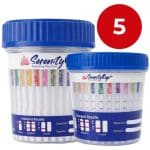
12 Panel Now is the largest drug test supplier in the United States, with over 15 million products in stock at all times. As the manufacturer of the Serenity Cup brand, 12 Panel Now supplies CLIA waived and FDA approved drug testing products to some of the most demanding institutions in the country, including the US Army, federal and state courts, probation departments, jails, rehab centers, and government agencies. That depth of experience across high-stakes testing environments informs every resource published under the brand.
This article examines how long ETG stays in urine, what factors affect the ETG detection time, and what administrators and individuals should understand about ETG urine detection windows before relying on results.
ETG Detection Time: What The Research Actually Shows
While clinical literature typically cites a 24-to-72-hour window, EtG can remain detectable in urine for up to 80 hours. This timeframe isn’t fixed; it fluctuates based on consumption levels, metabolic speed, and individual biology.
Heavy or prolonged drinking produces higher EtG concentrations, extending the detection window. While a single drink might clear the system within 24 hours, heavy consumption often pushes results past the 48-hour mark. Factors like body weight, hydration, and kidney function further influence these rates.
Test sensitivity also plays a decisive role. A lower cutoff (100 ng/mL) flags EtG for much longer than the standard 500 ng/mL threshold. Because of these variables, two people with identical drinking patterns may yield different results, making it essential for compliance programs to understand the specific sensitivity of the tests they use.
ETG Urine Detection Window In Testing Contexts: What Administrators And Individuals Should Know
Understanding the ETG urine detection window is only part of the picture. How that window applies in real testing situations depends on the policies, cutoff levels, and confirmation protocols already in place. There are several practical considerations worth reviewing before drawing conclusions from an ETG result:
Cutoff Levels Determine What Gets Flagged
Not all ETG tests operate at the same sensitivity. The two most common cutoff thresholds are 100 ng/mL and 500 ng/mL. Programs focused on strict abstinence monitoring, such as drug courts or probation supervision, often use the lower threshold to catch even minimal alcohol exposure. Workplace or general compliance programs may use the 500 ng/mL cutoff to reduce the likelihood of a positive result from incidental exposure, such as certain foods or hygiene products containing trace alcohol.
How Long ETG Is Detectable Depends On More Than Time
The ETG urine test detection window is not a simple countdown from the last drink. Factors such as fluid intake, urine concentration, kidney function, and the volume of alcohol consumed all determine how long ETG remains detectable. For instance, a heavily diluted sample may return a negative result prematurely, while dehydration can concentrate urine and extend the detection window. Because of these variables, results in legal or clinical contexts should always be confirmed by a licensed laboratory. At 12 Panel Now we provide a comprehensive selection of reliable urine tests and screening supplies designed for accurate, high-volume monitoring.
Interpreting Results Requires Context
A positive ETG result indicates recent alcohol exposure but does not specify how much was consumed or when. Administrators using ETG testing as part of a compliance or monitoring program should pair screening results with documented policies and, when necessary, confirmatory testing. Positive screens from point-of-care ETG tests are presumptive results and are not considered definitive without laboratory confirmation.

Final Thoughts
ETG testing offers a meaningful advantage over standard alcohol screening precisely because it extends the visibility window beyond intoxication. For anyone managing compliance programs, court-ordered monitoring, or abstinence verification, knowing how long ETG stays in urine and what influences that window is essential to interpreting results accurately and fairly. The detection period is not a fixed number, and treating it as one can lead to avoidable errors in judgment.
12 Panel Now has built its reputation by supplying accurate, compliant testing products to the institutions and professionals who need reliable answers. When the stakes are high, the quality of the test matters as much as the protocol behind it. Choosing the right tool, understanding its thresholds, and confirming results through proper channels are the steps that turn a screening result into a defensible, actionable finding.
Frequently Asked Questions About How Long Does ETG Stay In Urine
Can ETG be detected in urine after just one drink?
Yes. Even a single drink can produce a detectable ETG level, though the window is typically shorter than after heavier consumption. Individual metabolism and test sensitivity both influence the outcome.
Does drinking water help clear ETG from urine faster?
Hydration does not eliminate ETG from the body faster. It may dilute the sample enough to read below a cutoff threshold, which is why diluted specimens are often flagged during testing.
Can ETG show up positive from mouthwash or other non-beverage sources?
Some mouthwashes and certain foods contain trace alcohol that could trigger a positive at lower cutoff levels. Confirmatory laboratory testing is recommended before any formal action is taken.
How does ETG testing differ from a breathalyzer test?
A breathalyzer measures current intoxication. ETG testing detects a metabolite that remains in urine long after impairment has passed. The two tests serve different purposes and are not interchangeable.
Is ETG testing used in workplace drug testing programs?
It is used in some workplaces with strict alcohol-free policies, but it is more common in court-ordered monitoring, probation, and rehabilitation settings where abstinence verification is required.
How is a urine ETG test different from an ETG hair follicle test?
Both detect the same metabolite, but urine ETG tests have a window of roughly 24 to 80 hours. Hair follicle ETG tests can extend detection to 90 days or more.
What happens if an ETG urine test comes back positive unexpectedly?
An unexpected positive should not be treated as a final determination. Confirmatory laboratory testing can verify the result and rule out incidental exposure before any compliance decisions are made.