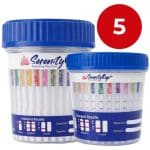
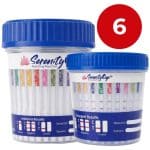
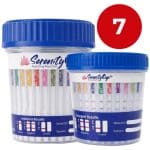
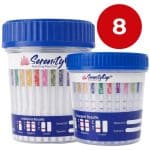
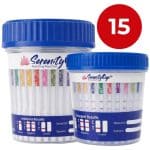
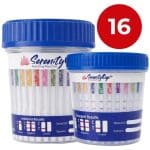
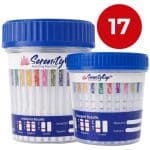
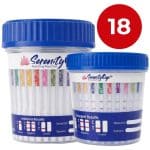
Rapid Multi-Panel Tests for On-Site Drug Screening

If you need drug screening results quickly, waiting days for a lab report can feel costly and impractical. That is why many employers, clinics, and program managers use rapid multi-panel tests. The real question is whether these tests can replace a lab or whether they fill a different role. Here is the short answer, along with the tradeoffs that matter when choosing an on-site screening option.
What is a rapid multi-panel drug test?
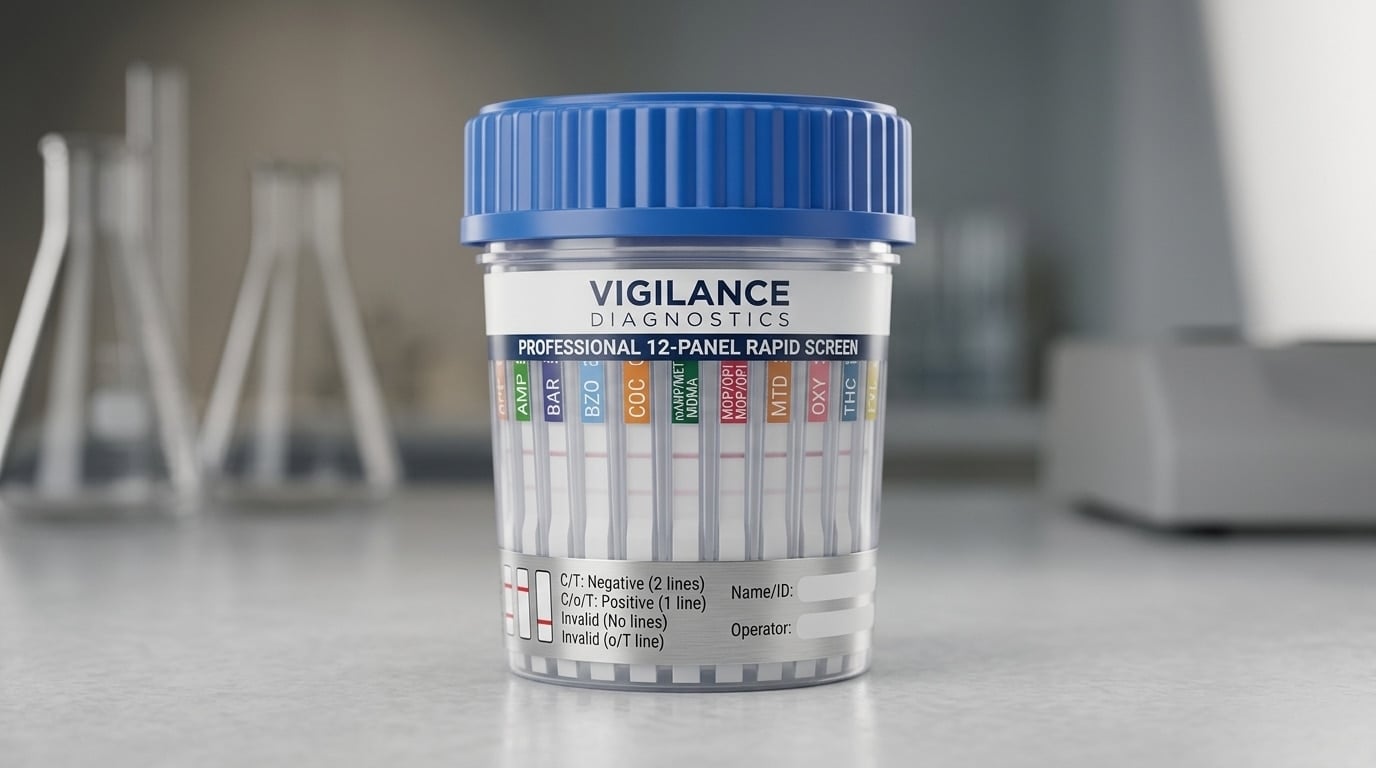
A rapid multi-panel drug test screens for several drug classes from one sample during a single session. In most on-site settings, that sample is urine, and the device shows a visual result within minutes. This setup saves time because staff do not need separate tests for each substance.
The appeal is straightforward. One device can support pre-employment screening, random testing, return-to-duty checks, clinic monitoring, and family or recovery use. A multi-panel cup also combines collection and screening in one process, which reduces handling and simplifies workflow.
Are rapid multi-panel tests a true replacement for lab testing?
No, not in every situation. Rapid tests work best as a first-line screening tool. Laboratories serve a different purpose. They handle confirmation testing, deeper analysis, and formal review when policy, legal action, or disputed results require stronger documentation.
A more accurate way to look at it is this: rapid tests can replace many routine screening steps, but they do not replace all lab functions. If you need a fast yes-or-no screen to decide what happens next, an on-site test is often the right fit. If you need confirmed positives for employment action, court use, or medical records, a lab is still necessary.
When on-site rapid tests make the most sense
Rapid multi-panel tests solve a speed problem. They are most useful when you need results during the same visit, shift, or appointment. That speed helps supervisors, HR teams, treatment staff, and program coordinators respond without waiting several days.
- Pre-employment screening with tight hiring timelines
- Random workplace testing
- Post-accident or reasonable-suspicion screening
- Rehab, recovery, and probation monitoring
- Pain management and clinic check-ins
- Family or personal testing where privacy matters
In these settings, a rapid test reduces delays and lowers cost. Negative screens also cut down the number of samples that need lab confirmation, which helps keep overall program spending in check.
Where lab testing still holds the edge
Lab testing still has a clear advantage in one area: confirmation. If a rapid test shows a non-negative result, a lab can verify that result using more specific methods. That matters when the outcome affects employment status, legal standing, or treatment decisions.
Labs also matter when a case requires documented chain of custody, expert review, or a more detailed breakdown of substances. So if the question is, “Can an on-site cup do everything a lab does?” the answer is no. If the question is, “Can it handle most first-pass screening needs well?” the answer is yes.
How accurate are rapid multi-panel tests?
Accuracy matters more than speed when the result guides a real decision. High-quality rapid test cups can deliver strong screening accuracy, especially for negative results. That is one reason they are widely used in professional settings. They work as a filter: clear negatives move forward, while non-negative results go to a lab for confirmation.
Buyers should keep one basic rule in mind: a screening result is not the same as a confirmed lab result. That is not a flaw. It is how point-of-care testing is designed to work. When expectations are clear, buying decisions tend to be better too.
What affects result quality?
- Proper sample collection
- Correct storage and handling of the test device
- Reading the result within the stated time window
- Using a trusted cup with specimen integrity checks
- Following policy for confirmatory lab testing after non-negative results
Why specimen integrity matters on-site
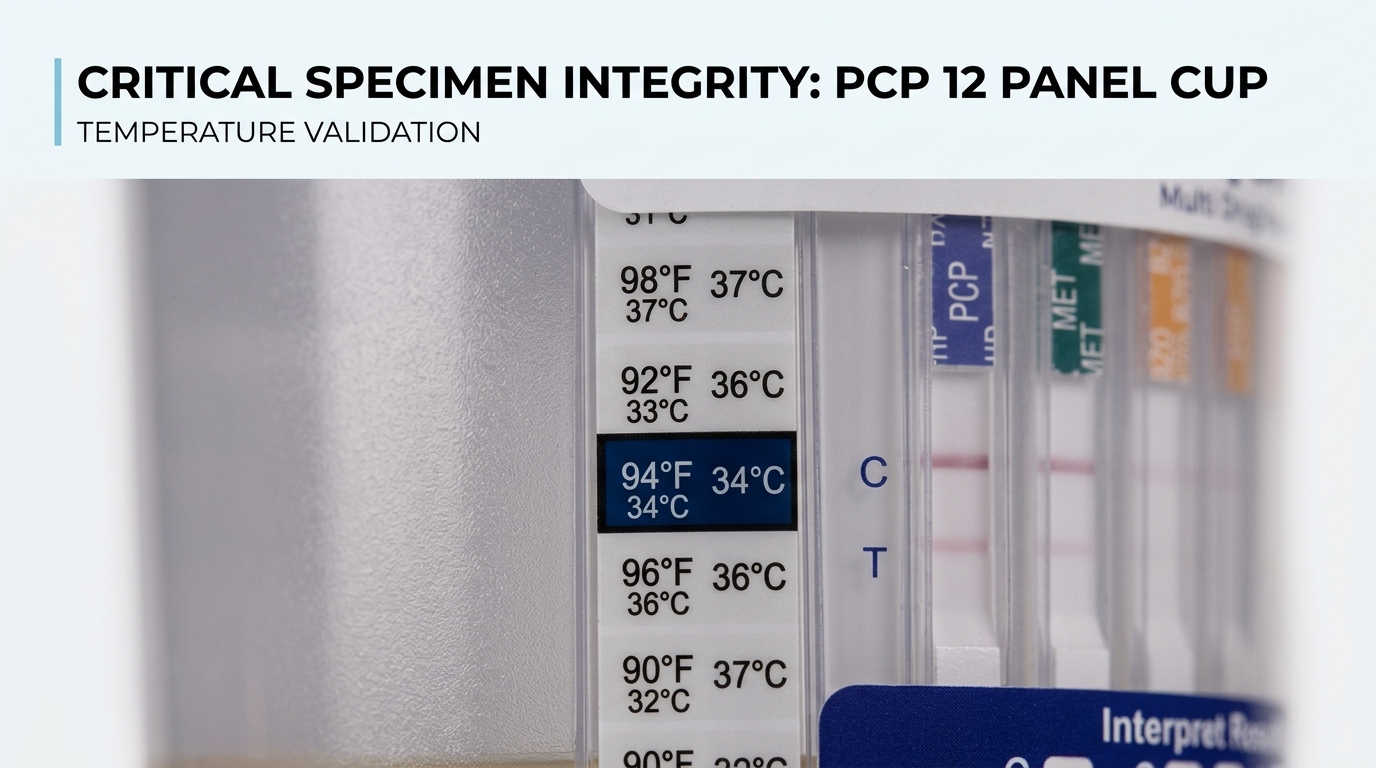
On-site testing only works well if the collector can trust the sample. That is why many buyers prefer cups with built-in temperature checks. A temperature strip helps show whether the sample was fresh and collected within a believable range right after collection.
This matters more than many first-time buyers expect. A fast result loses value if the sample itself seems questionable. In workplace, clinic, and monitoring settings, specimen integrity checks support cleaner screening and fewer disputes.

Do multi-panel cups save money compared with labs?
In many programs, yes. The cost of routine lab testing adds up quickly, especially when every sample is sent out for full analysis. Rapid multi-panel tests reduce that burden by handling initial screens on-site. If most results are negative, there is no need to send every sample to a lab.
The savings go beyond the test price. You also save staff time, follow-up time, shipping steps, and the cost of delayed decisions. For employers, that can mean faster onboarding. For clinics and recovery programs, it can mean same-day action.
What should buyers look for in an on-site drug test cup?
Not all rapid tests fit the same workflow. Buyers should match the panel, format, and process to the setting. A small office has different needs than a rehab center or probation program.
- Panel coverage: Make sure the cup screens for the substances you actually need.
- Built-in cup format: One-step collection and screening reduces handling.
- Temperature strip: This supports sample integrity.
- Fast read time: Quick results help with same-visit decisions.
- Clear result window: Easy reading reduces user error.
- Fit for your policy: Have a process in place for confirmatory lab follow-up when needed.
Is a 12-panel cup enough for most on-site screening needs?
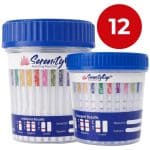
For many buyers, yes. A 12-panel format provides broad coverage in one test, which makes it practical for general workplace, clinical, and monitoring use. It works especially well for programs that want a balanced screen without juggling multiple devices.
The exact panel still matters. Some buyers need coverage for specific substances based on job risk, treatment setting, or local policy. The best choice is not just any multi-panel cup. It is the one that matches your use case.
What about PCP screening?
PCP still matters in many professional screening settings, even if it is not always the first substance buyers ask about. If your policy or risk profile calls for PCP detection, it needs to be included in the panel from the start. Adding it later through another device creates extra cost and extra handling.
That is why a 12-panel cup with PCP included makes practical sense for many programs. It broadens screening in one step and keeps the collection process simple for both staff and donor.
So, are rapid multi-panel tests a true lab alternative?
The most accurate answer is this: they are a true screening alternative to sending every sample to a lab, but they are not a full confirmation alternative. That distinction matters because it reflects how effective screening programs work in practice.
If your goal is quick, reliable, cost-conscious on-site screening, rapid multi-panel cups do the job well. If your goal is legally defensible confirmation after a non-negative result, a lab still has an essential role. The strongest systems use both, with rapid screening first and lab confirmation only when needed.
FAQ
How fast do on-site multi-panel drug tests give results?
Many produce results within minutes. That fast turnaround helps employers, clinics, and monitoring programs make same-day decisions instead of waiting for a lab report.
Should every positive rapid test go to a lab?
Any non-negative result that could affect employment, legal status, or formal care decisions should be sent for confirmation. That step verifies the result with a more specific testing method.
Who benefits most from a 12-panel on-site test cup?
Employers, rehab programs, clinics, probation teams, and private buyers all benefit when they need broad screening, simple collection, and quick answers in one device.
Conclusion
Rapid multi-panel tests fill a practical role: they provide fast, on-site screening that saves time and reduces unnecessary lab costs, while labs remain the right next step for confirmation. If you want broad panel coverage, simple collection, and quick results in one cup, 12 Panel Drug Test Cup with PCP from 12 Panel Now is a strong option.